Canva
1 / 3Teen sleep biology
The time people go to bed, fall asleep, and wake up is governed by two main factors in the brain. The first is a so-called "wakefulness tracker," a physiological timer that increases our need to sleep the longer we stay awake. This is in part the consequence of the accumulation of chemical signals released by neurons, such as adenosine.
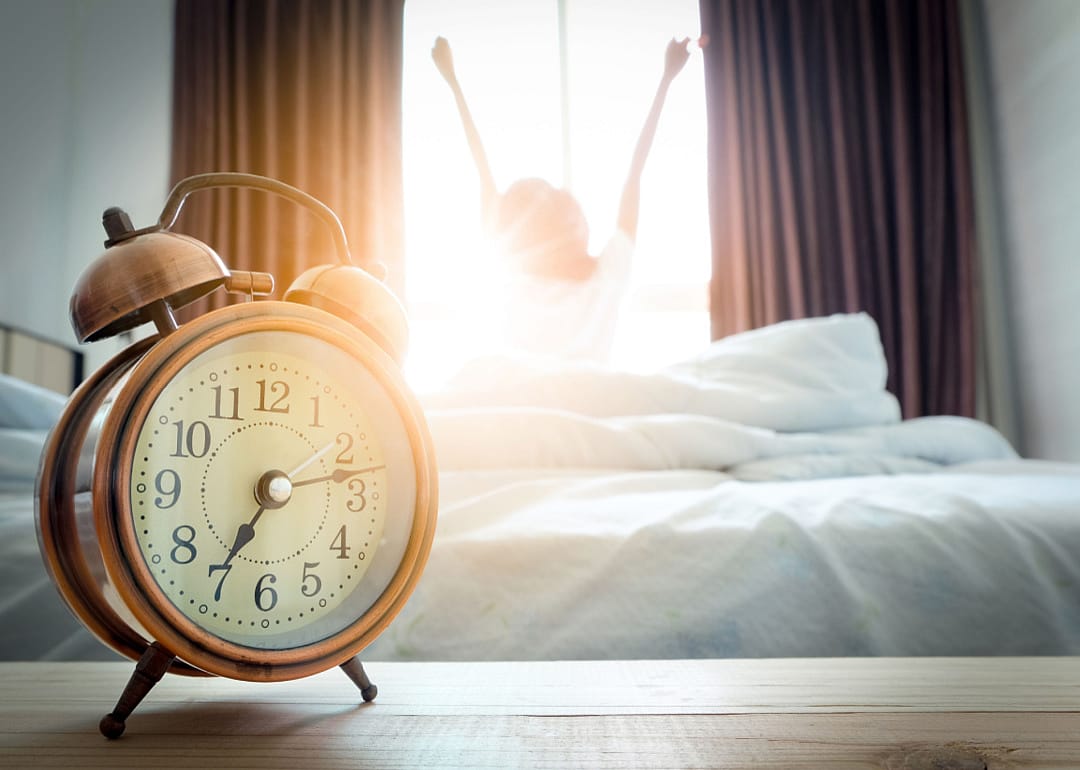
Adenosine accumulates in the brain when we are awake, leading to increased sleepiness as the day wears on. If, for instance, a person wakes up at 7 a.m., these chemical signals will accumulate throughout the day until the levels are high enough that the person will fall asleep, typically in the late evening.
The second factor that drives the sleep/wake cycle is a 24-hour biological clock that tells our brain what times of the day we should be awake and what times we should be sleeping. This biological clock is located in an area of the brain called the hypothalamus. The clock is composed of neurons that coordinate the brain areas regulating sleep and wakefulness to a 24-hour sleep/wake cycle.
These two regulators operate with relative independence from each other. But under typical conditions, they are coordinated so that a person with access to electric-powered light would fall asleep in the late evening—between about 10-11 p.m.—and wake up in the early morning, around 6-7 a.m.
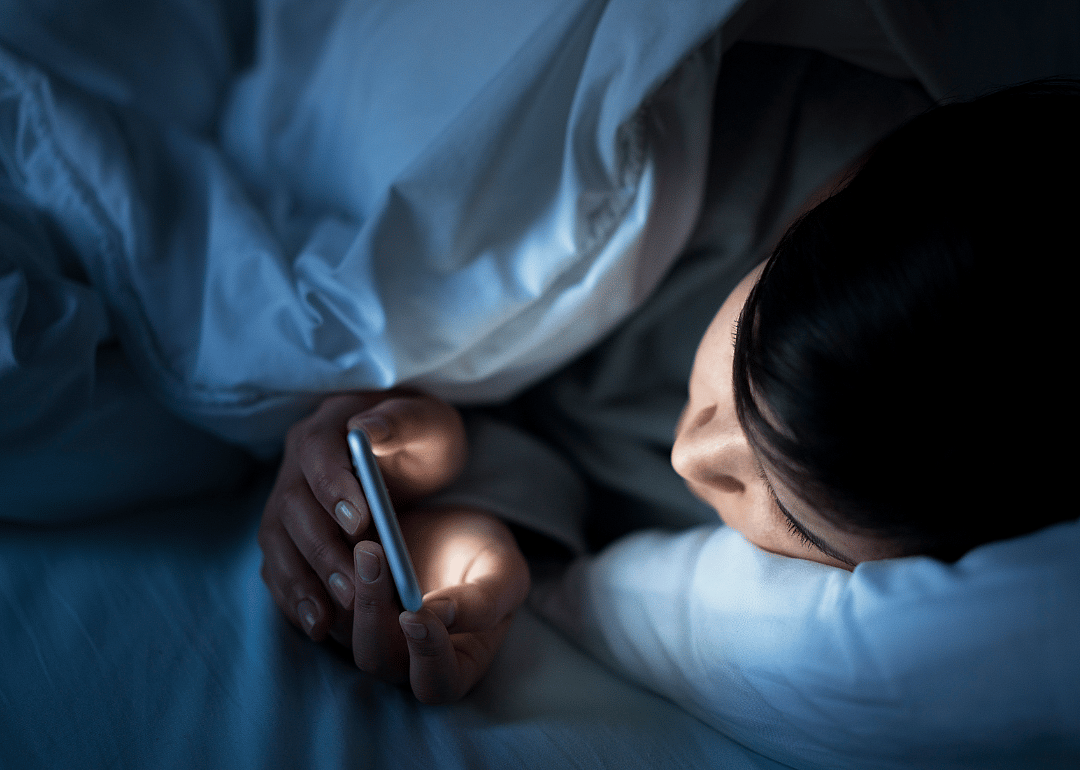
So why do teenagers often want to go to bed later and wake up later than their parents?
It turns out that during adolescence, the wakefulness tracker and biological clock conspire to delay the timing of sleep. First, adolescents can be awake until later hours before their wakefulness tracker makes them feel sleepy enough to fall asleep.
Second, the biological clock of teenagers is delayed because in some cases it appears to run at a slower pace and because it responds differently to light cues that reset the clock daily. This combination leads to a sleep cycle that operates a couple of hours later than in an older adult: If an older adult feels the signals to fall asleep around 10-11 p.m., this won't happen until midnight or later in a teenager.