Canva
1 / 25#25. Knox
- Farmland: 314,730 acres (1.3% of state total)
- Farms: 2,607
- Most common crop: Yellow corn (146,378 acres, 46.5% of county farmland)
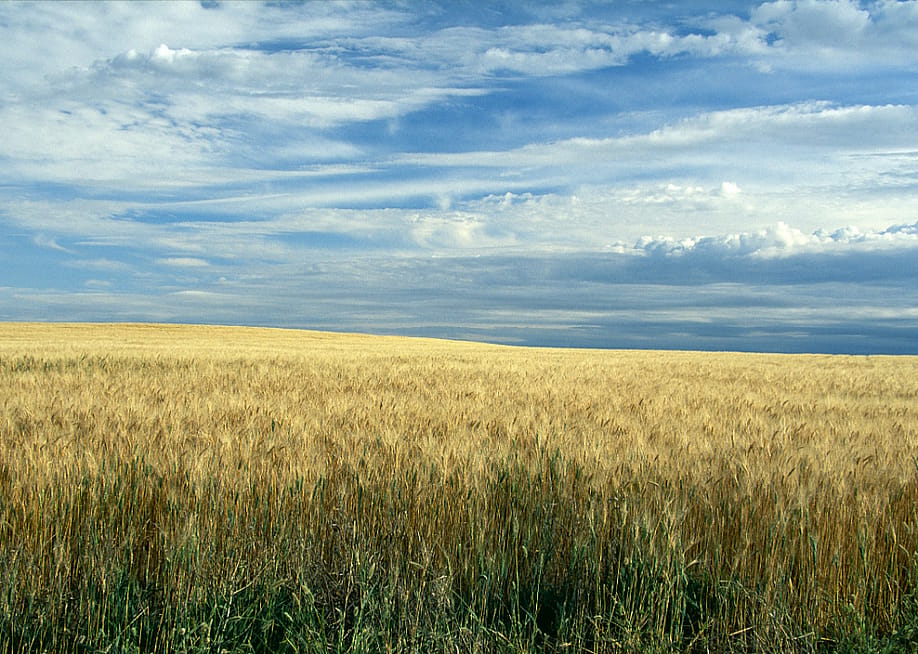
Farmland across the U.S. is disappearing by the millions of acres each decade by some estimates as sprawling urban development driven by rising housing costs pushes further into rural pastures.
The farmland that still exists in the U.S. is heavily dedicated to growing plants that Americans can't consume—grass. That grass, accounting for more than 300 million acres now, feeds our livestock, provides sod for new development, and serves as a cover crop to protect soil health between harvests.
Demand for major crops like corn and soybeans to feed Americans is only forecast by the USDA to grow in the coming decade, and demand for U.S. agricultural exports is expected to grow similarly.
The COVID-19 pandemic dramatically changed the way people purchased and consumed food, placing renewed attention on an increasingly consolidated agricultural industry where family farms have been swallowed up by large food corporations.
And after shifting behaviors caused massive economic swings in the U.S. and elsewhere, the Russian invasion of Ukraine forced food producers to once again account for yet another shock with so much of the world's grain capital taken offline by warfare.
War and corporate interests aside, farms have also had to reckon with a changing climate. Wheat fields were once commonplace across the country, but drought conditions of late have caused farmers to give up growing the crop entirely. Agitated by climate change, the shortage of water in parts of the country coupled with higher interest rates and the ongoing war in Ukraine are making agricultural businesses harder to run profitably.
To illustrate where American farms still persevere, Stacker compiled a list of counties with the most farmland in Illinois using data from the Agriculture Department's Farm Service Agency. Farmers reported the data as mandated by participation in USDA income support programs, including Agriculture Risk Coverage and Price Loss Coverage as well as loan assistance. Counties are ranked by total acres of farmland.
In Illinois, there are 24,128,936 acres of farmland, with yellow corn being the most common crop.
You may also like: Biggest sources of immigrants to Illinois
Canva
1 / 25- Farmland: 314,730 acres (1.3% of state total)
- Farms: 2,607
- Most common crop: Yellow corn (146,378 acres, 46.5% of county farmland)
Canva
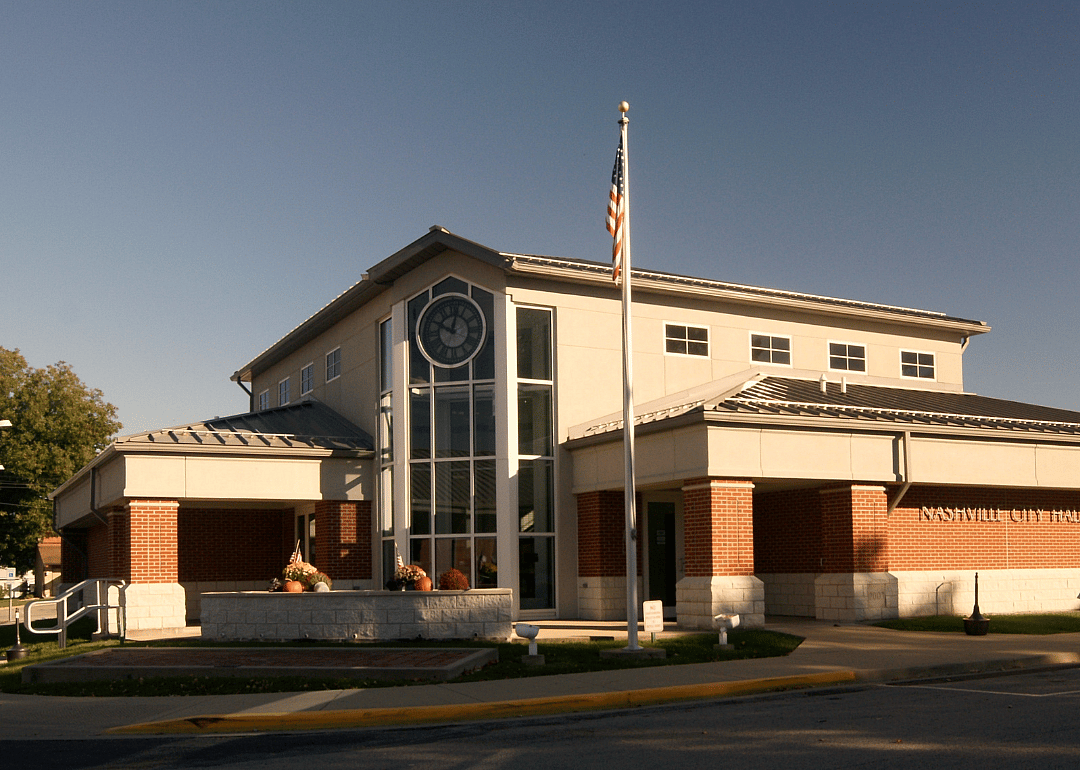
2 / 25- Farmland: 316,579 acres (1.3% of state total)
- Farms: 2,298
- Most common crop: Common soybeans (147,103 acres, 46.5% of county farmland)
Henryk Sadura // Shutterstock
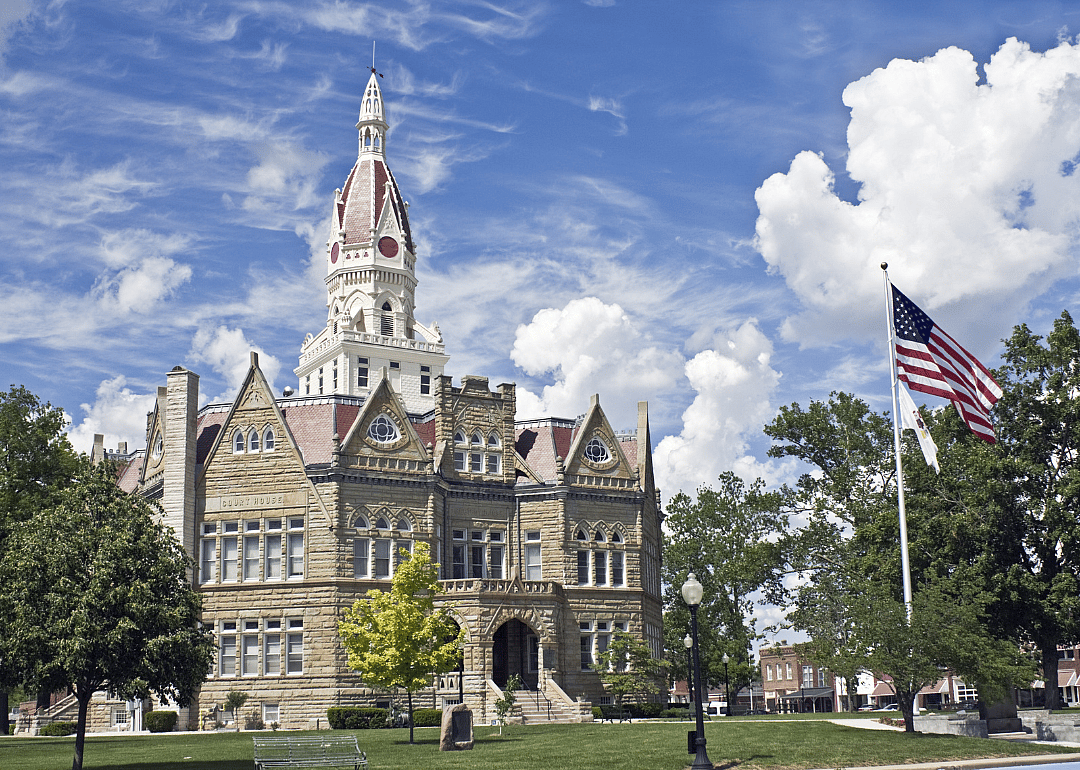
3 / 25- Farmland: 332,204 acres (1.4% of state total)
- Farms: 2,155
- Most common crop: Yellow corn (138,957 acres, 41.8% of county farmland)

Canva
4 / 25- Farmland: 337,286 acres (1.4% of state total)
- Farms: 3,050
- Most common crop: Common soybeans (136,885 acres, 40.6% of county farmland)

Canva
5 / 25- Farmland: 345,443 acres (1.4% of state total)
- Farms: 2,526
- Most common crop: Common soybeans (148,870 acres, 43.1% of county farmland)
You may also like: Top 5 uniquely popular potato chip brands in Illinois

Canva
6 / 25- Farmland: 345,971 acres (1.4% of state total)
- Farms: 2,604
- Most common crop: Yellow corn (158,583 acres, 45.8% of county farmland)

Canva
7 / 25- Farmland: 348,643 acres (1.4% of state total)
- Farms: 2,563
- Most common crop: Yellow corn (185,568 acres, 53.2% of county farmland)

Canva
8 / 25- Farmland: 356,018 acres (1.5% of state total)
- Farms: 2,852
- Most common crop: Common soybeans (164,035 acres, 46.1% of county farmland)
Canva
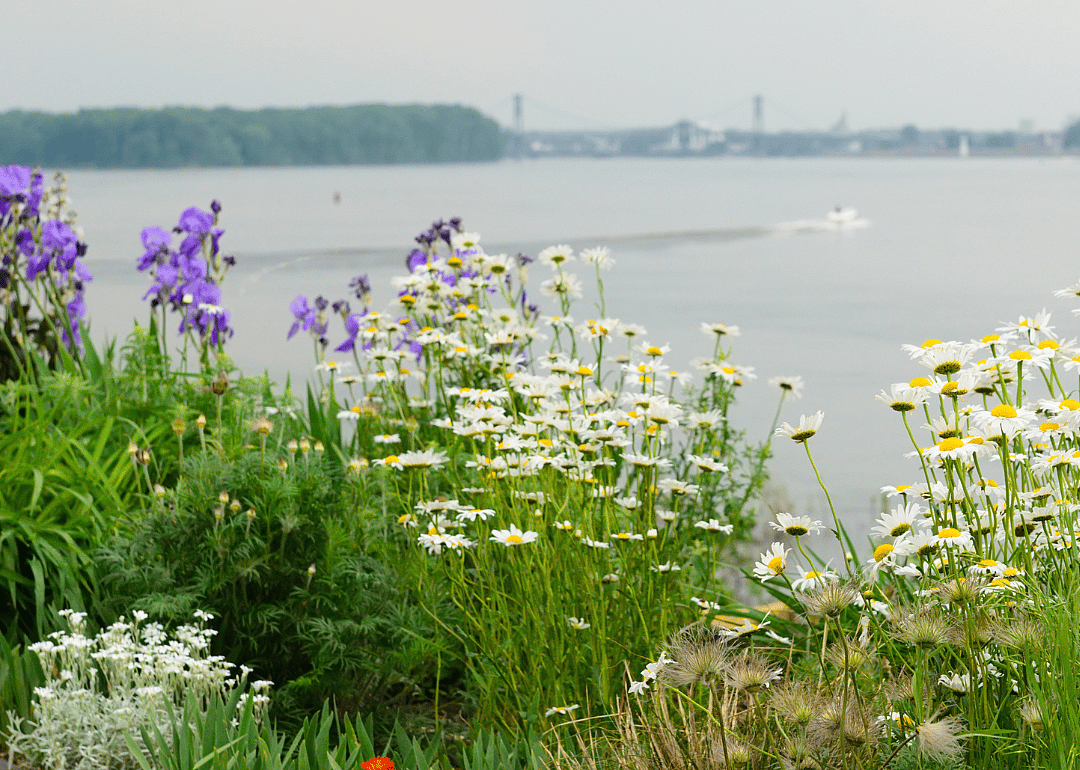
9 / 25- Farmland: 362,500 acres (1.5% of state total)
- Farms: 2,165
- Most common crop: Yellow corn (166,383 acres, 45.9% of county farmland)

Canva
10 / 25- Farmland: 363,068 acres (1.5% of state total)
- Farms: 2,551
- Most common crop: Yellow corn (157,201 acres, 43.3% of county farmland)
You may also like: Highest-rated specialty museums in Illinois by visitors

Canva
11 / 25- Farmland: 363,816 acres (1.5% of state total)
- Farms: 2,331
- Most common crop: Yellow corn (198,149 acres, 54.5% of county farmland)
Canva
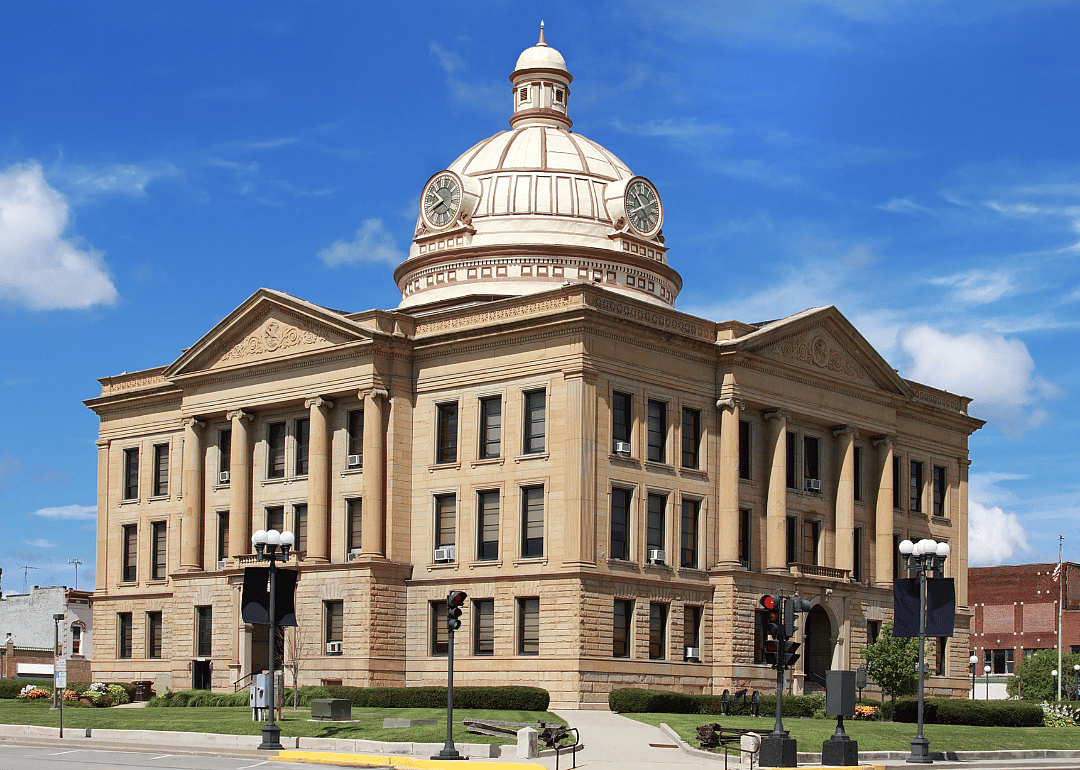
12 / 25- Farmland: 366,421 acres (1.5% of state total)
- Farms: 2,357
- Most common crop: Yellow corn (181,051 acres, 49.4% of county farmland)
Canva
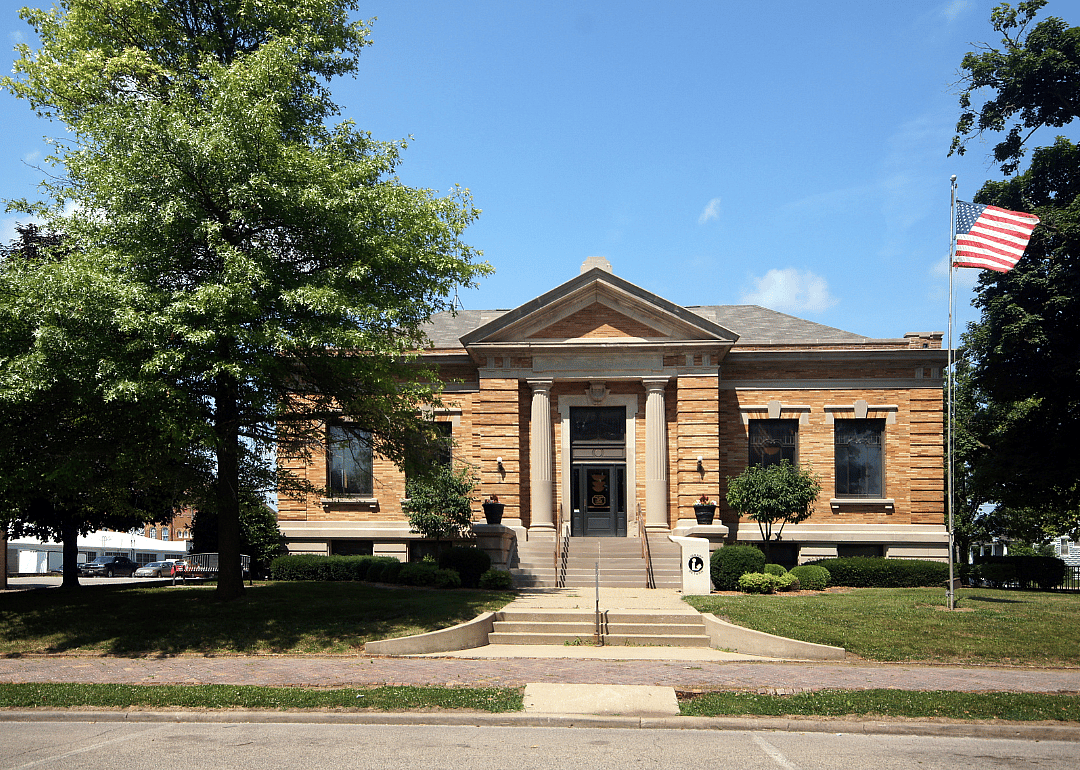
13 / 25- Farmland: 377,479 acres (1.6% of state total)
- Farms: 3,403
- Most common crop: Common soybeans (168,754 acres, 44.7% of county farmland)
Canva
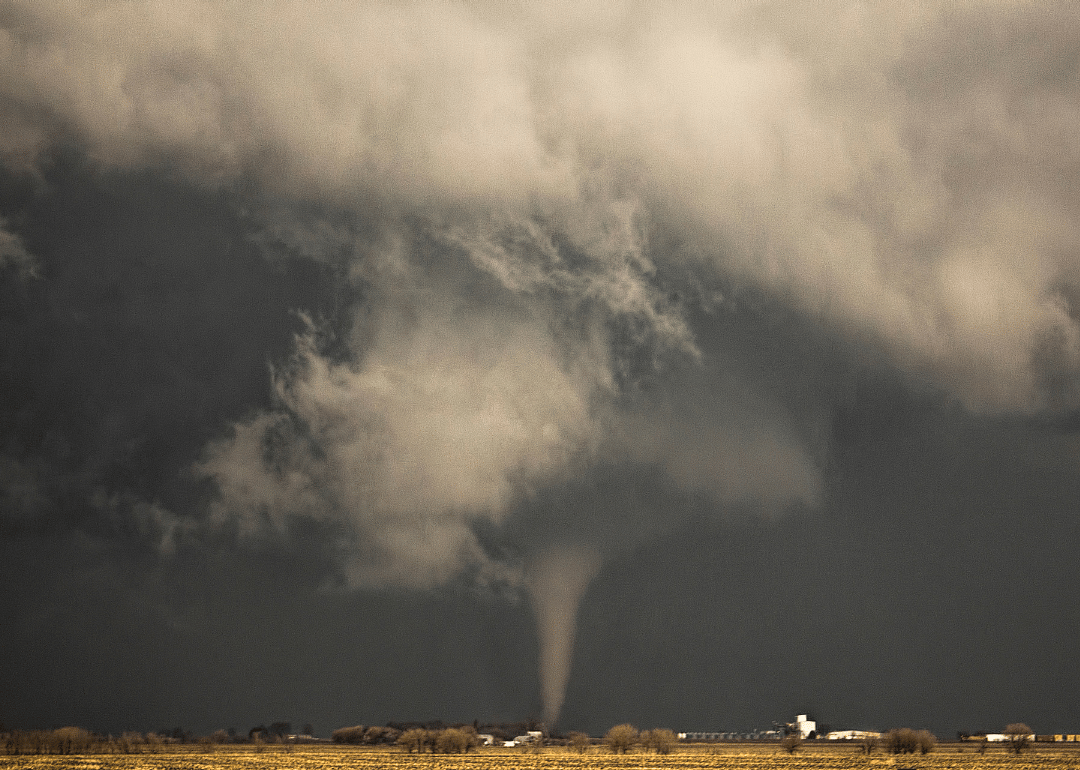
14 / 25- Farmland: 380,383 acres (1.6% of state total)
- Farms: 2,283
- Most common crop: Yellow corn (185,133 acres, 48.7% of county farmland)
Canva
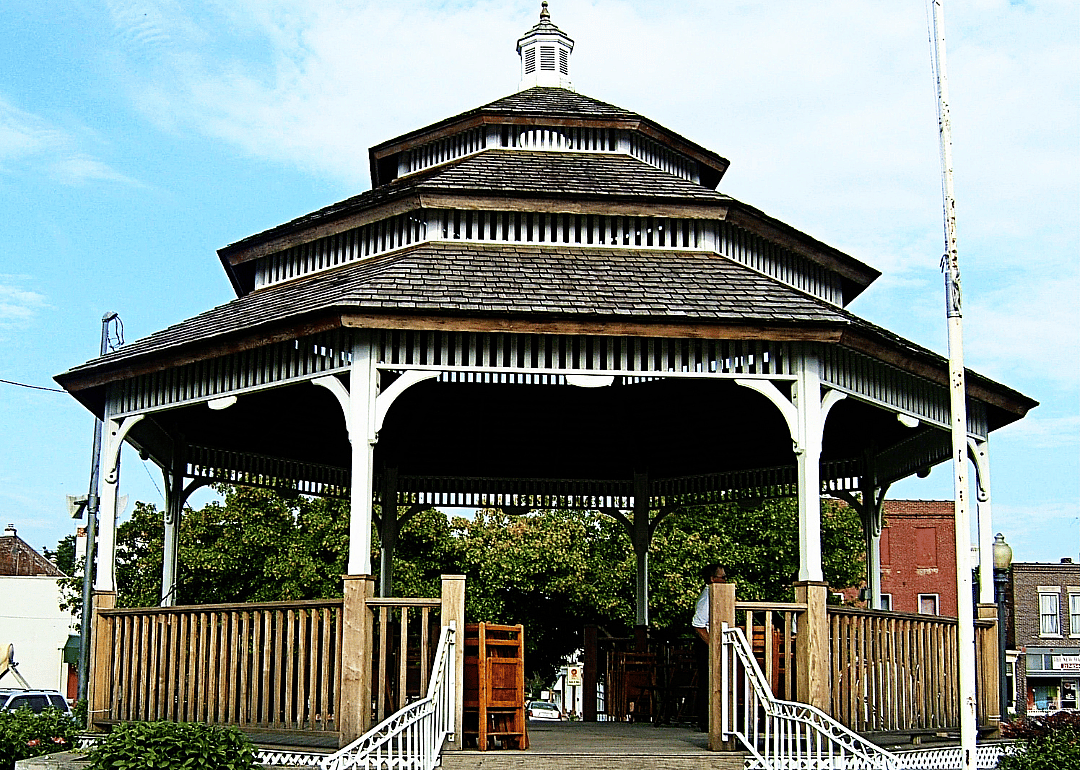
15 / 25- Farmland: 383,420 acres (1.6% of state total)
- Farms: 3,152
- Most common crop: Common soybeans (171,867 acres, 44.8% of county farmland)
You may also like: Counties in Illinois with the most car repair shops
Canva
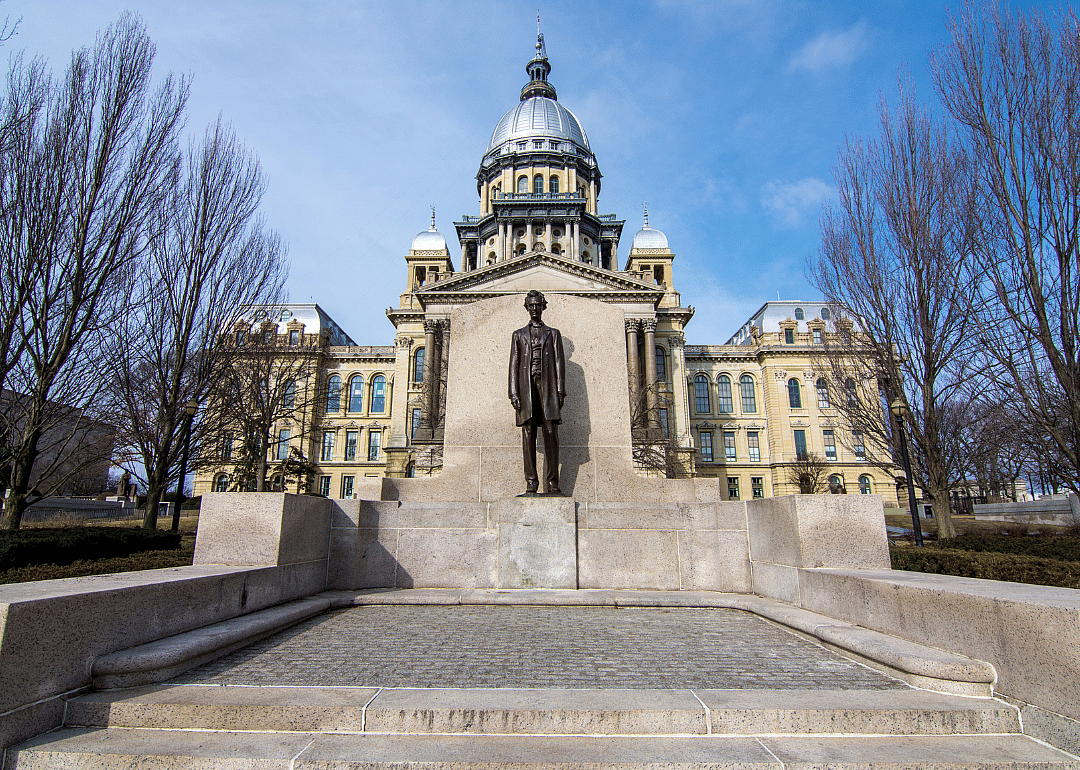
16 / 25- Farmland: 383,534 acres (1.6% of state total)
- Farms: 3,115
- Most common crop: Yellow corn (180,074 acres, 47.0% of county farmland)

Canva
17 / 25- Farmland: 389,101 acres (1.6% of state total)
- Farms: 2,681
- Most common crop: Yellow corn (182,313 acres, 46.9% of county farmland)
Canva
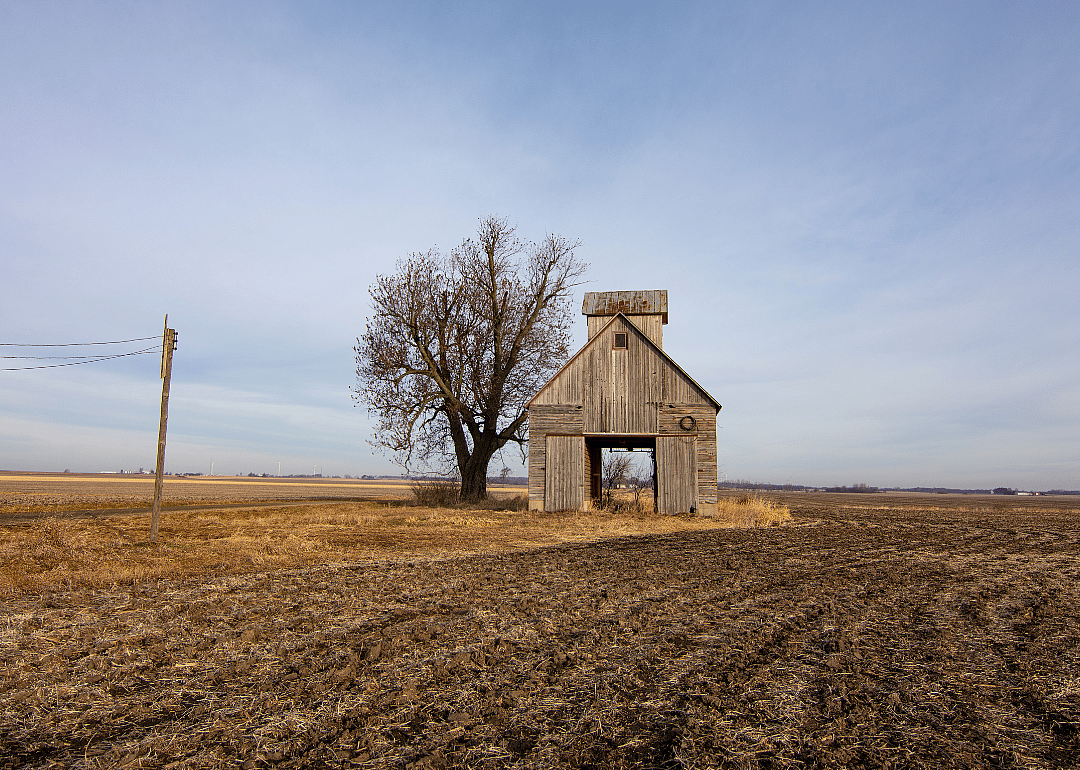
18 / 25- Farmland: 430,149 acres (1.8% of state total)
- Farms: 3,321
- Most common crop: Yellow corn (222,523 acres, 51.7% of county farmland)

Canva
19 / 25- Farmland: 444,036 acres (1.8% of state total)
- Farms: 2,963
- Most common crop: Yellow corn (214,727 acres, 48.4% of county farmland)
Roberto Galan // Shutterstock
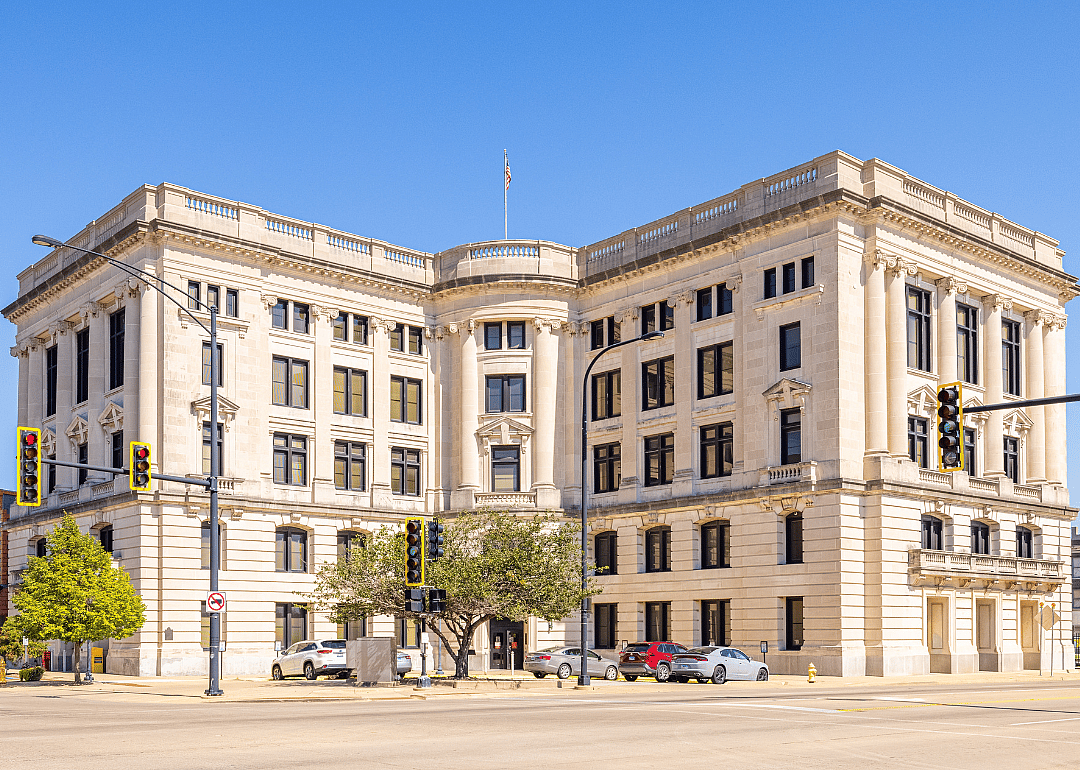
20 / 25- Farmland: 456,966 acres (1.9% of state total)
- Farms: 3,231
- Most common crop: Yellow corn (194,766 acres, 42.6% of county farmland)
You may also like: Hottest Septembers in Illinois since 1895
Canva
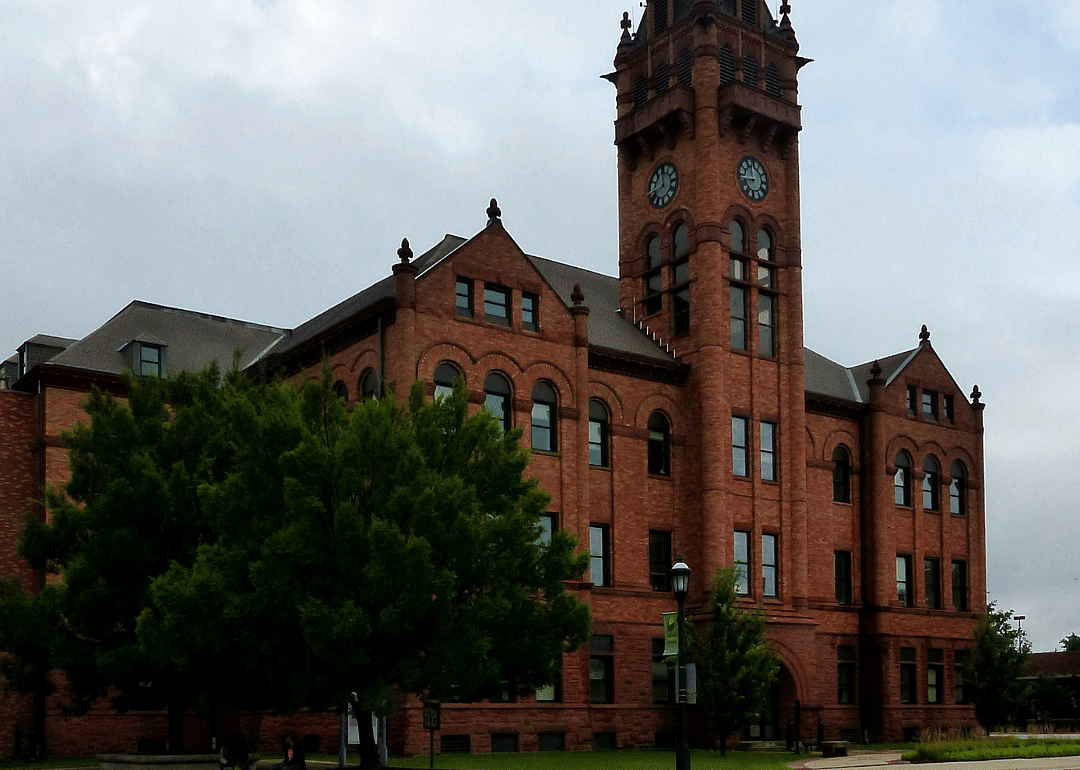
21 / 25- Farmland: 532,018 acres (2.2% of state total)
- Farms: 4,206
- Most common crop: Yellow corn (227,022 acres, 42.7% of county farmland)
Canva
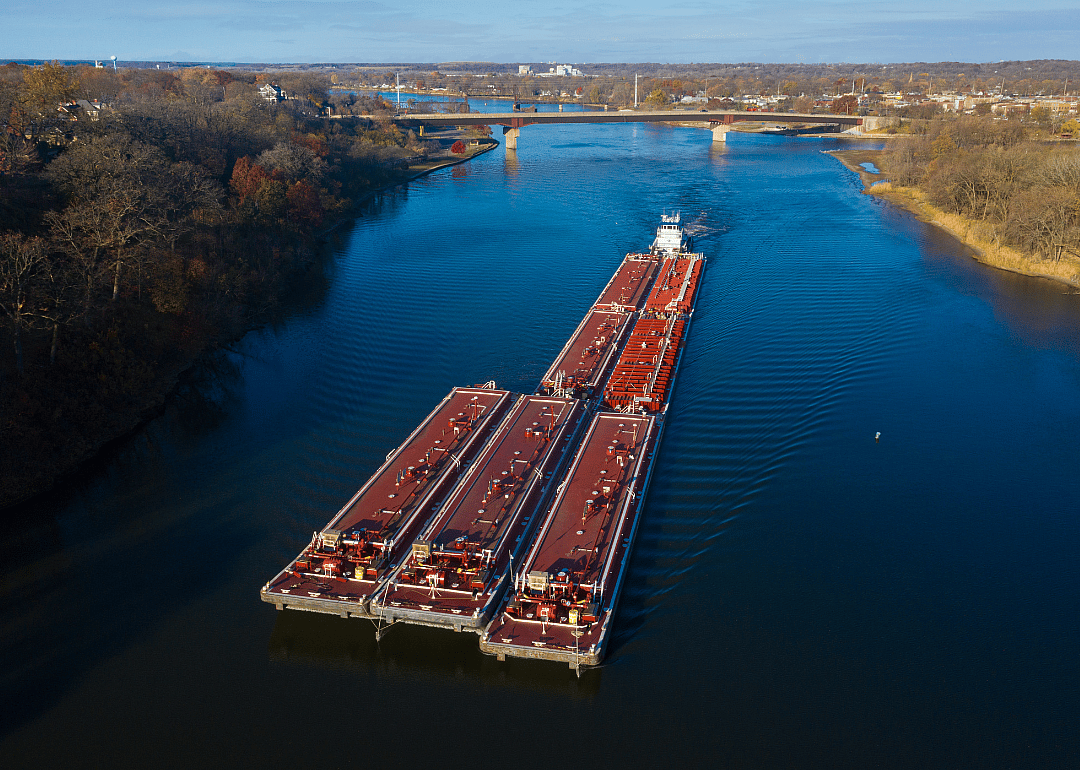
22 / 25- Farmland: 552,361 acres (2.3% of state total)
- Farms: 4,987
- Most common crop: Yellow corn (257,376 acres, 46.6% of county farmland)
Canva
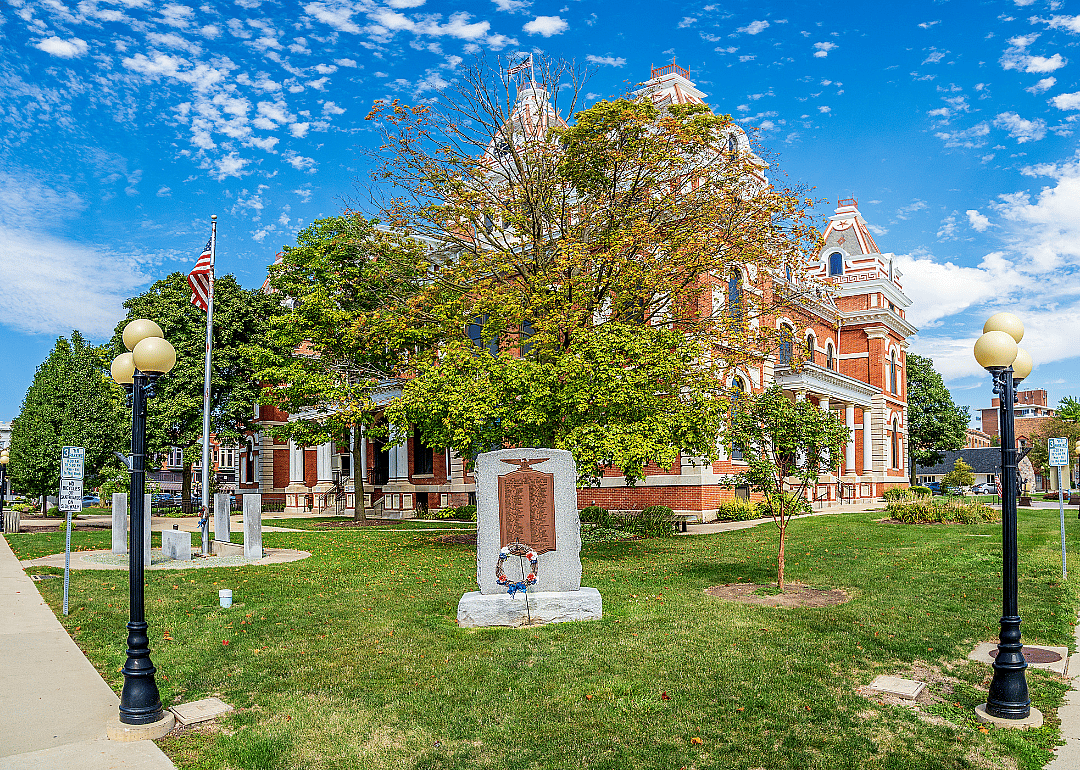
23 / 25- Farmland: 598,128 acres (2.5% of state total)
- Farms: 4,526
- Most common crop: Yellow corn (283,816 acres, 47.5% of county farmland)

Canva
24 / 25- Farmland: 630,369 acres (2.6% of state total)
- Farms: 4,317
- Most common crop: Yellow corn (286,311 acres, 45.4% of county farmland)
Canva
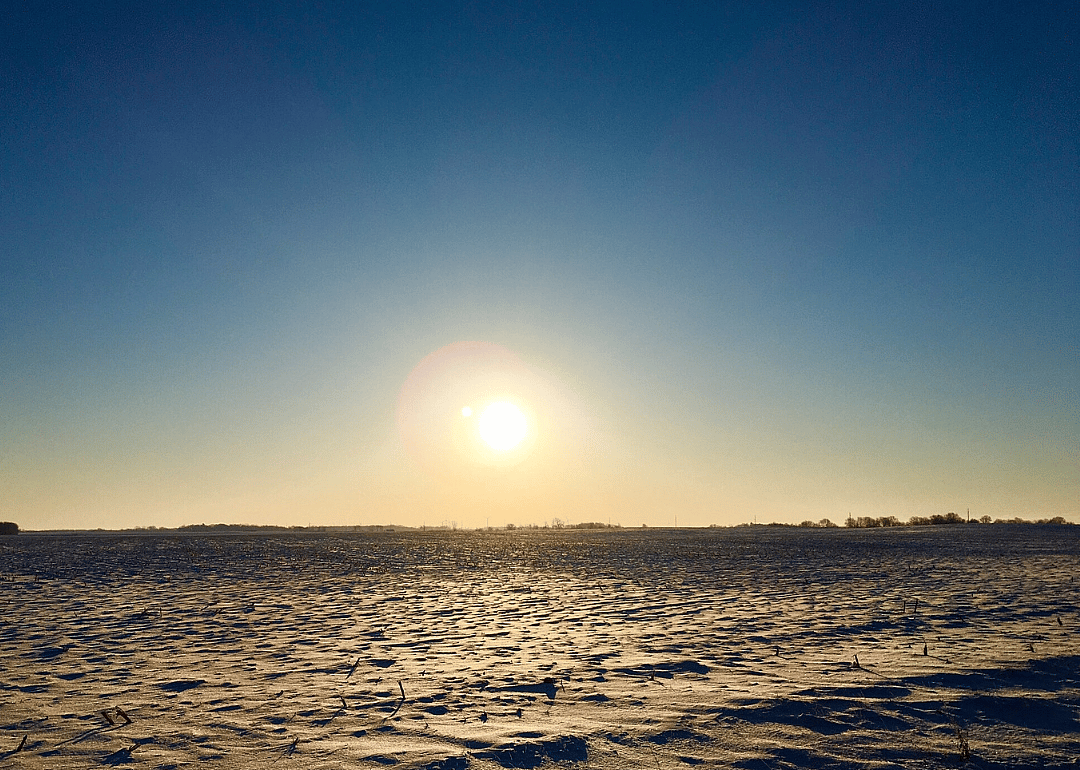
25 / 25- Farmland: 664,294 acres (2.8% of state total)
- Farms: 4,632
- Most common crop: Yellow corn (302,908 acres, 45.6% of county farmland)
You may also like: Highest-rated wineries in Illinois by visitors