Experian
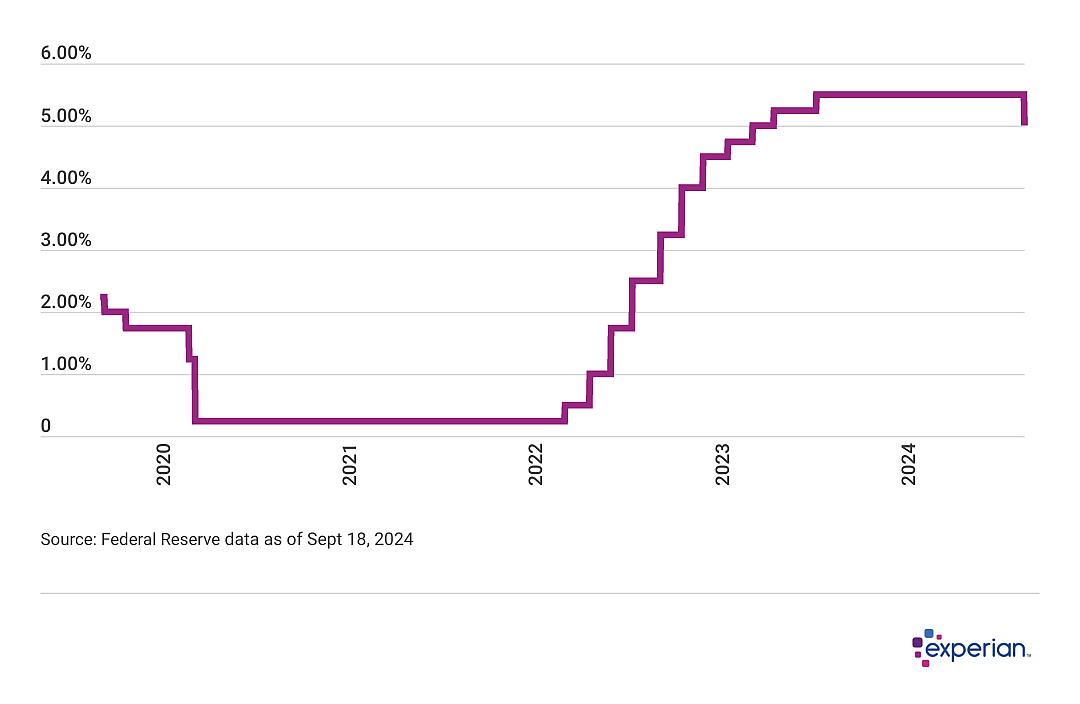
1 / 3Fed Rate Remains at 17-Year High, Impact of First Cuts Likely Minimal
Compared to the rate increases totalling five percentage points in less than two years, a possible 0.75 percentage point reversal by year end isn't likely to have a big effect on consumers, at least at first.
One reason should be obvious: A three-quarter point cut is inarguably puny compared to the five percentage points of increases that accelerated the interest charged to consumers over that period, particularly for credit card borrowers.
Second, interest rate changes take time to transmit through the economy. Chances are that in 2022, consumers didn't immediately notice those first Fed increases. Indeed, if low interest rates were noticed at all, it was probably in the rock-bottom mortgage rates millions of homeowners were securing. One survey in early 2022 found that mortgage purchasing confidence was at an all-time high, primarily due to refinancing rates around 3%.
While far from a precise measure, previous economic studies suggest that it takes between one and two years for changes in key monetary interest rates to affect participants on the ground—in both the prices consumers see for goods and services, and changes in economic activity.
The Ghost of Interest Rates Present
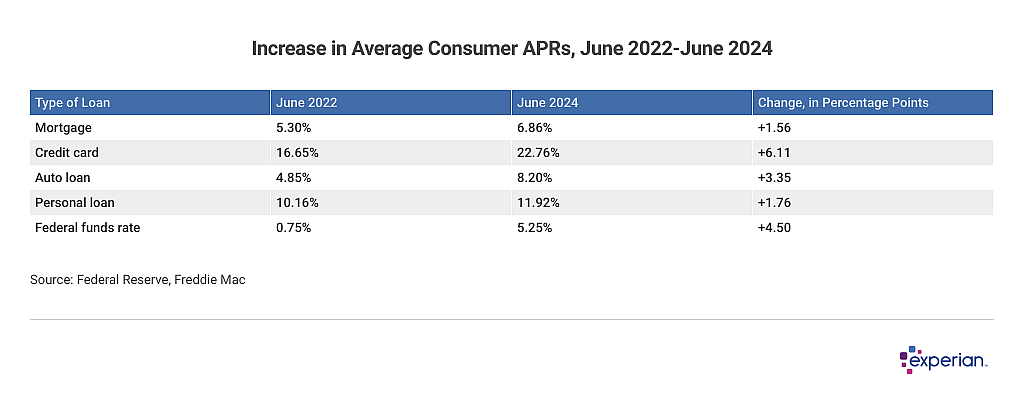
For many consumers, elevated interest rates have made their presence known through credit card interest payments on prior purchases, or by the increase in auto loan and mortgage rates that either limit the amount of house or car one can buy or price buyers out altogether. Even rates on personal loans that are often used to consolidate higher interest payments have increased more than a percentage point.
As seen with the first rate increases in mid-2022, lenders don't always wait for a bevy of bankers in Washington to take action before changing rates on their own, at least for some types of loans. For example, mortgage rates had already increased by more than two percentage points to an average annual percentage rate (APR) of 5.30% for a 30-year fixed mortgage, even before the Fed began raising rates—as both lenders and debt markets already anticipated interest rate hikes. And average auto loan rates were driven as much by inventory fluctuations increasing automobile costs as by monetary policy in Washington.