mehdi33300 // Shutterstock
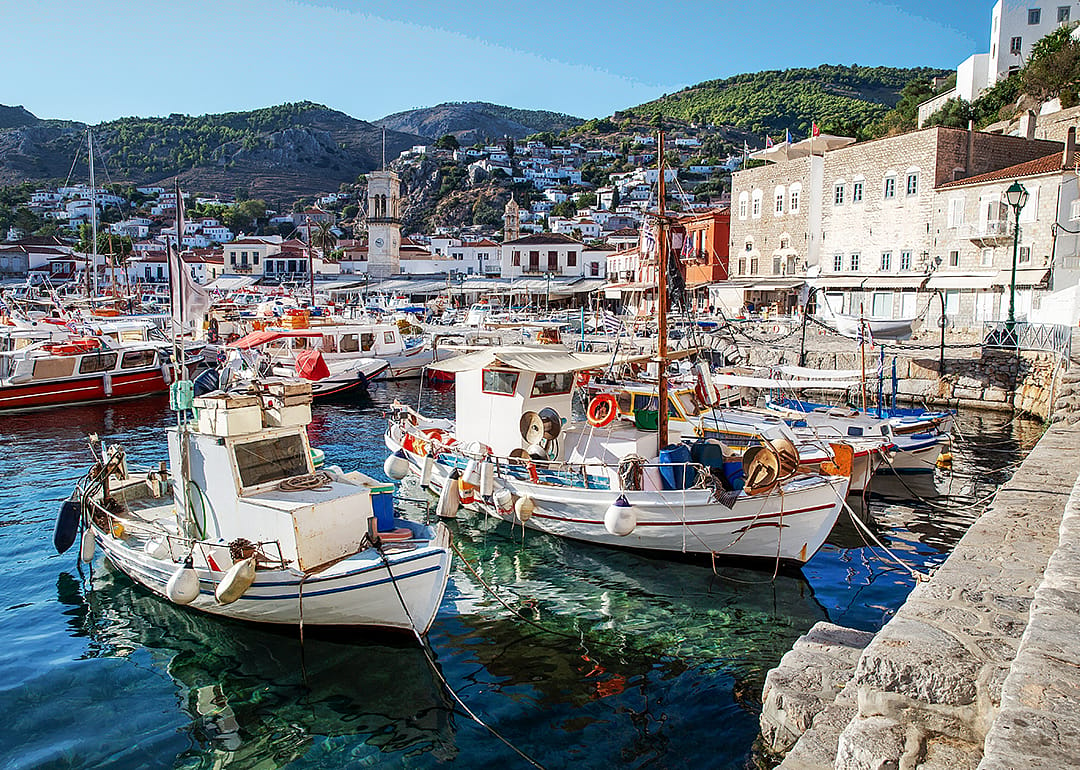
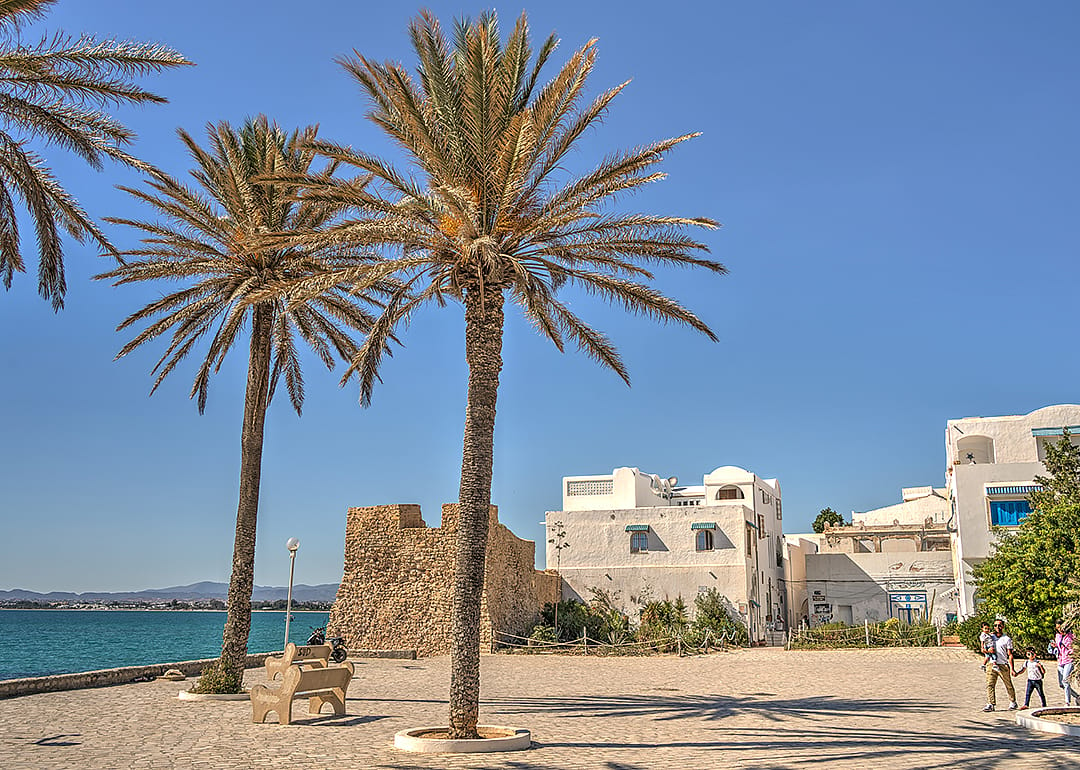
1 / 20Hammamet, Tunisia: Paul Klee
"Colour and I are one. I am a painter," Swiss-born German painter Paul Klee wrote in his diary during a two-week study tour through Tunisia in 1914. By then, he had already spent three years studying drawing and painting in Munich, associating with Expressionists, and visiting a fellow artist experimenting with Cubism in Paris.
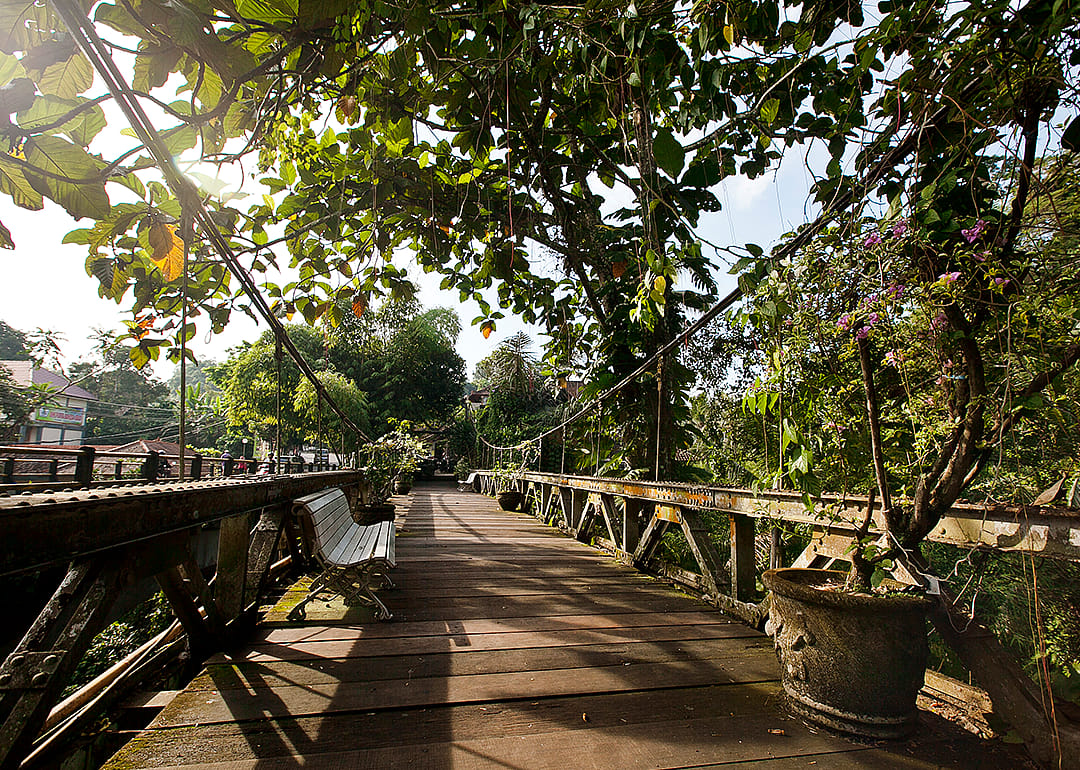
On his first trip outside of Europe, he found inspiration in Tunisia, North Africa. In the coastal town of Hammamet, the bright colors, vibrant scenes, and the heat and light of North Africa dazzled Klee. It inspired him to experiment with removing representational references from his paintings of landscapes and architecture. Instead, he translated them into abstract shapes and blocks of color, which would become his distinctive style.
"Hammamet with Its Mosque" is one of his best-known avant-garde paintings from the time. In the years following, Klee would use the new visual language he created in Tunisia to shape his depictions of landscapes in Central Europe.