How more flexible travel is reshaping recreational vehicle setups

Outdoor recreation has long been an important part of life across the U.S., with an economic impact and noteworthy benefits for individuals, including improved mental health and reduced loneliness. The Bureau of Economic Analysis (BEA) estimates the outdoor recreation economy as being worth $696.7 billion annually, equivalent to 2.4% of GDP, and a slice of that revenue comes from transportation because, with an increasingly urbanized population, most people don't have the wilderness on their doorstep.
Several overlapping trends are shaping the outdoor living market right now, especially for recreational vehicle setups. Dedicated RV sales are down 13.5% this year, according to Reuters, with higher fuel prices and less favorable loan rates making consumers less likely to commit to a purchase. In light of this, along with other generational trends, the shift toward more flexible travel is understandable. Below, RIDE88, a truck bed bike rack supplier, explains how vehicle adaptability lets people explore the outdoors as they see fit, without added costs or complexity.
Vehicle Ownership and Costs
A few economic data points and consumer trends indicate a growing demand for travel flexibility. Aside from the decline in niche RV sales this year, a historic trend of multi-vehicle ownership is also tailing off.
Data from the Bureau of Transportation Statistics shows that the number of households with two vehicles has fallen slightly but consistently year-on-year since its peak in 2000, now sitting at around 35%, while the proportion with three or more peaked in 2021 and has since plateaued at around 21%. Moreover, younger people are buying fewer vehicles and, as a rule, avoiding newer models, with just 10% of new vehicles sold nationwide going to under-35s in 2024, according to Guardian reporting.
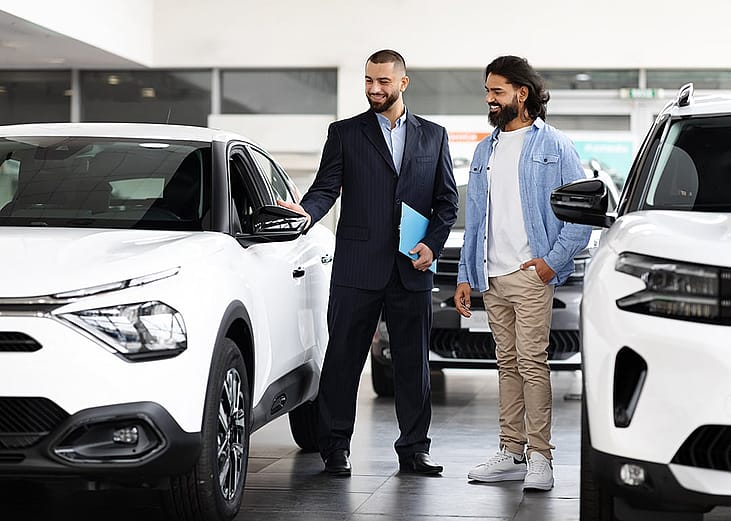
For American households that have fewer cars on average and less budget to spend on buying and maintaining multiple vehicles, flexible transport options may be appealing. Being able to have one vehicle that serves multiple purposes, working as a daily driver for the commute to the office as well as a recreational vehicle for outdoor adventures, is cost-effective and practical. It is also aligned with the lifestyles many modern consumers want to pursue.
In the U.S., sales of pickups — an all-purpose vehicle for domestic duties and leisure pursuits — have recently increased, as reported by Reuters. Stellantis, the world's fourth-largest automaker, reported an 11% boost to pickup truck sales in Q2 of 2026, with the legacy appeal of this innately flexible platform enabling otherwise embattled manufacturers to gain ground at a time when pressure from Chinese rivals is stymying them in other markets. So, for both drivers and automakers, multi-purpose vehicles remain a priority.
Lifestyle-Led Changes
The growth of outdoor recreation is also encouraging people to think more about their travel options. The Outdoor Participation Trends Report 2025, collated and published by the Outdoor Industry Association, found a 4.1% annual increase in the proportion of Americans involved in a range of popular activities. That brings the total to 175.8 million participants, of whom 7.7 million were trying a new activity for the first time.
Unsurprisingly, analysts identified a spike in participation in outdoor activities in the wake of the pandemic, although the upward trend began in 2016, so it is not solely attributable to this factor. Participation rates are spread fairly evenly across the five most popular recreational activities recorded in the report: 63.4 million participants hiked, 57.9 million fished, 55.9 million camped, 53.8 million cycled, and 52.6 million ran or jogged.
The diversity of potential activities, and the growth in the number of people getting involved for the first time or trying something new, even if they've participated in some other form of adventure in the past, align with growth in the market for accessories that help make vehicles more flexible and expand capacity.
Analysis of the market for automotive exterior accessories by Persistence Market Research shows annual growth of 6.24%, with roof racks and cargo carriers among the largest segments. Roof racks have their own market analysis, in which North America accounts for 40%, making U.S. consumers the biggest spenders on this kind of lifestyle-led vehicle adaptation. Given the growing popularity of outdoor lifestyles across generations, it’s likely that the upward trend in this segment will continue.
Challenges and Opportunities
Circling back to the Outdoor Participation Trends Report 2025, the data shows that while more people are getting involved in outdoor activities, the average number of individual excursions made has actually fallen slightly, echoing a trend from the 2024 edition of the report. Most of the growth in participation comes from the over-65s, up by 7.4%, because seniors have more free time and more disposable income than their younger counterparts.
The report also flags the existence of a diversity divide in terms of who's taking advantage of the outdoors, with 66.9% of people regularly participating in activities in this setting being white. Improvements are being made in this arena, with the participant base becoming slightly more ethnically and racially diverse year over year. Moreover, 53.2% of women now participate in outdoor recreation, a record level. Still, there's ground to make up in those regards.
With the cost of living showing no signs of changing, recreational transport setups will likely remain popular, but potentially less frequently used, even in households that have them. Fuel price rises are a persistent complication for the outdoor recreation sector, as well as many others. Whether they will stabilize or even fall in the future is difficult to predict, and the impact of the ongoing squeeze on consumer finances is equally uncertain.
Despite the challenges, consumers living through this period will become more resourceful and adaptable, and the market will move to meet their needs. Recreational vehicles will always be central to outdoor activities, and the accessories market remains a catalyst for growth and participation.
This story was produced by RIDE88 and reviewed and distributed by Stacker.