Andrey_Popov // Shutterstock
1 / 4Raise pay
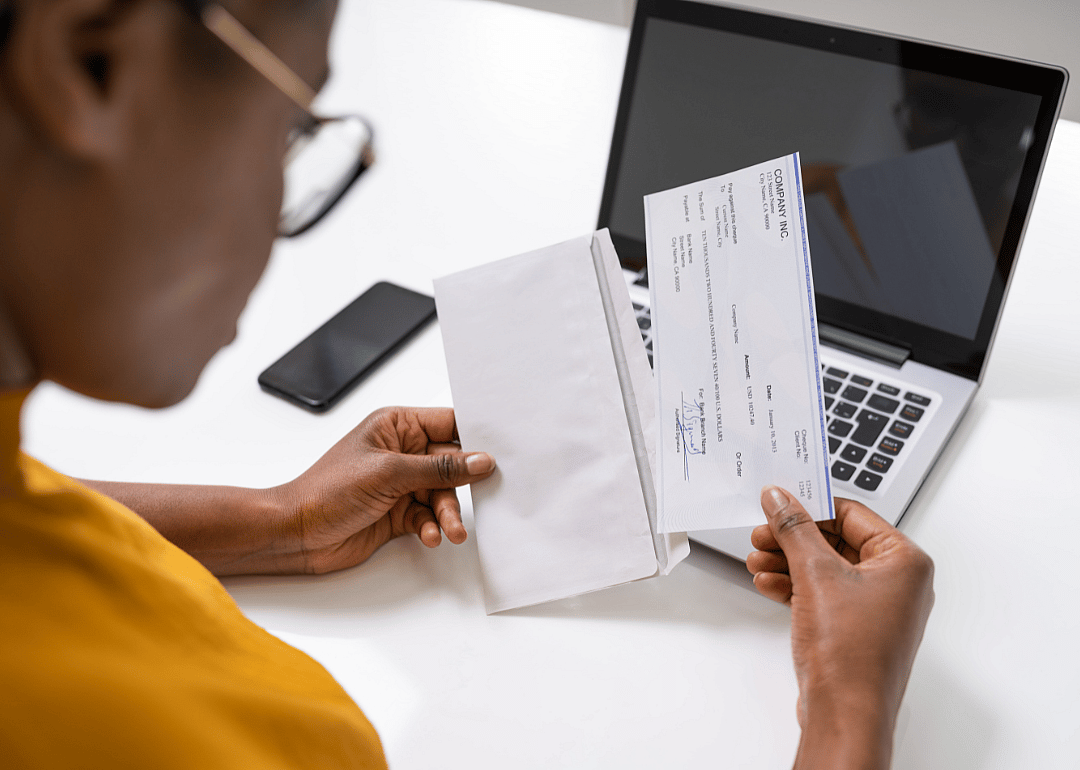
Raising the minimum wage—the U.S. average living wage was $24 an hour in 2022—has been a key method over the past 10 years for companies seeking to improve productivity rates.
While several states and Washington D.C. have increased their minimum wage in recent years, the federal minimum wage has remained at $7.25 per hour since 2009. Over roughly that same time, from 2007 to 2021, the Bureau of Labor Statistics found that workers' productivity increased by an average of 1.4% a year.
"Nationally, labor productivity grew slightly faster than compensation," the BLS reported. So while pay didn't always increase accordingly, workers were more productive. But companies, especially at a time of record corporate profits, have an opportunity to do better, by surprising workers with raises.
A 2018 report from Harvard Business Review said that "research … has found that when a company gives unexpected pay increases, workers often reciprocate [the gesture] by working harder than is required (even if they don't worry about getting fired)."
Part of the research includes a 2016 Management Science study that notes "unexpected gifts" generate a worker's reciprocity to their company and motivates them to stay at a good-paying job—as long as those higher-paying jobs keep paying more than their competitors.