Polston Tax
1 / 2Changes to the Tax Cuts and Job Act
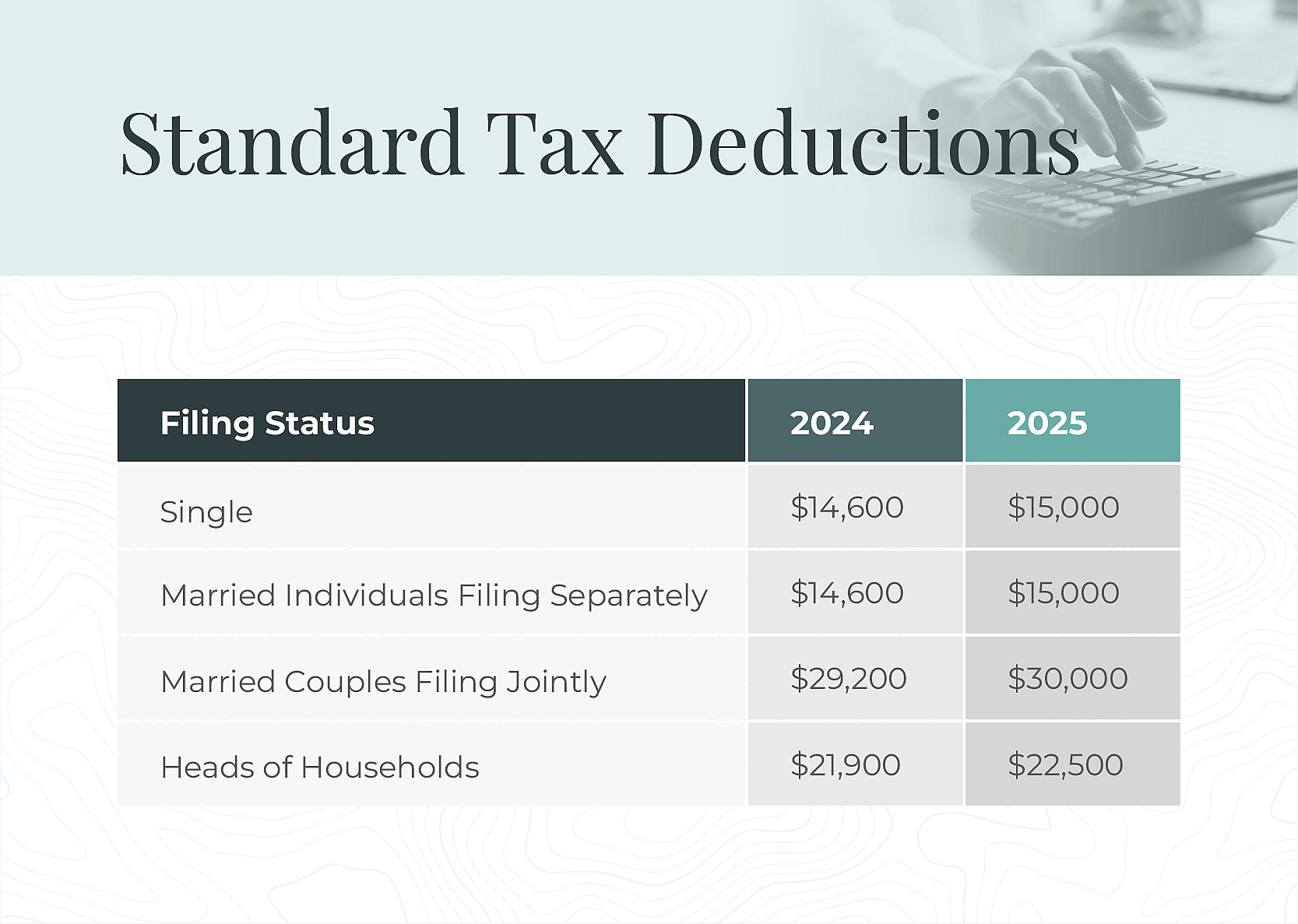
The Tax Cuts and Job Act was passed in late 2017 and reformed both individual and corporate tax rates in America. Some examples of its impact include a standard deduction and reduced taxes for individuals and companies. When the TCJA was passed, many of its provisions were set to expire at the end of 2025—a date that's rapidly approaching.
Unless these provisions are extended, the tax landscape could look very different in 2026. While some of the provisions will sunset in 2026, others will expire in 2027 or 2028. Most of the sunsetting provisions will affect individual taxes, but some of them also impact American companies.
Examples of TCJA provisions that are expiring soon include:
- QBI deduction
- Bonus depreciation of 60% in 2024
- Higher expense limits for Section 179
- Pass-through deduction of 20% for qualified business income
Trump has already discussed extending some of these provisions so businesses won't be impacted by higher taxes when TCJA provisions expire. While it seems likely that this will happen, it hasn't been decided for certain. While companies wait to see upcoming tax law changes, it's wise to plan for higher tax rates.
SECURE Act 2.0 Provisions
The original SECURE Act of 2019 was passed to reform retirement savings rules. Some of its provisions included a higher age for required minimum distributions and a requirement that most people inheriting an IRA must withdraw the entire amount within 10 years. The SECURE Act 2.0 passed in 2022 and included further tax law updates, such as:
- If an employer starts a new 401(k) plan, they must automatically enroll employees with a contribution rate of at least 3%.
- Catch-up contribution limits for employees between 60 and 63 years old have increased to $10,000 for 401(k) plans.
- In cases of natural disasters or emergencies, penalties for early withdrawal from retirement accounts are eliminated.
Like SECURE 1.0, the goal of SECURE 2.0 is to help Americans prepare for retirement and manage funds in their later years. Many of these updates impact company policies for retirement accounts like 401(k) and 403(b) plans, so you should talk to a tax professional to understand how these tax laws can affect your company's finances.
401(k) and Roth IRA Changes
Many self-employed individuals use a 401(k) or Roth IRA account to save funds for retirement. If you have employees, they'll have similar accounts for their retirement funds. Tax law changes impact how much you can contribute to these accounts each year.
Here are a few updates to be aware of when it comes to retirement account planning:
- Contribution limits have increased to $23,500 for employee 401(k) and 403(b) accounts.
- Employers can now offer Roth matching contributions for 401(k) accounts.
- Employers must now allow part-time, eligible employees to contribute to retirement plans.
- Per SECURE Act 2.0, new 401(k) plans automatically enroll employees at a minimum contribution rate.
Updated requirements for retirement plans in 2025 allow employees and employers to benefit from increased savings and reduced taxes. The goal of recent legislation like the SECURE Act 2.0 is to make retirement more accessible and affordable for Americans, increasing peace of mind by making saving easier.
Tax Changes Impacting Construction and Energy
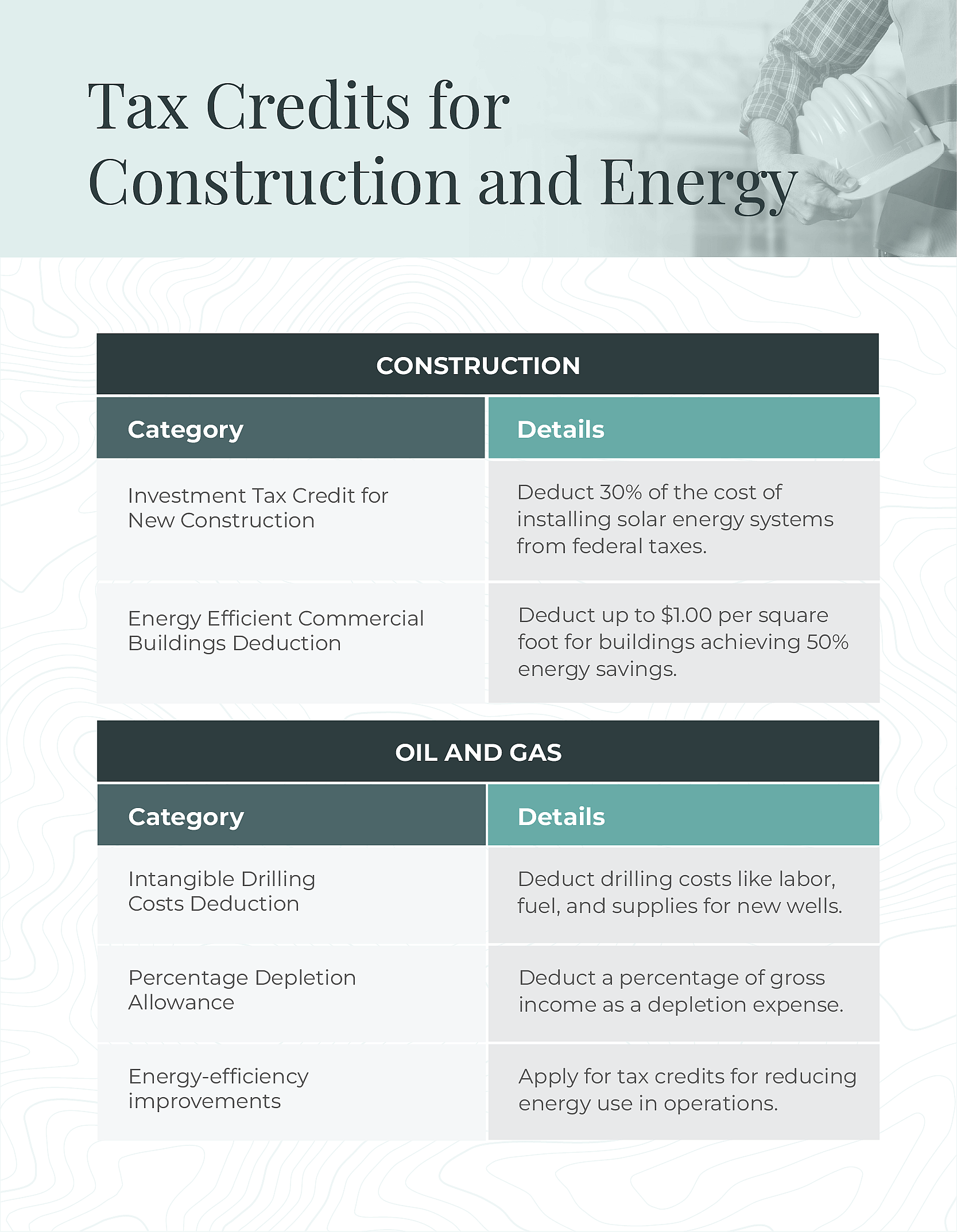
If you're a business owner in energy or construction, there are specific tax credits and deductions you should know about in 2025. If you meet the criteria, you could be eligible for multiple business deductions and considerable tax savings over the year.