Top Nutrition Coaching
1 / 2The largest jump in food prices in decades hits grocery spending
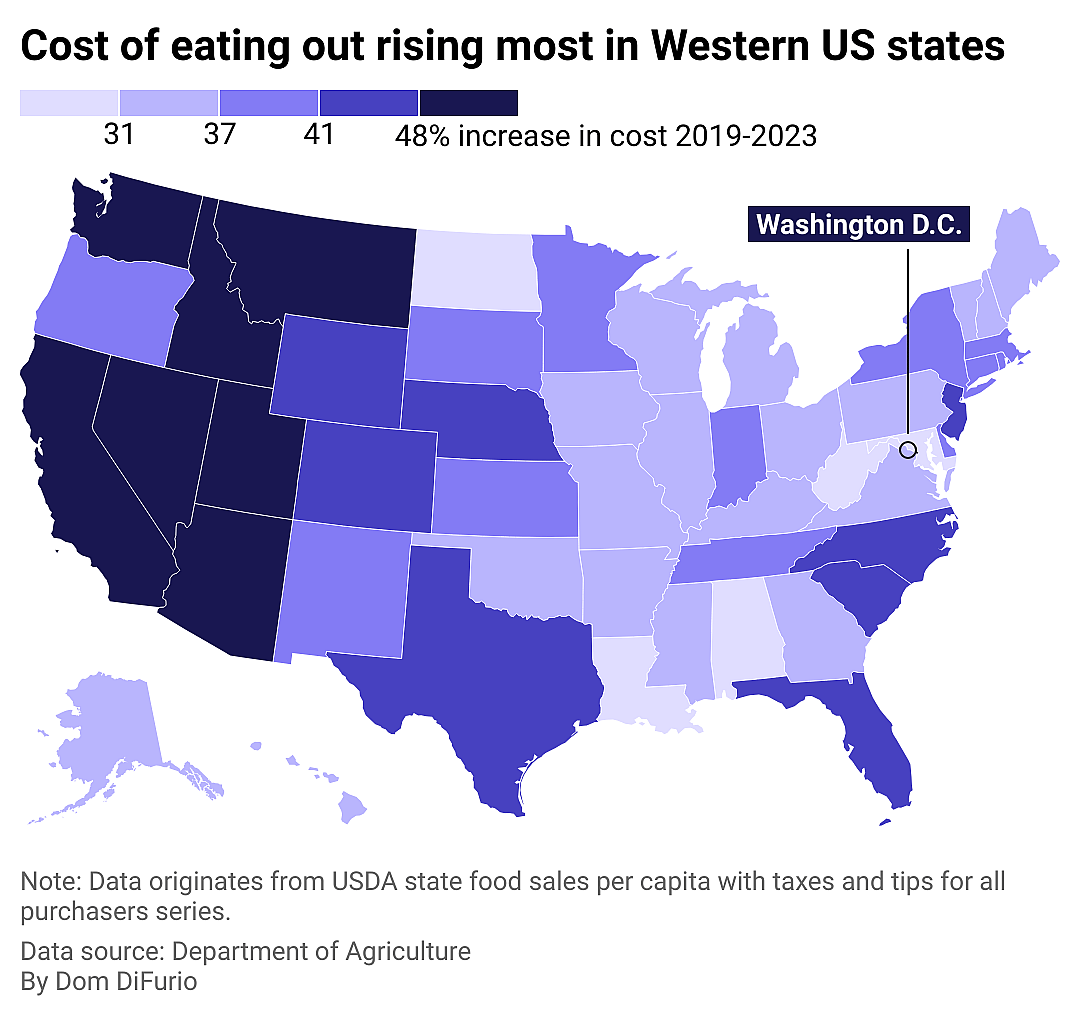
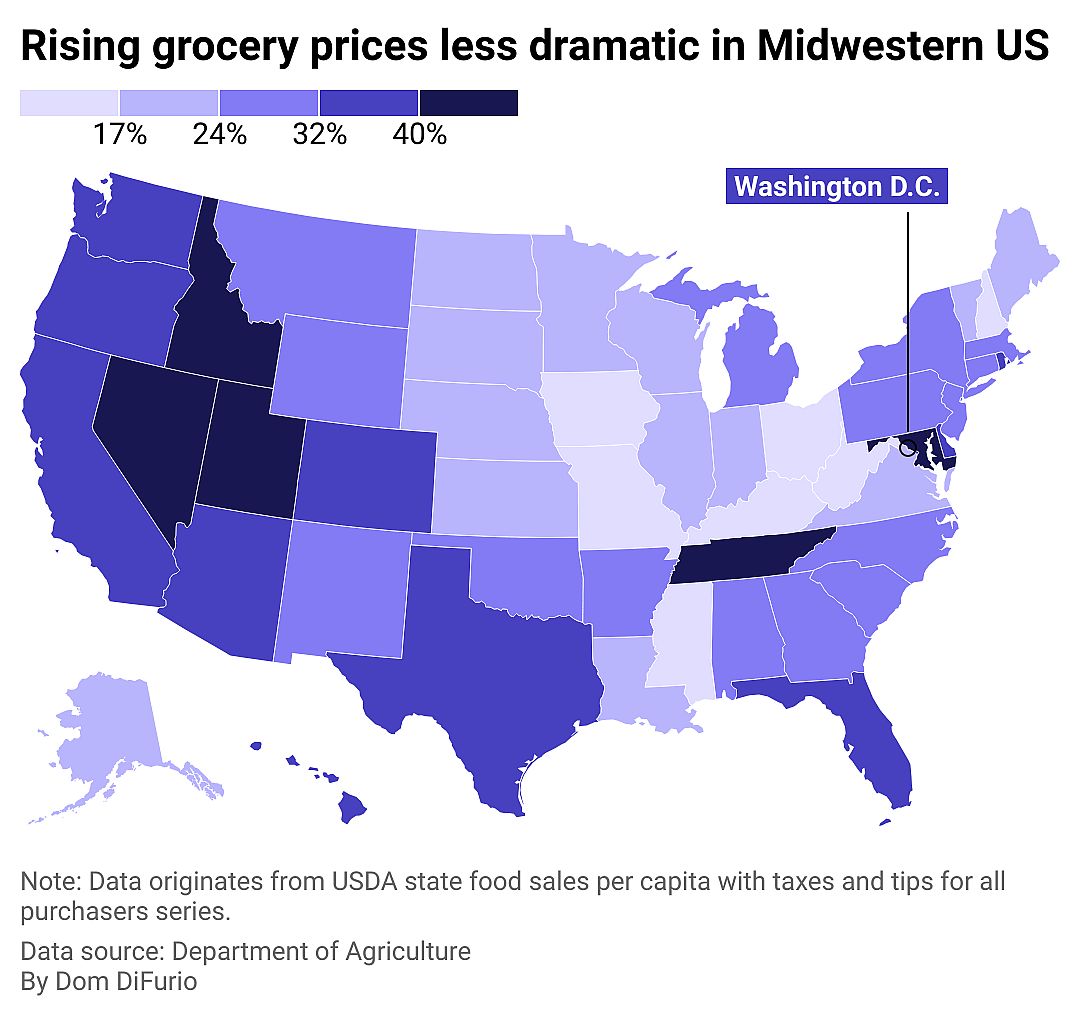
Utah, Nevada, Tennessee, Idaho, Maryland, Florida, and California have seen the largest increases in food spending on groceries since before the pandemic. By and large, Midwestern states have experienced the least extreme increases in per-person spending, reflecting less dramatic price increases. The so-called Corn Belt states may have seen less of the price pressure as states further from agricultural production, where higher gas prices and labor costs factored heavily into inflationary pressures of the last few years.
So far in 2024, encouraging trends in grocery store prices could spell relief for consumers. Price hikes have begun to moderate in recent months as consumers have stopped buying as much food as they were in recent years.
However, slowly rising prices do not mean prices will come down significantly—something that rarely happens at a broad level even if prices on specific items decrease somewhat. Growing evidence suggests the new normal is taking a toll on American households.
A recent survey from Intuit Credit Karma suggests that more than 1 in 4 households are skipping meals occasionally because of rising food costs. And 1 in 3 report that those rising prices are part of what's pushing their essential living expenses to 60% or more of their incomes. Families also report making compromises in order to make food costs fit their budget, with roughly a quarter reporting they've settled for buying unhealthy food because it's more affordable.