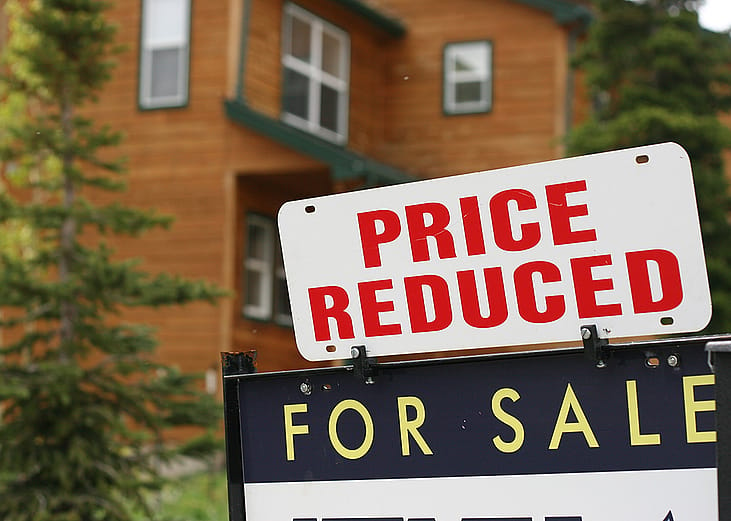
Broadly speaking, consumer expenditures cost roughly 25% to 30% more than they did five years ago, with the basics experiencing the biggest cost increases: Housing, food and energy have increased more than other categories since 2019, albeit slightly.
The Little Purchases That Make Big Impressions
That's partly because volatile components like eggs and gasoline—the same items central bankers find so distracting when deciding interest rate policy—are the prices consumers may see multiple times per week, as opposed to goods bought less frequently, if at all. Not everyone needs lawn care equipment and supplies, but food is a universal expense.
Furthermore, these items with larger price swings make up more than one-fifth of a typical consumer basket, according to Bureau of Labor Statistics weightings. Food is 14% in 2024, while energy costs make up 7% of a typical consumer's overall spending.
Particular items in the food and energy baskets feature prominently among the consumer goods or services that increased the most in price over the past five years, just as the category leads. Of the more than 200 items the Bureau of Labor Statistics tracks the prices of every month, these are the 10 that increased the most.
Note: In the table below, "relative importance" measures how consumers react to changes in an item's price. Most consumers, for instance, probably wouldn't change how much oregano they buy, even if prices doubled. They may change their habits if it were gasoline, however.