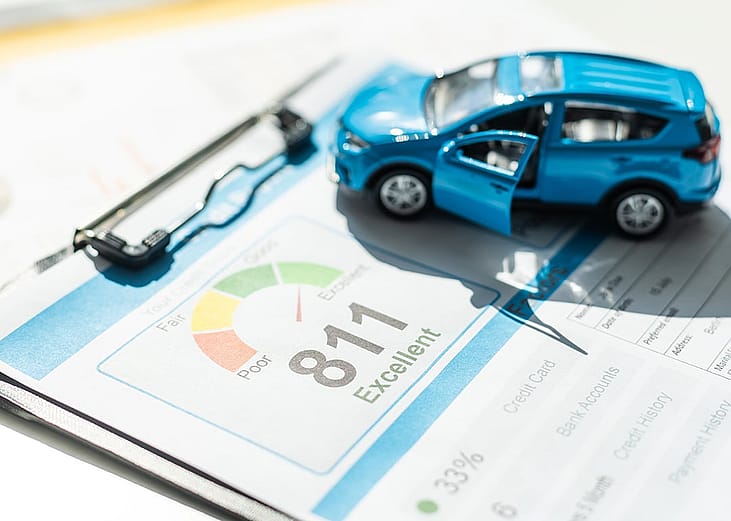
The fact is that, even in states with regulations, getting car insurance with poor credit can be incredibly difficult. Fortunately, there are some measures consumers can take to find cheaper car insurance rates:
Shop around.
Compare quotes with the same coverage, limits and deductibles from at least three auto insurance companies every six months. While this process can be time-consuming, it helps ensure you get the most competitive rates available for your driver profile.
Find the cheapest coverage for your car's make and model.
Each vehicle type has different repair costs, safety features and other factors that can affect your total auto insurance premium. Comparing quotes from various providers to find the cheapest auto insurance company for your car's make and model could help you save significantly on your premiums.
Consider telematics.
If you practice safe driving habits, another potential savings solution is telematics insurance, which rewards drivers for being safe behind the wheel.
Reexamine your insurance coverages.
If your current auto insurance policy includes more than your state's minimum required car insurance limits, you might be able to get rid of unnecessary coverages or increase your deductible to lower your insurance premium.
Take steps to improve your credit score.
Increasing your credit score takes time and can be particularly difficult if you're already financially struggling; however, there are small steps you can take to improve your credit, even while experiencing poverty. These small improvements in your credit score can go a long way in decreasing your auto insurance premiums. MoneyGeek found that improving your credit score by as little as 51 points can have an impressive impact on your rates, potentially lowering your premium by $527 per year.
When possible, keeping low balances on credit cards, ensuring there are no errors on your credit report and utilizing older accounts — rather than opening new ones — are just a few things you can do to improve your credit score. It may also be helpful to seek free credit counseling and financial education from nonprofits that belong to the Financial Counseling Association of America or the National Foundation for Credit Counseling.