Al Seib / Los Angeles Times // Getty Images
1 / 10#10. Service orientation
Service orientation means being able to help others and wanting to serve them, being aware of the specific needs that students have, and responding to those needs.
There are many strategies teachers can use to meet their students' needs, such as collaborating with colleagues so that all teachers sync with each student's individualized education plan. If a child has a learning disability, a school may provide the student with appropriate support in each class.
Another strategy is cultivating consistency by using methods such as reviewing information from the last lesson in the current lesson and using the same procedures and policies across classes.
Additionally, teachers should develop a student-centered mindset by knowing about all the individual considerations each student needs and trying to understand why a student is struggling to help them. Teachers should also have a set time to focus on pedagogical skills, draw on the expertise of other professionals, and partner with students' families to make learning a holistic process that offers a consistent message at school and home.
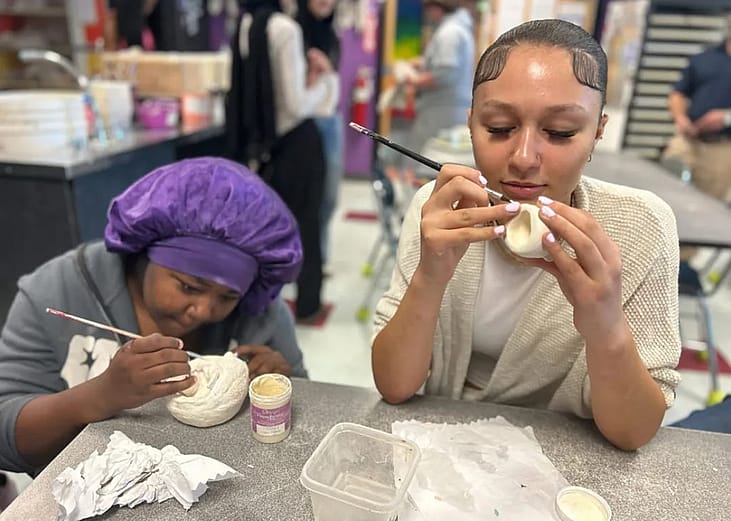
A good teacher should also respond to their students' needs creatively. Every student has different needs, and a good teacher should be able to serve all of them in different ways. For example, a teacher can employ a variety of entry points for student exploration, some of which include narrational (presenting a topic as a story), experiential (as in, hands-on), and aesthetic (focusing on sensory features).