Midnight Studio TH // Shutterstock
1 / 2AI's promises and challenges
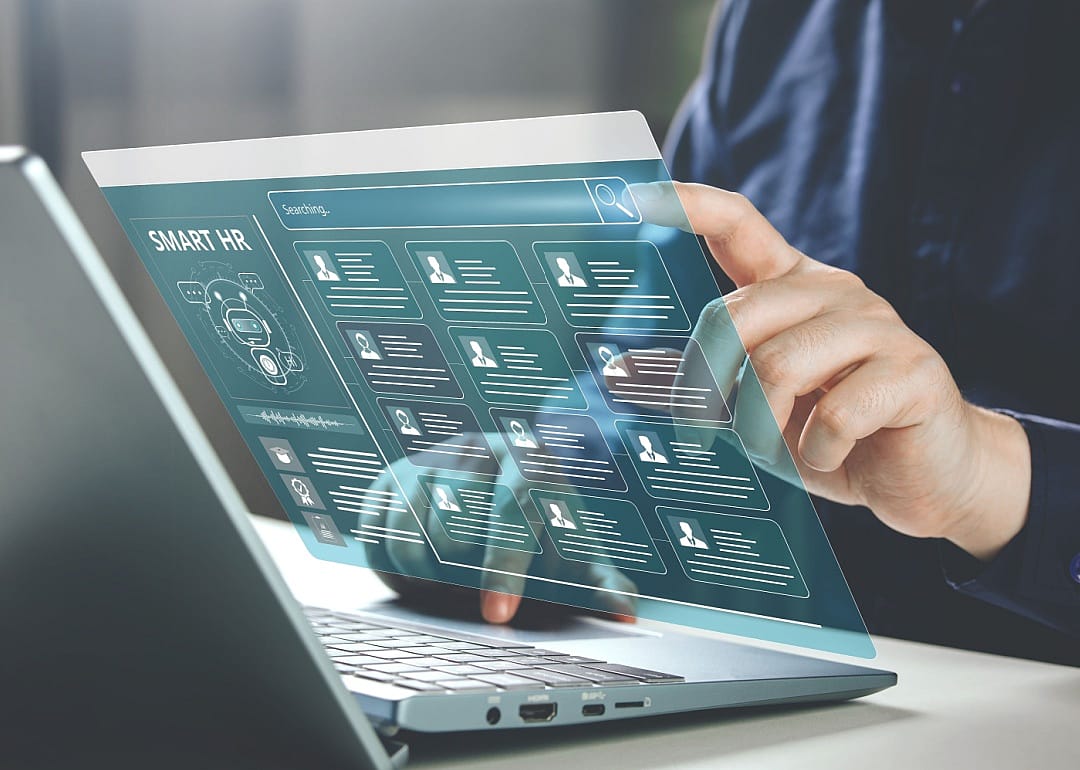
For many companies, AI has dramatically transformed the hiring process. At Genesis10, a New York City-based HR staffing firm, AI-powered chatbots prescreen résumés, filtering out unqualified candidates. "This not only expedites the hiring process but also improves the overall experience," Genesis10 CEO Harley Lippman told SHRM in a 2024 interview.
Similarly, at Integrity Staffing Solutions, AI helps generate job descriptions, leaving the rest of the hiring process to human recruiters. "We view AI as an invaluable tool rather than a substitute for human interaction," said Ellen Kuntzmann, the company's director of talent acquisition in Newark, Delaware.
In a 2024 McKinsey article, thought leaders examined how AI technologies are transforming HR and found that these tools relieved professionals up to 70% of their administrative tasks. From AI-driven chatbots that deliver individualized learning plans to management platforms that collect performance ratings and 360-degree feedback, such automation allows HR representatives to focus on strategic, human-centric work.
Despite its benefits, AI comes with risks that could undermine critical HR functions and values. SHRM's survey revealed that only 7% of companies use AI for tasks like prescreening interviews, which could reflect concerns over bias, data privacy, and a lack of empathy in automated systems. Without human oversight, systems may inadvertently harm both candidates and employees.
Potential employees, too, remain apprehensive about using AI in HR, viewing it as a detached system that may elide the depth of their skills and career histories. Many worry that algorithms reject their résumés before they reach a human decision-maker, missing out on professional qualities or experiences that do not fit rigid metrics.
Computerworld reports that AI tools are increasingly used to rank employee performance, recommend training, and even suggest terminations. However, these tools are criticized for eliminating qualified candidates or unfairly flagging employees for dismissal, particularly in low-wage jobs. To counter these challenges, some companies have started manually reviewing résumés rejected by AI to ensure automation is vetted by human oversight.
Cabral emphasized the risks of unchecked AI. "What is [AI] learning from?" Cabral asked, adding that there are already systems in place that don't work optimally and reinforce inequities. "What's teaching it to be better?"
Conclusions are mixed about AI's ability to reduce or eliminate existing biases, with some studies indicating it further entrenches them. Adding to these concerns, almost all (95%) HR leaders surveyed by Eightfold AI in 2022 said they use AI to support diversity, equity, and inclusion efforts. However, only 26% employ anonymous résumé reviews to reduce bias, indicating a gap between intention and execution. What's more, SHRM's survey found that 2 in 3 organizations that bought AI tools from vendors said they were somewhat transparent or not transparent at all about the steps taken to eliminate bias and discrimination.