Tomohiro Ohsumi // The Hechinger Report
1 / 7What's happening in Japan offers lessons for the US
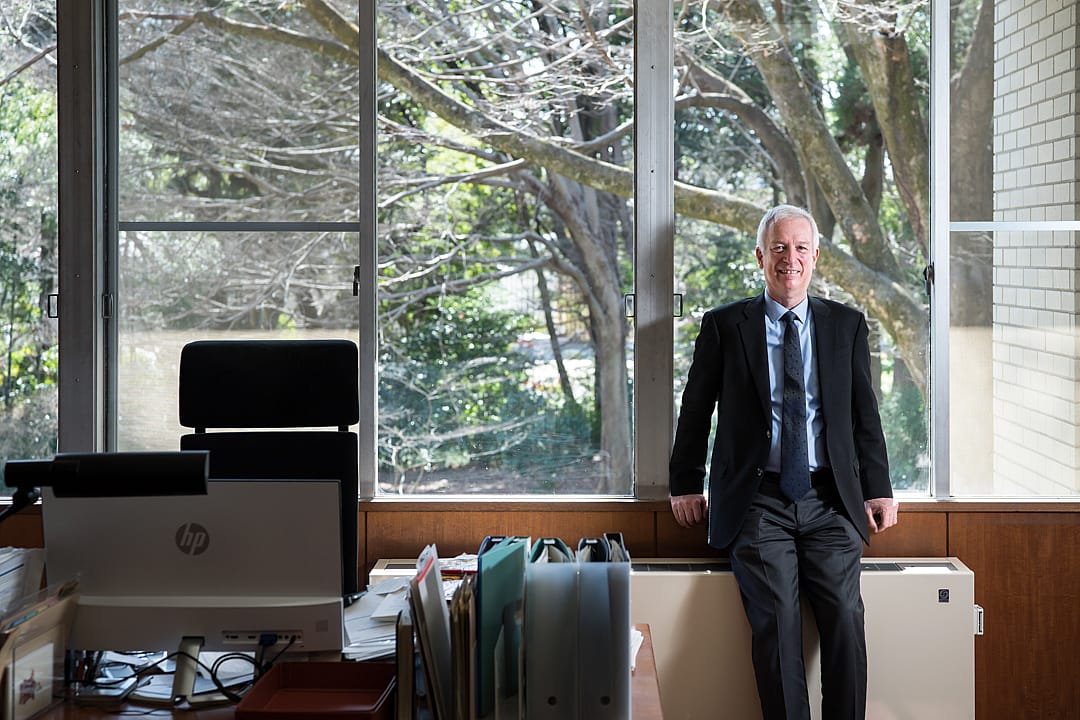
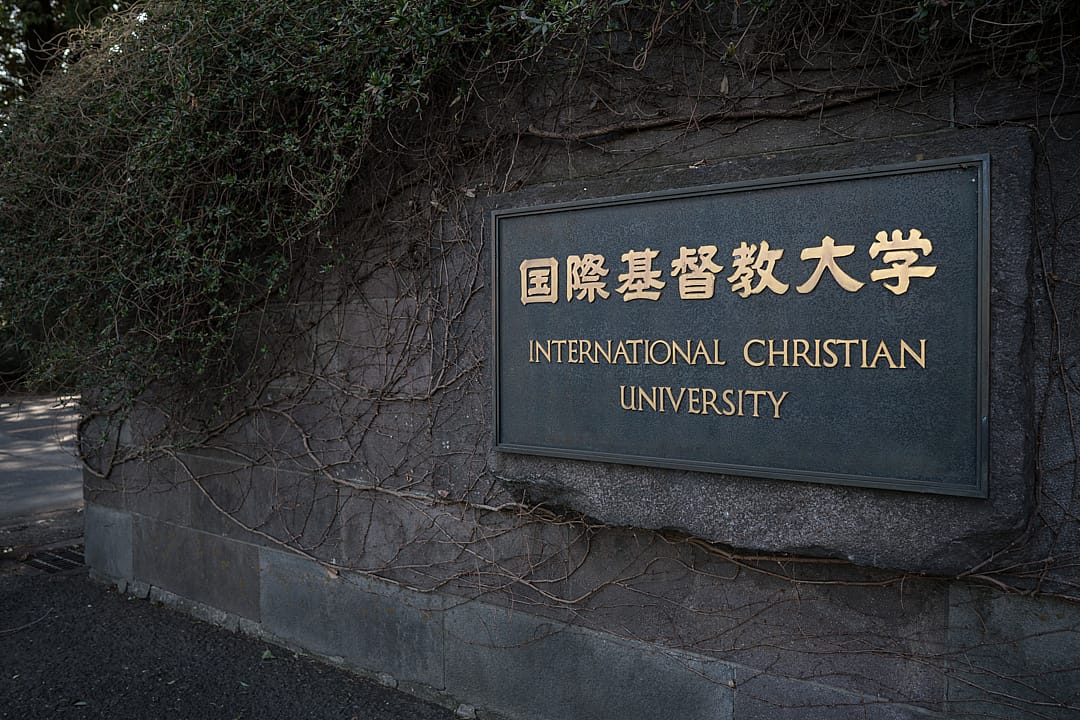
What's happening in Japan can offer "clues and implications" for U.S. policymakers and employers and for universities and colleges already beginning to contend with their own steep drops in enrollment, said Yushi Inaba, a senior associate professor of management at International Christian University, or ICU, who has studied the phenomenon.
The most significant of those implications, based on the Japanese experience: a weakening of economic competitiveness at a time when international rivals such as China are increasing the proportions of their populations with degrees.
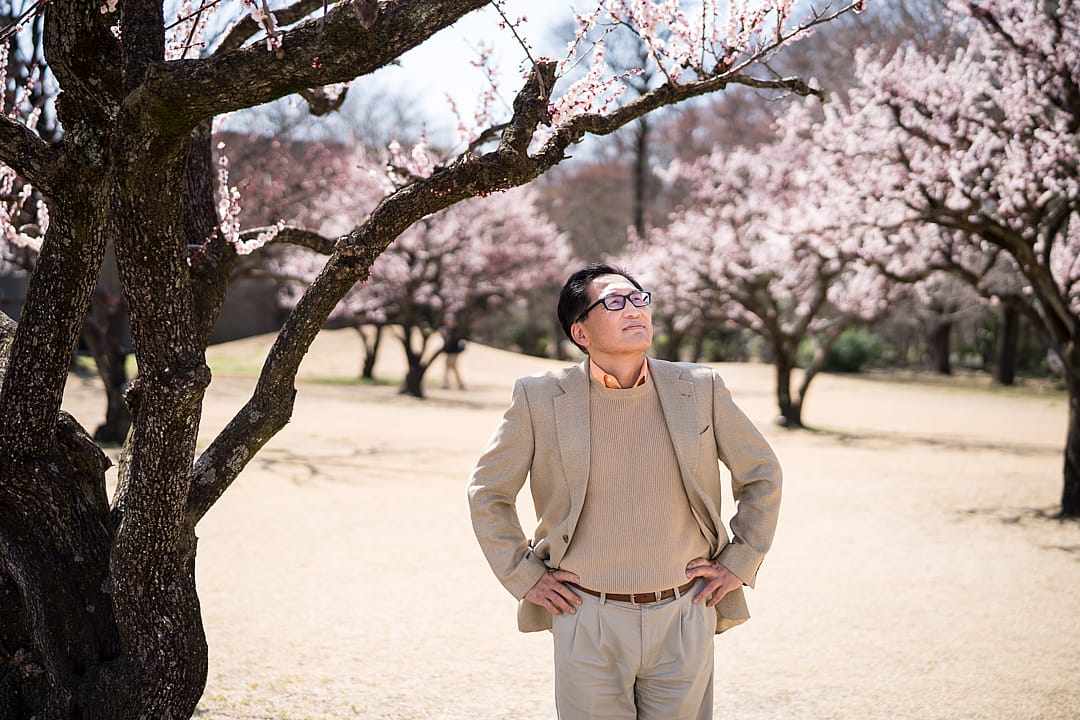
"Policymakers and industry leaders are really facing a sense of crisis," said Akiyoshi Yonezawa, professor and vice-director of the International Strategy Office at Tohoku University in Sendai, who has studied the economic ramifications of the decline in Japan of people of university age.
The onset in the 1990s of "shoushikoureika," or the aging of Japan's population, coincided with the start of a recession here that the Japanese call "the lost 30 years." Now the International Monetary Fund, or IMF, projects that under current demographic trends, the Japanese gross domestic product will continue to decline in each of the next 40 years.
To help drive growth, some Japanese businesses are moving operations abroad and recruiting university-educated foreign workers, another study, by Yonezawa, found.
That's not only because of the population decline; it's also a result of Japanese universities significantly lowering their standards to fill seats. Where the average proportion of applicants accepted in 1991 was six in 10, Japanese universities today take more than nine out of 10, the education ministry says.
"It's easier to enter, easier to graduate," said Yonezawa. "There are doubts that students really get the necessary skills and knowledge."
Even with declining selectivity, more than 40 percent of private universities here — there are 603, along with 179 publics — aren't filling their government-allocated enrollment quotas.
After a decades-long head start, Japan is also something of a laboratory for solutions to the problem of falling numbers of university students — though the results so far suggest that there are limits to how much can be done to fix this problem.
Japan's population of 126 million is projected to shrink by more than a quarter in the next 40 years, according to the IMF.
While the numbers in the United States aren't as dire, they are headed in the same direction, and with increasing speed.
The U.S. birthrate — the number of live births per 1,000 women — has been falling steadily, the National Center for Health Statistics reports. The total number of births declined in nine of the 10 years of the 2010s and dropped even more sharply in 2020, before inching up by 1 percent in 2021, according to provisional estimates.
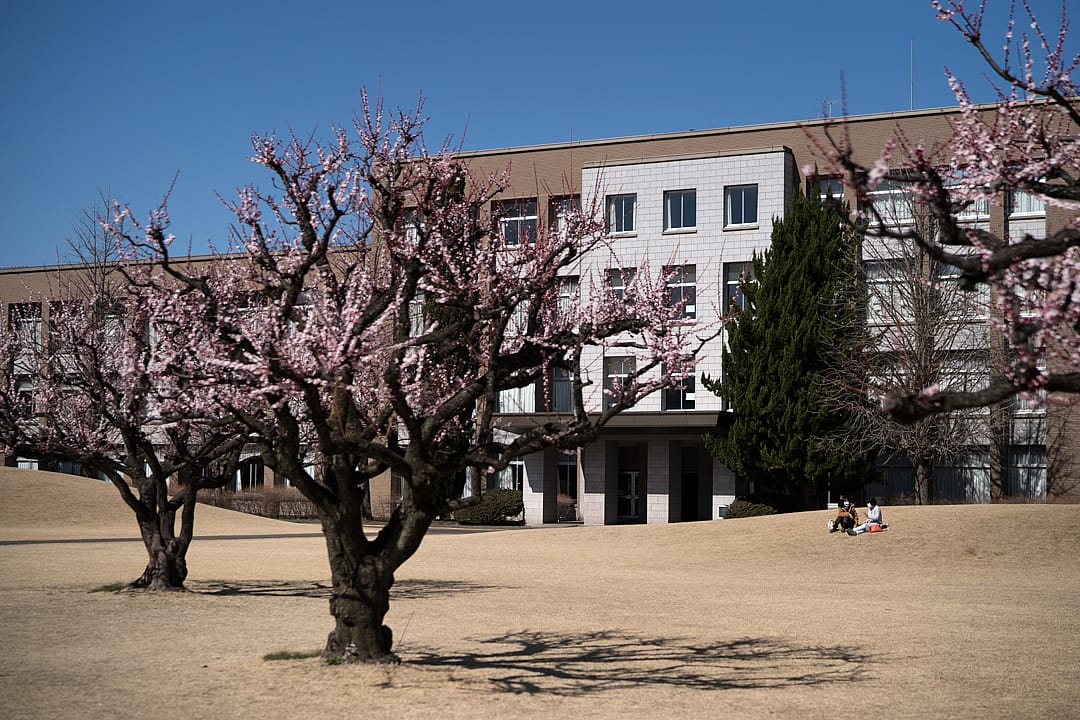
Image caption: University Hall, the main lecture building at International Christian University. Formerly part of the Nakajima Aircraft Company, the building houses classrooms and the Institute for Educational Research and Service.