National Parent Union // Amanda Geduld
1 / 3Making the grade
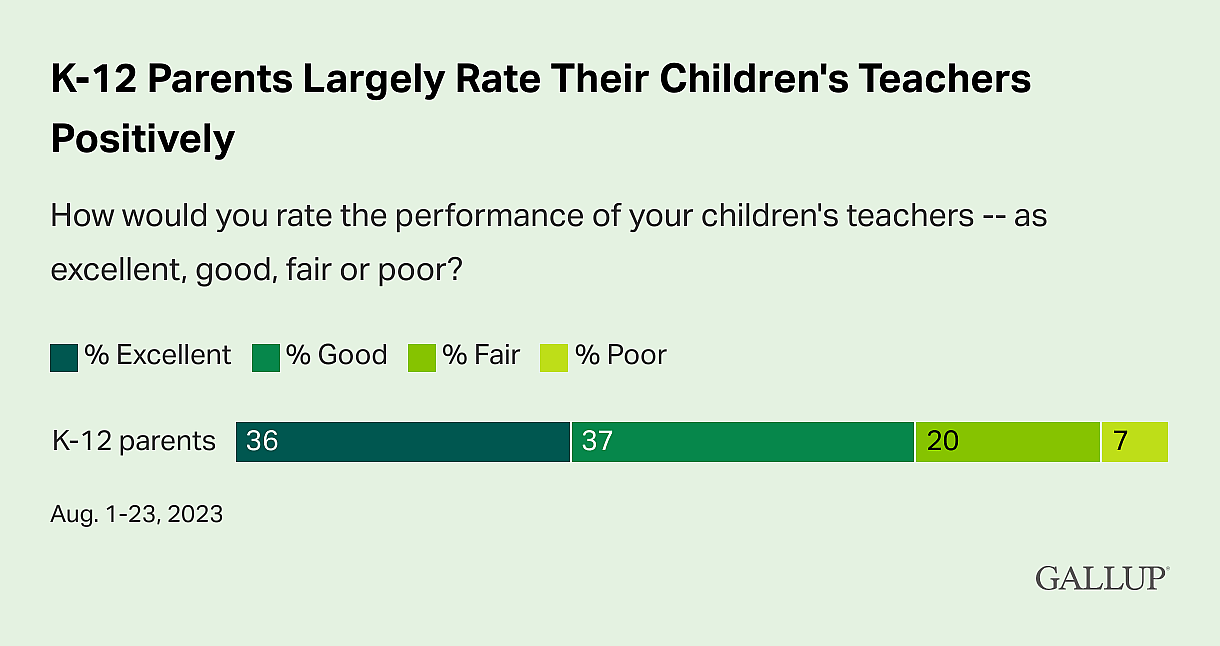
"We can point to the fact that parents still feel good about schools," said founding president and The 74 contributor Keri Rodrigues "[and] still feel good about teachers … There's a lot of bright spots around the fact that parents are still fully invested in public education and that — contrary to what we might be hearing from the voucher folks — that there's no fear of parents completely walking away from America's public education system and moving toward 'do-it-yourself' methods."
Vouchers, which let parents use taxpayer money to send their kids to private schools, have swept across multiple states in the last several years. At the same time, more parents are experimenting with alternative schooling methods, including homeschooling and microschools.
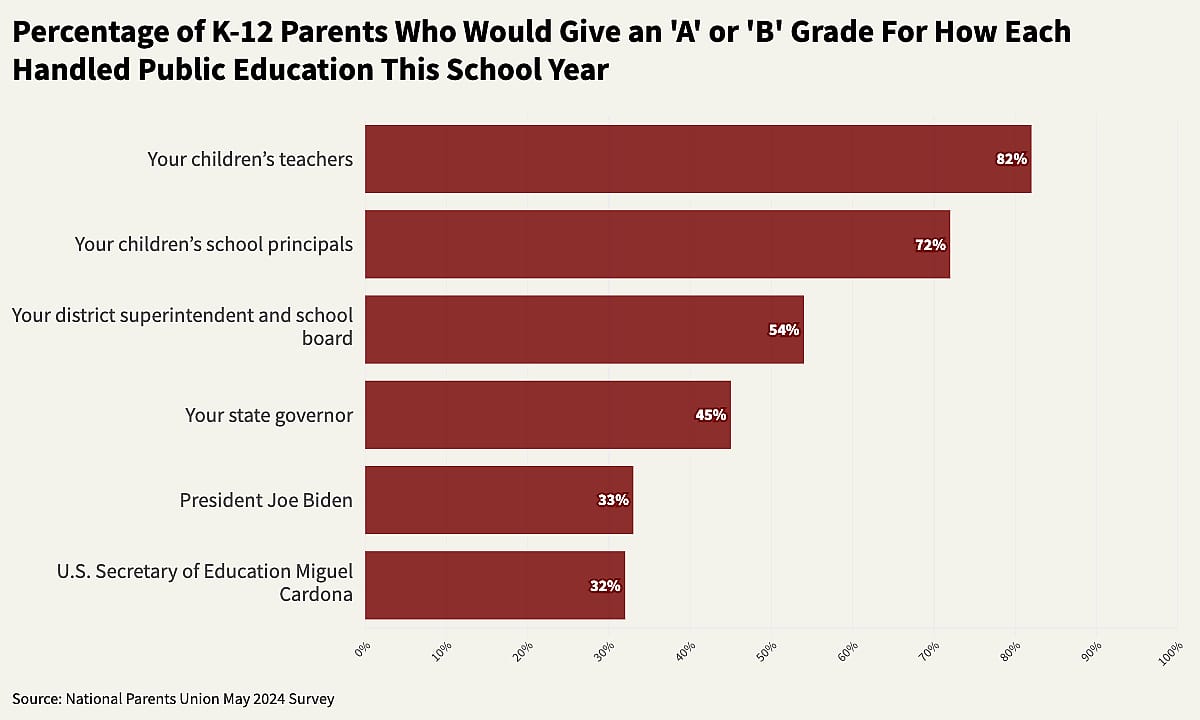
The majority of parents (72%) also expressed confidence in their kids' principals and schools for meeting overall expectations.
But, according to the survey — dubbed "The Parent Report Card" — as parents considered the outer echelons of the education system, their confidence began to wane. Just over half rated their superintendents and school boards favorably, a figure that continued to drop for state governors (45%), U.S. Secretary of Education Miguel Cardona (32%) and President Joe Biden (33%). That last number is lower than the president's overall 37% approval rating among respondents nationwide, according to a Reuters/Ipsos poll released June 28.
Rodrigues said this is evidence of the disconnect between families and those in power at the state and federal level.
"I always encourage [elected officials] to go back and listen to the people who are experiencing what is going on in classrooms: our young people," Rodrigues said. "If you have a problem with parent and family engagement, talk to the parents and families. They will tell you why they're not engaged. [You] need to do the work, too."
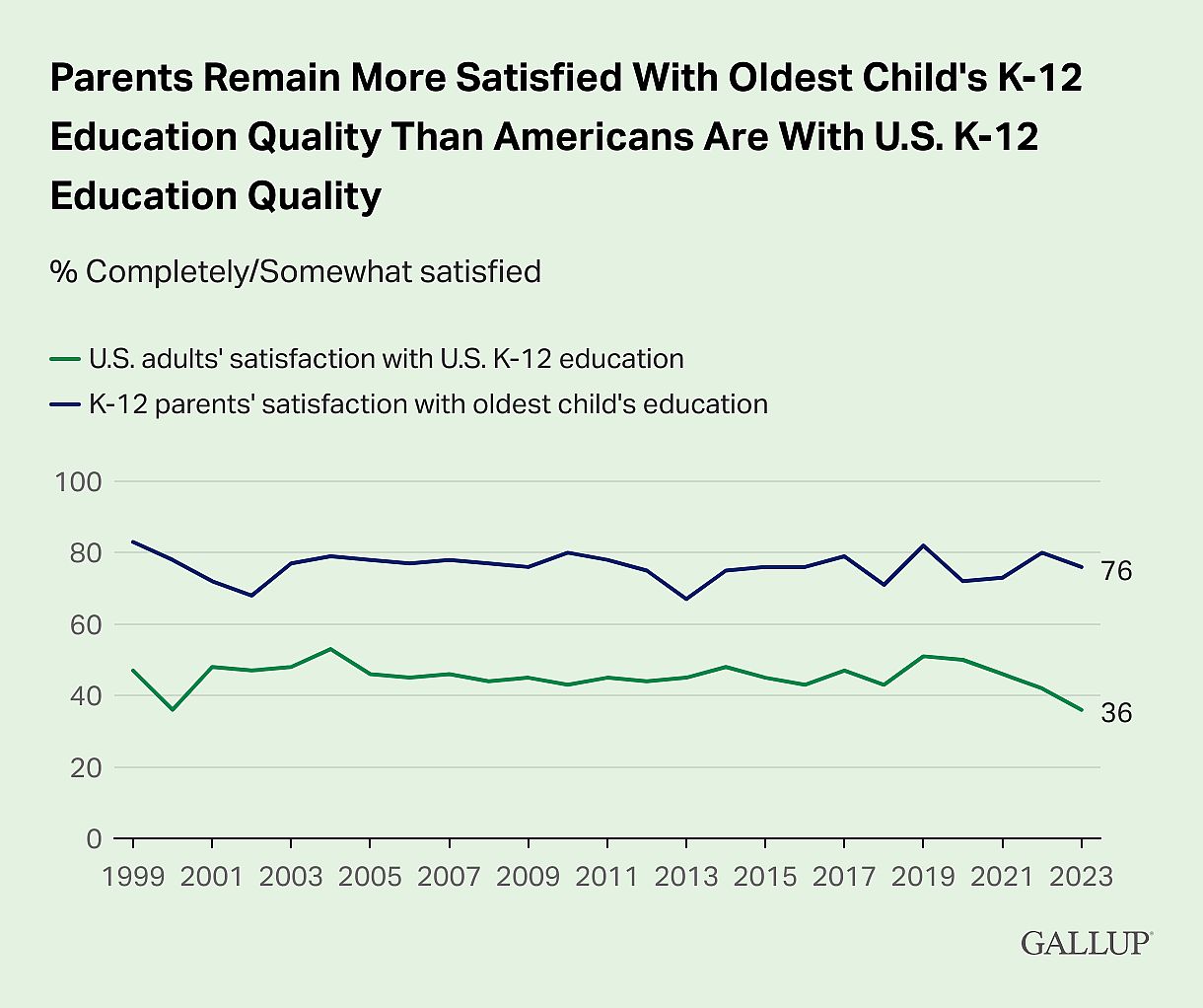
There has been a significant gap — averaging 31 percentage points — between parents' favorable views of their own child's education and Americans' more critical take on U.S. education at large since at least 1999, according to almost 25 years of Gallup polling. The most recent data from last year's survey saw the second-largest gap to date: 40 points, second only to the 42-point divide in 2000.