Jackie Mader/The Hechinger Report
1 / 5Learning from nature
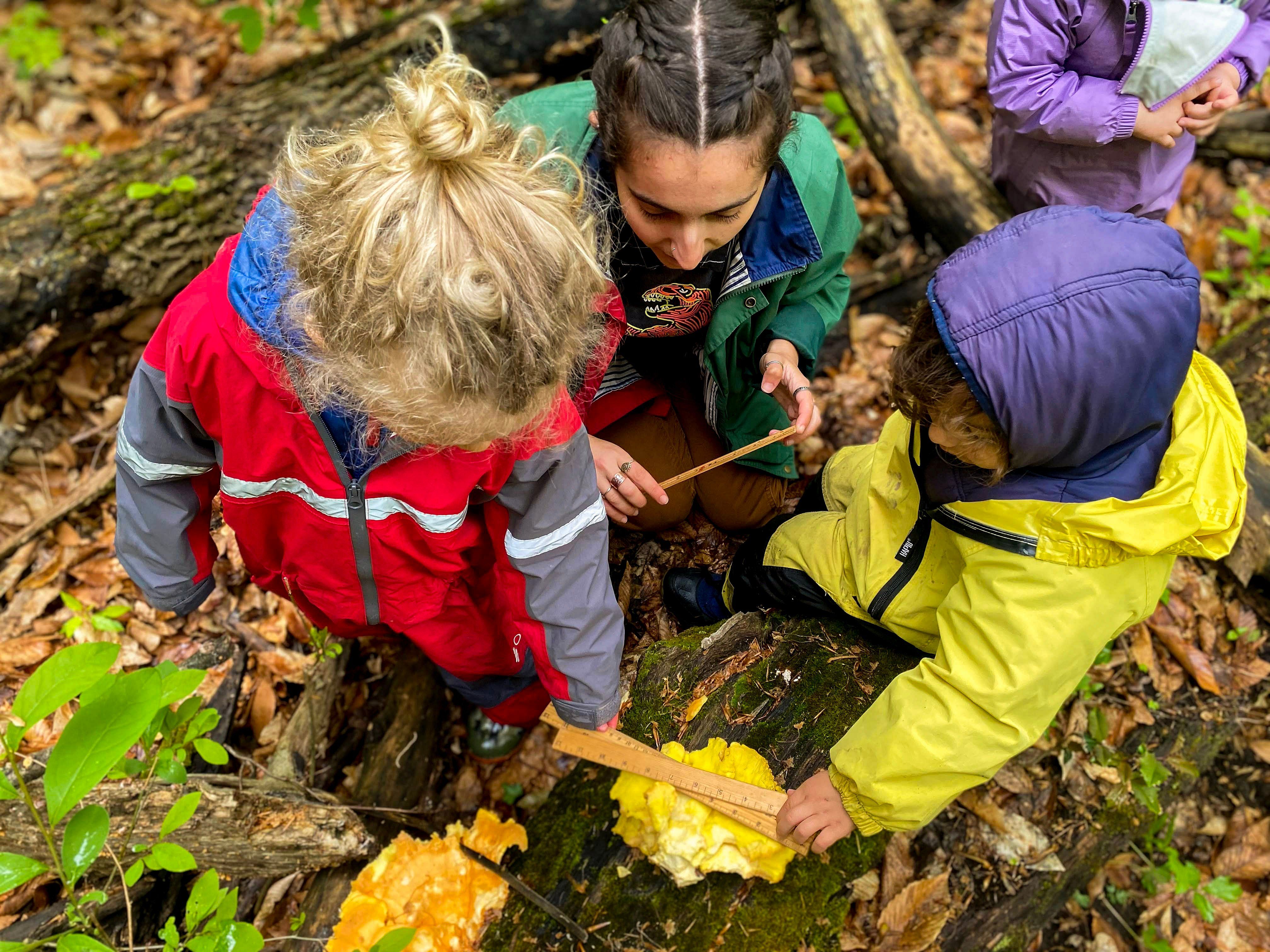
"I found a very old one once," a child said.
"I see black stuff," said another, crouching down to peer at specks on the mushroom.
"You can eat chicken of the woods but first you have to cook it," offered a third, sternly.
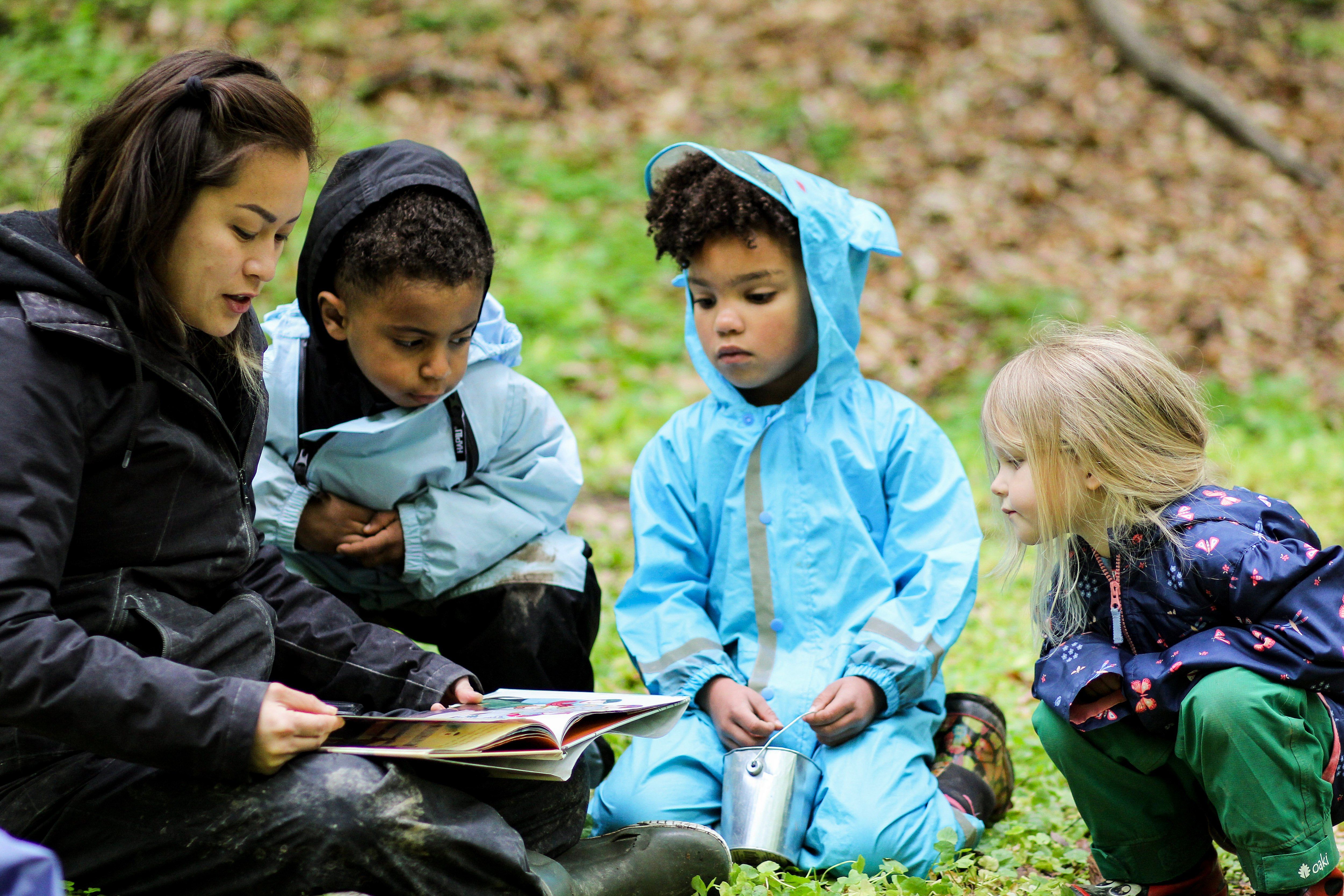
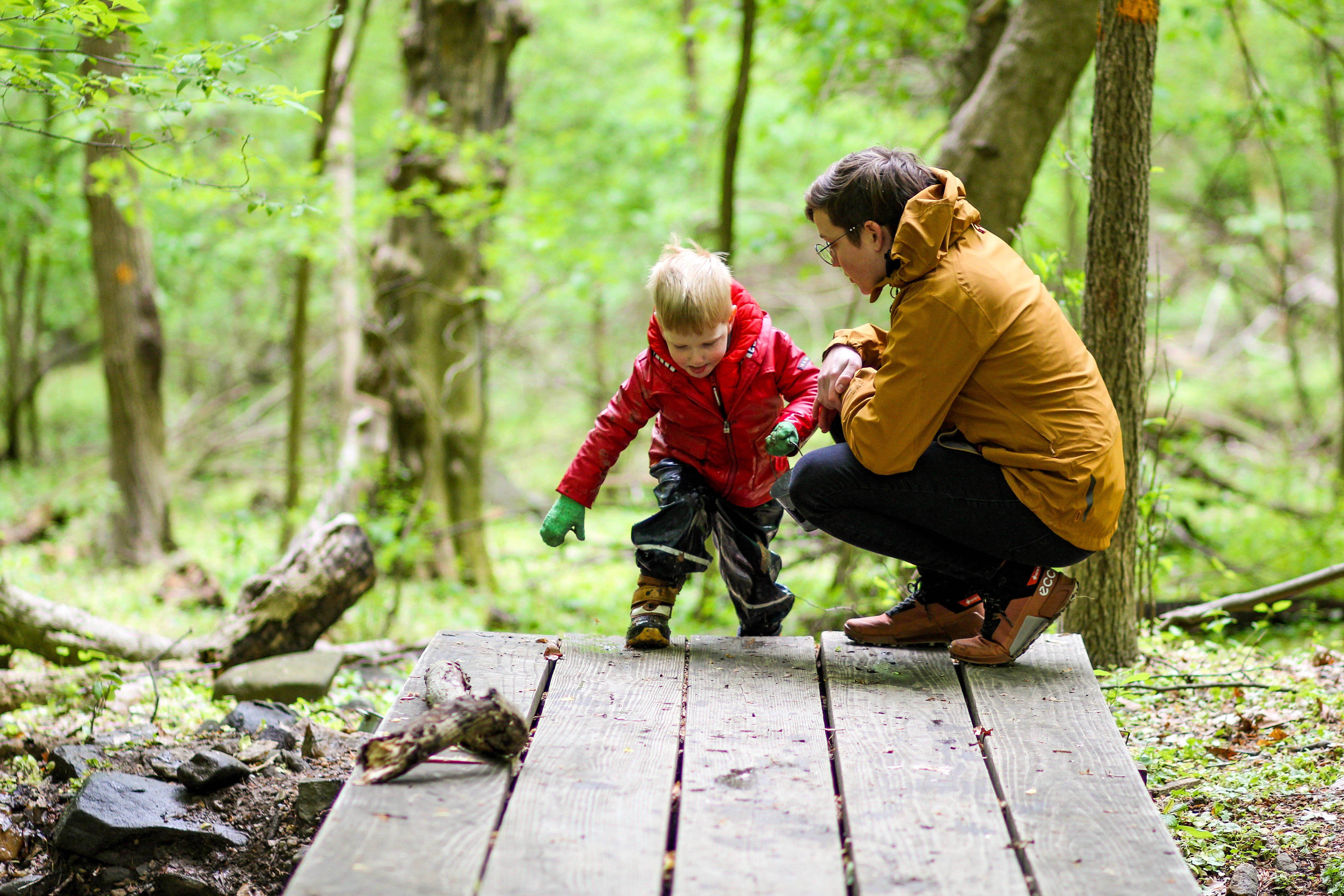
This outdoor approach to teaching preschool is gaining momentum nationwide. Long common in such countries as Denmark, Sweden and Germany, nature preschools and kindergartens have exploded in popularity in America over the past few years, growing from 250 in 2017 to more than 800 in 2022, based on a forthcoming report from the nonprofit Natural Start Alliance. In the past five years, five states have introduced legislation or established pilot programs to support outdoor learning as an alternative to traditional preschool and child care programs.
Experts and advocates say the naturalist approach can be especially beneficial to children after the pandemic. In these preschools, children spend most or all of their time outside. The natural settings are generally calm and quiet, lead to lower levels of stress and foster traits like resilience, leadership, problem-solving and perseverance, research shows.
The Hechinger Report finds that outdoor preschools are generally inaccessible to children of color. Only 7 percent of students in these preschools are of Hispanic, Latino or Spanish origin, and only 3 percent are Black, according to a 2017 report. Those numbers haven't budged, even as programs have proliferated.
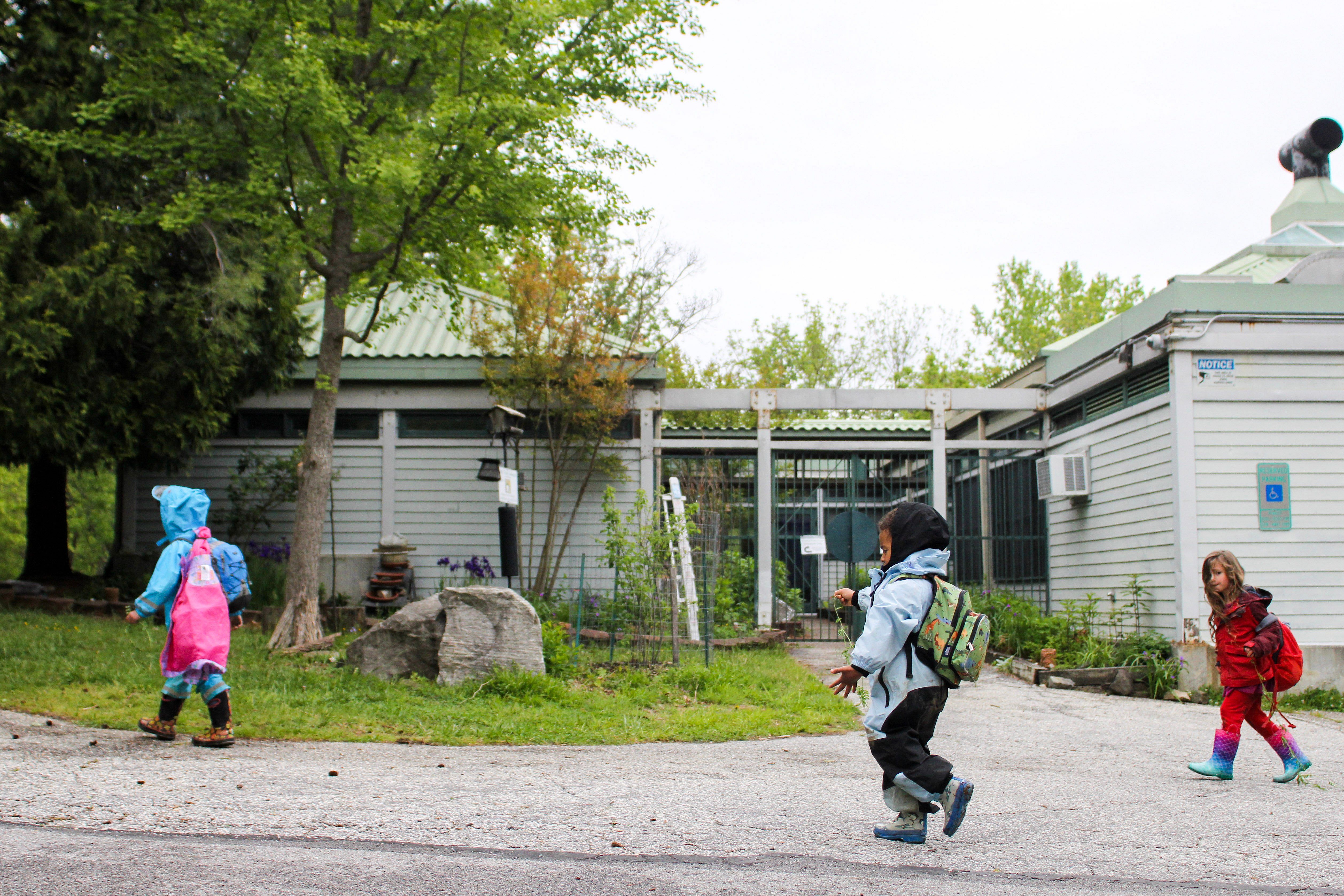
As it stands, most states make it difficult — if not impossible — for outdoor early learning programs that lack physical buildings and other amenities, such as handwashing stations, to get licensed. So, they are run as mostly private, half-day programs — drawing in children from higher-income families, most of whom are white. The Carrie Murray Nature Center's outdoor preschool in Baltimore is licensed and uses a park building for the times when children are napping, eating or need to use the bathroom. Program officials have advertised in local neighborhoods to try to improve diversity, but recruiting a diverse population is a challenge.
Unlicensed outdoor preschools are ineligible to accept state subsidies for low-income families, said Monica Wiedel-Lubinski, executive director of the Eastern Region Association of Forest and Nature Schools. "It just perpetuates that barrier for the most vulnerable kids and most vulnerable communities."