Amorn Suriyan // Shutterstock
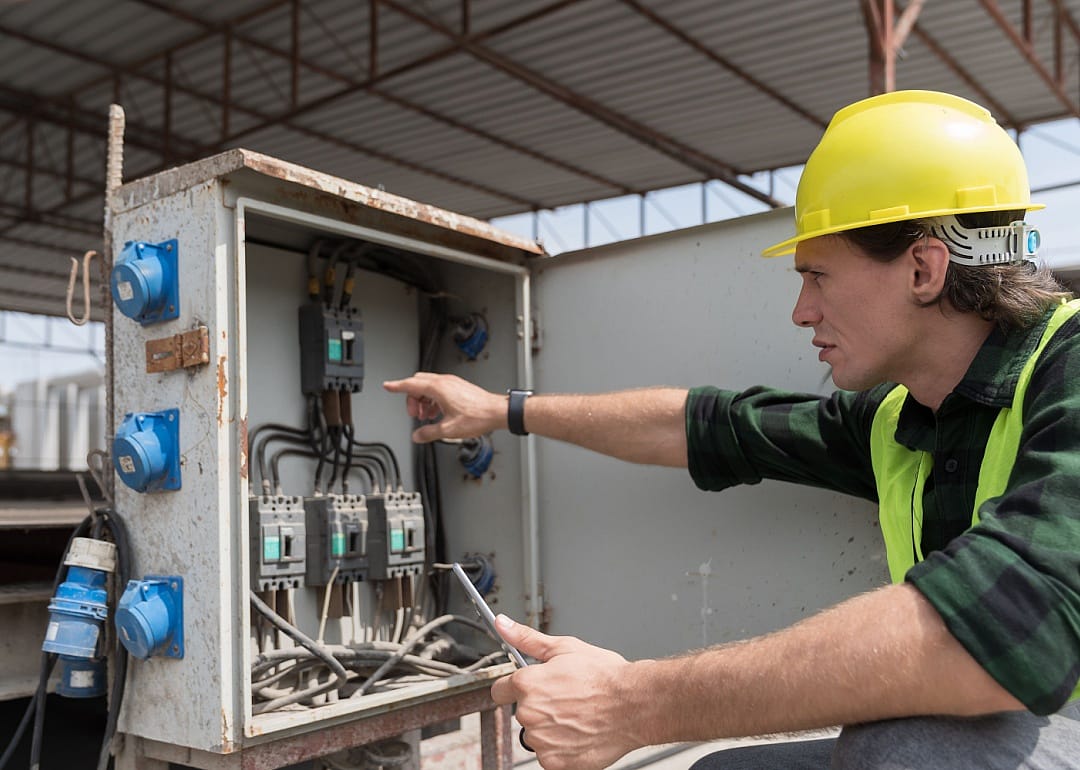
1 / 2The workforce lacks plumbers, carpenters, electricians, and other skilled laborers
In terms of the actual builders missing from the workforce, AGC's survey shows that contractors are struggling to fill roles for almost all craft positions—but particularly for cement masons, mechanics, plumbers, carpenters, electricians, and pipe fitters/welders. On the business side, they are having trouble hiring superintendents, project managers and supervisors, and estimating personnel. Most of these roles are projected to grow faster than average over the next decade, BLS projections show, so the current shortage will only be exacerbated when the need to fill future positions arises.
An aging American population is contributing to a worker shortage across industries, and construction is no exception. In addition, construction is heavily dependent on immigrant workers—and undocumented workers, in particular—so stricter immigration policies in recent years have contributed to the industry's shortage.
What's more, educators, policymakers, and some parents have pushed younger Americans to pursue four-year degrees rather than trade jobs in recent decades. The federal government spends nearly four times as much supporting traditional college degree programs than it does on workforce education and training for construction and related fields, according to a recent study by the Progressive Policy Institute and the Associated General Contractors of America. That marks an $83 billion difference in federal support between these two career pathways and translates to much less focus on trade occupations at the national level.