Alex Hackman
1 / 3A mission to revive local wetlands
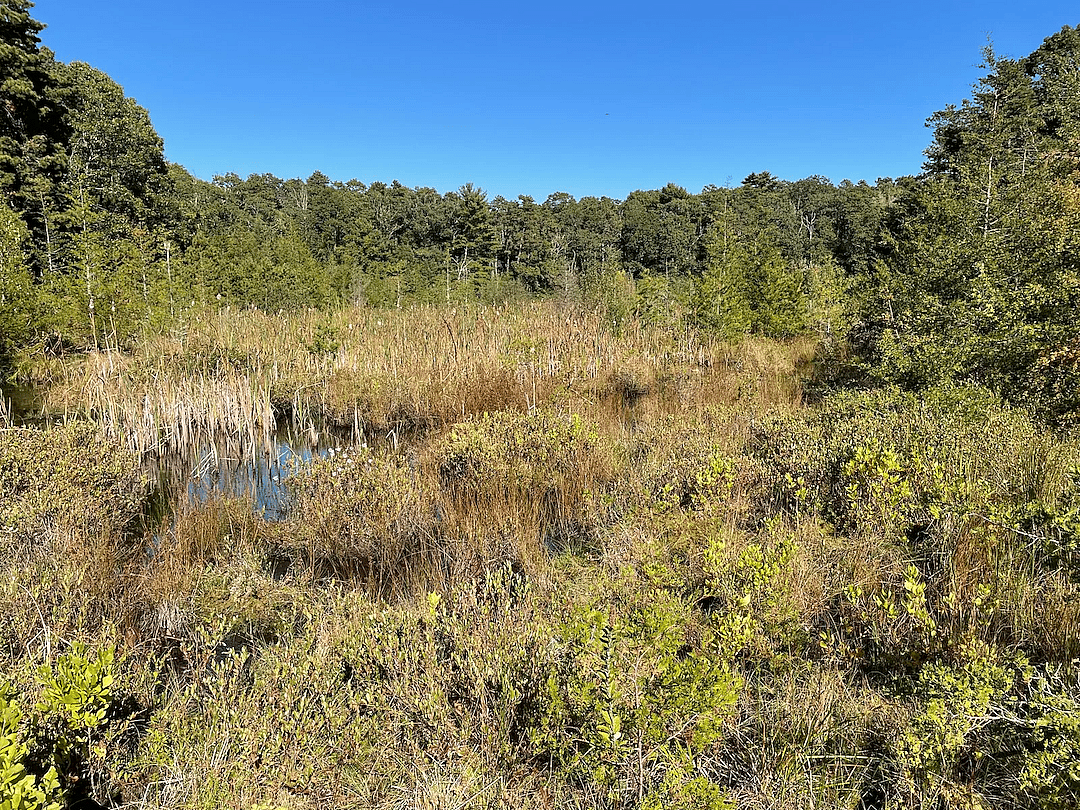
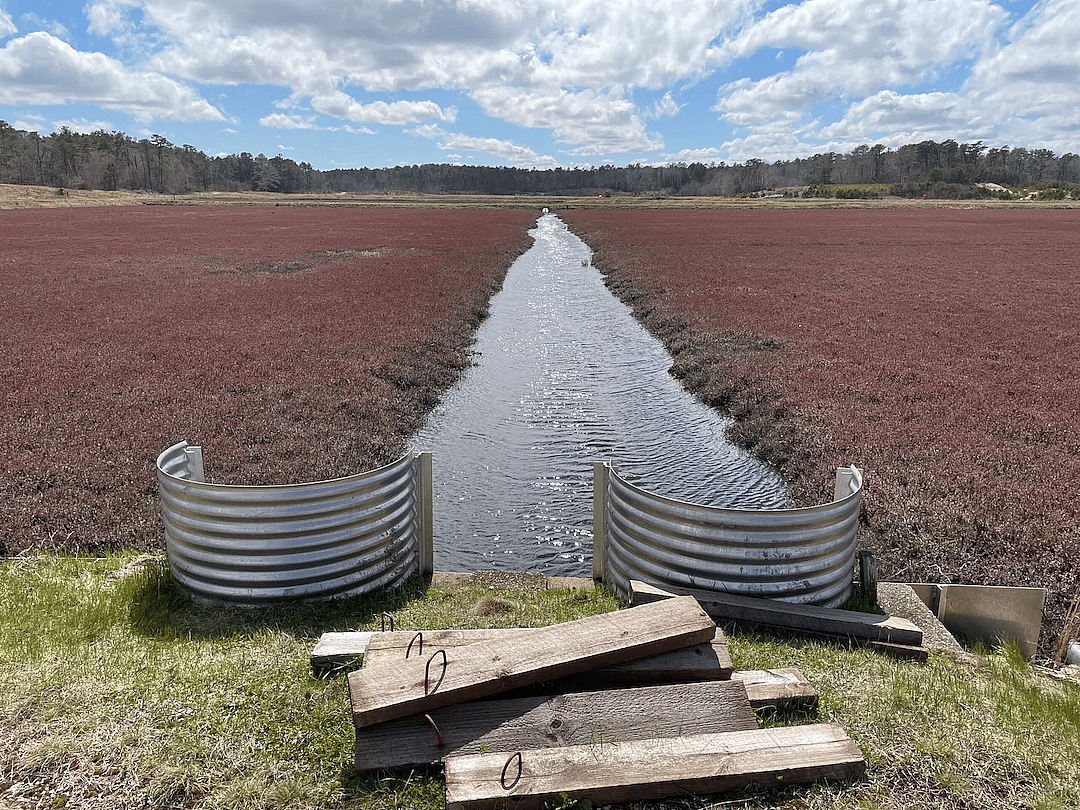
As Davenport began her campaign to save Tidmarsh, she discovered that there wasn't much of a history of bog restoration for her to build upon. It was well understood at the time that most cranberry bogs in Massachusetts were situated within natural wetlands but had been made more hospitable for cranberries — and stripped of other, undesirable plants — by putting down a fresh layer of sand every few years. Researchers already suspected that many of those wetlands were originally Atlantic white cedar swamps, an ecosystem that's rare today. Yet evidence was mounting that cranberry bogs that were taken out of production grew into sandy pine and maple forests instead of reverting to the wetlands they were before.
Aside from a multi-decade, volunteer-led effort to return native brook trout to a river devastated by cranberry production, however, the idea of transforming former bogs back into true wetlands hadn't been tested yet. The first project in the state to dig the sand out of an old cranberry bog and see what grew in its absence was just getting underway.
"It wasn't absolutely clear-cut what was going to happen," says Christopher Neill, a senior scientist at Falmouth's Woodwell Climate Research Center who studies the effects of cranberry bog restoration. The hope was that stripping some of the sand from a bog at the headwaters of Plymouth's Eel River would cause something more closely resembling a wetland to emerge in its place.
Wetlands are effective at storing carbon and filtering overabundant nutrients like nitrogen out of water. They provide good fish habitat and are rife with opportunities for recreation. And they can serve as buffers that shield nearby communities from flooding and sea-level rise. Protecting and restoring wetlands has been a recent priority among conservationists in part because it's hard to replicate them in places they don't naturally occur.