Daniel Penner // Grist
1 / 3Refill-at-home models can reduce a product's plastic footprint
Broadly speaking, the Ellen MacArthur Foundation classifies reuse systems based on two factors: who owns the containers and where they're filled. With companies like Blueland, the customer owns the container — potentially one sold by Blueland for $8 to $11 (although, for many products, any old container will do). And because refills are ordered online and delivered straight to people's doorsteps, the system is labeled "refill at home."
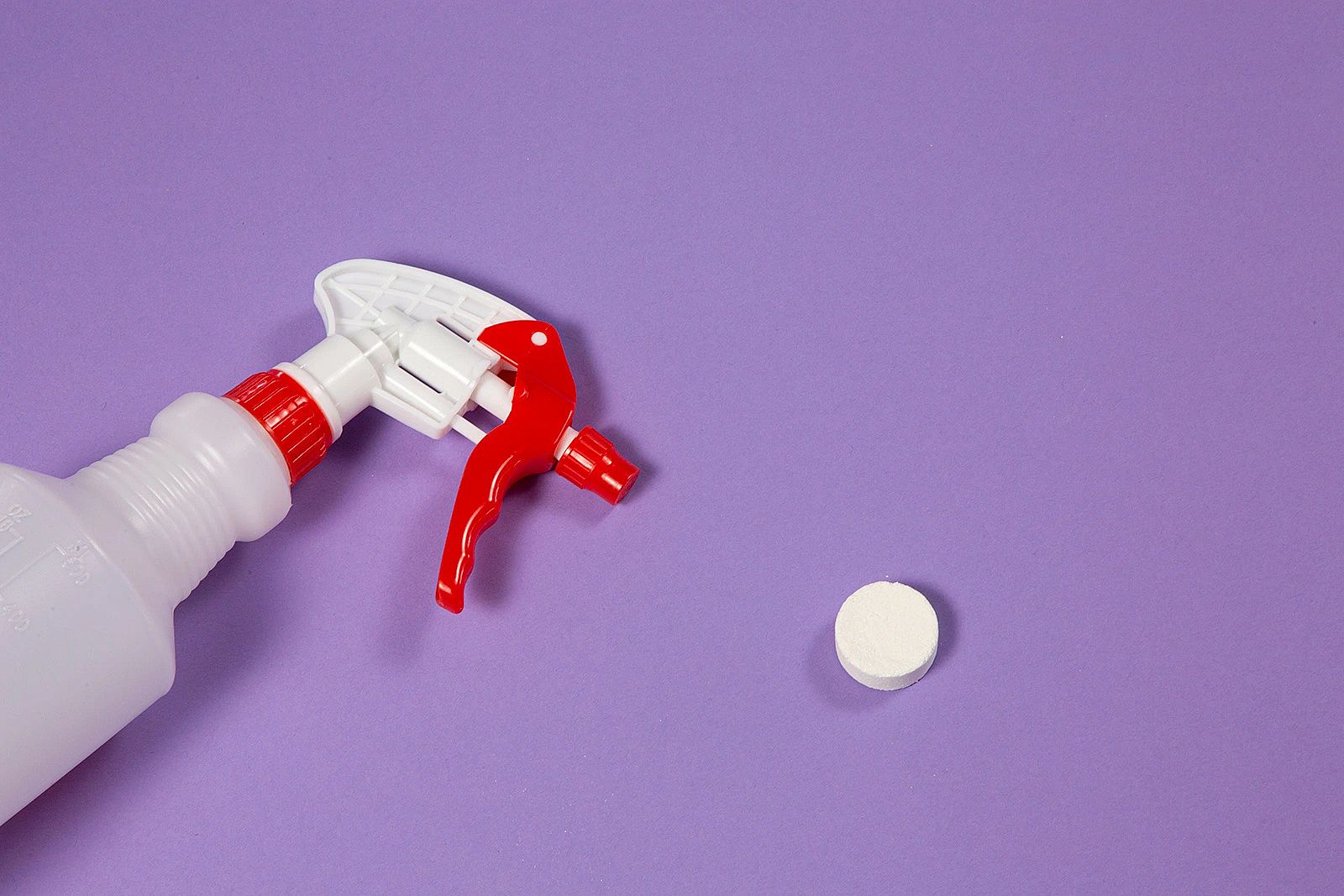
The concept works for a wide range of products, particularly those that can be dehydrated into tablet or powder form: toothpaste, mouthwash, dishwasher detergent. Getting rid of the water in these products means they don't have to be shipped around in huge plastic containers; customers just dilute them at home with water from the tap.
These lightweight products take up less space and are easy to move around, said Jennifer Congdon, deputy director for the advocacy group Beyond Plastics and an avid user of low-waste products. Although toothpaste and detergent refills ordered online often come with a small amount of paper packaging, she said her family prefers them to traditional items from the store, which often come with a larger plastic footprint. "We've reduced so much of our plastic consumption, which feels really good," she said.
There are refill-from-home systems that go beyond cleaning and body care, including some familiar ones that allow customers to re-create their favorite soft drinks and other beverages. Sodastream, for example — which was acquired by PepsiCo in 2018 — sells a machine that lets customers make their own carbonated water, which can then be turned into a sort of DIY root beer or cola with the addition of some concentrated flavor droplets. The brand Bevi brings this concept to office spaces, dispensing customizable drinks from a contraption that looks kind of like a high-tech espresso machine.
Companies like these refill-at-home models because they can boost brand loyalty. Once customers have made an initial investment in a company's reuse system, buying their containers or technology, they're less likely to switch to another one — at least in theory. Congdon says she feels "some pull" to return to her favorite reuse brands, but that she often switches between several options for different refillable products. Which one gets refilled is a matter of convenience, and sometimes, she opts for products that can be refilled on the go — in a grocery store.
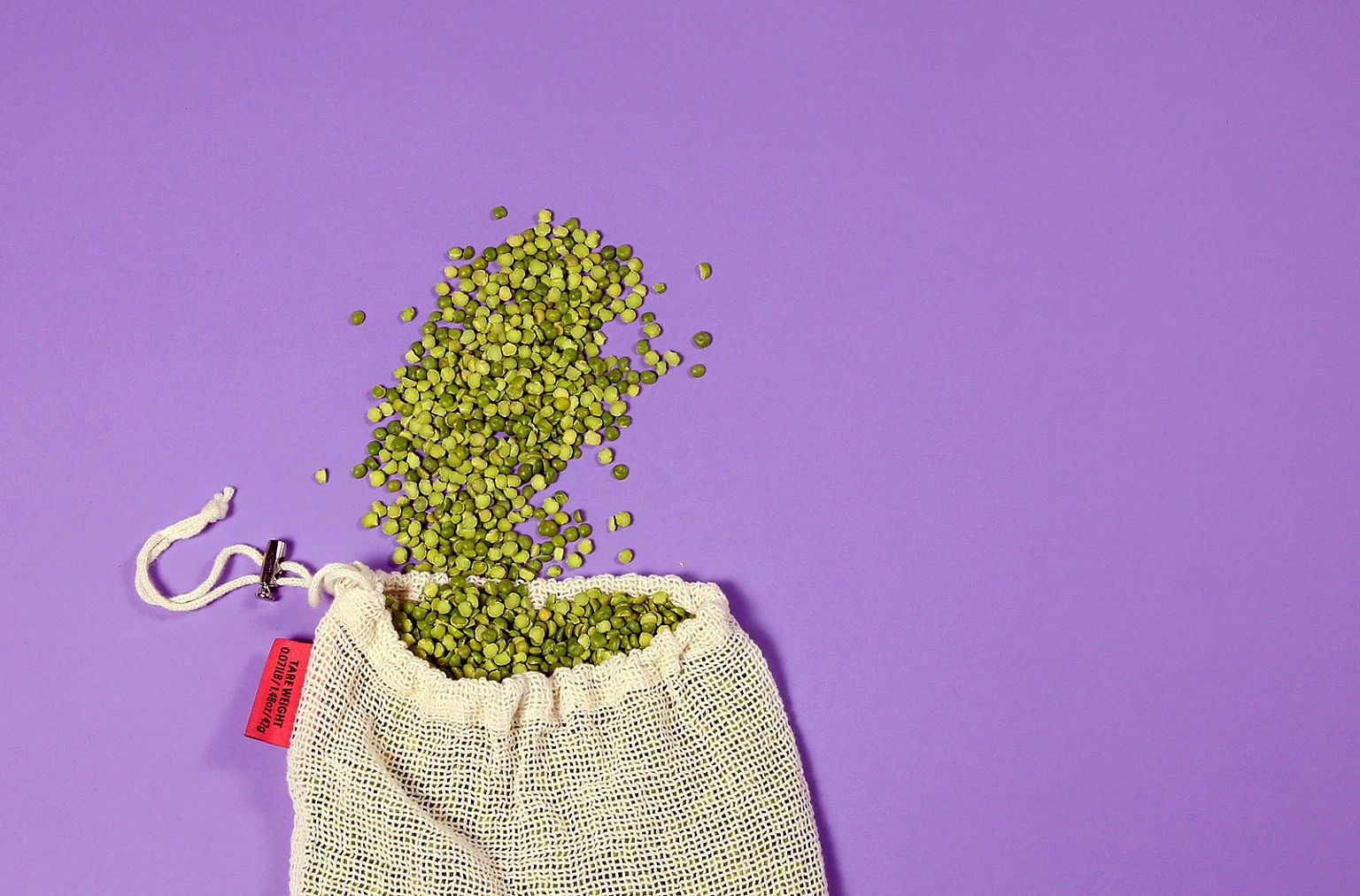
Refill on the go, in which customers own their own reusable containers but fill them up at locations outside their homes, is arguably the most common reuse system. Just think of the now-ubiquitous water-bottle-refilling station, or reusable shopping bags that you bring to the supermarket. Many cities now have entire stores dedicated to this reuse model, often called zero-waste stores or refill stores.
Miriam Gordon, a strategist for the nonprofit Story of Stuff Project, which advocates for policies to reduce plastic pollution, shops at a co-op grocery store in San Francisco that carries many of its products in bulk. She brings reusable containers from home to fill with everything from spices to honey and vinegar. "There are all kinds of things" to refill, she said. "It's really exciting to be able to do that."
Many consumers also find it exciting to compare the per-pound prices of packaged versus bulk goods, and to save money on in-store grocery refills. Some bulk products like spices can cost just a quarter of their prepackaged counterparts by weight.
That's not to say there aren't still challenges. First of all, shoppers have to actually remember to bring their reusable bags and containers — it's not refill on the go if you use those paper or plastic baggies that most stores offer in the bulk section. Containers then have to be inspected and weighed by store clerks before they can be refilled. All this takes extra time and forethought that most shoppers aren't accustomed to.
"I'm not the average consumer," Gordon acknowledged. Although she's willing to take on some inconveniences for the sake of reuse — like schlepping around a heavy load of stainless steel, glass, and ceramic jars every time she does a grocery run — not everyone feels the same way. For in-store refills to catch on more widely, Gordon said she'd like to see stores offer their own reusable containers, which customers could borrow and return later.
Businesses face additional challenges in communicating the cost savings of bulk, particularly for concentrated products. For Meliora, a cleaning product company that sells soap sticks and tablets, the price-per-ounce label that's required in many states can be misleading. They make concentrated products look deceptively expensive, said Kate Jubkas, Meliora's founder — especially when compared with their watered-down competitors, even though they may actually cost less on a per-use basis.
"The price is going to look high for a tiny little package" of dissolvable soap, Jubkas said, even if one package is enough to fill three normal-sized bottles of all-purpose cleaner.
In some cases, restrictive health regulations give customers no choice but to use disposable packaging. While refill on the go is relatively straightforward for nonedible goods like soap and shampoo, public health departments in many places bar stores from letting people use their own containers for food. Instead, they're required to offer disposable tubs or bags, meaning many bulk-food systems aren't actually advancing a circular economy. In Washington, it wasn't until late 2020 that an update to the state's food code finally began allowing customers to bring their own containers to the bulk section, as long as a cashier visually inspected each one before use. Even now, the containers are only allowed for select items.
Aimee Simpson, formerly the senior director of advocacy and product sustainability for a small chain of grocery stores in the Seattle area called PCC, said the state still prohibits their customers from filling up reusables with foods deemed ready to eat, a category that includes many bulk favorites like nuts and granola, as well as the entire hot bar. There are also separate rules for bulk foods that have to be scooped and those that operate by gravity — as in, when you pull a lever to release food from a narrow chute. (The rules are stricter for scoops, since they present a greater risk of cross-contamination.)
Advocates for reusables nationwide say there's a labyrinth of bulk-food safety regulations that may or may not be enforced, confusing customers from state to state and from store to store. People "really, really want to bring their own containers … but they're getting mixed messages," said Heather Trim, executive director of the nonprofit Zero Waste Washington. Bills in several states aim to bring clarity by allowing reusables in more situations. In Oregon, for example, Governor Tina Kotek recently signed a law directing the state's health authority to write rules allowing consumers to bring their own containers to restaurants so they can be filled with food.