Peter Yeung for Reasons to be Cheerful
1 / 3A centuries-old system
One of the first traces of the chinampas dates back to the 14th century, when the Aztecs arrived at the region of what is now modern-day Mexico City. There, they founded the settlement of Tenochtitlán — which would become one of the most powerful cities in all Mesoamerica — in the Valley of Mexico.
But as the Aztecs soon discovered, the valley's boggy, lake-filled landscape was difficult to cultivate or build on. So they devised an ingenious plan to adapt to the surroundings: the chinampas.
A 2013 paper by North Carolina State University professor Matthew Teti found that in the 16th century, chinampa farms could produce 13 times as much crop as dry-land farming in the same area — a system that provided food for hundreds of thousands of people. Chinampas, the study said, are "one of the most intensive and productive agricultural systems ever devised."
"Aztec planners created these vital waterways as integral to the existence of its cultural, physical, and spiritual, urban identity, rather than draining the water and excluding it from the urban experience," it continued.
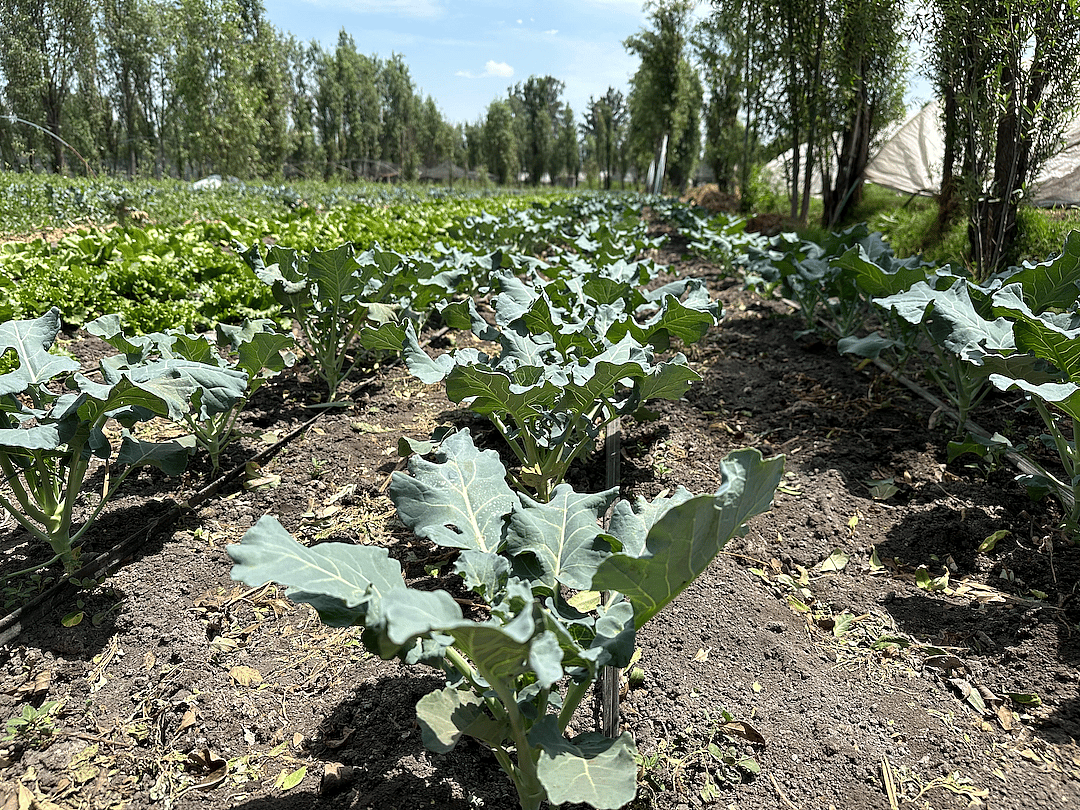
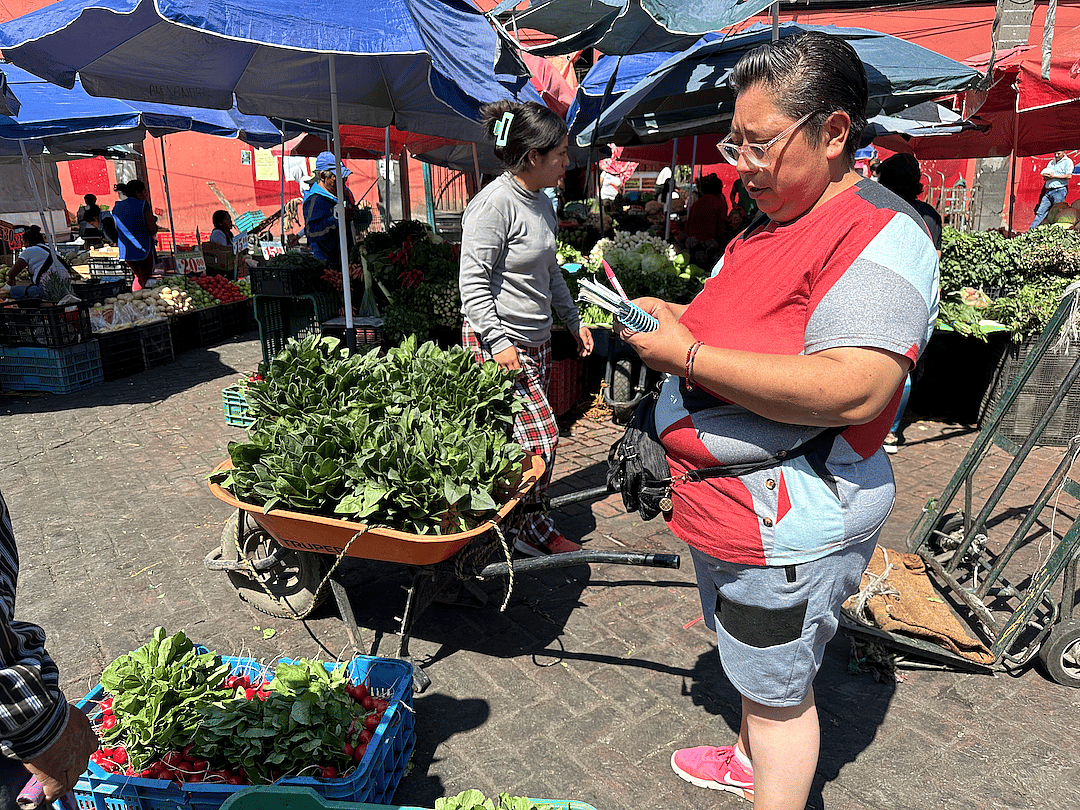
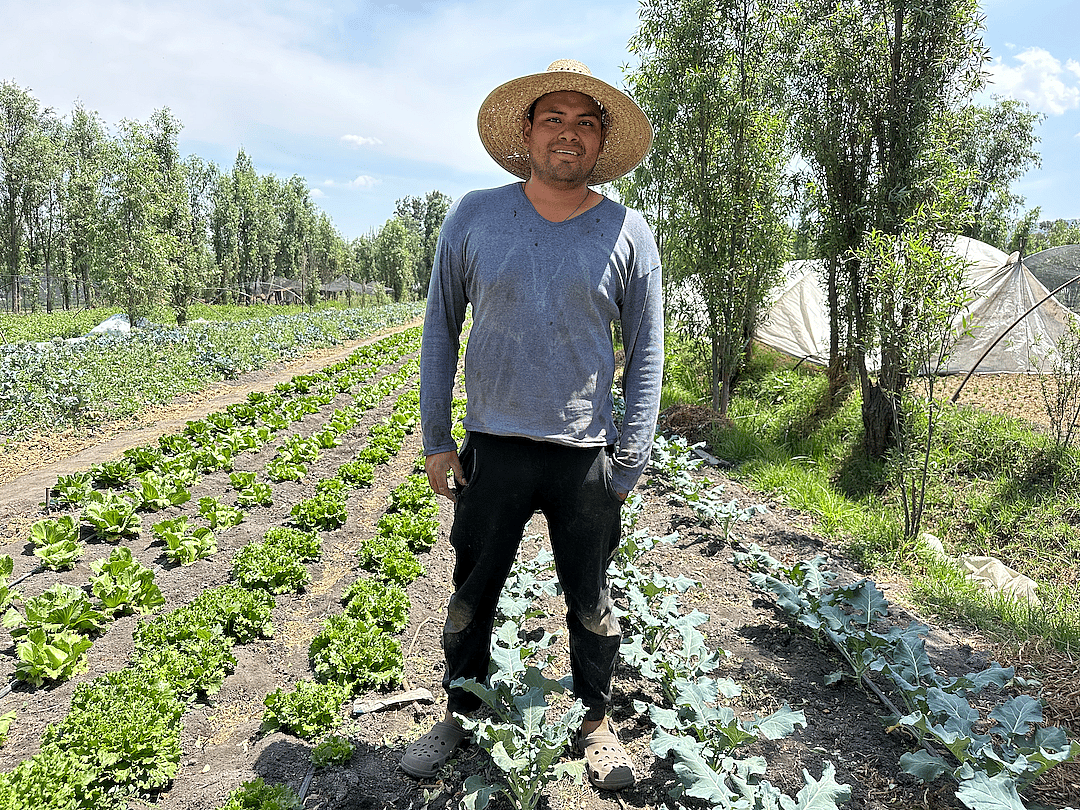
In the case of Paiz, the age-old system is still reaping rewards today. He says that his 7,000 square meters of chinampa, for example, can produce as much as 100 kilograms of broccoli per day — which is sold alongside the yields of fresh herbs, spinach, chard, radishes, corn and kale at local markets in the south of Mexico City.
"I'm proud to be continuing the tradition of my ancestors," he says.
Meanwhile, according to Arca Tierra, their network of seven producers in the region cultivates over 40,000 square meters of land, employing a total of 27 workers in the field and producing 3,650 kilograms per month. At some farms, as many as 95 varieties of vegetables and herbs are cultivated, underlining the fertility of the method. The production brings in over $4,000 per month in crop sales.
"At the beginning, it was mainly a commercial endeavor to source organic produce close to the city," says Usobiaga, who supplies restaurants in Mexico City and began working with chinamperos in 2009. "But I learned they are very important in many regards and have historical and cultural importance."
The design of the chinampas is particularly efficient in its use of water, which it can absorb and retain from the surrounding canals for long periods as well as allowing crops to draw from the groundwater directly, reducing the need for active irrigation.
This could prove hugely valuable for Mexico City and its 22 million residents, since water supplies have fallen to historic lows due to abnormally low rainfall partly attributable to climate change. And lessons learned from the chinampas could potentially help cities around the planet: the UN World Water Development 2024 Report found the number of people lacking access to drinking water in cities will likely reach two billion by 2050.
"The technical aspects of agriculture are innate to every place," says Usobiaga. "But the way of thinking that created the chinampas, that sensibility, has to be appreciated and valued: To work with the flow of nature, the flow of the seasons. That is what we have to use to get us out of the problem we are in."
The unique wetlands ecosystem is also home to two percent of the world's and 11 percent of Mexico's biodiversity, including the critically endangered axolotl, or Ambystoma mexicanum, an incredible salamander-like amphibian that is able to regenerate every part of its body — even parts of its vital organs such the heart and brain.
Meanwhile, the chinampas also provide a host of other benefits: they filter water, cool the city, sequester carbon, offer green space for locals, and are now a popular destination for tourists who take boats along the picturesque waterways.