21 grocery products that have been on the shelves for more than 50 years

Landre/ClassicStock // Getty Images

American grocery shelves have changed dramatically over the past century. But some things never change — and shouldn't.

A lot of the products people grew up with — and their parents grew up with — are still right there, surviving decades of different food trends. Many of them have changed surprisingly little, because, well, if it ain't broke, don't fix it.

Some of the products below came along with the postwar obsession with convenience, others rode the health-food and granola wave of the 1970s, and a few just happened to hit on a combination Americans never got tired of.

We looked for popular grocery products that first hit American shelves in the 1950s, 1960s, or 1970s and are still sold in U.S. grocery stores today.

These 21 grocery products have all been on American shelves for more than half a century.

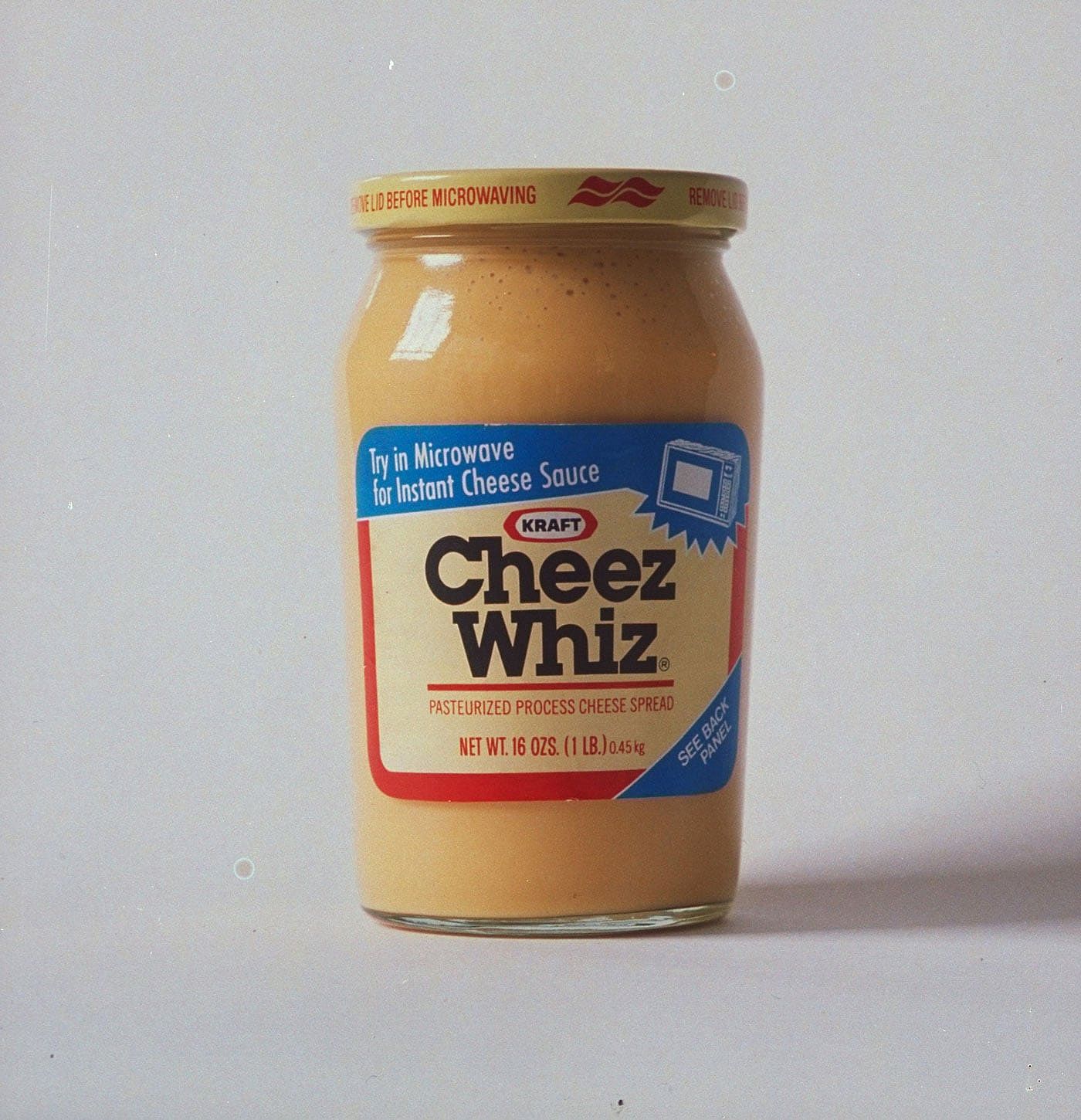
A bottle of Kraft Cheez Whiz.

Mario Ruiz // Getty Images

1 / 21

Cheez Whiz

First hit the shelves: 1953

Cheez Whiz may be as American as apple pie, but ironically it was inspired by a British dish. Kraft came up with the gooey cheese sauce in the early 1950s as a shortcut for Welsh rarebit, a British dish of melted cheese sauce served over toast.

After more than a year of tinkering with cheeses, emulsifiers, and seasonings, Kraft brought Cheez Whiz to U.S. grocery stores in 1953, where it found its true American calling.

Despite all the jokes about what exactly qualifies as cheese, Cheez Whiz is still on grocery shelves today.
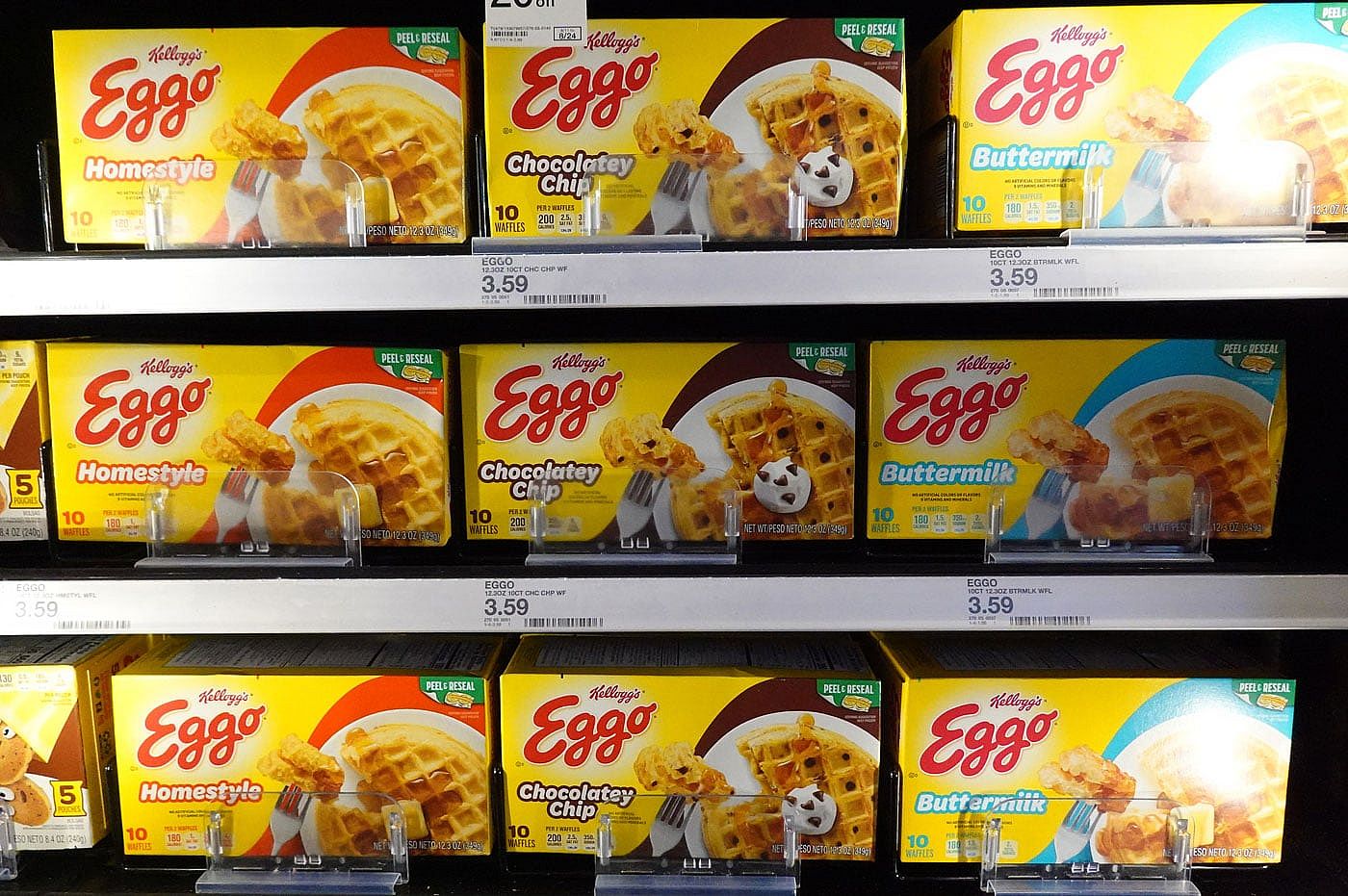
Boxes of Eggo Waffles in the freezer section of a grocery store.

Mario Tama // Getty Images

2 / 21

Eggo Waffles

First hit the shelves: 1953

Eggo waffles first hit American grocery-store freezers in 1953, when frozen foods were becoming a bigger part of everyday shopping.

The Dorsa brothers had already been making waffle batter and powdered mix, but Frank Dorsa figured out how to mass-produce and freeze cooked waffles, using a giant rotating machine fitted with waffle irons. The frozen waffles were originally called Froffles, a blend of "frozen" and "waffles," before the name changed to Eggo Waffles in 1955.

More than 70 years after those first Froffles appeared in grocery stores, Eggo waffles are still being sold today.

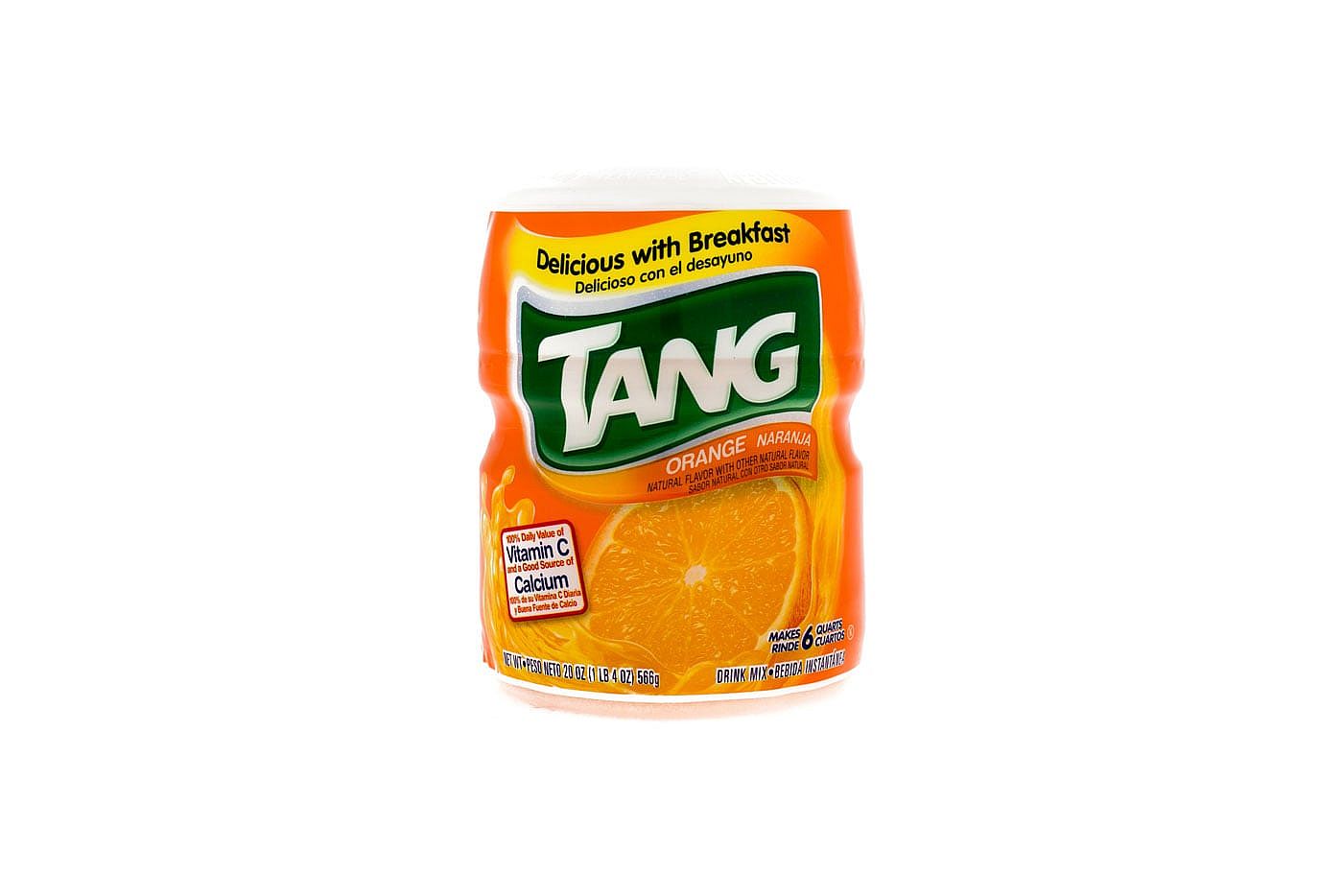
A container of tang.

Keith Homan // Shutterstock

3 / 21

Tang

First hit the shelves: 1959

Food scientist William A. Mitchell invented Tang in 1957, but it took two years to reach American grocery shelves.

The powdered orange drink might have remained a supermarket curiosity if NASA hadn't sent it into space in the early 1960s, where astronauts drank it partly to mask the unpleasant taste of the spacecraft's water. NASA made the drink cool, especially in a space-obsessed era, and the association stuck so hard that Tang became practically synonymous with astronauts.

More than 65 years after it first reached American shoppers, Tang is still around.

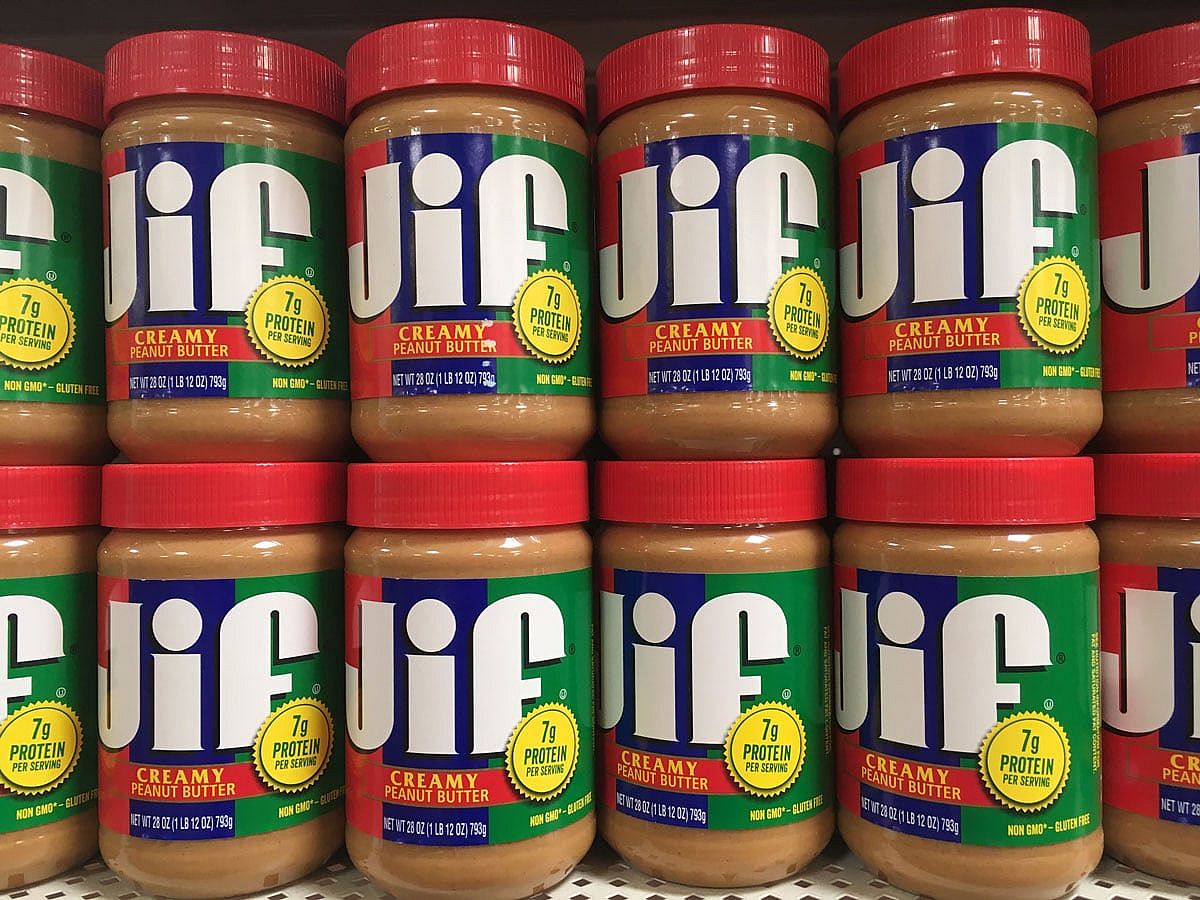
Jif Peanut Butter

JJava Designs // Shutterstock

4 / 21

Jif Peanut Butter

First hit the shelves: 1958

Jif arrived in American grocery aisles in 1958, but the peanut butter had already been around under another name, Big Top.

William T. Young started making Big Top in Kentucky in 1946, and the regional brand eventually caught the attention of Procter & Gamble, which bought Young's company in 1955. Three years later, P&G scrapped the Big Top name and launched Jif along with a new mascot, Jifaroo, the kangaroo.

Jif had to fight its way into a peanut-butter market already crowded with older names like Peter Pan and Skippy. It eventually won that fight. By 1981, it had become America's best-selling peanut butter, and it has remained a supermarket staple ever since.

Photo of Cocoa Puffs cereal on a grocery store shelf.

The Image Party // Shutterstock

5 / 21

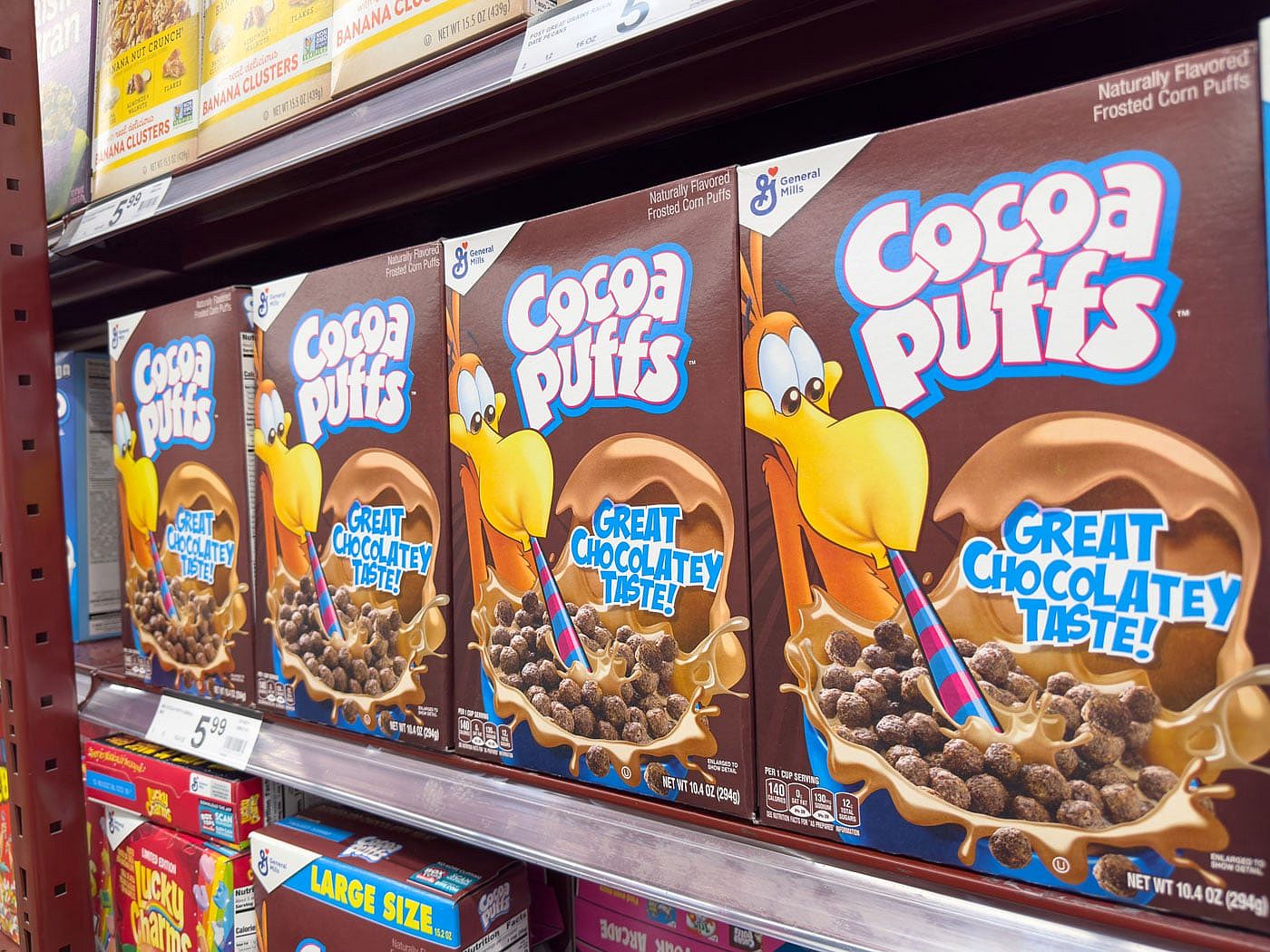
Cocoa Puffs

First hit the shelves: 1958

In 1958, General Mills introduced a chocolate-flavored puffed cereal and called it Cocoa Puffs.

The small, airy puffs of grain coated with chocolate really found their identity, though, thanks to the mascot that would become almost as recognizable as the cereal itself. Sonny the Cuckoo Bird came along in 1963 and gave the brand its enduring "Cuckoo for Cocoa Puffs" identity.

Cocoa Puffs built on the puffed-cereal technology General Mills had pioneered with Kix and Cheerios, using heat and pressure to transform grains into those familiar little spheres. More than six decades later, Cocoa Puffs is still on American grocery shelves.

Lucky Charms

JJava Designs // Shutterstock

6 / 21

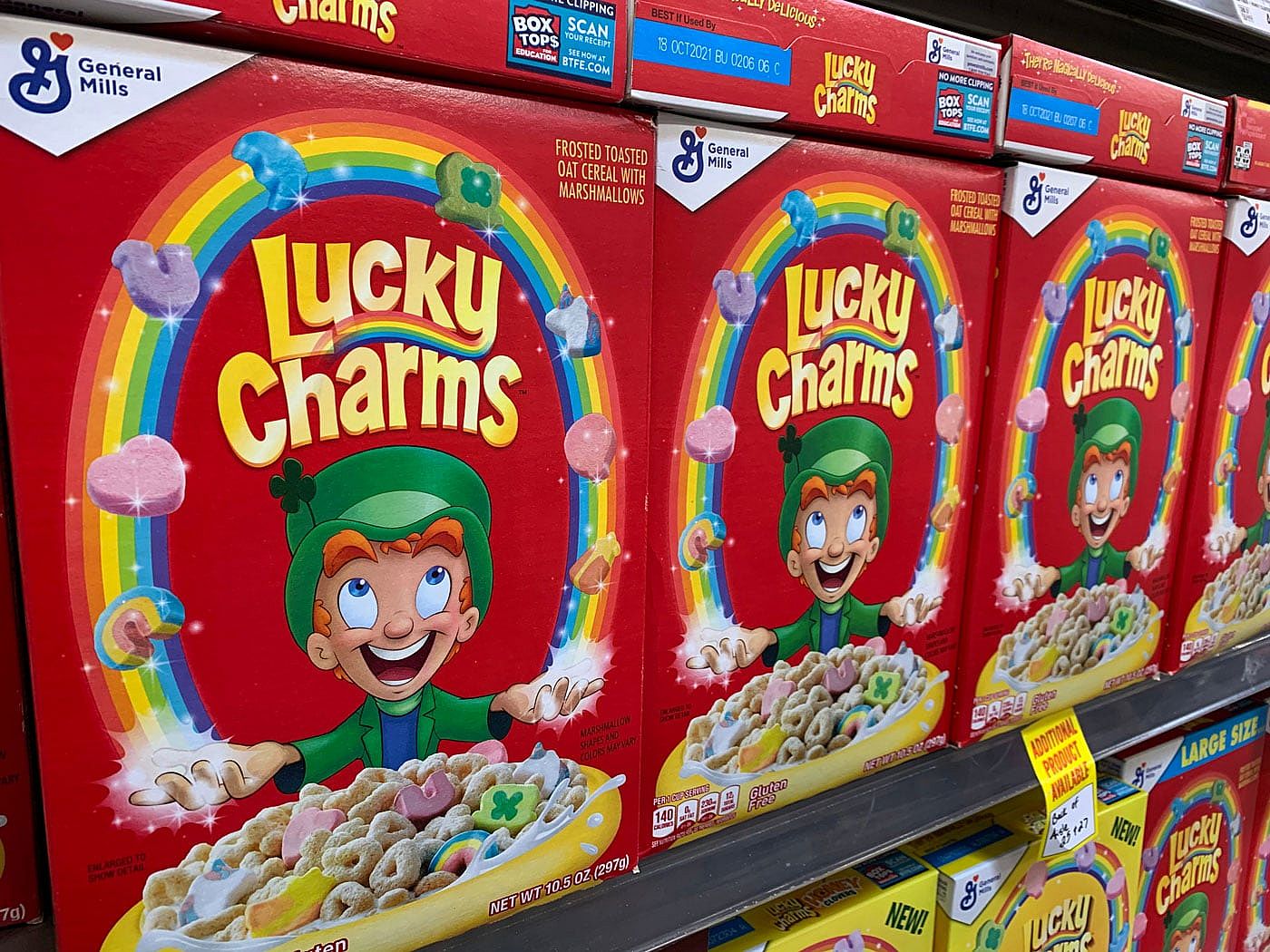
Lucky Charms

First hit the shelves: 1964

The 1960s were not particularly health-conscious, so a sugar-packed cereal aimed at kids, promoted by a peculiar leprechaun, fit right in.

Lucky Charms came from the mind of John Holahan, who dreamed up the magical breakfast inspired by his favorite candy, Circus Peanuts, and mixed pieces of it with Cheerios. The early version of the cereal included oat pieces shaped like fish, arrowheads, bells, X's, and clovers, along with marshmallows in various colors and shapes.

Lucky the Leprechaun introduced the new cereal to the market conveniently on St. Patrick's Day in 1964. By the time Lucky Charms turned 50 in 2014, the brand had branched out into different varieties, including Chocolate Lucky Charms and Honey Clovers.

Photo of a grocery shelf with various flavors of Pop-Tarts.

PJ McDonnell // Shutterstock

7 / 21

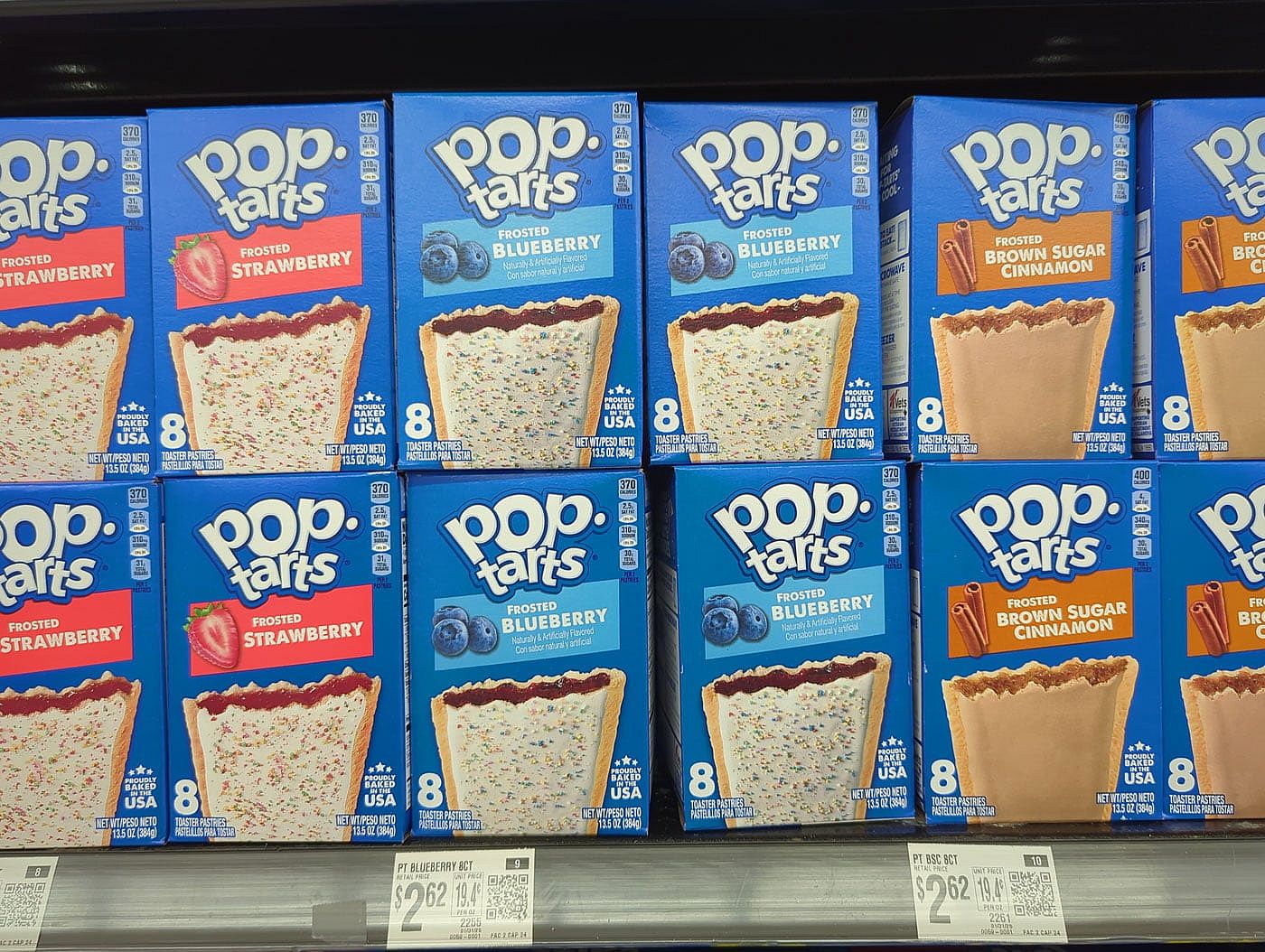
Pop-Tarts

First hit the shelves: 1964

When archrival Post announced its novelty breakfast item, Country Squares—a shelf-stable handheld toaster pastry filled with fruit—Kellogg jumped into developing its own version, first calling it "Fruit Scones." Influenced by the pop art movement led by artists such as Andy Warhol, Kellogg played with the name and eventually called its product Pop-Tarts.

After a wildly successful test release in four basic flavors—strawberry, brown sugar cinnamon, apple currant, and blueberry—the pastries sold out immediately, forcing Kellogg to run an "apology" ad for not making enough of them. Three years after their market debut, the company came up with a frosting that wouldn't melt when toasted.

In 2024, Pop-Tarts celebrated 60 years on American shelves, and Americans still can't get enough of the toaster pastries, buying about 3 billion Pop-Tarts in 2022.

Grocery shelf displaying various flavors of Quaker Instant Oatmeal.

Sheila Fitzgerald // Shutterstock

8 / 21

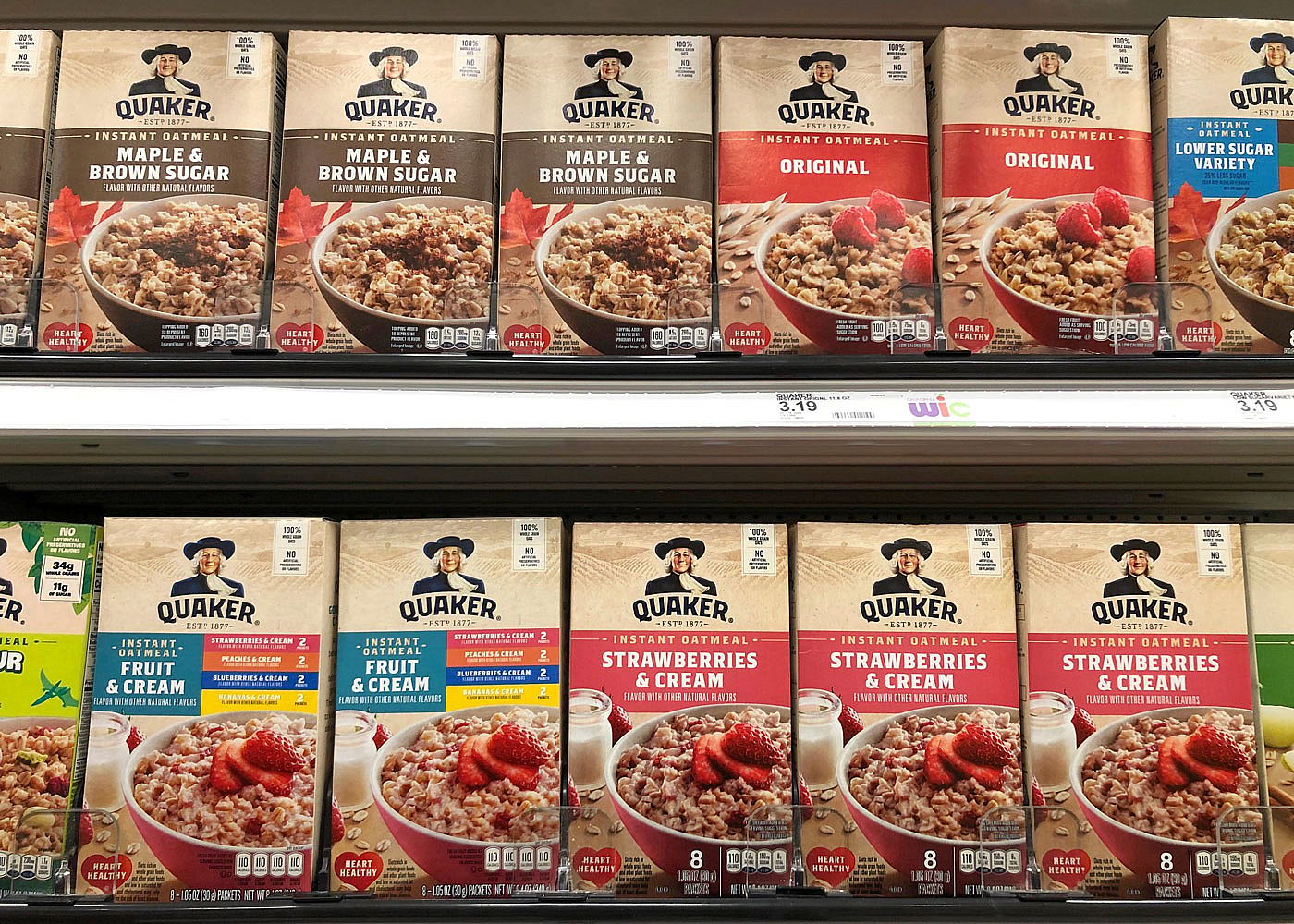
Quaker Instant Oatmeal

First hit the shelves: 1966

Quaker Instant Oatmeal hit American shelves in 1966, taking the brand's push for convenient oatmeal one step further. Quaker had already introduced Quick Oats, but the instant version was designed to make breakfast even faster.

In 1970, the company added its first flavored version, Maple & Brown Sugar. Quaker later promoted oatmeal's nutritional benefits, including an FDA-authorized heart-health claim added to qualifying products in 1997.

Sixty years after its launch, Quaker Instant Oatmeal is still sold in American grocery stores and remains one of the brand's best-known products.

Boxes of Shake 'n Bake at a grocery store.

Trygve Finkelsen // Shutterstock

9 / 21

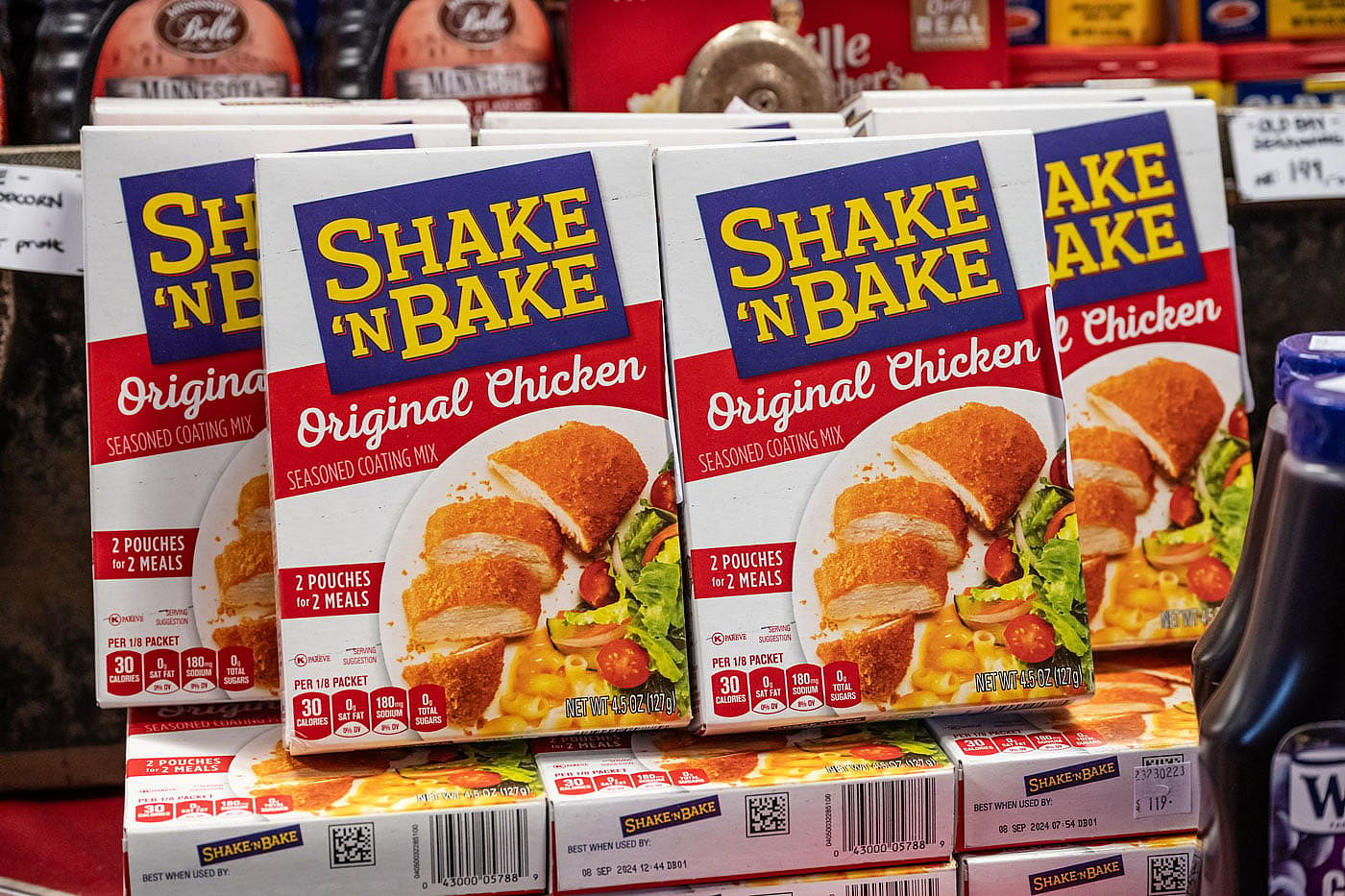
Shake 'n Bake

First hit the shelves: 1965

General Foods introduced Shake 'n Bake in 1965, enticing the American shopper with the appealing premise of having fried chicken for dinner without frying it. You moistened the chicken, tossed it in a bag with seasoned breadcrumbs, shook it, and baked it.

An ad campaign starring June Lockhart helped sell the idea to busy American families, presenting the mix as a shortcut to a home-cooked dinner without the mess. The campaign worked, and Shake 'n Bake became a familiar name, especially after later ads featuring kids proudly declaring, "It's Shake 'n Bake ... and I helped!"

More than 60 years later, it's still on grocery shelves.

Cans of Campbell's SpaghettiOs on a grocery store shelf

Collins Unlimited // Shutterstock

10 / 21

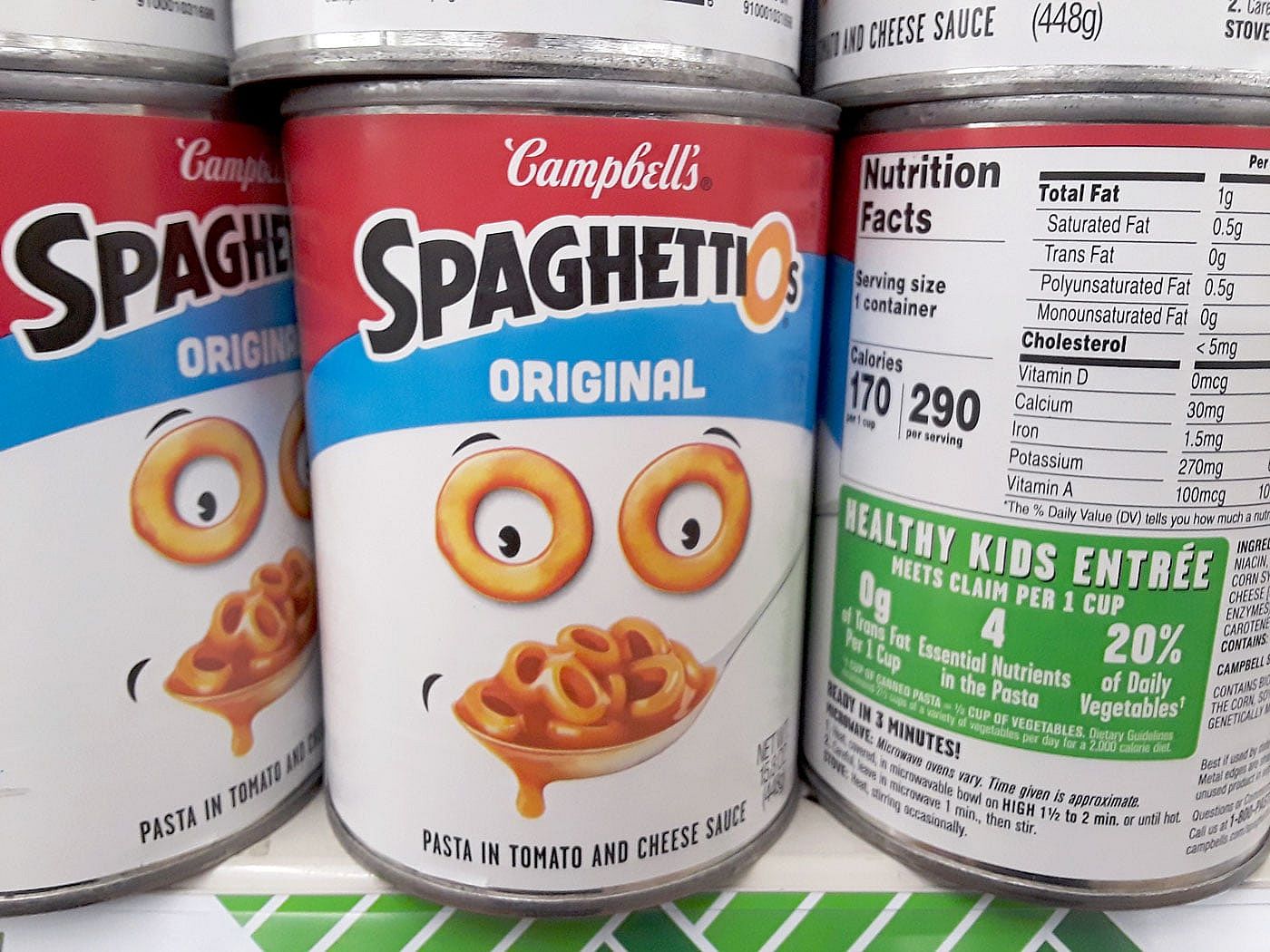
SpaghettiOs

First hit the shelves: 1965

When Campbell's wanted something to rival Chef Boyardee's canned spaghetti, it gave Donald Goerke the job of coming up with something new. He experimented with noodles shaped like stars, baseballs, and cowboys before settling on the little rings that could survive the canning process without turning to mush.

SpaghettiOs arrived in American supermarkets on October 18, 1965, as what Campbell's called the world's "first spoonable spaghetti." The shape made the canned pasta easier for kids to eat, and it was an immediate hit.

Over the years, the O's have been joined by teddy bears, sports shapes, and Star Wars characters.

Containers of Cool Whip in a grocery store frozen foods section.

Billy F Blume Jr // Shutterstock

11 / 21

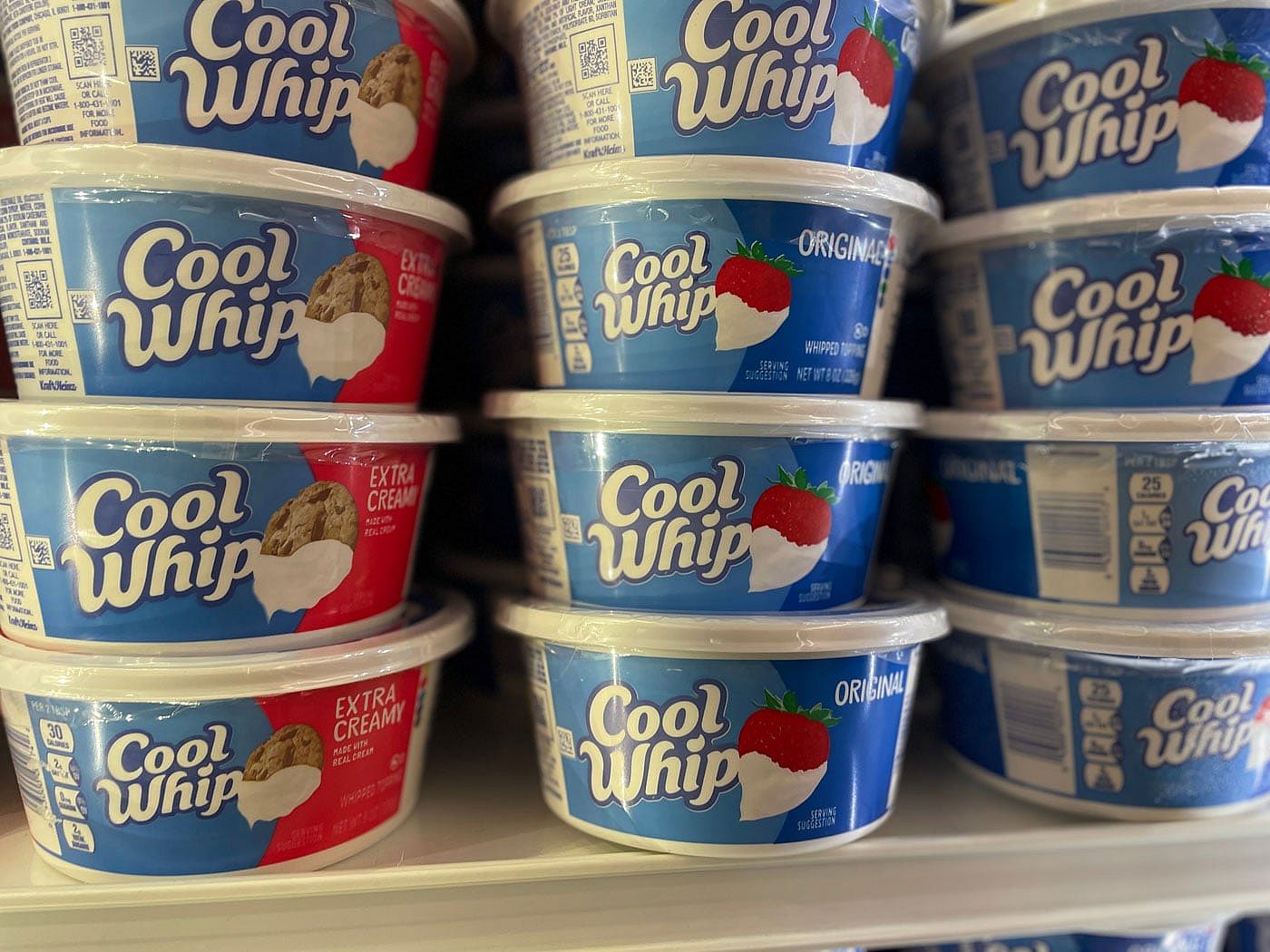
Cool Whip

First hit the shelves: 1966

Cool Whip, introduced by General Foods in 1966, had one big advantage over homemade whipped cream: it could be frozen, thawed, and refrozen without losing quality, which made the new topping much easier to ship and store. It was invented by William A. Mitchell, the same food scientist behind Tang.

General Foods tested it in Buffalo and Seattle before taking it nationwide. The company also published recipes to show shoppers how to use it, including Pistachio Pineapple Delight in 1975, which later became famous as Watergate Salad.

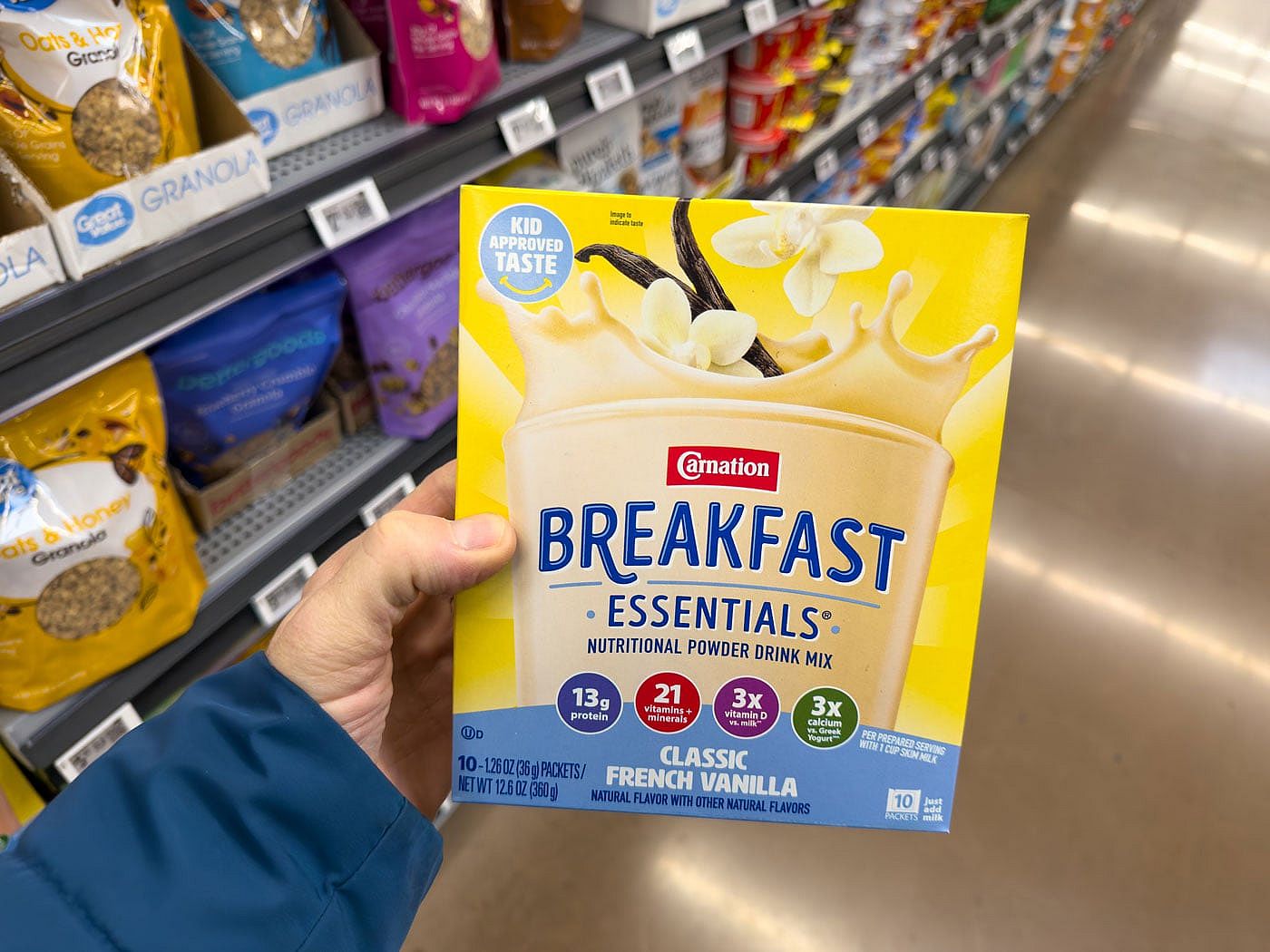
A hand holding a box of Carnation Instant Breakfast Essentials in a grocery store aisle.

ZikG // Shutterstock

12 / 21

Carnation Instant Breakfast

First hit the shelves: 1964

By the 1960s, breakfast was becoming less about the picture-perfect family meal and more about getting everyone out the door on time. Carnation tapped into that shift with Instant Breakfast, a powdered drink that turned a glass of milk into a meal you could drink on the go.

Carnation marketed a serving as providing the nutritional equivalent of a full breakfast, comparing its protein to two eggs and its energy to two slices of buttered toast, among other claims.

The brand eventually expanded beyond the original powder packets to ready-to-drink cartons and more flavors, and was later renamed Carnation Breakfast Essentials.

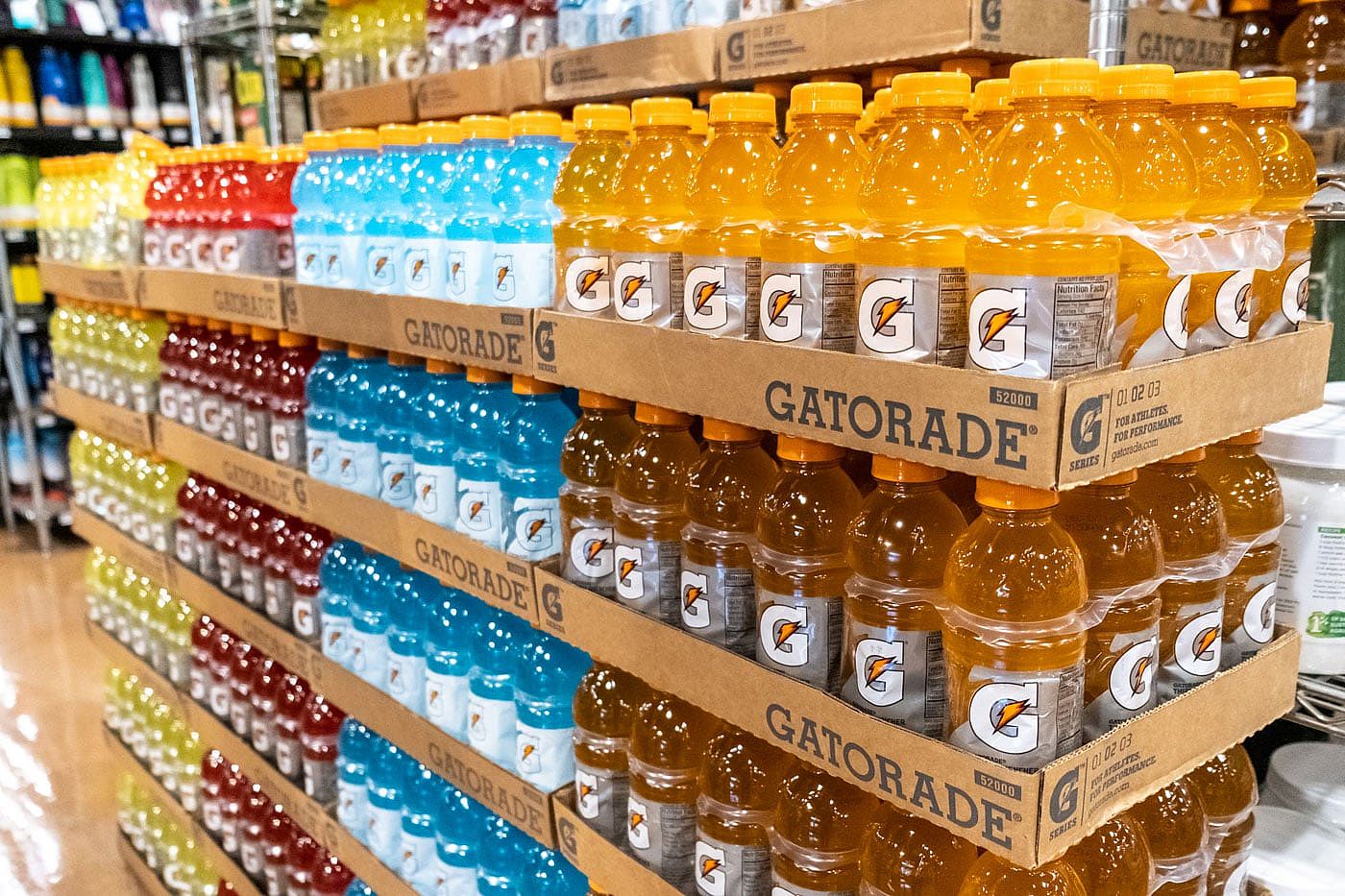
Cases of various Gatorade bottles stacked at a grocery store

calimedia // Shutterstock

13 / 21

Gatorade

First hit the shelves: 1967

The University of Florida Gators struggled during games in the Florida heat, so much so that in 1965, a group of university doctors led by Dr. Robert Cade figured out the players were losing electrolytes and carbohydrates. The doctors came up with a drink to replace them and called it Gatorade.

The Gators went on to win the 1967 Orange Bowl, giving the strange new drink some pretty impressive publicity. Later that year, Stokely-Van Camp acquired the rights to produce and sell it, and it still remains a dehydration go-to for athletes, the hungover, and anyone who has overdone it in the heat.

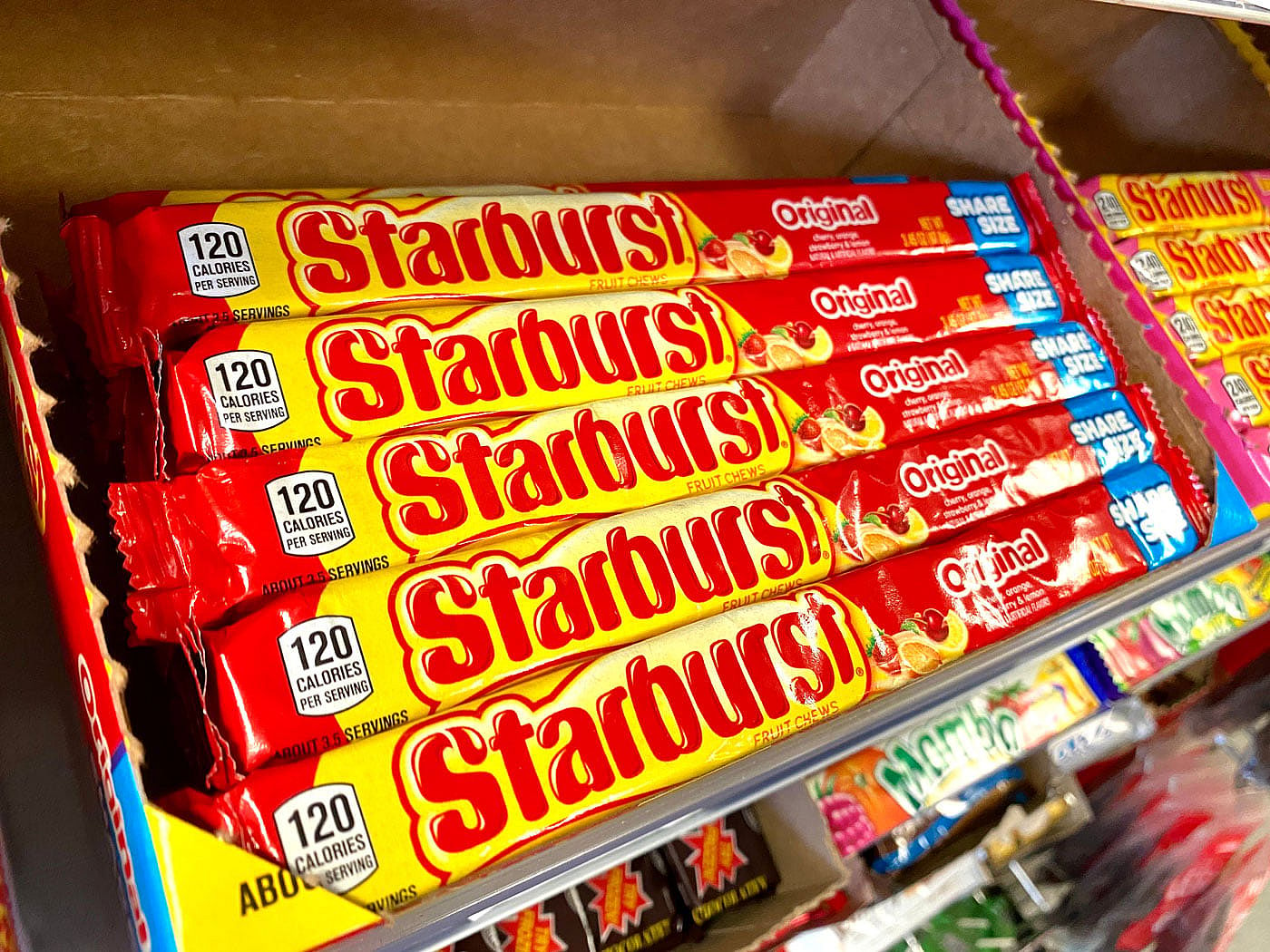
Starburst candies in a box at a grocery store

ZikG // Shutterstock

14 / 21

Starburst

First hit the shelves: 1967

Mars launched the fruity chews in Britain in 1960 under the name Opal Fruits, after an advertising writer named Peter Pfeffer reportedly won a naming contest. The original lineup was strawberry, lemon, orange, and lime, and the candy came in those familiar little individually wrapped pieces inside a red-and-yellow package.

When Mars brought the candy to the U.S. in 1967, though, it called it M&M's Fruit Chewies. But Mars food scientist Aaron Brody argued that putting M&M's on a non-chocolate candy would only confuse people, and successfully pushed for Starburst instead.

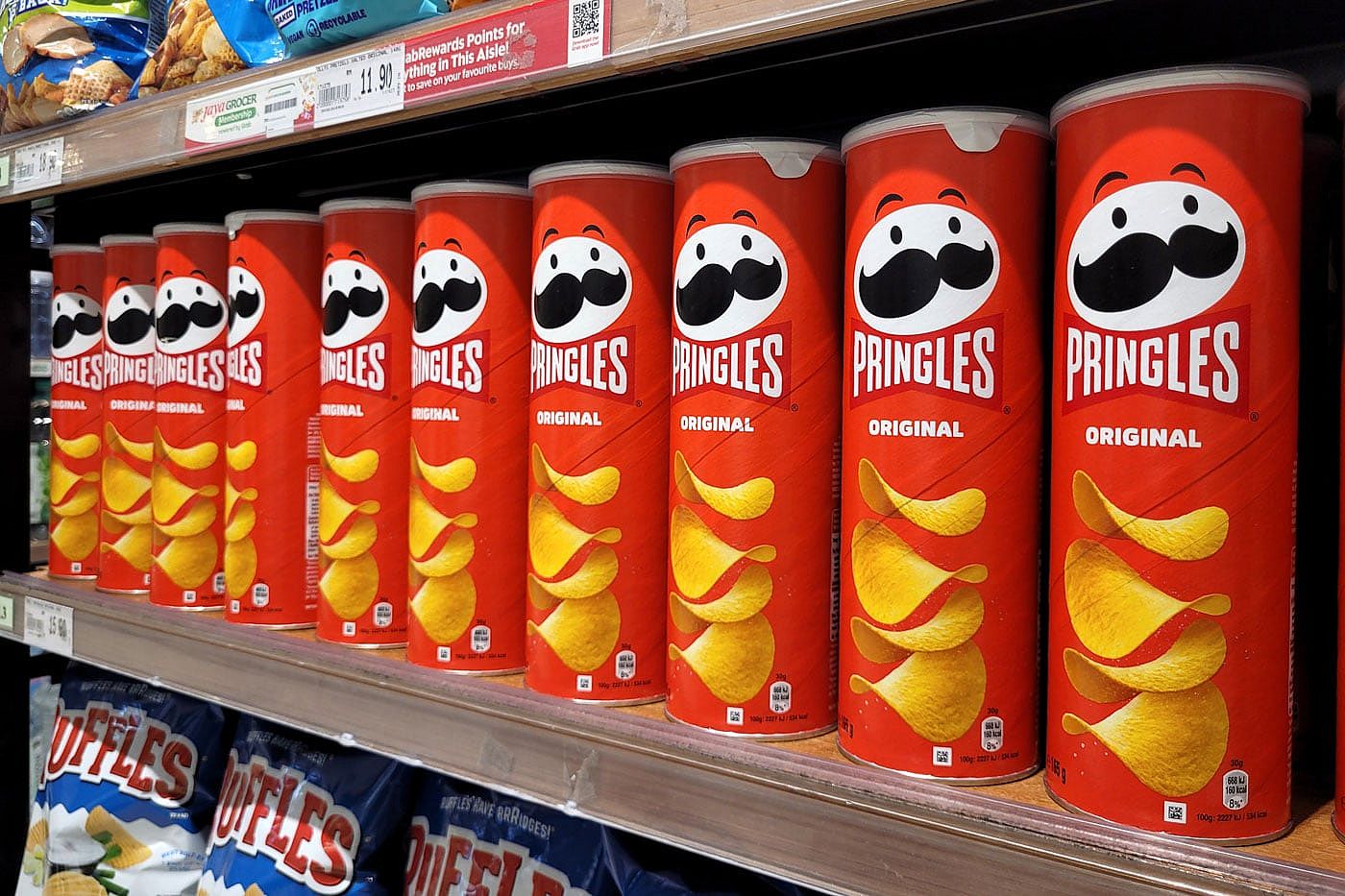
Cans of original flavor Pringles sitting on a grocery store shelf.

TY Lim // Shutterstock

15 / 21

Pringles

First hit the shelves: 1968

Pringles were unlike other potato chips Americans were used to when they first appeared in 1968. For one thing, they came stacked inside a tube instead of tossed into a bag, and their unusual shape came from a mixture made with dried potatoes rather than slices of fresh ones.

That difference caused an oddly serious argument over whether they could even be called potato chips. The Potato Chip Institute International didn't think they qualified, and the dispute dragged on until 1975, when an FDA ruling pushed Procter & Gamble to start calling them potato crisps.

The name stuck, but so did Pringles, which are still a fixture of the snack aisle more than five decades later.

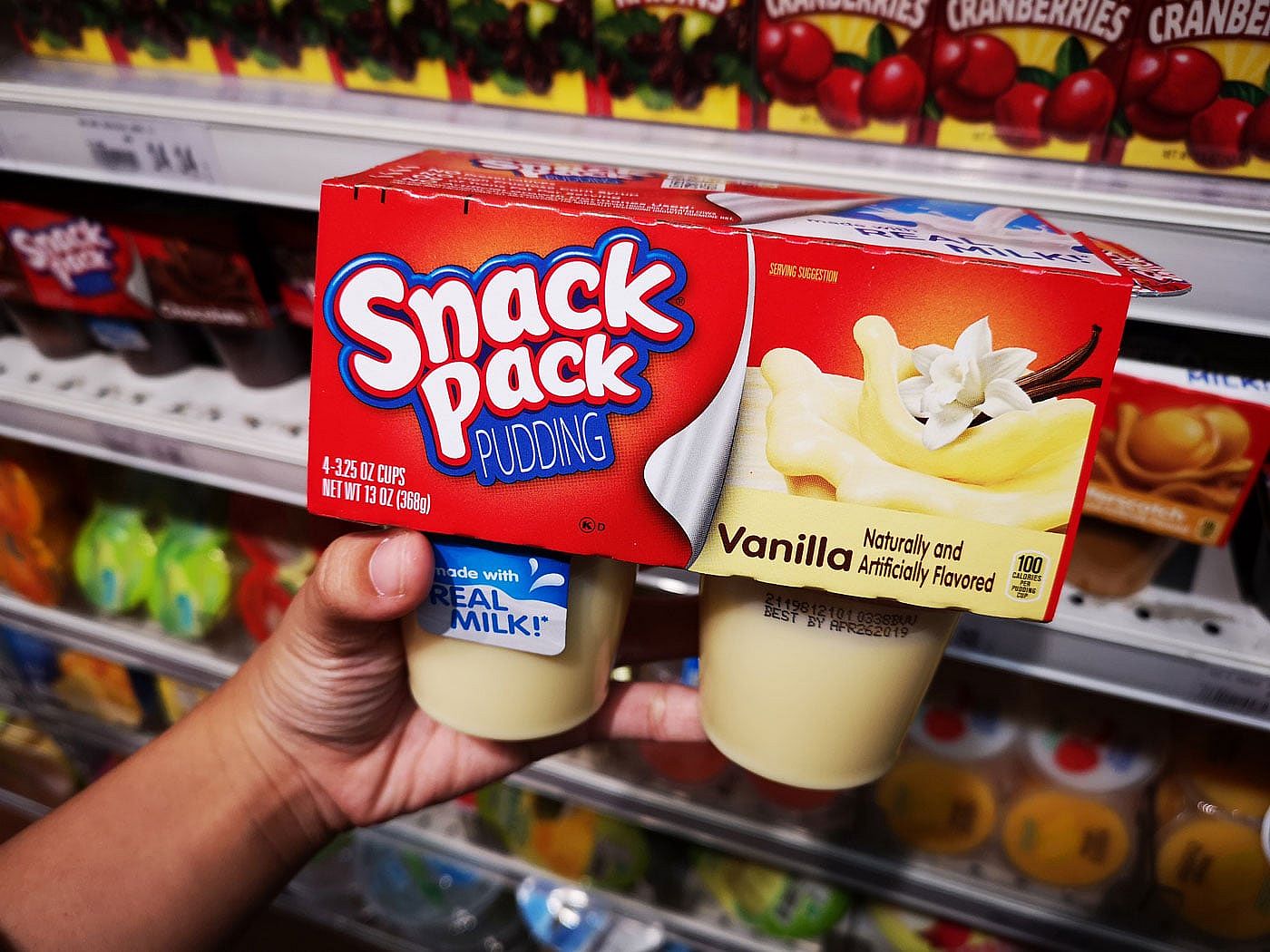
A hand holding a 4-pack of Vanilla Snack Pack puddings in a grocery store aisle.

Zety Akhzar // Shutterstock

16 / 21

Snack Pack Pudding

First hit the shelves: 1968

Snack Pack first appeared in 1968 as a pudding you could eat straight from a little metal can. The pull-ring cans were designed to make individual puddings easy to pack for school lunches or grab as a snack, and for some people, even the sound of opening one became part of the experience.

That version didn't last, though. In 1984, the company replaced the cans with plastic cups because sharp metal lids and kids were not exactly a great combination.

The pudding itself survived the switch, and Snack Pack is still being sold today, more than five decades after those first cans appeared.

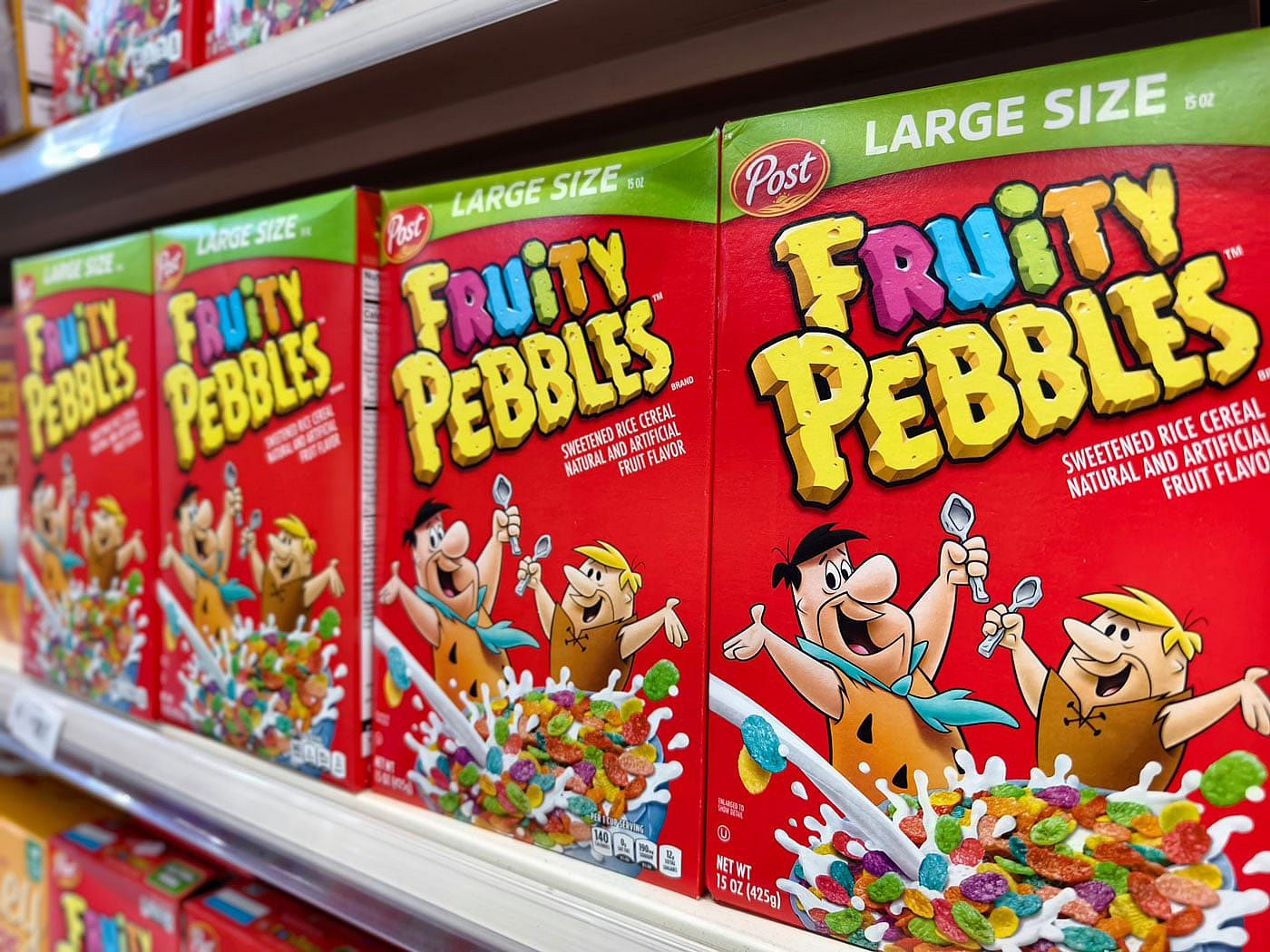
Boxes of Large Size Fruity Pebbles cereal sitting on a shelf at a grocery store.

MDV Edwards // Shutterstock

17 / 21

Pebbles Cereal

First hit the shelves: 1971

By the 1970s, it was well-established protocol for every new cereal to come with a mascot. But Post took a different route. Instead of inventing a certain tiger, leprechaun, or whatnot, the company built its fruity cereal around an already established cartoon character.

Post borrowed one of America's biggest TV families and turned The Flintstones into breakfast cereal. When Fruity Pebbles and Cocoa Pebbles launched nationally in 1971, Fred, Wilma, and Pebbles were already household names. Post named the cereal after Pebbles herself and shaped the little rice pieces to look like the colorful stones you'd expect to find in the Flintstones' prehistoric world.

The Flintstones ended its original run in 1966, but Post's cereal kept going, with Pebbles still appearing on grocery shelves more than 50 years later.

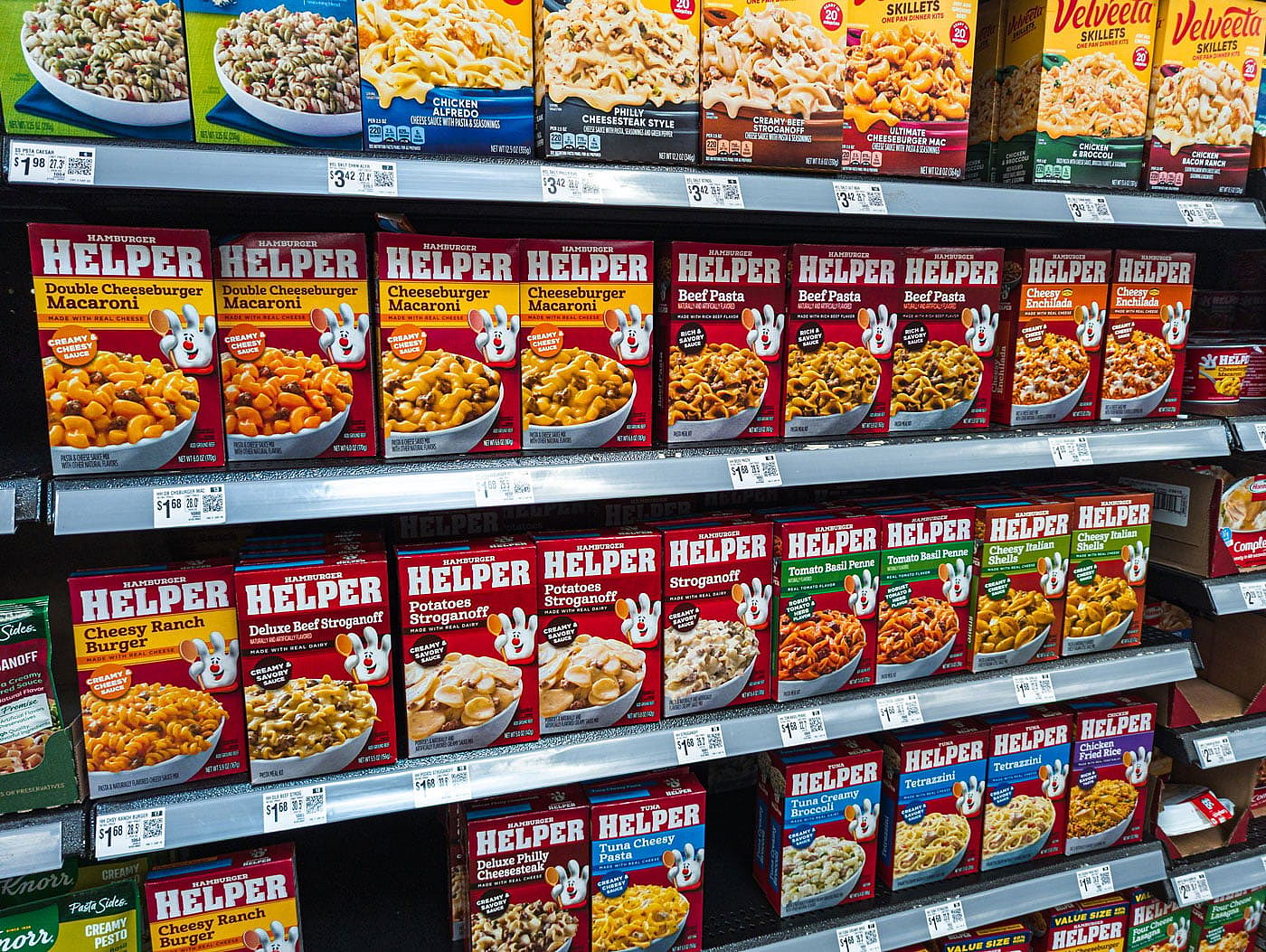
Boxes of various flavors of Hamburger Helper on a grocery store shelf

PJ McDonnell // Shutterstock

18 / 21

Hamburger Helper

First hit the shelves: 1971

Hamburger Helper arrived at a convenient time, when beef prices were rising and families were looking for ways to make a pound of hamburger stretch a little further.

General Mills launched the boxed dinner nationally in August 1971, with five flavors that turned one pound of beef into dinner for five. The flavors included Beef Noodle, Potato Stroganoff, Hash, Rice Oriental, and Chili Tomato — and more than one in four U.S. households bought it during its first year. Earlier dinner mixes had required cooking the meat and noodles in separate pans, while Hamburger Helper put everything into one.

More than 50 years later, the same reason that put Hamburger Helper on American dinner tables in the first place is helping bring it back. Ground beef hit a record average of $6.92 a pound in August 2026, according to the Bureau of Labor Statistics, and Hamburger Helper, now owned by Eagle Family Foods, has been along for the ride: Sales climbed 14.5% in the year through August 2025.

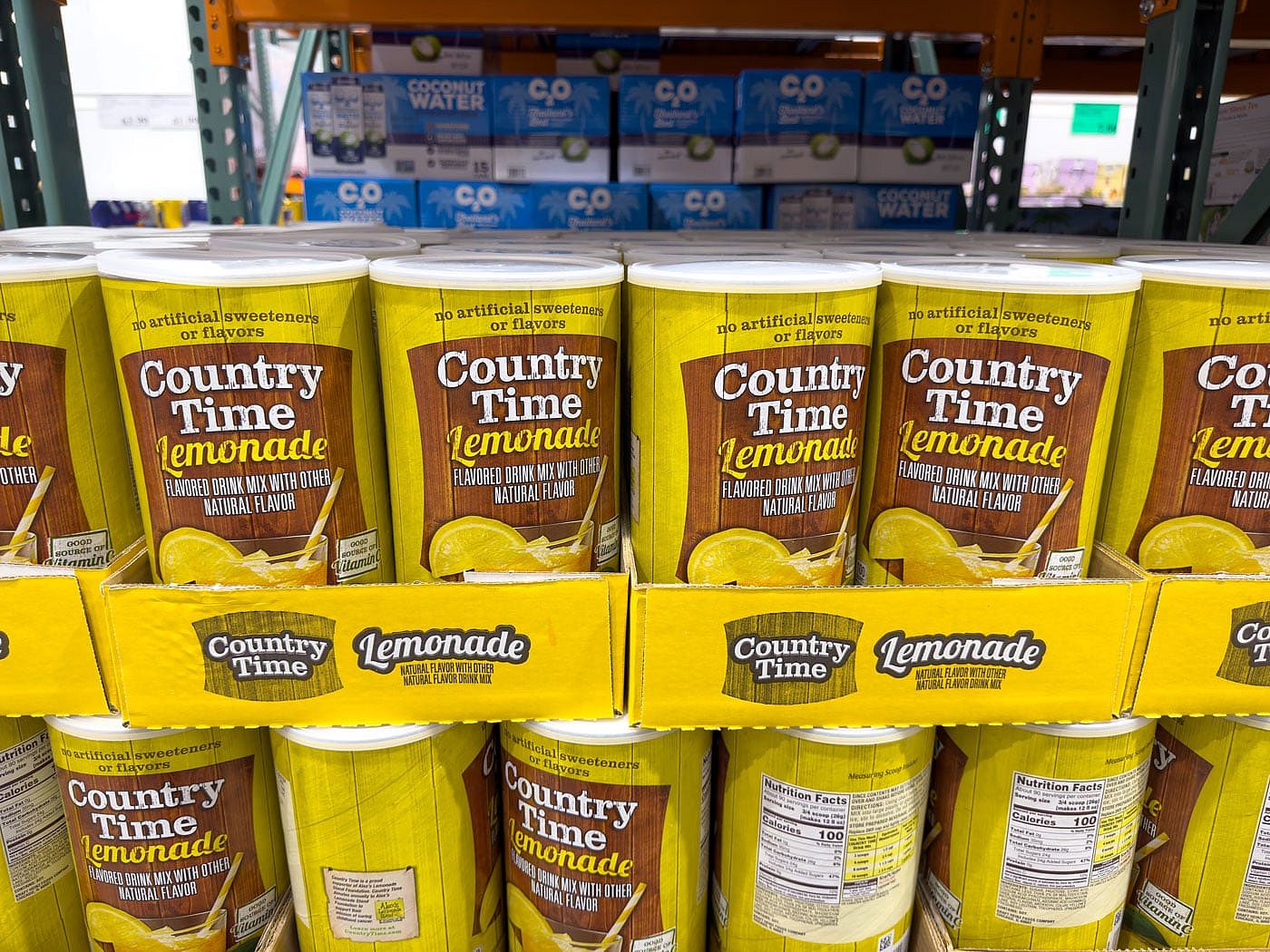
Cans of Country Time Lemonade stacked at a Costco

The Image Party // Shutterstock

19 / 21

Country Time Lemonade

First hit the shelves: 1975

In 1975, Country Time took everything people liked about lemonade and turned it into a powdered mix that only needed water, making it an easy standby for summer picnics and backyard barbecues.

The familiar canister covered with lemons and a glass of iced lemonade has barely changed, and Country Time has never gone crazy with dozens of flavors. The original is still around, joined by pink, strawberry, and raspberry versions, more than five decades after it first showed up in American pantries.

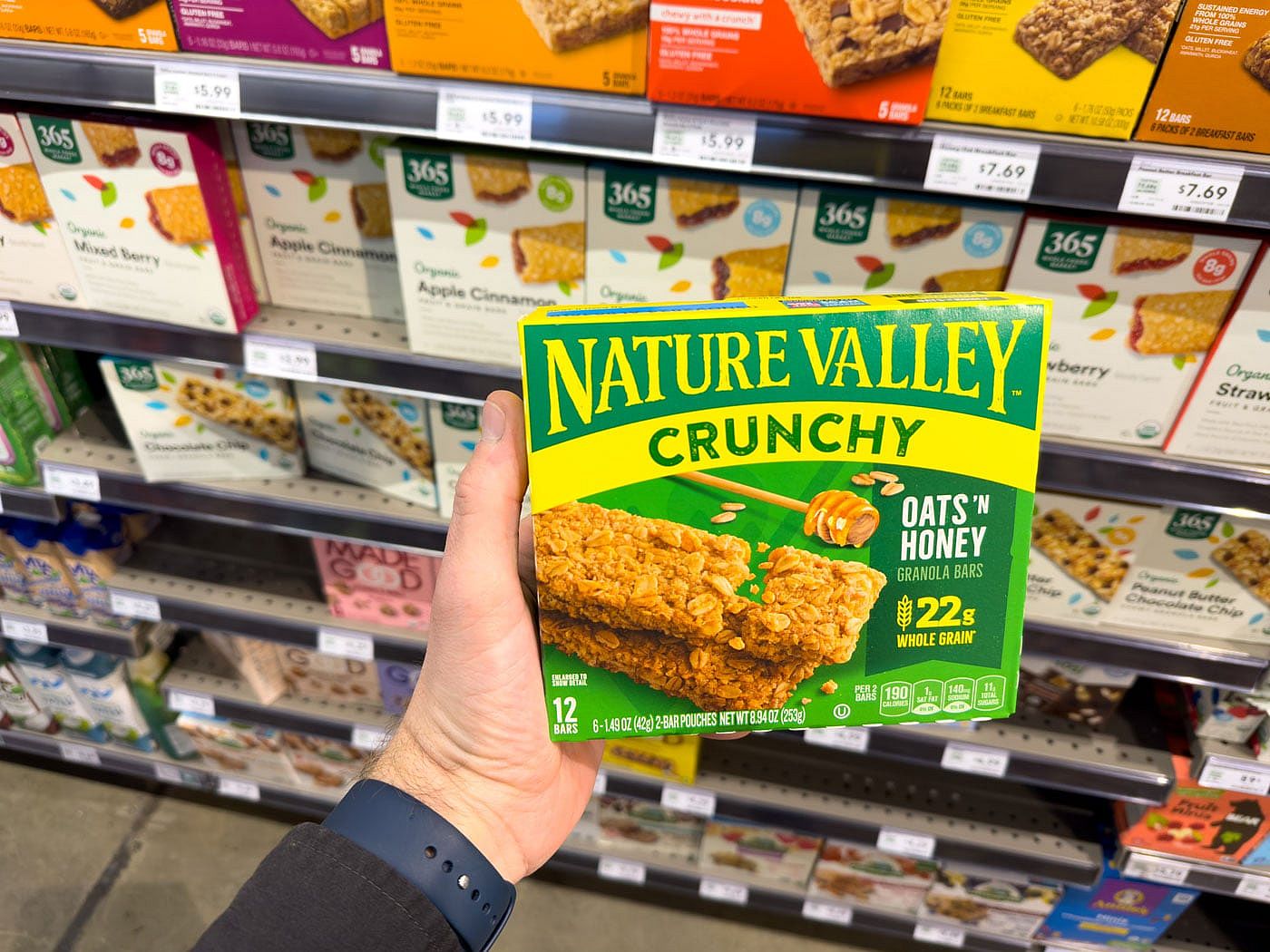
A hand holding a box of Nature Valley Crunchy oats 'n honey bar in the aisle of a Whole Foods

ZikG // Shutterstock

20 / 21

Nature Valley Granola Bars

First hit the shelves: 1975

The 1970s were the granola era, and Nature Valley was right there at the beginning of it. General Mills had already launched Nature Valley Granola Cereal in 1973, but the company quickly ran into one obvious problem: cereal wasn't exactly convenient to take hiking or on the road.

So in 1975, it turned the idea into the first granola bar made by a major food company. The original came in Honey 'N Oats, Cinnamon, and Coconut, packed two bars to a pouch. Nature Valley added Peanut the following year and Roasted Almond in 1978, but the crunchy bars have remained the heart of the brand ever since.

The bars turned 50 last year, and America still has plenty of places to go that require a snack.

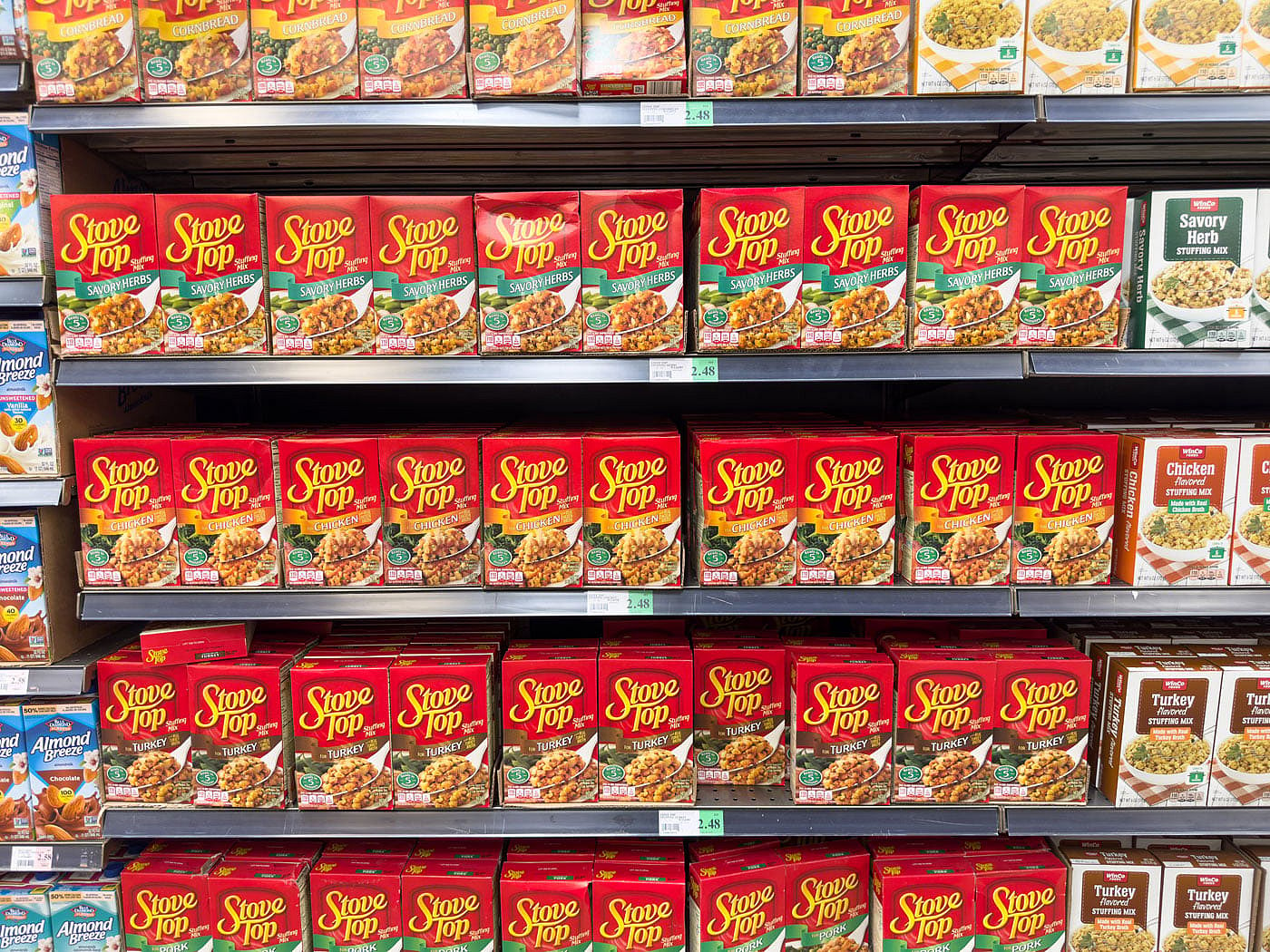
Boxes of various flavors of Stove Top Stuffing on a grocery store shelf.

The Image Party // Shutterstock

21 / 21

Stove Top Stuffing

First hit the shelves: 1972

Ruth Siems and her team at General Foods figured out how to turn the usually time-consuming stuffing into a quick side dish you could make on the stove.

Working on the project in 1971, Siems discovered that getting the bread crumbs to just the right size was the key to recreating the texture of traditional stuffing. The dried, seasoned crumbs puff up when you add boiling water and melted butter, giving you stuffing in minutes instead of waiting for Thanksgiving.

Stove Top hit store shelves in 1972 and was patented three years later, with Siems' name first among the four people listed on the patent.