PJ McDonnell // Shutterstock
1 / 1How an animal-feed machine helped create the cheese puff
Flakall ran a naming contest for the new snack, and the winning entry, from a woman who said the puffs reminded her of curly hair, was "Korn Kurls." Wilson didn't get to build the business himself, though: when he was called to active Navy duty during World War II, he sold his stake. A fellow Flakall employee, Melbourne Reed, bought Wilson's shares, while investor Harry Adams bought out Wilson's wife's.
Reed and his wife kept experimenting on their own, testing french-fried, cheese-coated versions of the curls at home before settling on a recipe. By 1939, Reed was buying 75,000 pounds of curls from Flakall and reselling roughly 1.5 million bags a year, and by 1941 his own company, Reed's Food Products, had eight employees shipping Korn Kurls across Wisconsin, Illinois, Michigan and Minnesota.
Wartime rationing slowed things down, and Reed eventually sold the business. Ownership passed to Harry Adams and his sons, who built it into Adams International; Beatrice Foods bought the company in 1961. Decades later, Adams International's machinery arm went on to supply Frito-Lay's Cheetos-making equipment, closing a strange loop back to the original accident.
Flakall wasn't working in a vacuum, either. Around the same time, the New Orleans-based Elmer Candy Corporation was chasing an almost identical idea. The Elmer brothers bought a piece of feed-processing machinery at the 1933 Chicago World's Fair, reworked it to extrude cornmeal into puffed curls, and, after a naming contest of their own, launched "CheeWees" in cans.
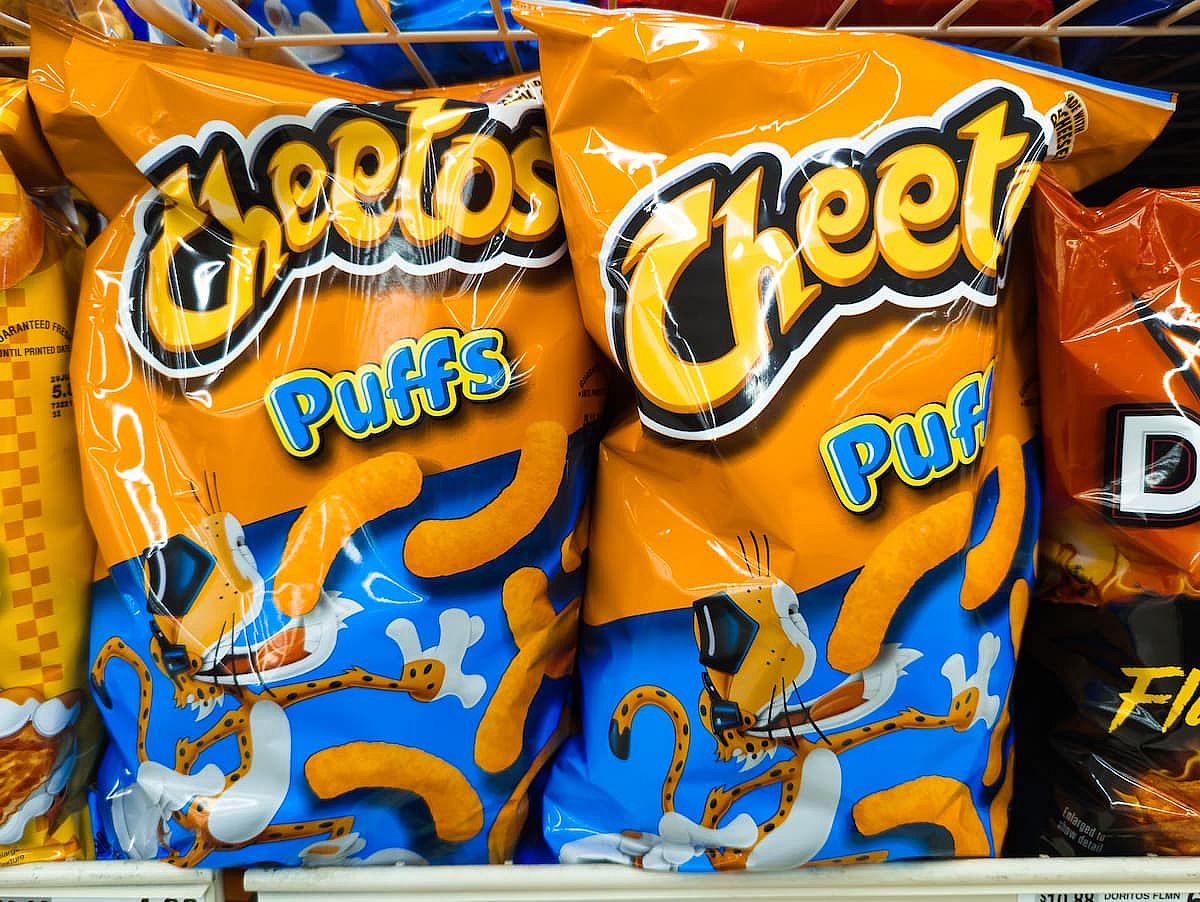
Cheetos wouldn't arrive until 1948, when the Frito Company built on the same extrusion techniques Flakall and Elmer Candy had already worked out. Frito-Lay, now the same company, opened a 1973 Beloit plant (the same town where the original accident happened), and cheese puffs still roll off the line there today.