Jake Price for Economic Hardship Reporting Project
1 / 3The Jasper Hill Approach: Keeping the Profits Local
Mateo Kehler has fond childhood memories of visiting Greensboro's Caspian Lake, which had been a family vacation destination for his father and his grandfather before him. It was "the happy place of our collective family childhood," he says. Inspired by these memories, he and Andy wanted to move to Caspian Lake in 1998 to raise their families there.
But it was a challenging time for the region. The dot-com bubble was swelling, with tech entrepreneurs moving in, buying farms, and displacing longtime residents. The land that Mateo and Andy loved now belonged to those who weren't contributing to that land, and the people and families they knew were seeing generations of purposeful livelihoods wiped out. Land prices were rising, too. "It felt like we were just getting priced out of paradise," says Mateo. "Then a small piece of land opened up in Greensboro, and we jumped at it. We made an absolutely irrational and emotional decision to throw everything we had at the opportunity to own a piece of land here."
At the same time, the brothers, both carpenters, were yearning for a more meaningful life. Mateo saw how the verdant landscape around him, sculpted by farming, was on the verge of being lost.
The brothers decided to create a business. But it wouldn't be merely about profit; it would also be about leading a life with purpose at its core. "Jasper Hill grew out of this notion that a whole life is encompassed by three intrinsic needs: meaningful work in a place that you love with people that you love," says Mateo. "We started with this idea that we need to figure out how to capture more value and retain more value, and take control of price in a way that would give us some agency in the future of our participation in a market system." Cheese, a value-added product from dairy, fit the bill.
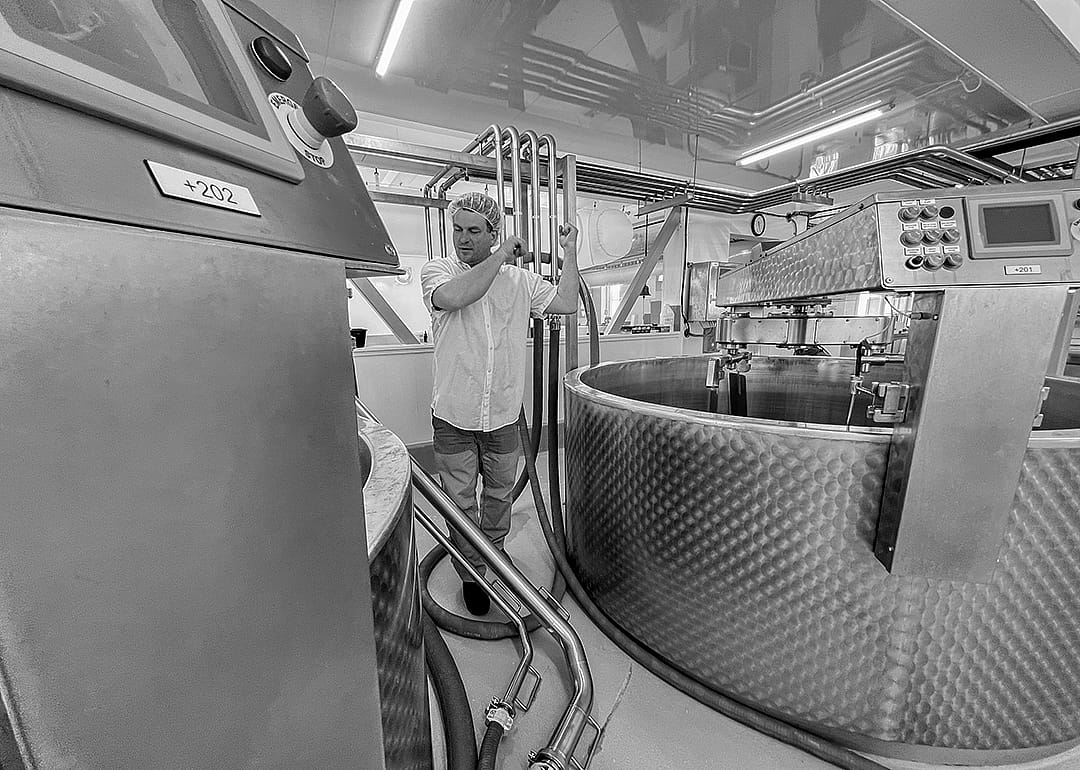
Decades later, Jasper Hill Farm is well known for its artisanal cheeses, some made with organic milk. The Kehlers also created a 22,000-square-foot underground cave-aging system, which they use not only for their own cheeses but those from other local creameries like Cabot Creamery, further strengthening community partnerships.
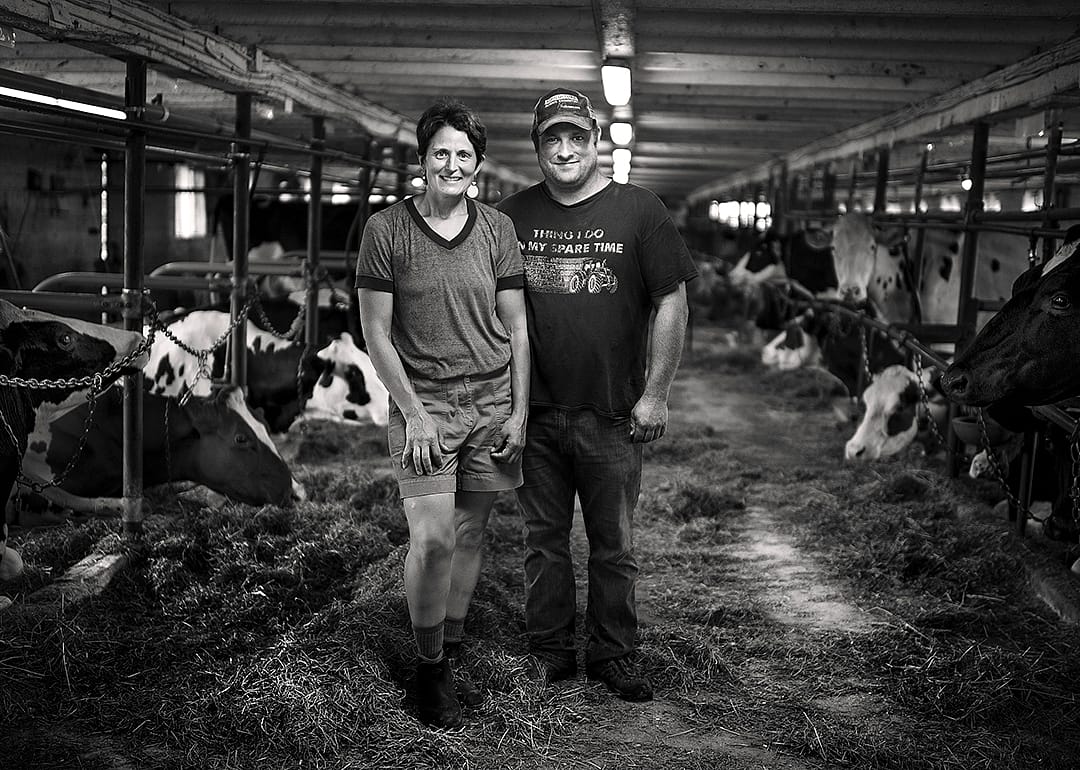
When we spoke in late May, the commodity market price for Class III Milk was $18.55 per hundredweight (11.63 gallons), but the Kehlers were paying the five farms they were currently working with $31 per hundredweight—in other words, nearly double the commodity price.
The brothers can afford to pay a higher price because they sell cheese at a premium. "We're building a pipeline to markets where there's disposable income," says Mateo. Ironically, some of Jasper Hill's best customers are those who displaced the longtime farmers in Greensboro—but now their money plays a part in supporting the community. By producing and selling artisanal cheeses directly to specialty retailers and consumers willing to pay premium prices, Jasper Hill was essentially able to bypass the global commodity market.
To quantify how much of Jasper Hill's revenue is staying within the community, Andy Kehler tracks the creamery's annual expenses by ZIP code. After porting every invoice into an Excel spreadsheet, he overlays the ZIP codes and amounts from each invoice onto a map of Vermont to help him see where Jasper Hill's payments are going, and how much. Last year, 82 cents of every Jasper Hill dollar were spent in Vermont, and three-quarters of that money—62 cents—supported Greensboro farmers and other businesses.
Ultimately, Mateo says, commodity cheese, like commodity milk, is priced too low. Jasper Hill sets a higher price for its carefully crafted cheeses, and instead of pocketing a profit for themselves, redistributes the margin to the community by paying higher prices for milk. "[We] balance the value that we can extract from the market," says Mateo.