Brandy McKnight // Shutterstock
1 / 3The difference between processed and ultra-processed foods
Unprocessed or minimally processed foods typically include whole foods like fresh fruits, vegetables, eggs, fish, and nuts. Any time a whole food is significantly changed from its original state, at least some "processing" of that food has to occur. The processing can be chemical, in which added chemicals change the state of the food, or mechanical, whereby the food changes shape, texture, and appearance.
Experts at UCLA Health suggest that many minimally processed foods can be a nutritious part of our diets, including items like frozen fruits and vegetables or whole foods that have been canned. Foods fall into the "ultra-processed" category when they contain artificial flavors, colors, or additives that boost the saturated fat, sugar, and salt content well above that of the original ingredients.
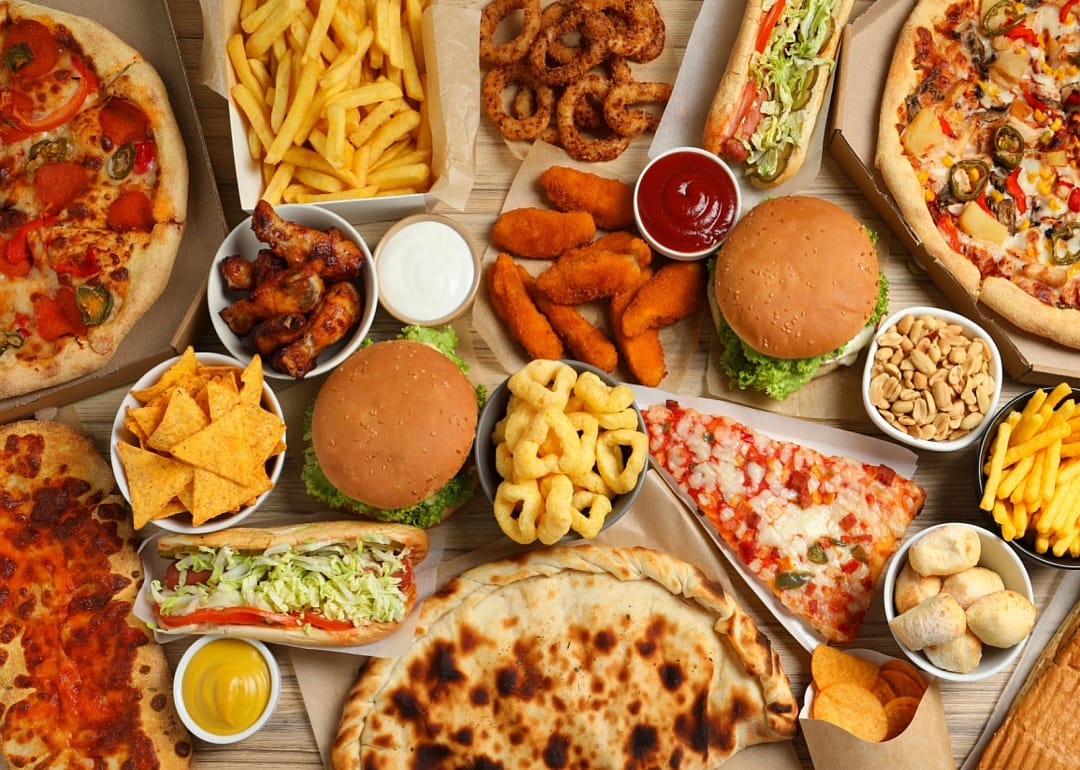
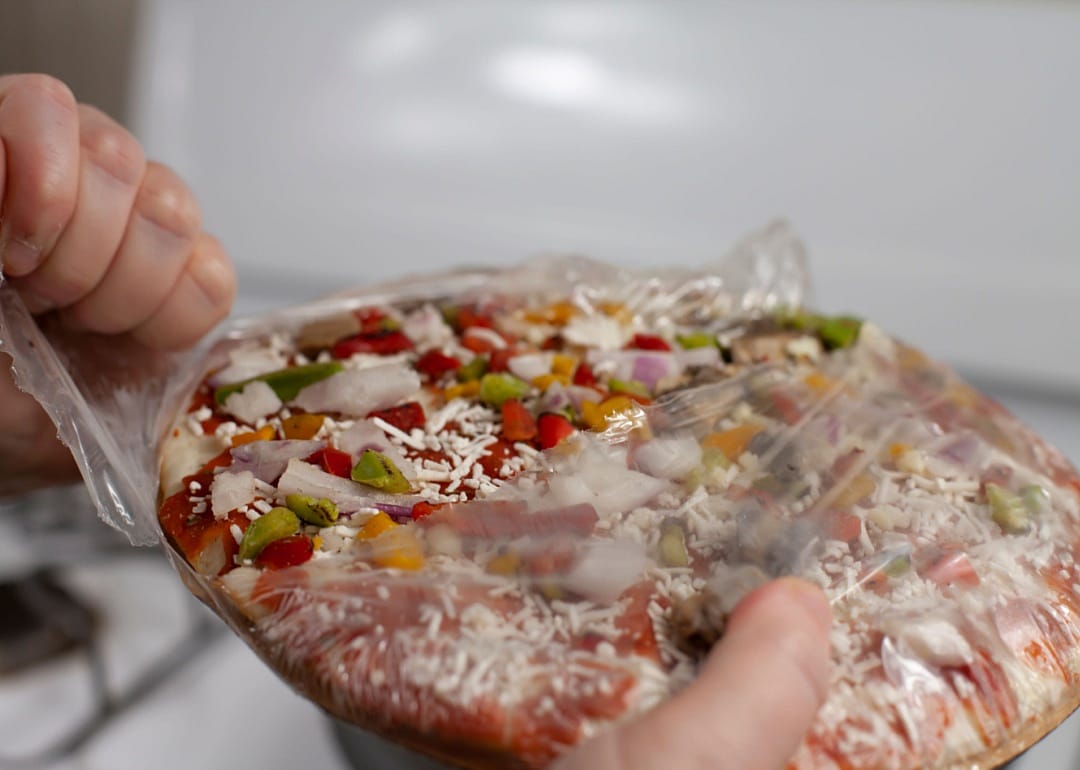
Take the universally enjoyed chicken nugget, a processed food that has become a staple in children's diets. Chicken nuggets are made by deboning a chicken and grinding up the meat into a paste combined with chemicals, preservatives, and even food coloring before it's shaped into nuggets and deep-fried in oil. Other common ultra-processed foods include canned meats and deli meats, pizza, ice cream, canned soups, and potato chips.