Canva
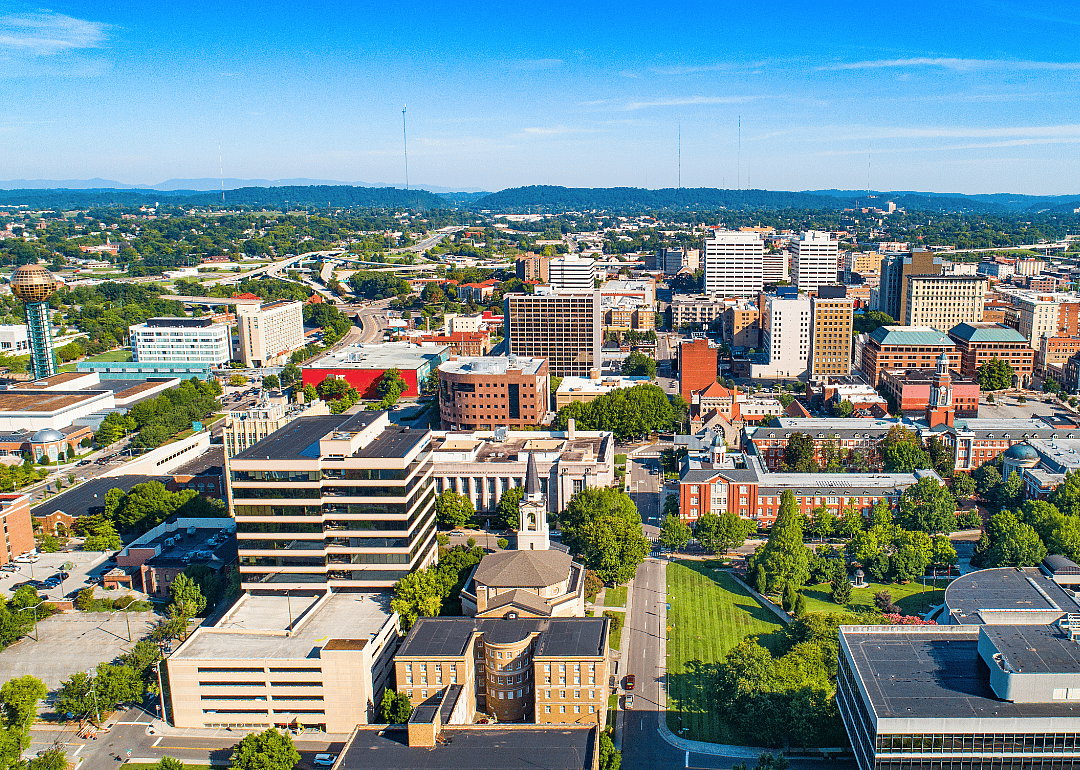
1 / 50#50. Seymour, Tennessee
- Total population: 10,919
- Share of adults who are depressed: 29.0%

Depression has taken an increasingly firm grip on Americans' lives over the past decade. Both self-reported lifetime and current depression rates among U.S. adults have increased each year—and hit a new high in 2023, the most recent year with available data—according to Gallup poll data. The poll shows that 29% of adults have reported being diagnosed with depression, a nearly 10% increase from 2015.
Although the COVID-19 pandemic caused cases to spike sharply between 2020 and 2022, its lingering effects can still be seen today. An analysis published by USA Today in February 2024 found that the number of mental-health related prescriptions has risen sharply in recent years, outpacing all total prescriptions. And as of May 2024, the National Center for Health Statistics reports that the number of American adults with depression symptoms is still more than double the 2019 amount.
But it's also worth noting that depression rates can vary across the U.S. Stacker examined data from the Centers for Disease Control and Prevention's annual PLACES report, released in July 2023, to see which cities had the highest share of adults diagnosed with depression. Cities are ranked by the share of respondents to a 2021 survey who reported having been told by a health professional that they had depressive disorder. In the event of a tie, the overall population was used. Cities with at least 10,000 residents were included.
The current ranking primarily features cities in the South, a part of the U.S. with elevated poverty rates that also saw consistently higher COVID-19 mortality rates during the pandemic. The confluence of these risk factors likely contributed to increased depression rates in Southern cities. According to the 2021 longitudinal study, while low-income individuals were 2.3 times more likely to experience elevated depressive episodes than those with high incomes prior to COVID-19, this odds ratio jumped to 7 as the pandemic progressed.
However, the pandemic and its ramifications don't fully explain the regional distribution of cities in the ranking. Cities in the Pacific Northwest also appear frequently on the list, likely due to the area's climatic conditions. These states are home to places with some of the highest precipitation in the nation. A 2014 study in the International Journal of Preventive Medicine found that depression was more prevalent in areas with higher numbers of cold and rainy days in a given year.
You may also like: 10 health care industries with the largest share of retirement-age workers
Canva
1 / 50- Total population: 10,919
- Share of adults who are depressed: 29.0%
Cory Woodruff // Shutterstock
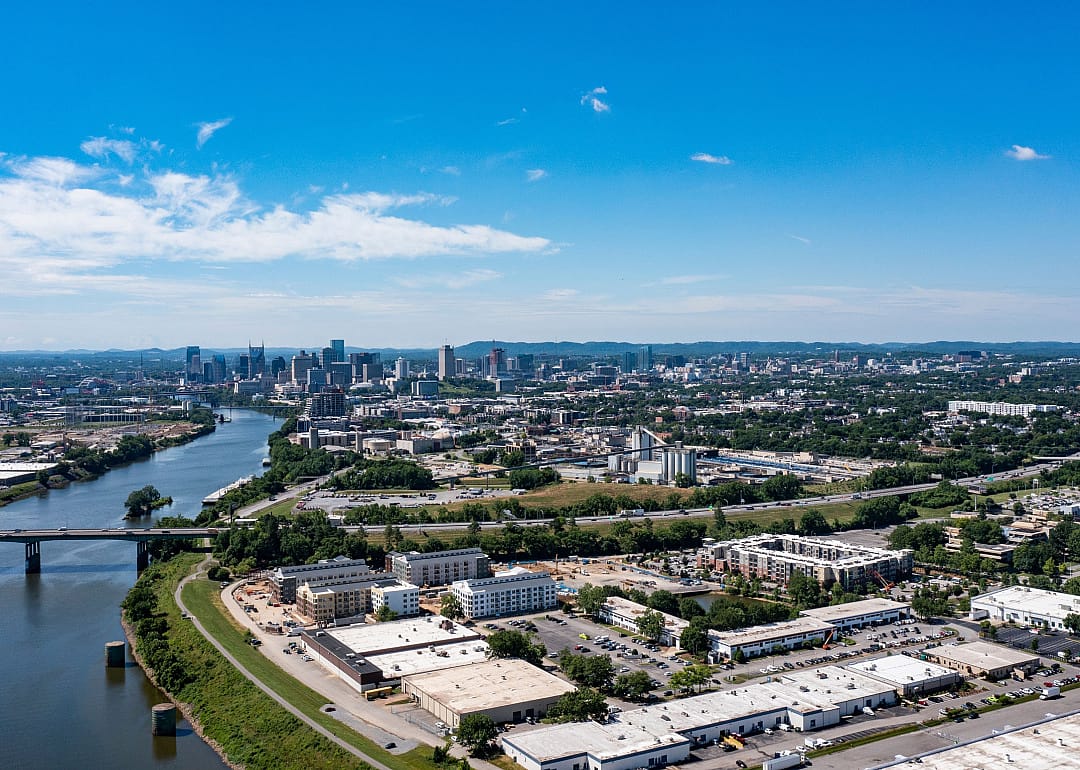
2 / 50- Total population: 14,721
- Share of adults who are depressed: 29.0%
Canva
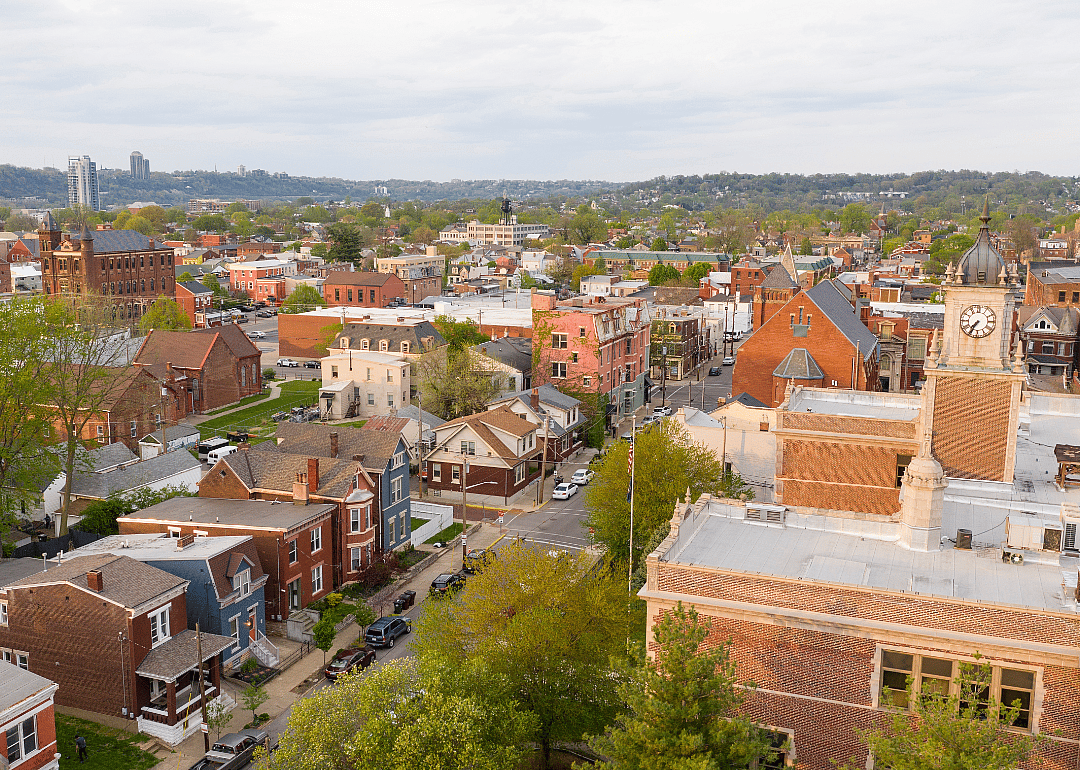
3 / 50- Total population: 15,273
- Share of adults who are depressed: 29.0%

SummerRain // Shutterstock
4 / 50- Total population: 19,355
- Share of adults who are depressed: 29.0%
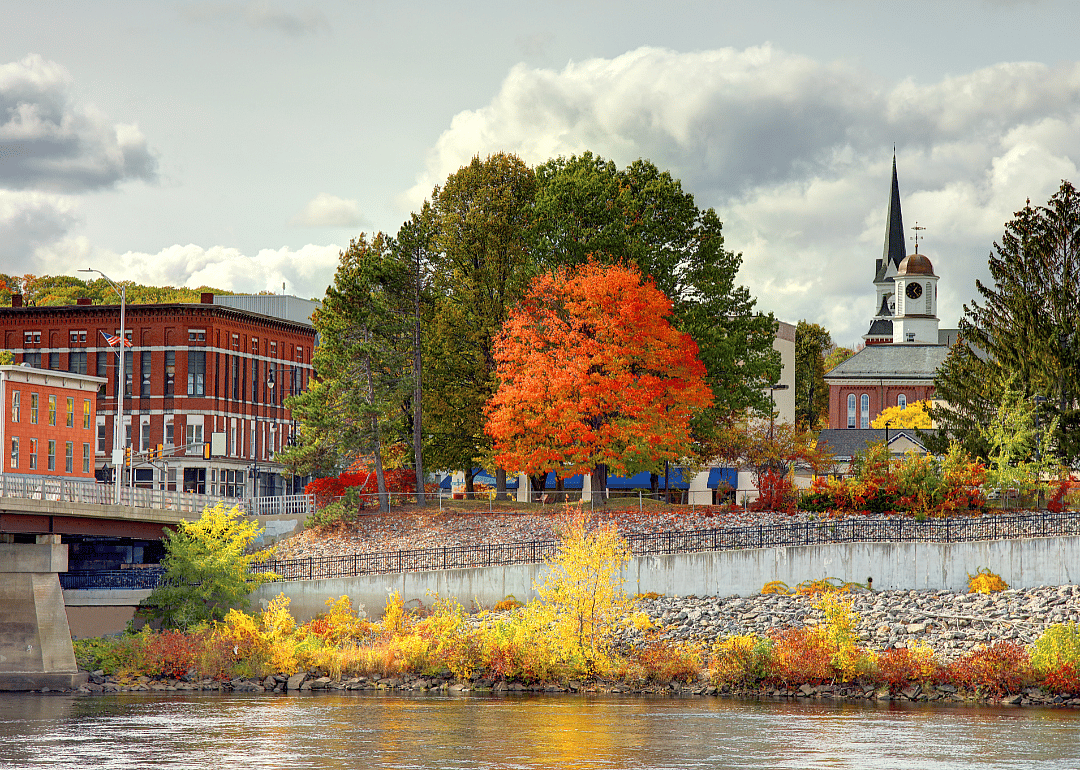
Canva
5 / 50- Total population: 23,055
- Share of adults who are depressed: 29.0%
You may also like: Military sexual trauma is shockingly common—Here's how it affects mental health

Ian Dewar Photography // Shutterstock
6 / 50- Total population: 15,547
- Share of adults who are depressed: 29.1%
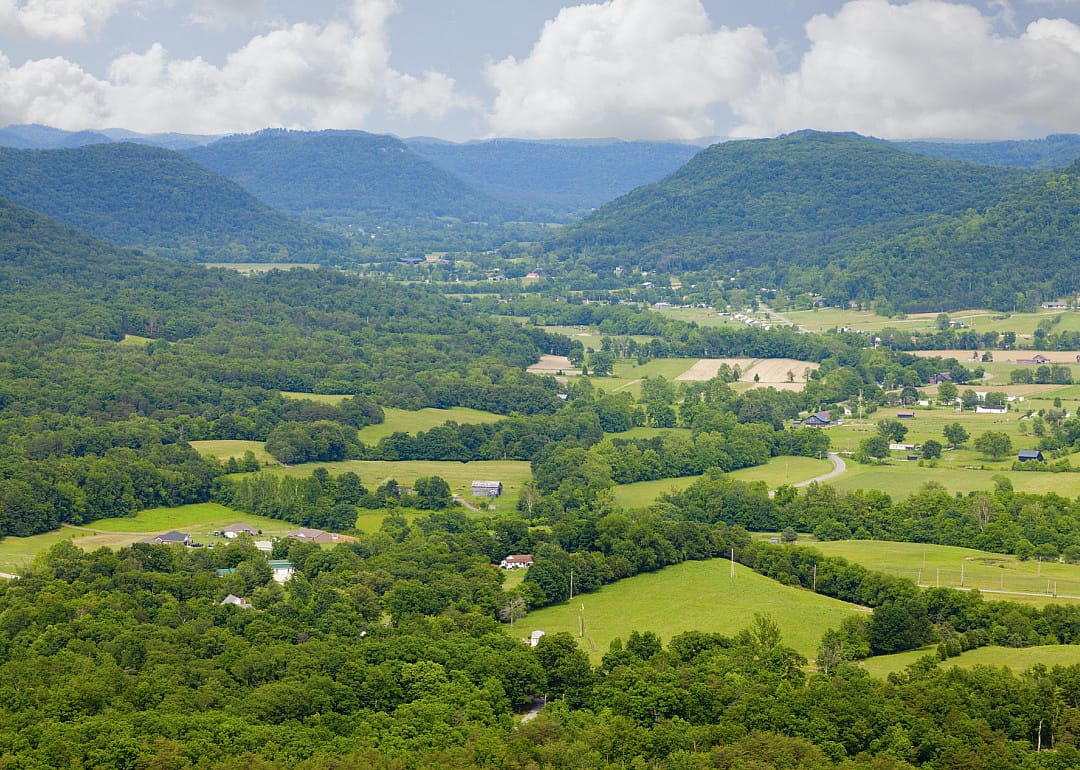
Alexey Stiop // Shutterstock
7 / 50- Total population: 10,399
- Share of adults who are depressed: 29.2%
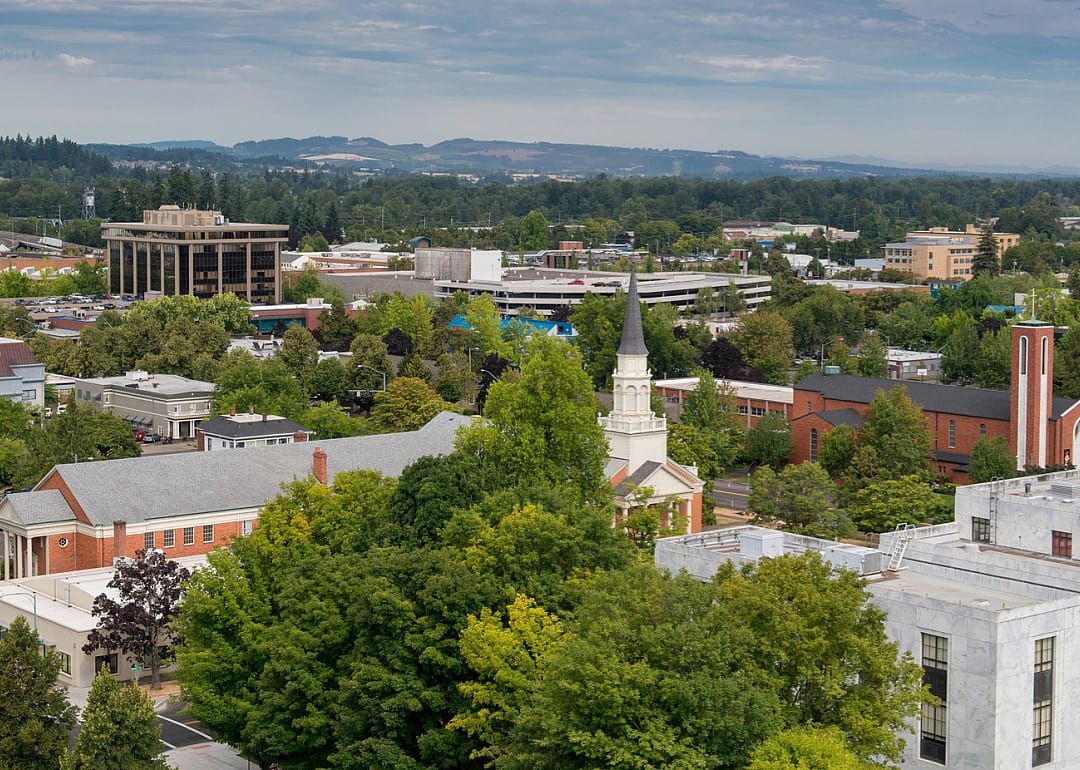
Nagel Photography // Shutterstock
8 / 50- Total population: 15,718
- Share of adults who are depressed: 29.2%
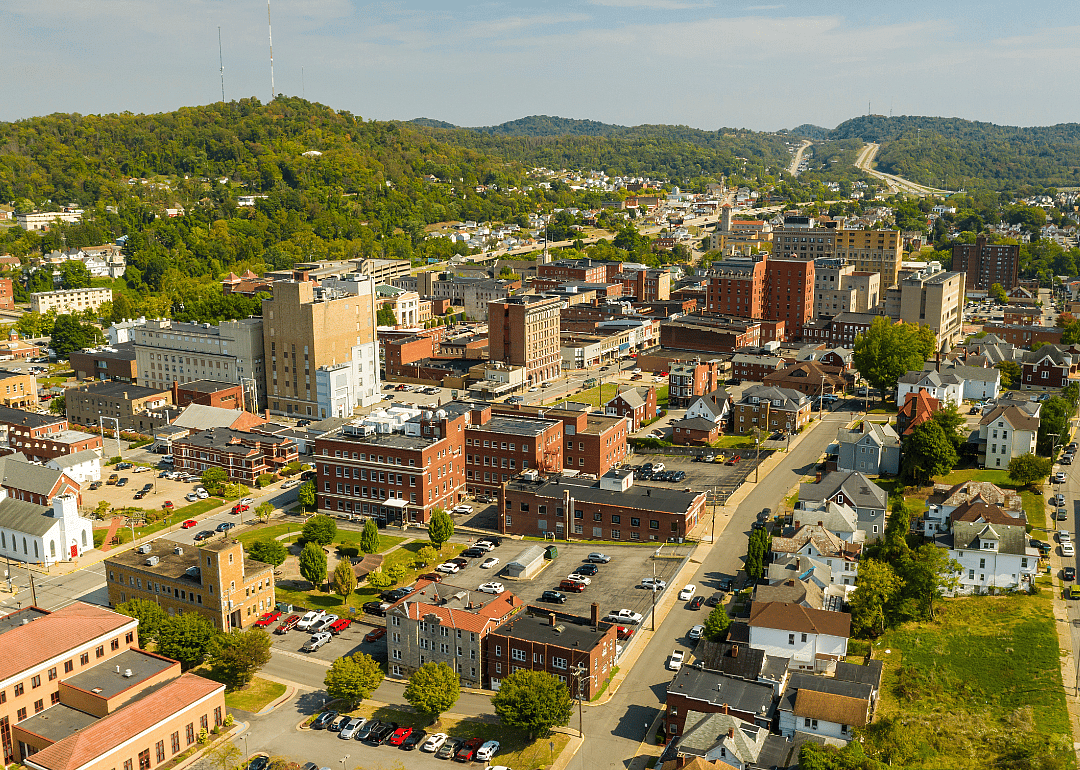
Canva
9 / 50- Total population: 16,575
- Share of adults who are depressed: 29.2%
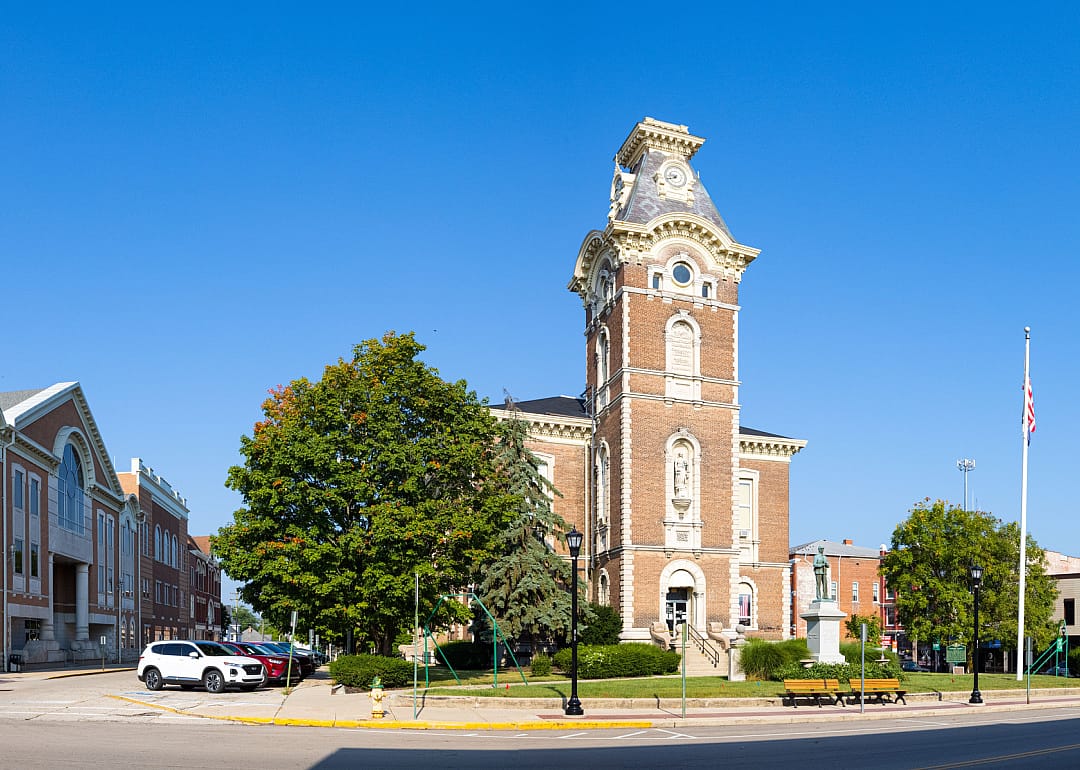
Roberto Galan // Shutterstock
10 / 50- Total population: 18,114
- Share of adults who are depressed: 29.2%
You may also like: 11 science-backed ways to naturally increase testosterone
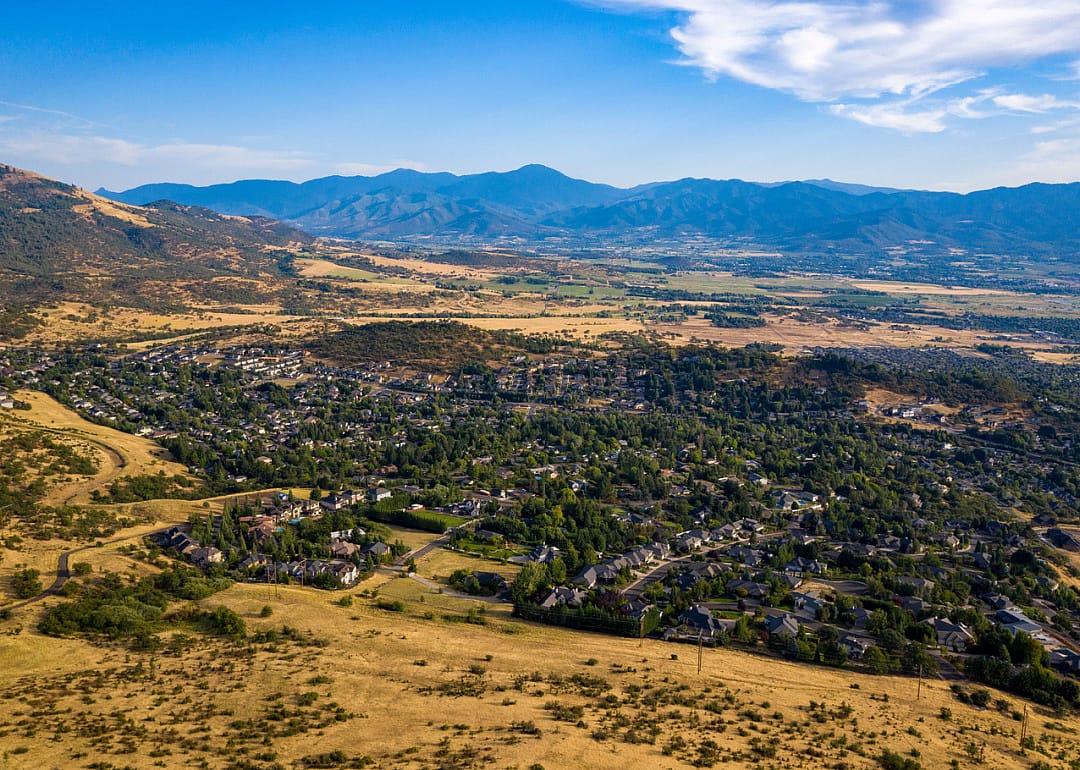
Ahturner // Shutterstock
11 / 50- Total population: 74,986
- Share of adults who are depressed: 29.2%
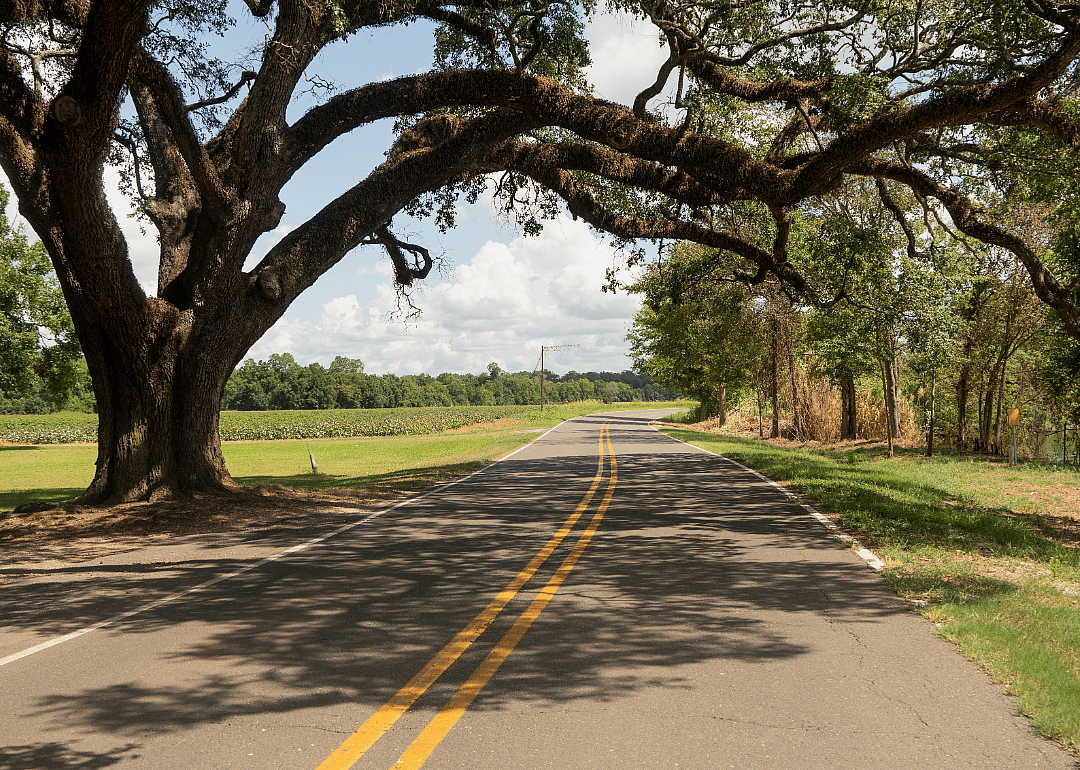
Canva
12 / 50- Total population: 12,352
- Share of adults who are depressed: 29.3%

J. Leonard // Shutterstock
13 / 50- Total population: 10,173
- Share of adults who are depressed: 29.4%
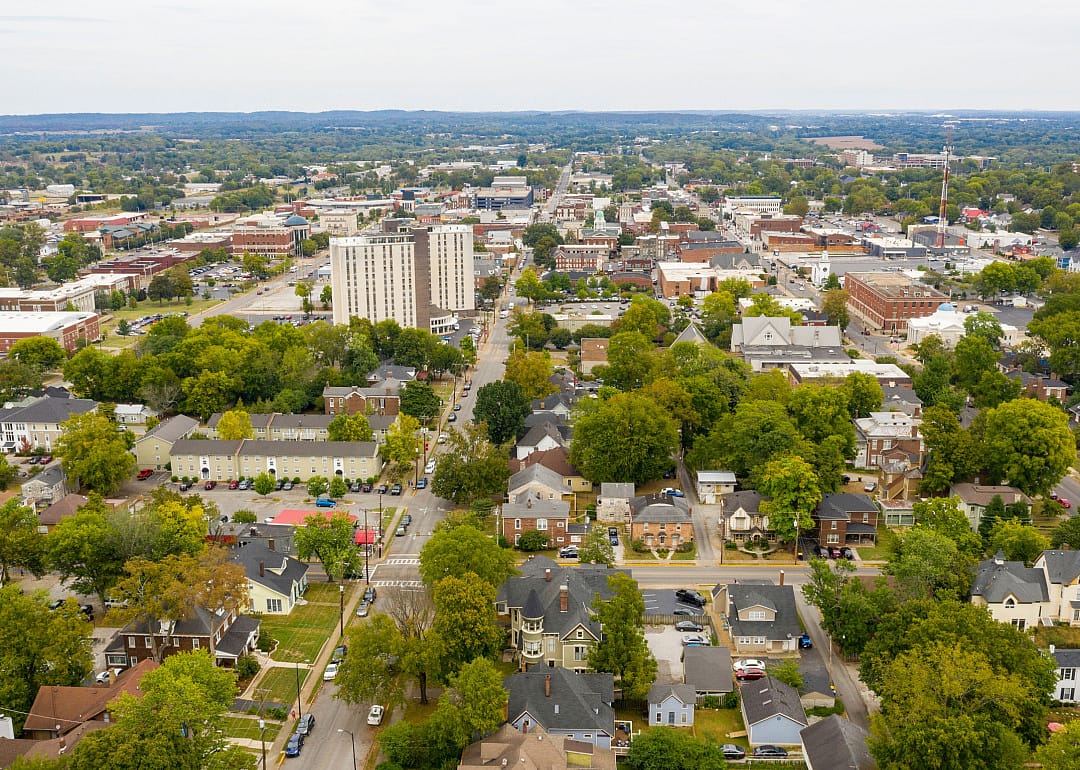
Real Window Creative // Shutterstock
14 / 50- Total population: 14,137
- Share of adults who are depressed: 29.4%

Me Wise Magic 5150 // Shutterstock
15 / 50- Total population: 16,896
- Share of adults who are depressed: 29.4%
You may also like: New research suggests a beneficial link between erectile dysfunction medication and heart health
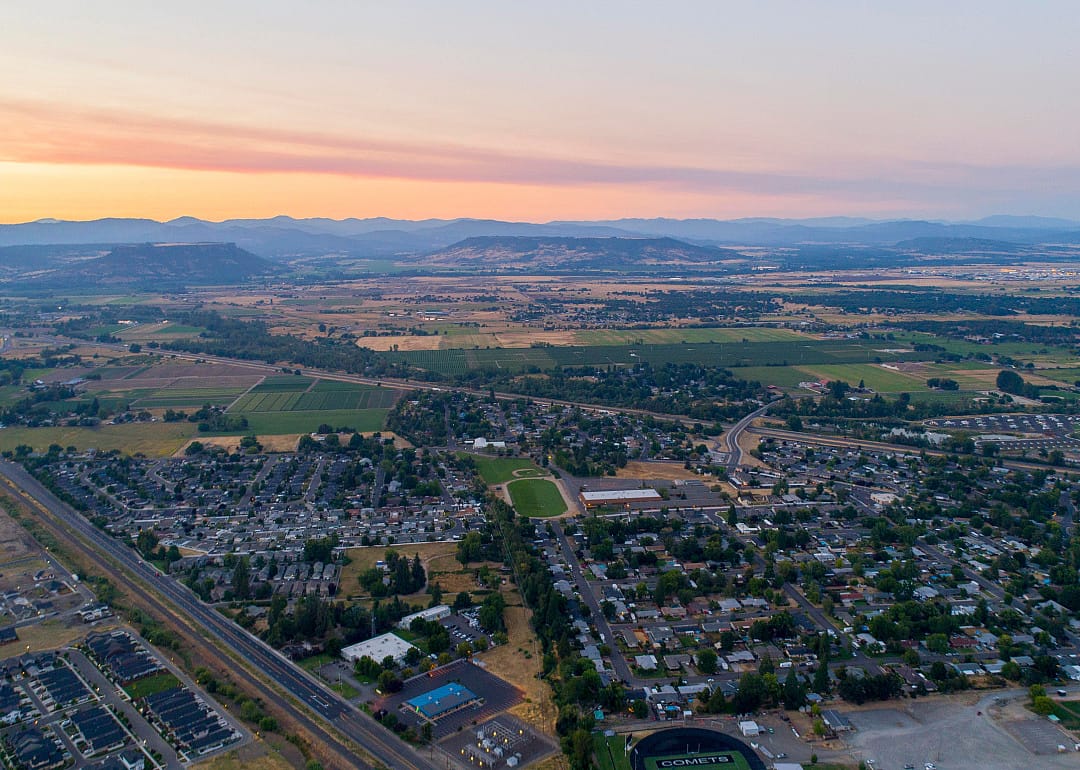
Nick Alexander Films // Shutterstock
16 / 50- Total population: 17,200
- Share of adults who are depressed: 29.4%

The American Explorer // Shutterstock
17 / 50- Total population: 28,857
- Share of adults who are depressed: 29.4%
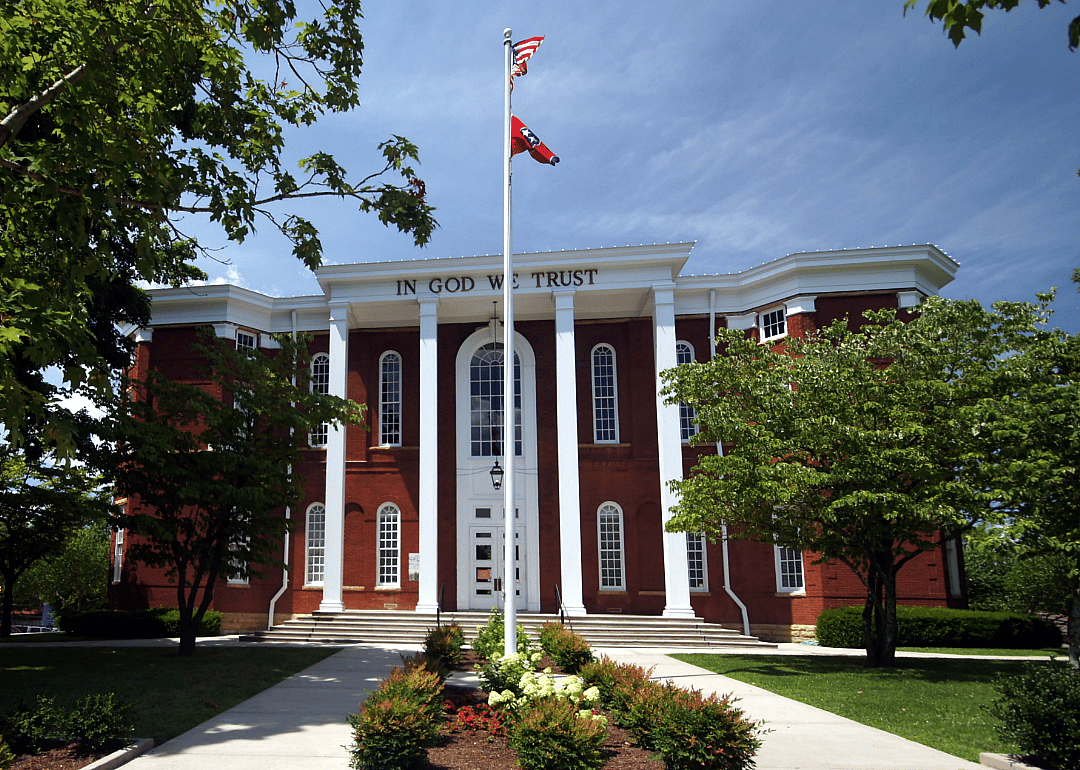
Canva
18 / 50- Total population: 30,981
- Share of adults who are depressed: 29.4%

Canva
19 / 50- Total population: 36,867
- Share of adults who are depressed: 29.4%
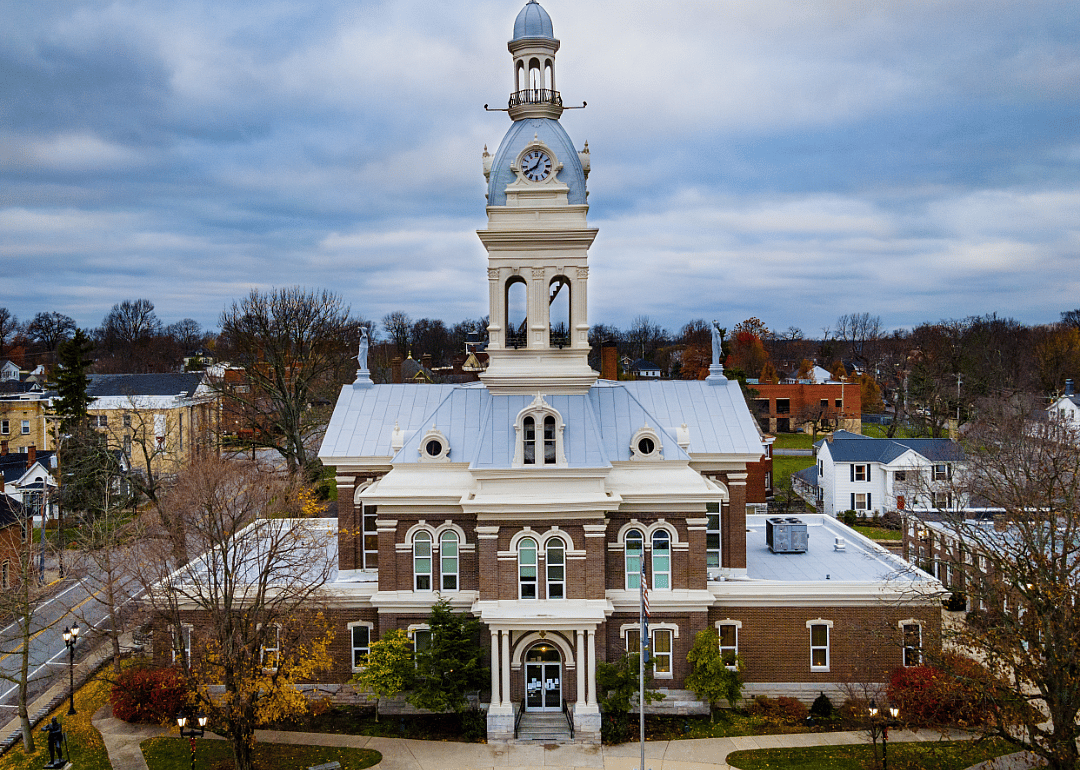
Canva
20 / 50- Total population: 28,112
- Share of adults who are depressed: 29.5%
You may also like: How access to affordable housing impacts public health
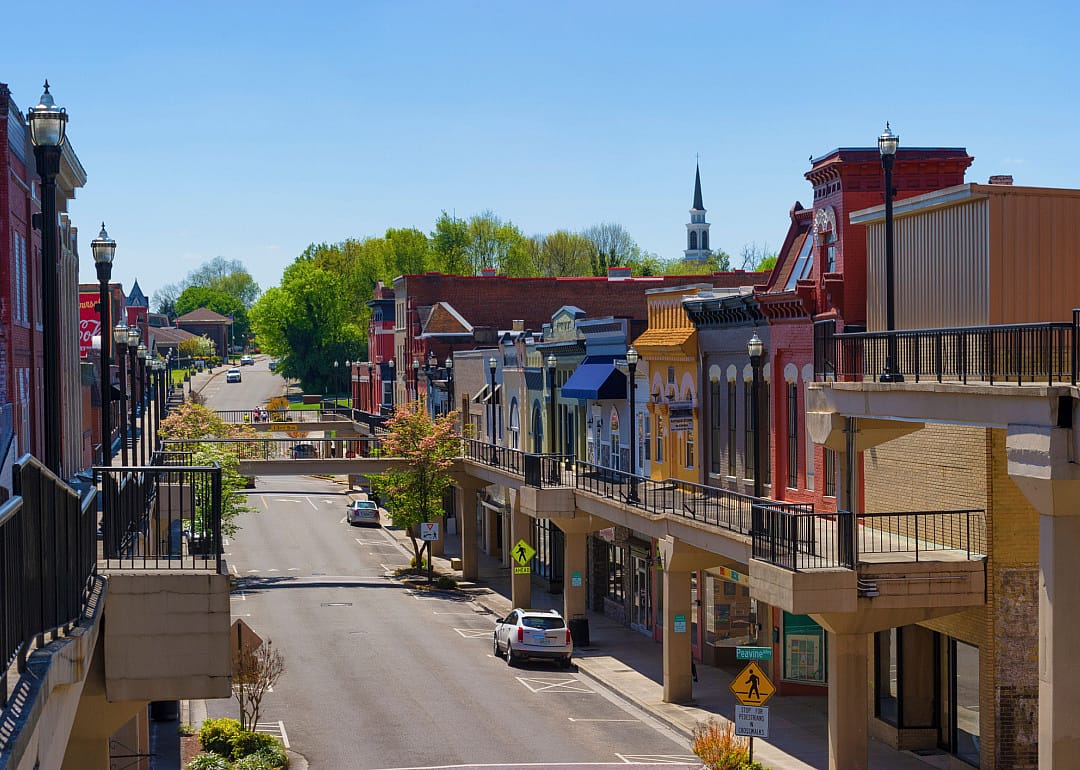
Dee Browning // Shutterstock
21 / 50- Total population: 29,192
- Share of adults who are depressed: 29.5%
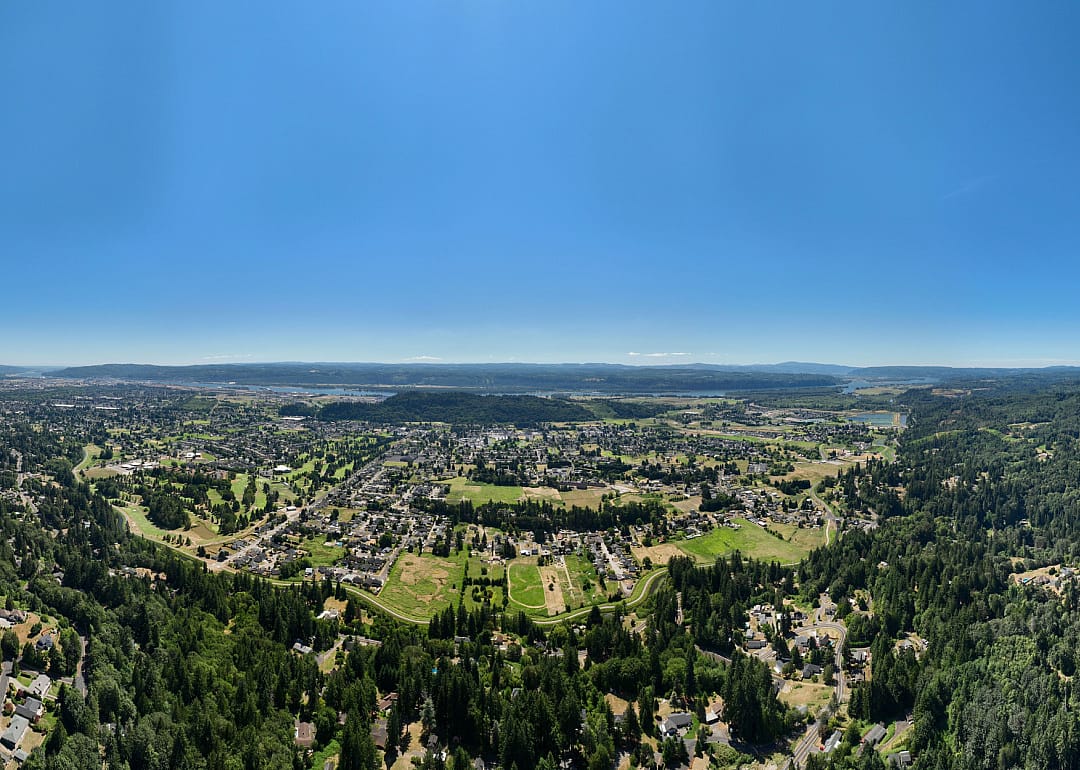
Wirestock Creators // Shutterstock
22 / 50- Total population: 11,917
- Share of adults who are depressed: 29.6%

Steve Jordan // Shutterstock
23 / 50- Total population: 12,672
- Share of adults who are depressed: 29.6%
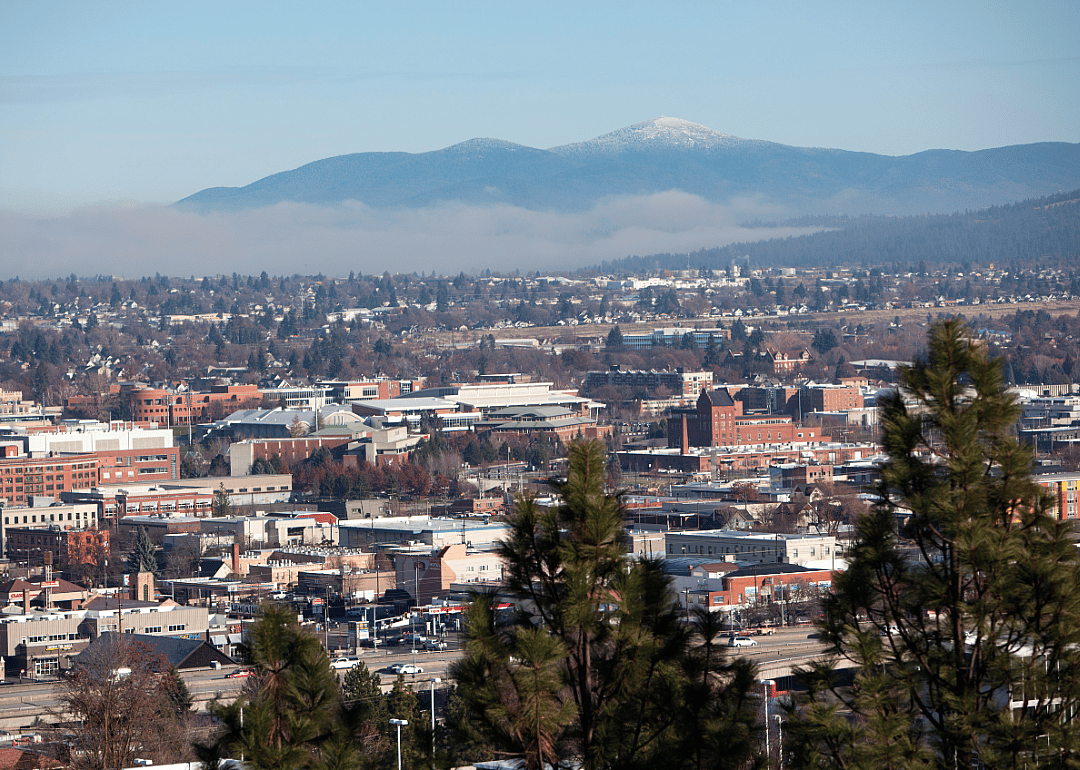
Canva
24 / 50- Total population: 10,590
- Share of adults who are depressed: 29.7%

CL Shebley // Shutterstock
25 / 50- Total population: 28,121
- Share of adults who are depressed: 29.7%
You may also like: A comprehensive history of weight loss drugs through the latest injections
Canva
26 / 50- Total population: 10,898
- Share of adults who are depressed: 29.8%
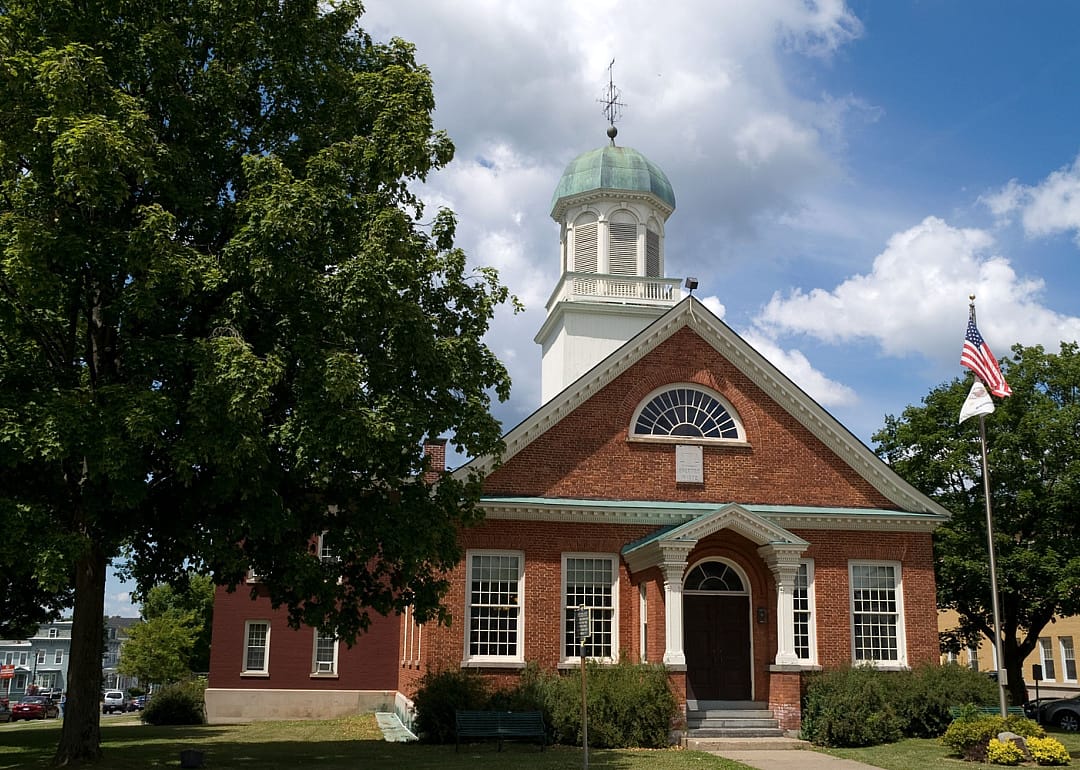
Sue Smith // Shutterstock
27 / 50- Total population: 15,681
- Share of adults who are depressed: 29.8%
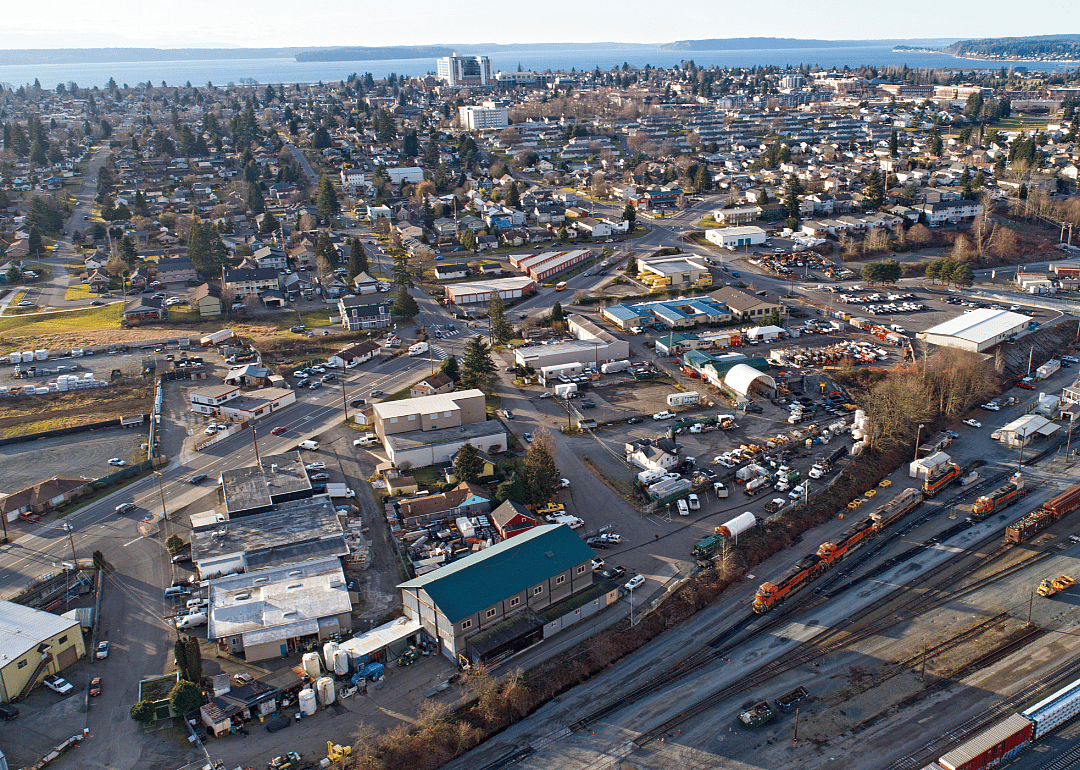
Canva
28 / 50- Total population: 103,019
- Share of adults who are depressed: 29.8%

2Kahns Photo Arts // Shutterstock
29 / 50- Total population: 11,077
- Share of adults who are depressed: 29.9%

Lijuan Guo // Shutterstock
30 / 50- Total population: 11,437
- Share of adults who are depressed: 29.9%
You may also like: These were the biggest sources of stress for Americans last year

Carla Sloke // Shutterstock
31 / 50- Total population: 11,502
- Share of adults who are depressed: 29.9%
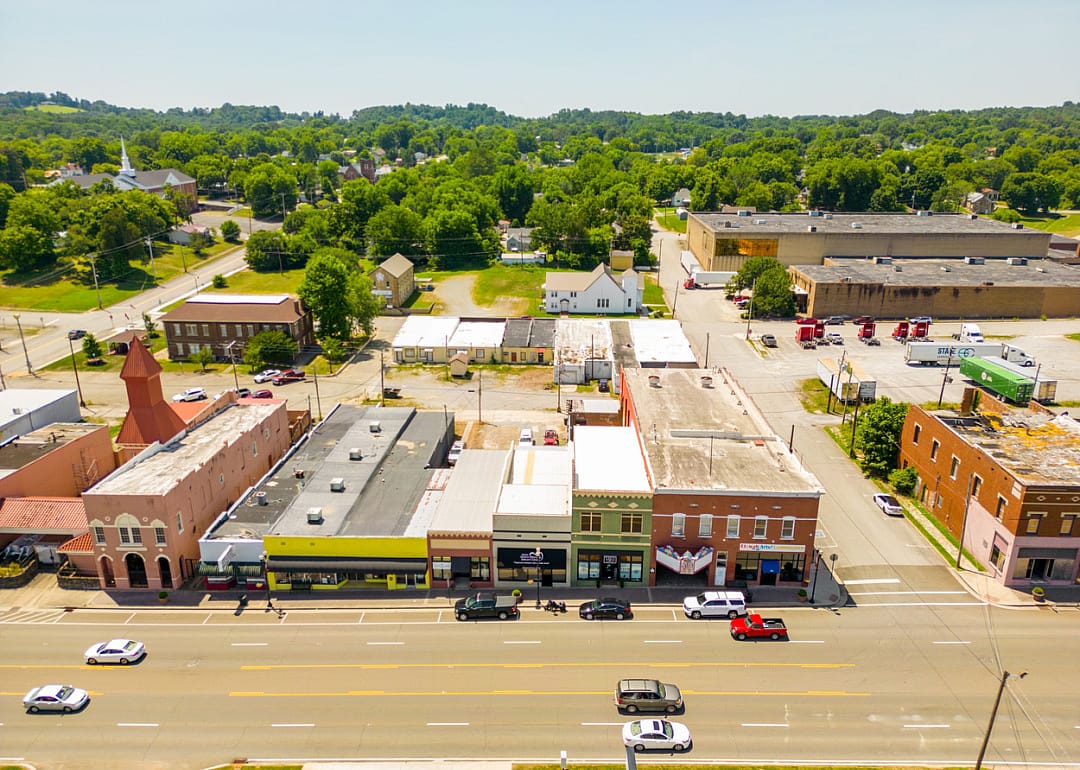
Felix Mizioznikov // Shutterstock
32 / 50- Total population: 13,538
- Share of adults who are depressed: 29.9%

Stony River // Shutterstock
33 / 50- Total population: 49,138
- Share of adults who are depressed: 29.9%
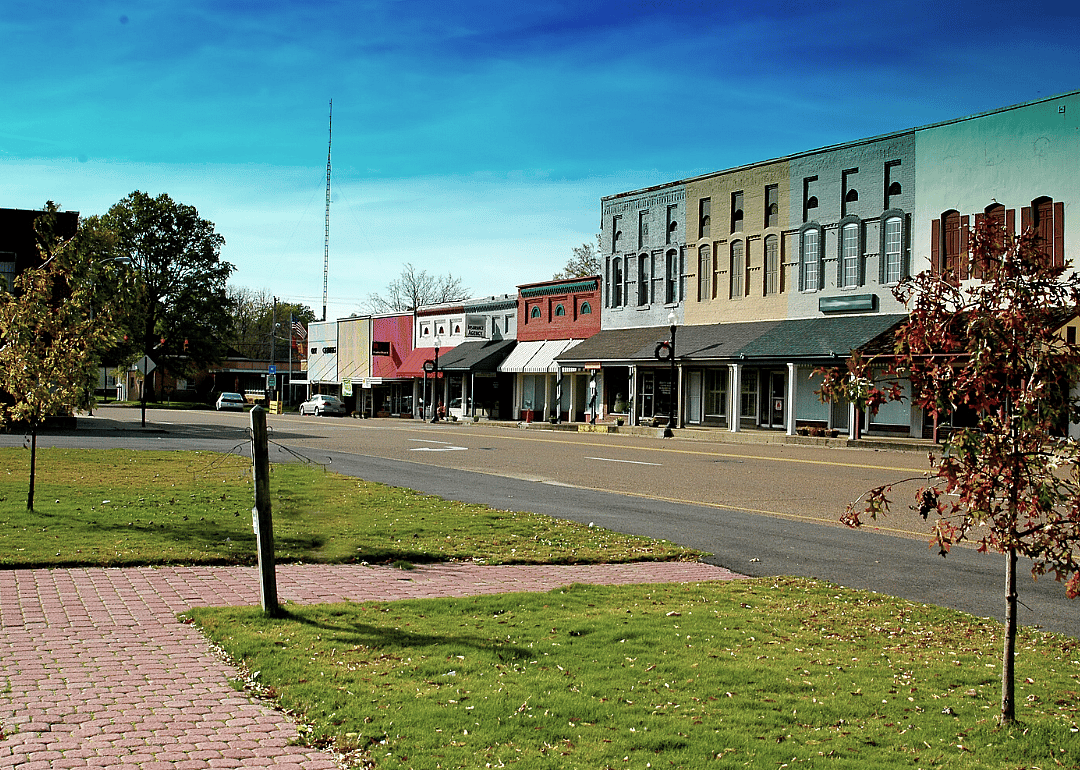
Adrian T Jones // Shutterstock
34 / 50- Total population: 11,461
- Share of adults who are depressed: 30.0%
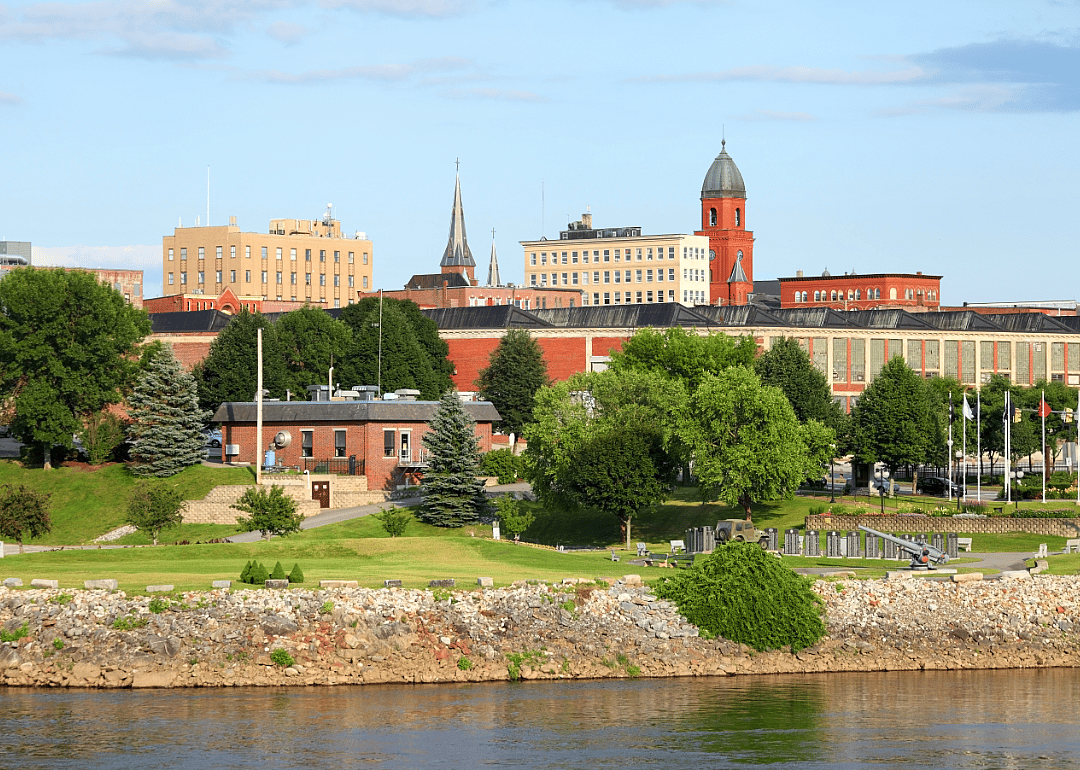
Canva
35 / 50- Total population: 36,592
- Share of adults who are depressed: 30.0%
You may also like: Location can impact health more than genetics. These initiatives are improving rural health care access.
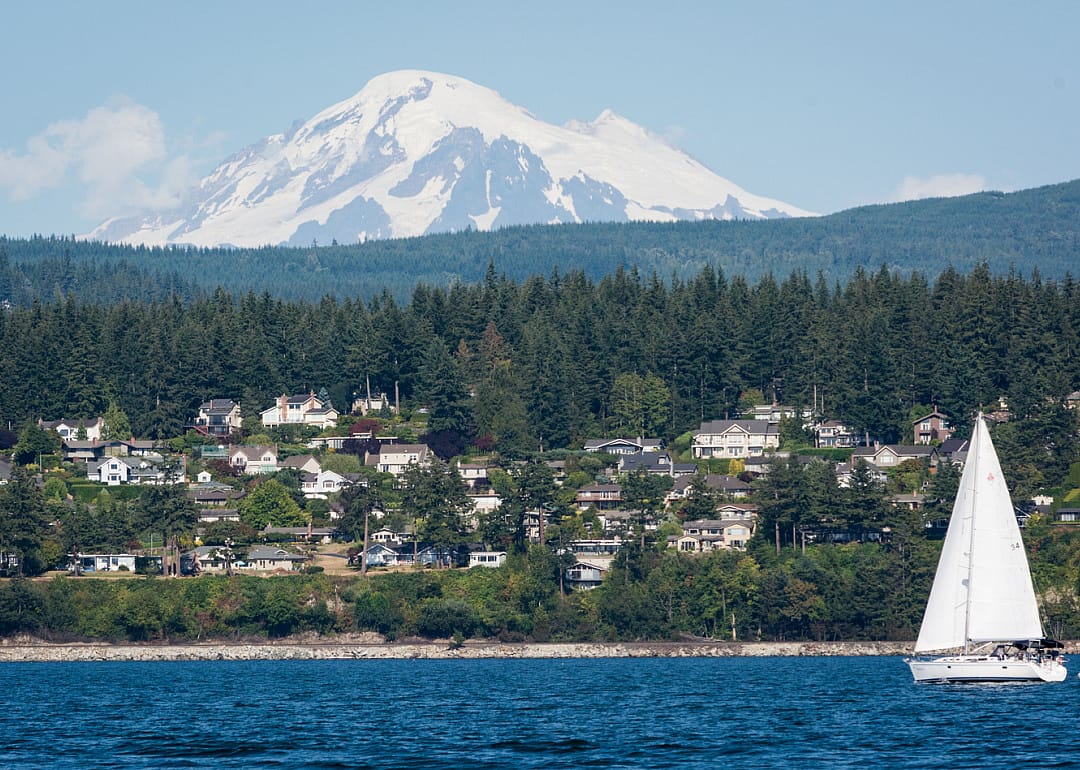
Chris Allan // Shutterstock
36 / 50- Total population: 81,279
- Share of adults who are depressed: 30.0%
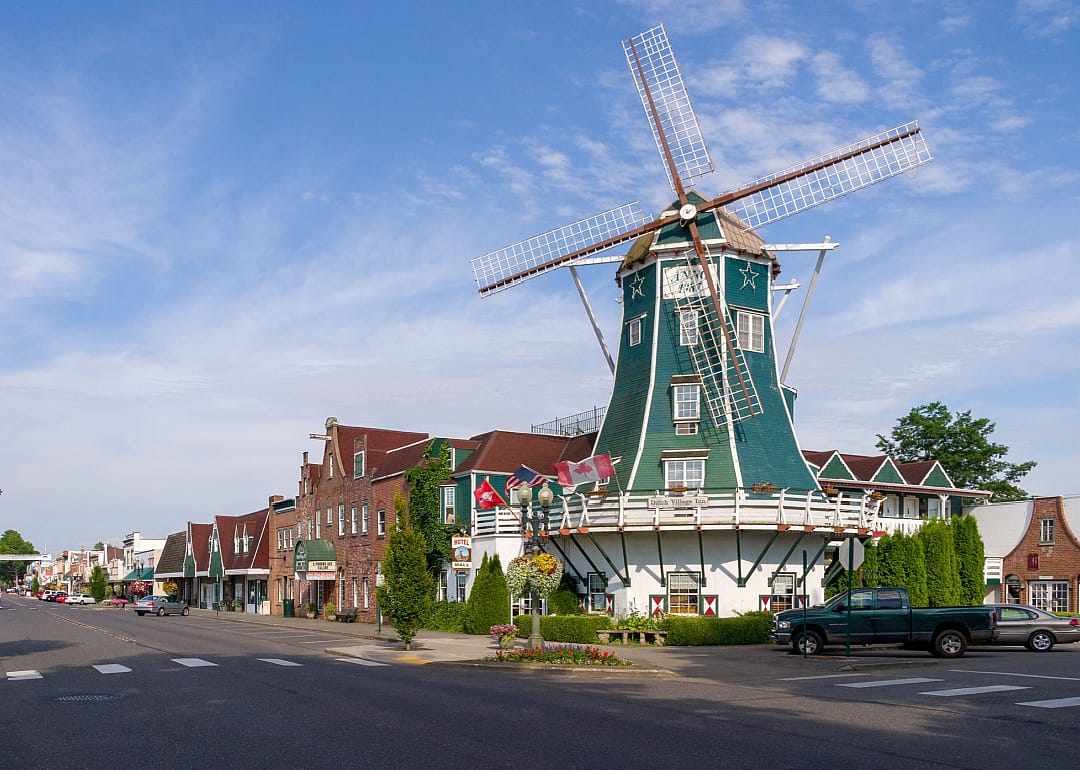
Laurens Hoddenbagh // Shutterstock
37 / 50- Total population: 12,023
- Share of adults who are depressed: 30.1%
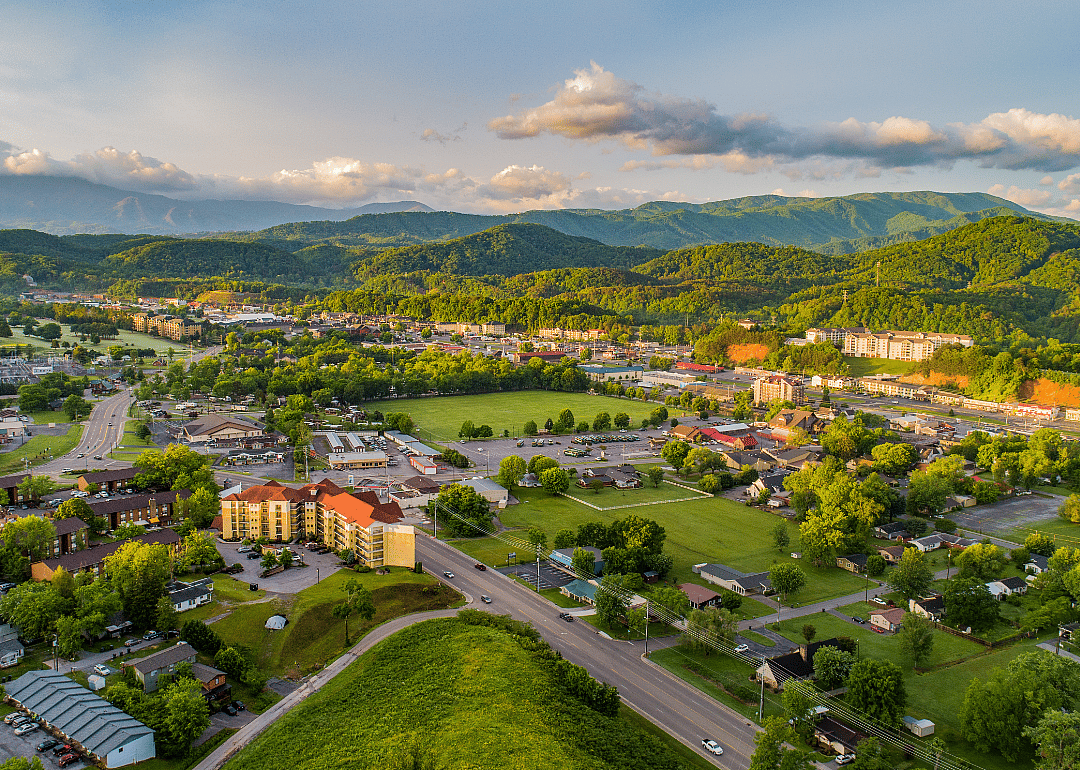
Canva
38 / 50- Total population: 14,835
- Share of adults who are depressed: 30.2%
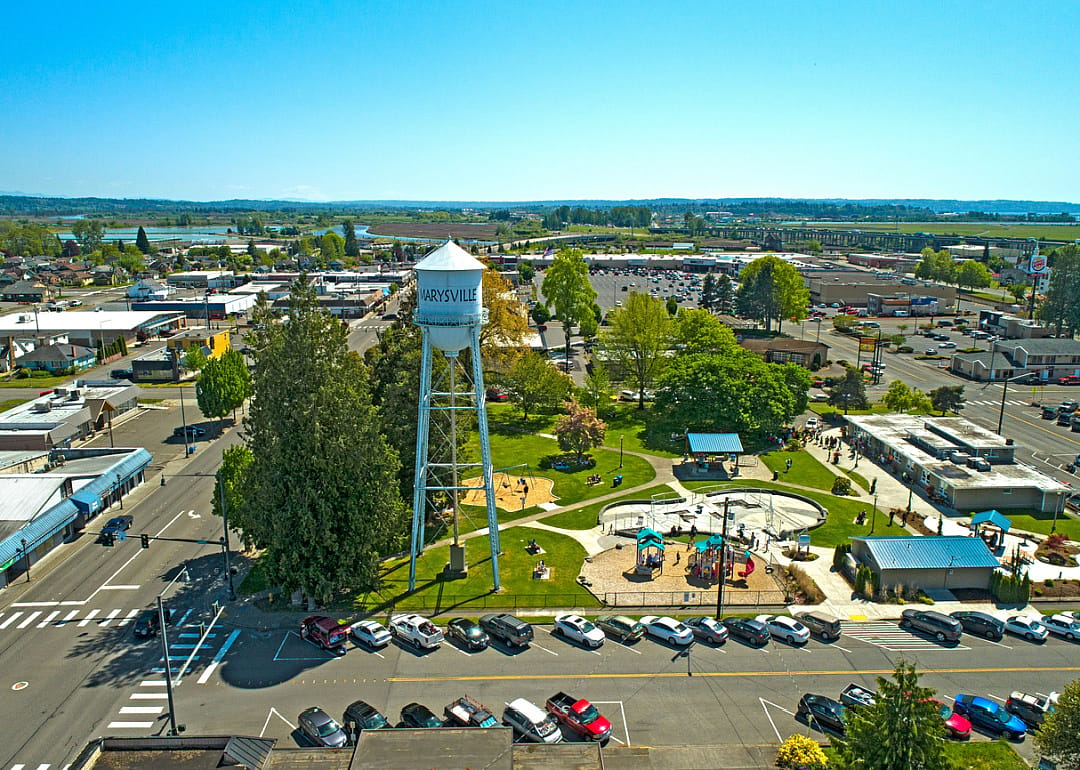
Cascade Creatives // Shutterstock
39 / 50- Total population: 60,017
- Share of adults who are depressed: 30.4%

Ian Dewar Photography // Shutterstock
40 / 50- Total population: 17,836
- Share of adults who are depressed: 30.6%
You may also like: How adolescent substance use treatment has changed over the past 70 years
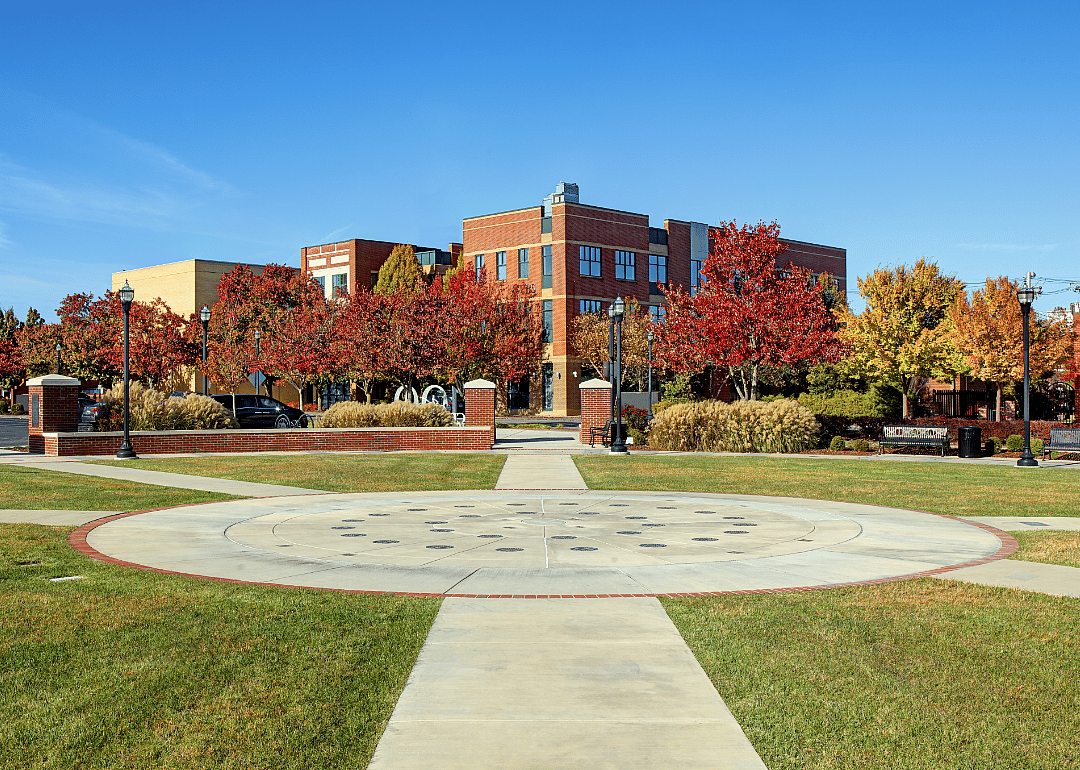
Canva
41 / 50- Total population: 52,487
- Share of adults who are depressed: 30.7%

Canva
42 / 50- Total population: 10,428
- Share of adults who are depressed: 30.8%

Nolichuckyjake // Shutterstock
43 / 50- Total population: 26,714
- Share of adults who are depressed: 31.0%
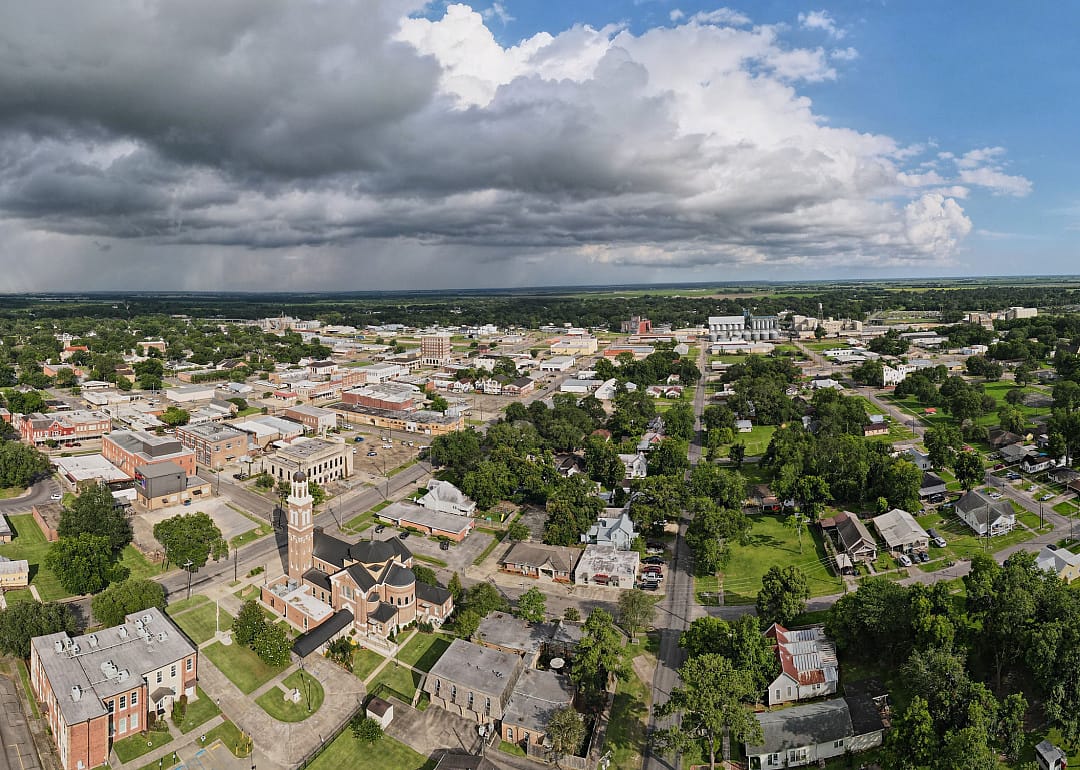
The GoProDad // Shutterstock
44 / 50- Total population: 13,265
- Share of adults who are depressed: 31.3%

Canva
45 / 50- Total population: 21,684
- Share of adults who are depressed: 31.3%
You may also like: Should creatine be part of a menopause supplement stack?

KennStilger47 // Shutterstock
46 / 50- Total population: 13,605
- Share of adults who are depressed: 31.5%

Canva
47 / 50- Total population: 14,193
- Share of adults who are depressed: 31.5%

EWY Media // Shutterstock
48 / 50- Total population: 11,225
- Share of adults who are depressed: 31.6%
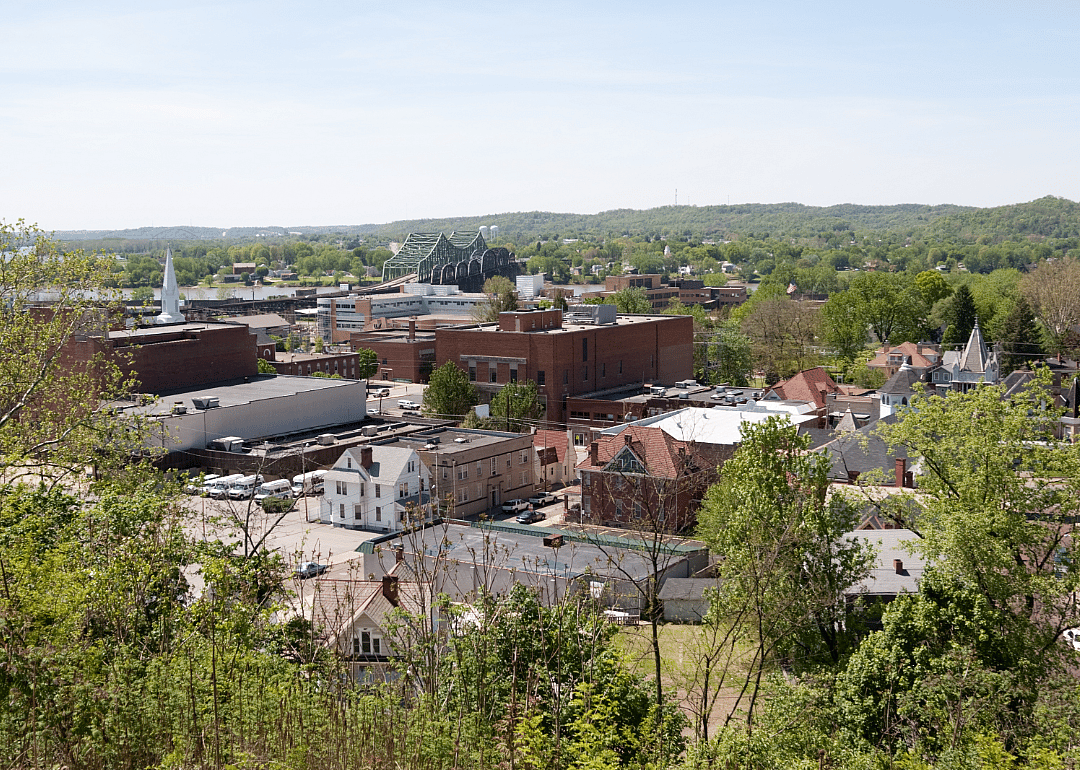
Canva
49 / 50- Total population: 31,497
- Share of adults who are depressed: 31.7%
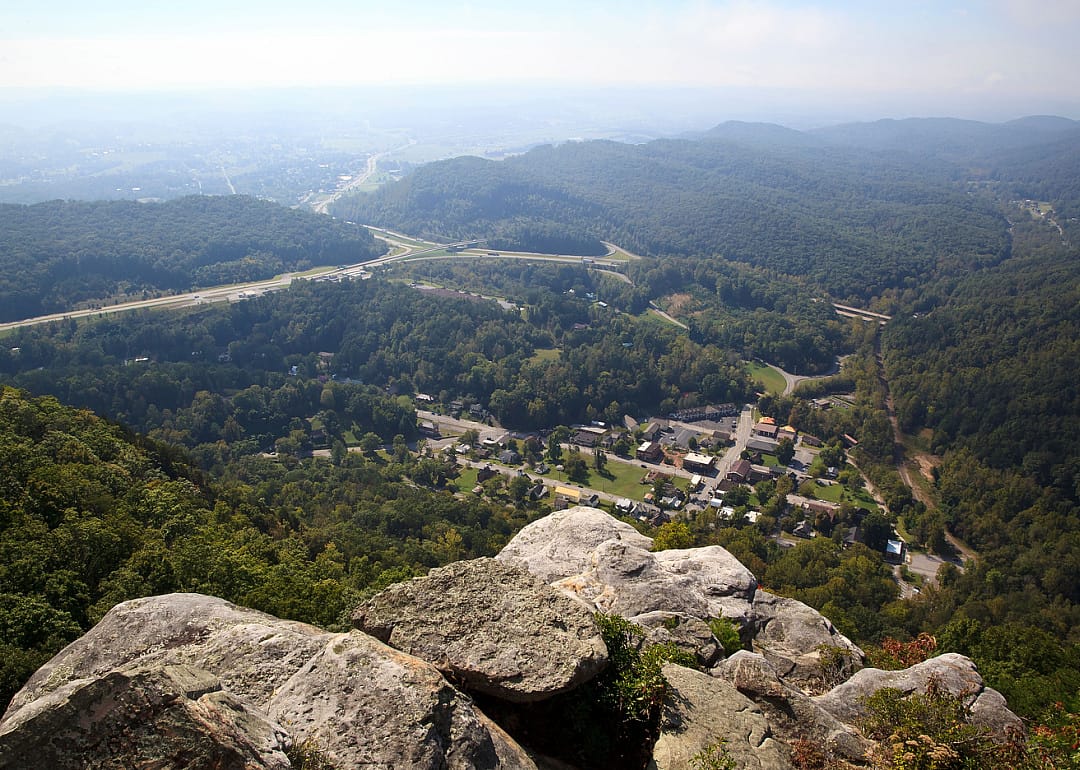
Jill Lang // Shutterstock
50 / 50- Total population: 10,207
- Share of adults who are depressed: 32.3%
Data reporting by Elena Cox. Story editing by Jeff Inglis. Copy editing by Tim Bruns.
You may also like: Is your screen time tanking your sperm count? A urologist explains new study results