Photo illustration by Elizabeth Ciano // Shutterstock
1 / 3An opportunity to improve screening rates
Early detection is the key to preventing cervical cancer deaths. Yet, data spanning June 2016 to May 2019 published in the American Journal of Preventive Medicine in October 2023 suggests that only two-thirds of at-risk people are up-to-date on screenings. For Black people, that number drops to about half.
One factor that impacts screening rates includes whether people have insurance coverage. A 2022 KFF Women's Health Survey found that 42% of uninsured women had received a cervical cancer screening in the past year, compared to 64% with private insurance and 56% of those with Medicaid. However, even when screening rates are equal, disparities in care and delays in treatment have contributed to lower survival rates among those who are diagnosed with cancer.
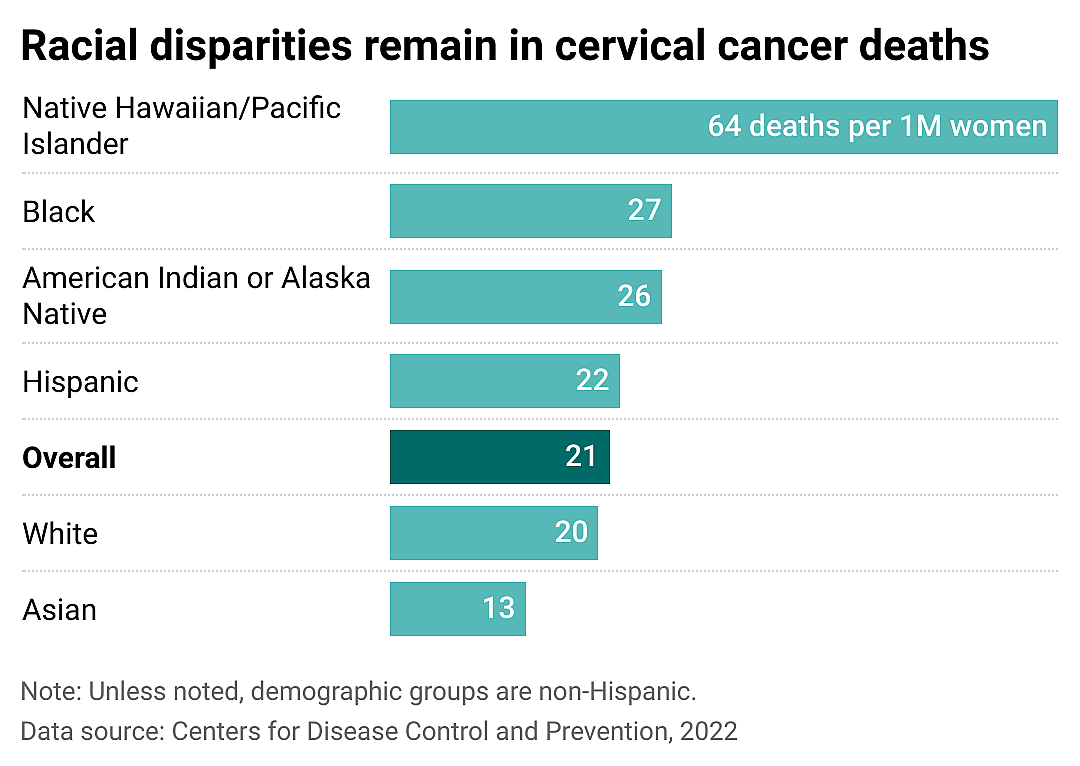
Within the health care system, racial bias and discrimination contribute to disparities in mortality rates. Differences in the quality of screening techniques and a lack of representation of people of color in the development of screening guidelines and clinical trials are just a few forms of systemic bias.
Research from the American Cancer Society released in January 2020 showed that even when adjusting for age, sex, and stage of diagnosis, Black people are 33% more likely to die from cancer than white patients. For American Indians and Alaska Natives, the risk of dying from cancer is 51% higher.
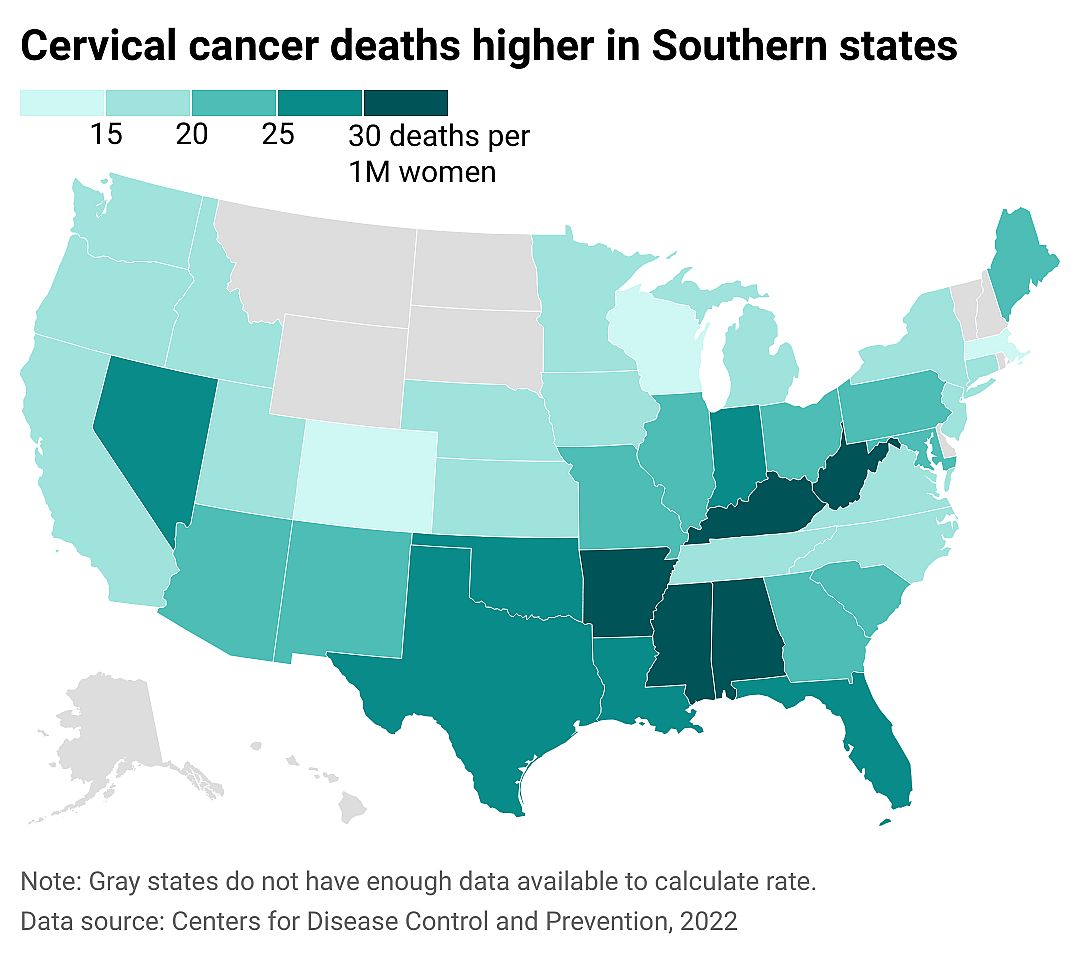
Where a patient lives can also affect screening rates. In 2022, less than half of rural residents received a Pap smear in the prior year, compared to about 2 in 3 urban residents, according to another study published in the Journal of the American Medical Association, which looked at data from 2019 to 2022.
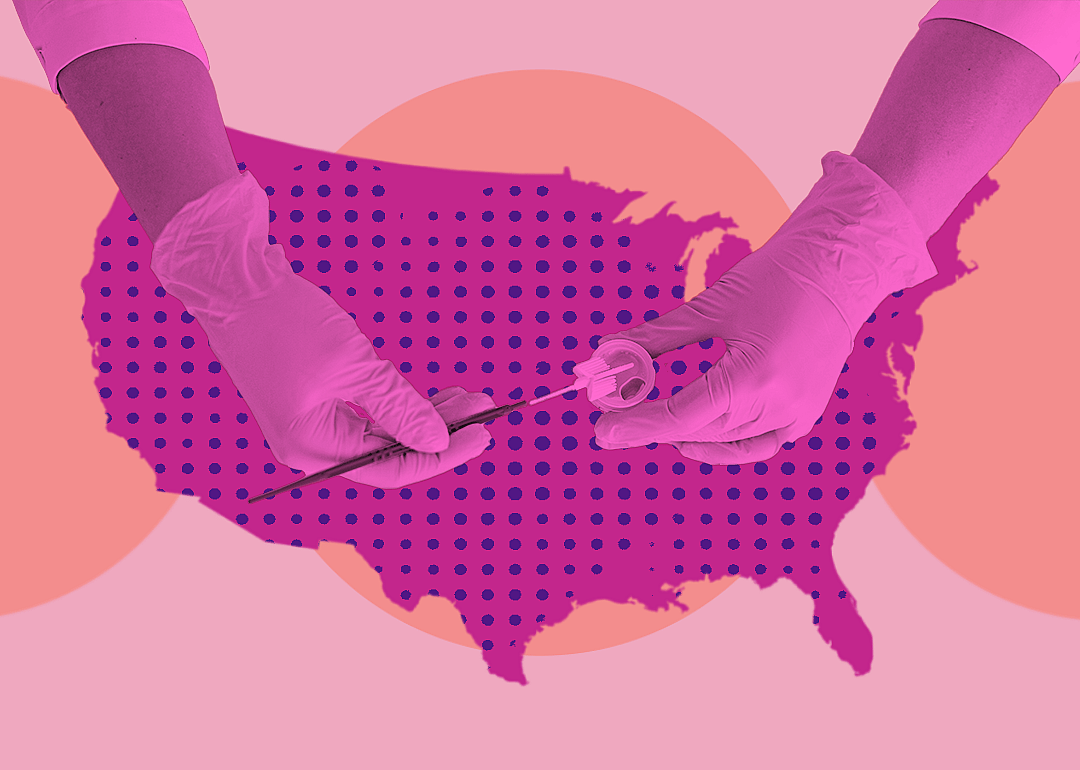
The hope is that self-collection will improve screening rates among underserved populations in the U.S. Similar strategies have been adopted in Denmark, Sweden, and the Netherlands to much success. In Australia, more than 315,000 people have opted to self-collect since an initiative was launched in 2022. By March 2024, more than 1 in 4 screenings were done using collection kits in Australia.