Top Nutrition Coaching
1 / 1Newer beverages—and marketing tactics—push limits of daily intake
Energy drinks have received public scrutiny since hitting the mainstream beverage market in the 1990s. But the beverage industry has largely defended them by drawing comparisons to the caffeine content of a cup of coffee. There are no set limits on the amount of caffeine that can be put in retail foods and drinks in the U.S., unlike in Canada, where drinks can't contain any more than 180 mg. That law led Canadian regulators to pull popular energy drink Prime Energy from YouTube star Logan Paul off of shelves last year.
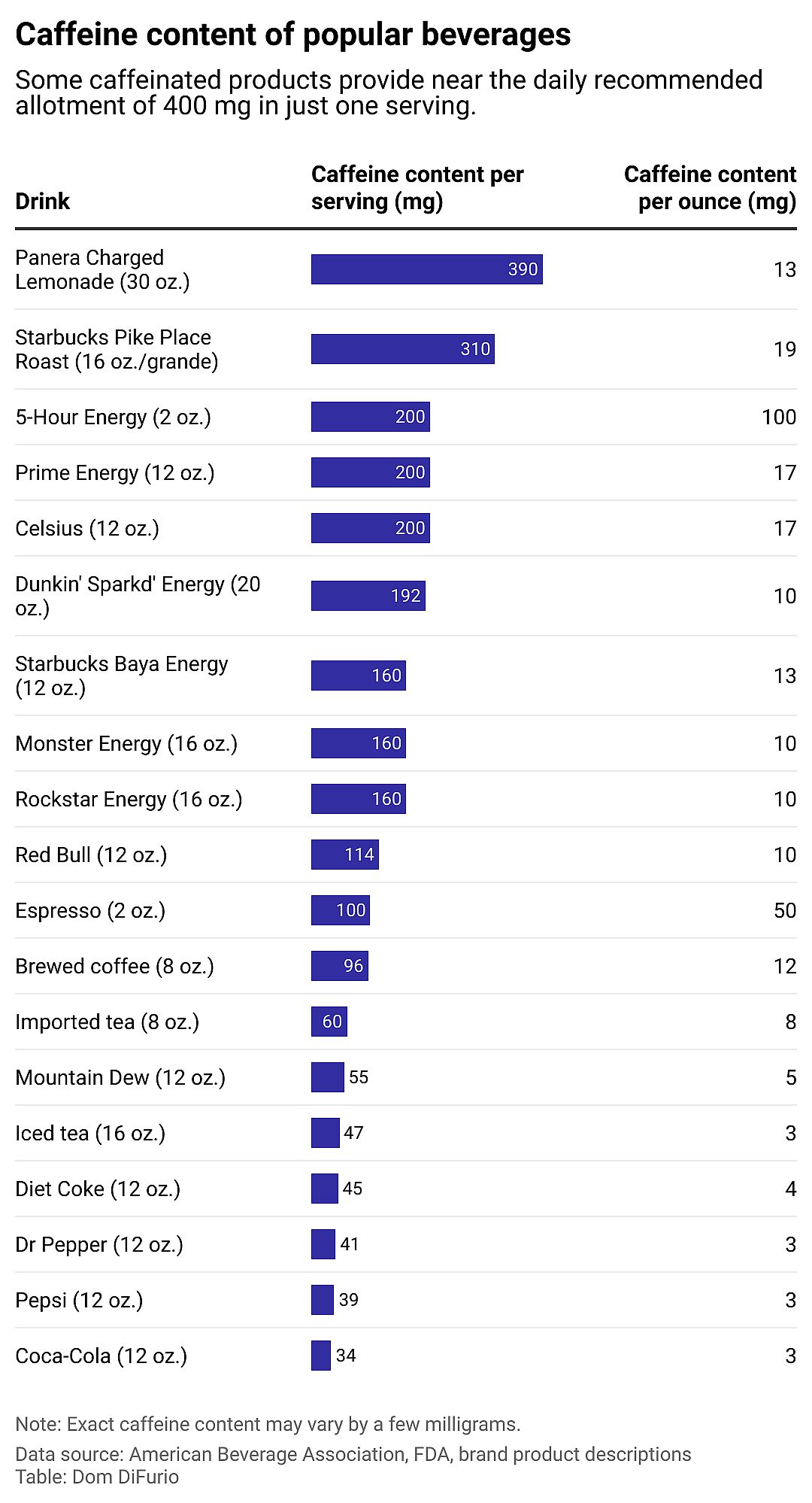
Many mainstream energy drinks that have been on U.S. shelves for decades—like Rockstar, Red Bull, and Monster—contain roughly 10 mg of caffeine per ounce. That's roughly on par with the typical cup of coffee. However, those brands of energy drinks also come in 16-ounce cans. That's twice the size of an 8-ounce cup of coffee—and nearly twice the caffeine.
For years, energy drink brands have built appeal and loyalty among American consumers, and men in particular. Monster Energy and Red Bull have both spent decades building exclusive-feeling brand identities heavily linked to extreme sports, pushing the idea that the beverages provide energy for adventurous lifestyles and doing extraordinary things. Studies have shown that energy drink use is often associated with other risky behaviors like illicit drug use as well as with poor diets.
Monster energy targets a young audience, particularly men, who want to enhance their focus and performance. The brand avoids traditional marketing channels and uses social media or influencer marketing to build loyalty, creating a certain mystique around the drink that has nothing to do with its caffeine content. It's not dissimilar from Red Bull's famously exclusive marketing approach, which focused on the energy boost among athletes after chugging one—not the drink itself.
When the large-sized Panera Charged Lemonade entered the market, "energy" had already become distinct from "drink." That posed a problem: Charged Lemonade contained almost the equivalent caffeine content as four to five Red Bulls, depending on whether you were to drink the standard small 8.4-ounce cans or slightly larger 12-ounce cans.
That high caffeine content has been the subject of at least three lawsuits filed against Panera in the last year alleging it contributed to the death of young customers.
To avoid adverse health effects from caffeine, consider slowing down your consumption of caffeinated drinks and taking measures to cut back. The Mayo Clinic recommends reviewing and making changes to your diet if you're regularly drinking the maximum amount of recommended caffeine per day, or about four cups of coffee. And, who knows—maybe you'll even sleep easier at night.
Story editing by Alizah Salario. Copy editing by Tim Bruns.