Vivian Health
1 / 3Long hours drain on mental health
Leading up to the onset of the COVID-19 pandemic, burnout among the health care workforce had reached "crisis levels," with about half of nurses and physicians reporting burnout symptoms, according to the National Academy of Medicine.
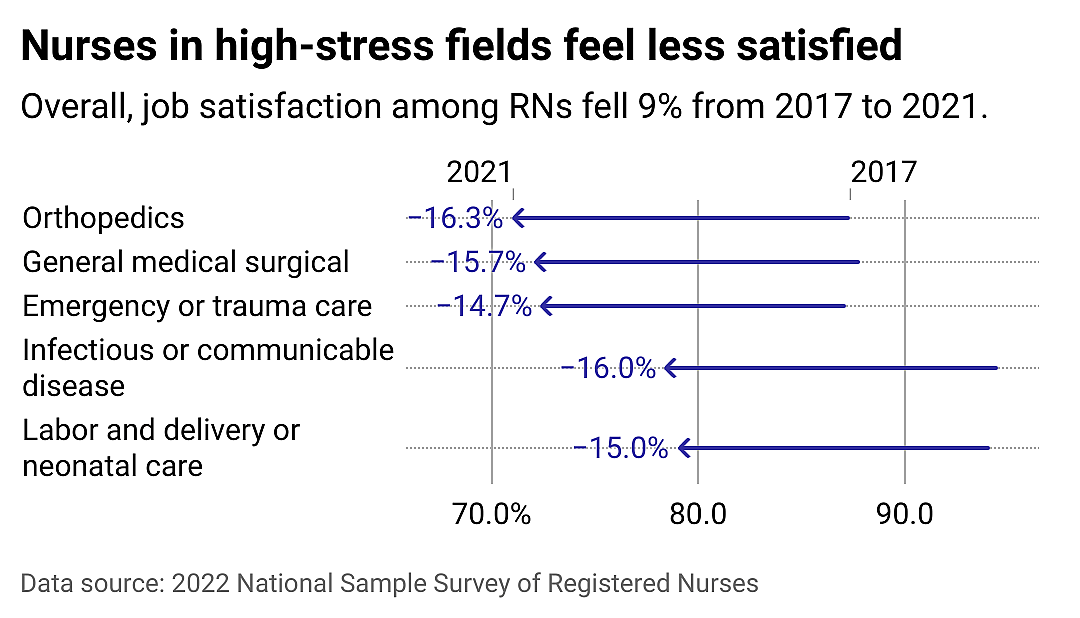
While health care workers have long dealt with challenging working conditions, COVID-19 exacerbated workplace stress. In surveying health care workers, the Centers for Disease Control and Prevention found that 1 in 2 people felt burned out in 2022, compared to 1 in 3 people who reported burnout levels in 2018. Rising levels of workplace harassment and decreased trust in management were also concurrently reported.
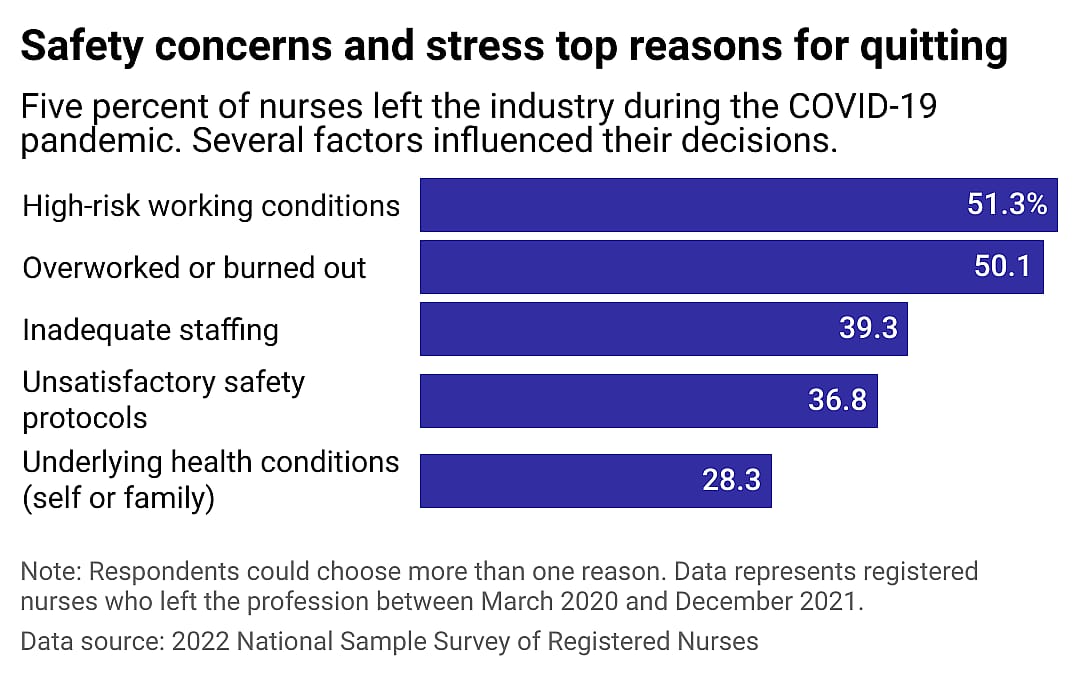
Staff shortages, isolation policies, and the politicization of COVID-19 all contributed to burnout among health care workers during the pandemic. Health care workers responsible for implementing mask policies and other COVID-19 restrictions became the enforcers, prompting strained patient relationships.
Frontline workers responded to these challenges in several ways. In 2023, 75,000 health care workers went on strike against Kaiser Permanente over wages and staffing shortages, which became the largest health care worker strike in U.S. history. Some health care professionals, discouraged by staffing shortages, low pay, and the rising threat of on-the-job violence, opted to leave the workplace altogether. Others sought opportunities in outpatient settings and clinics, where flexible scheduling and less stressful workdays can allow for an improved work-life balance.
Ambulatory care, in particular, is an attractive outpatient setting. With inpatient beds routinely filled in hospitals, ambulatory care that services less acute needs appeal to many health care workers. With their lower costs and shorter required stays, outpatient services like retail clinics, urgent care, and primary care clinics provide a more intimate and cost-effective experience for providers and patients alike.
Plus, the field is growing: The Bureau of Labor Statistics projects that more than half of the 3.4 million health care jobs will be in ambulatory care services by 2028.