MyFitnessPal
1 / 1Reason 5: Too Many Processed Foods
It's become a hot topic recently, but the experts we spoke to say the explosion of processed and ultra-processed foods is at least partially behind the increasing rates of heart conditions in younger people.
Research shows that Americans have increased their consumption of ultra-processed foods over the past two decades. From 2001 to 2018, ultra-processed food intake rose from 53.5% to 57.0% of total caloric intake.
And too much processed food is a problem for heart health, according to research and MyFitnessPal health experts.
"Diets rich in ultra-processed foods, which are high in refined carbohydrates, sodium, and saturated fats, are associated with hyperlipidemia, Type 2 diabetes, hypertension, and inflammation, precursors to cardiovascular disease," says Belardo.
Reason 6: Too Little Exercise and Sleep
The American Heart Association recommends at least 150 minutes (or two and half hours) of exercise that raises your heart rate each week. But only 20% of people meet that benchmark.
It can be hard to get active when you're glued to your phone and laptop, as many people are these days.
"People are more sedentary than ever before due to modern conveniences and reliance on digital technology," says Palinski-Wade. The average American spends more than seven hours a day in front of a screen, according to data and research consultancy GilPress.
This can become a vicious cycle for overall well-being and heart health in particular.
When your only movement during a typical day is from sofa to car to desk and back again, it can be tough to fall asleep. One study found an association between being sedentary for eight hours a day or more and higher odds of sleep problems.
Stress is another problem that can screw up your sleep. "High stress levels and poor sleep habits can also contribute to elevated blood pressure levels," explains Pallinski-Wade.
5 Tips to Improve Heart Health
Taking care of your heart doesn't have to be complicated. Our experts agree that simple, everyday choices—what you eat, how you move, and even how well you sleep—can lower your risk of heart disease.
The best part? Small, sustainable changes that help you build long-term habits can have a big impact. Here's what you can start doing today to help support your heart health for the long run.
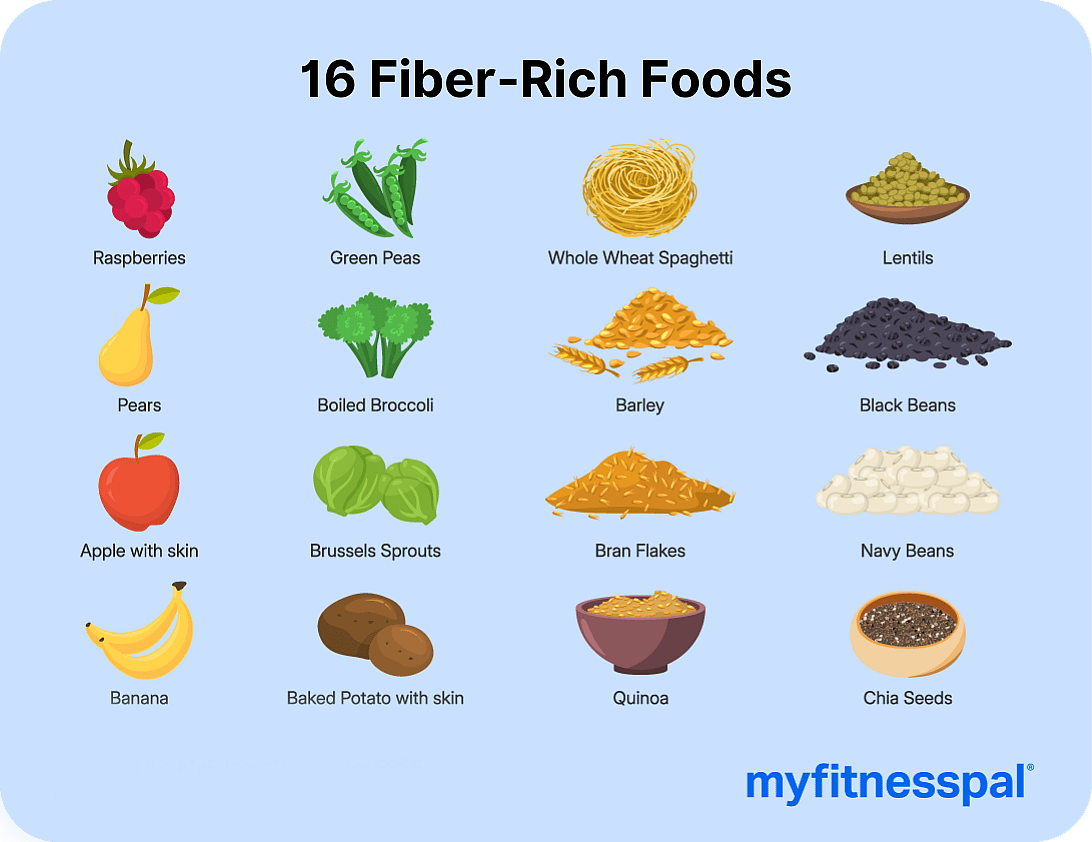
1. Eat More Fruit, Vegetables and Other Fiber-Rich Foods
People who stick to a plant based or plant predominant diet are 24% less likely to develop ischemic heart disease than omnivores, and have a 25% lower risk of coronary heart disease.
That may be because many plant-based foods are good sources of fiber, a key nutrient for heart health.
"Aim for 14 grams of fiber per 1,000 calories consumed, which averages around 28-35 grams of fiber per day," suggests Palinsk-Wade. "Most literature shows that increasing [daily] fiber intake by 3g to 5g daily is well tolerated." she says. That's about one apple's worth of fiber.
It can be tough to gauge your fiber intake day-over-day. Using food diaries or a tracking app can help you monitor your intake more accurately and identify patterns in your diet.
By tracking your meals, you can see where you're falling short or exceeding your fiber goals, making it easier to adjust and create a balanced plan that works for you.
Some tools even let you set small goals, like adding more fiber to your meals, and track your progress weekly to help you build lasting habits.
2. Stick to Evidence-Based Diets
According to the experts, some of the least trendy approaches to eating are also the best.
"Stick to evidence-based dietary patterns, such as Mediterranean, DASH, plant-based or plant-predominant diets, " says Belardo.
Or just eat a balanced diet! Remember, though the Mediterranean diet or a plant predominant diet might sound like strict protocols, they're actually flexible approaches to eating.
3. Get Active and Limit Screen Time
Step away from your screens—if only a few minutes at a time.
"Try small bouts of movement daily," suggests Palinski-Wade, working up to increasing your daily steps by one mile. On average, that's about 2,000 extra steps each day.
4. Reset Your Sleep Habits
When it comes to sleep, what and when you eat matter just as much as what's on your plate.
"Avoid heavy meals close to bedtime, limit sleep-disrupting foods like caffeine and alcohol, and focus on sleep-friendly options like tart cherries, kiwifruit, and fatty fish to support better rest and overall health." says Pallinski-Wade.
"Setting yourself up with a consistent sleep schedule and creating habits for healthy sleep, such as removing electronics before bed and having a quiet and dark environment to sleep in, can help to improve both quality and quantity of sleep, too," she adds.
5. Be Mindful of Processed Food
There's no magic bullet for cutting back on processed foods—they're everywhere. But small positive things can help you be more mindful.
One example? "Stay hydrated," says Pallinsky-Wade. "It can help to curb appetite and boost energy."
You can also make it easier for your future self to choose an unprocessed alternative. "Prepare heart-healthy meals like soups, stews, or grain salads in advance to make nutritious choices just as convenient as processed foods," suggests Belardo.