Canva
1 / 4The yin and yang of design: minimalism versus maximalism
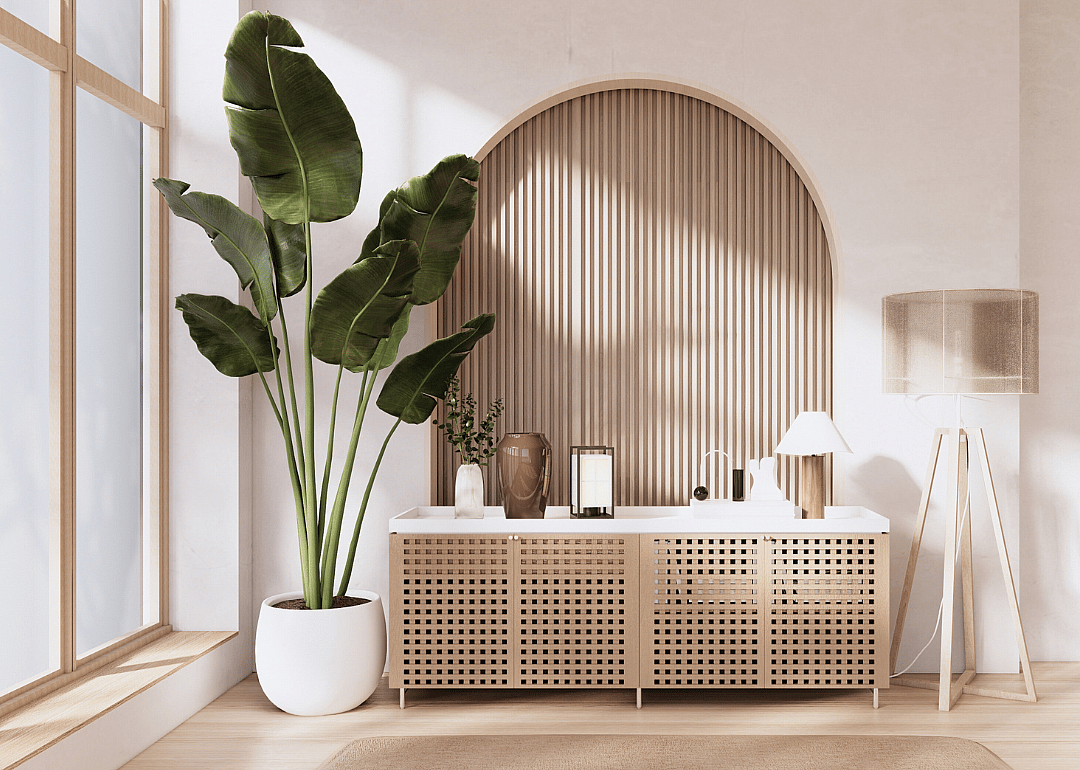
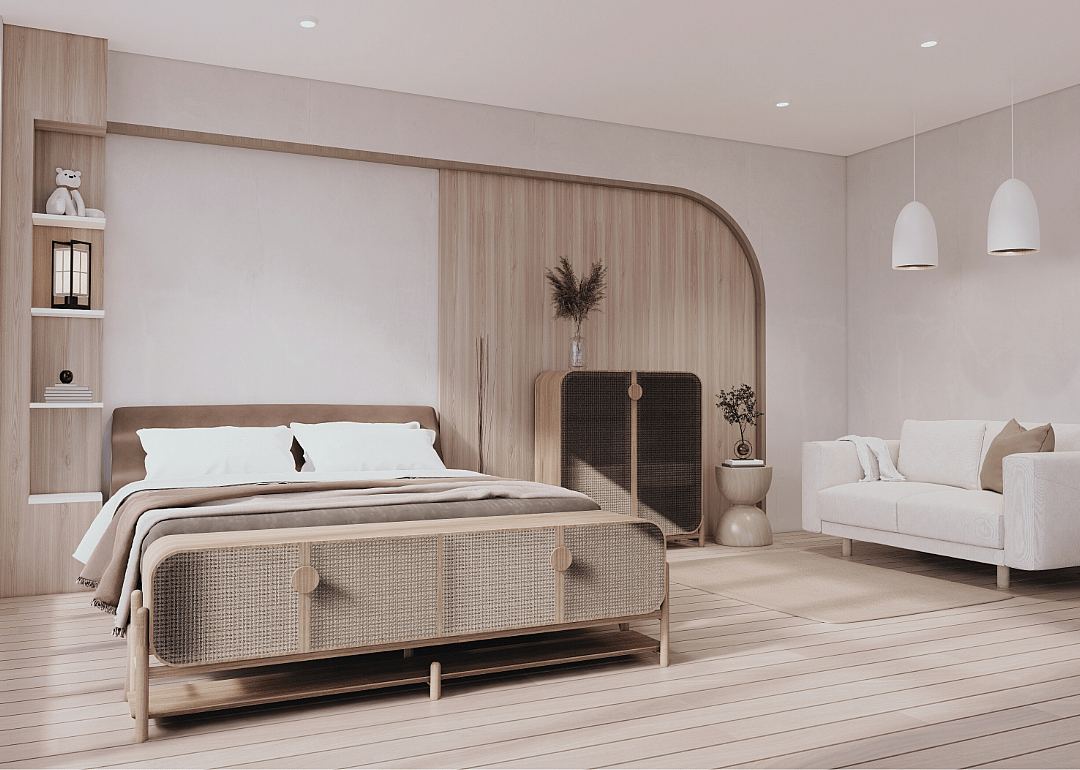
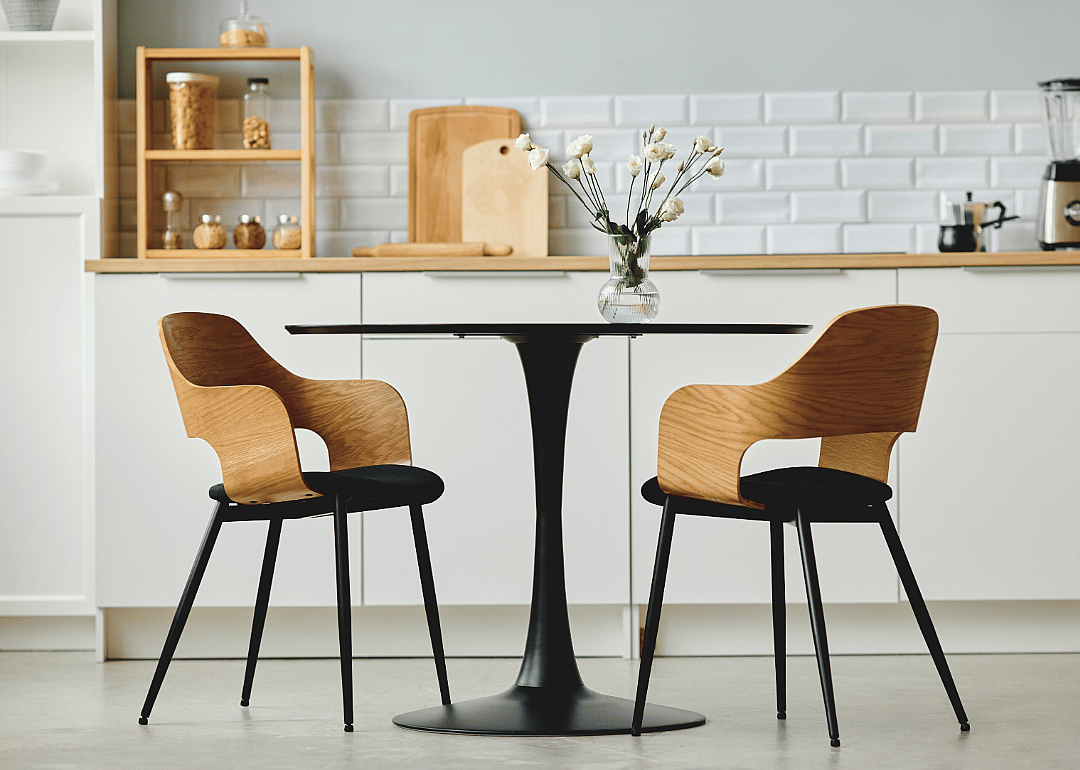
Minimalism embraces the mantra "less is more," a term coined by architect Ludwig Mies van der Rohe. This design philosophy, popularized by architects like Mies van der Rohe and artists like Donald Judd in the mid-20th century, emphasizes simplicity, clean lines, and a monochromatic palette.
The minimalist lifestyle is about stripping away the excess and reducing material belongings to "focus on what really matters," Caleb Backe, a certified health and wellness expert, told Oprah Daily.
The appeal of minimalism lies in its ability to create a sense of calm and order in an increasingly chaotic world. The Museum of Modern Art notes minimalist artists create "pared-down three-dimensional objects devoid of representational content."
On the other end of the spectrum, maximalism revels in excess, color, and pattern. This exuberant style gained traction in the 1960s and has seen a resurgence in recent years, particularly in fashion and interior design.
The phrase "more is more" is often used to describe maximalism. Maximalist design is known for bright and bold colors, discordant elements, and oftentimes a lack of cohesive themes. Maximalism celebrates individuality and self-expression with layered textures, colors, and objects to create rich, immersive environments.
According to Arch Daily, maximalism "celebrates imprecision, embraces diversity, blurs the lines between reality and fantasy, encourages spontaneity, and champions freedom of expression."
The popularity of these contrasting styles has ebbed and flowed, often in response to broader cultural and economic trends. Minimalism tends to gain favor during times of economic uncertainty or in reaction to periods of excess, while maximalism often emerges as a form of reaction against minimalism, austerity, and uniformity.