Canva
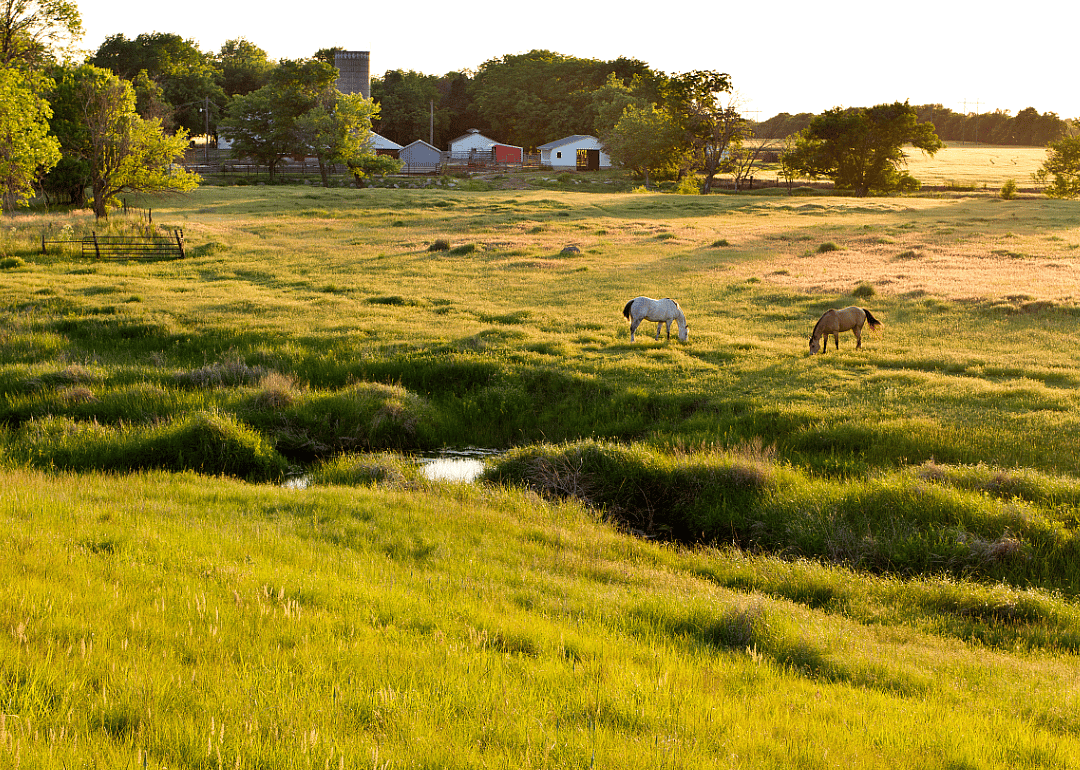
1 / 25#25. Phillips
- Farmland: 549,038 acres (1.2% of state total)
- Farms: 1,300
- Most common crop: Native grass (259,646 acres, 47.3% of county farmland)

Farmland across the U.S. is disappearing by the millions of acres each decade by some estimates as sprawling urban development driven by rising housing costs pushes further into rural pastures.
The farmland that still exists in the U.S. is heavily dedicated to growing plants that Americans can't consume—grass. That grass, accounting for more than 300 million acres now, feeds our livestock, provides sod for new development, and serves as a cover crop to protect soil health between harvests.
Demand for major crops like corn and soybeans to feed Americans is only forecast by the USDA to grow in the coming decade, and demand for U.S. agricultural exports is expected to grow similarly.
The COVID-19 pandemic dramatically changed the way people purchased and consumed food, placing renewed attention on an increasingly consolidated agricultural industry where family farms have been swallowed up by large food corporations.
And after shifting behaviors caused massive economic swings in the U.S. and elsewhere, the Russian invasion of Ukraine forced food producers to once again account for yet another shock with so much of the world's grain capital taken offline by warfare.
War and corporate interests aside, farms have also had to reckon with a changing climate. Wheat fields were once commonplace across the country, but drought conditions of late have caused farmers to give up growing the crop entirely. Agitated by climate change, the shortage of water in parts of the country coupled with higher interest rates and the ongoing war in Ukraine are making agricultural businesses harder to run profitably.
To illustrate where American farms still persevere, Stacker compiled a list of counties with the most farmland in Kansas using data from the Agriculture Department's Farm Service Agency. Farmers reported the data as mandated by participation in USDA income support programs, including Agriculture Risk Coverage and Price Loss Coverage as well as loan assistance. Counties are ranked by total acres of farmland.
In Kansas, there are 44,728,147 acres of farmland, with native grass being the most common crop.
You may also like: Coldest Novembers in Kansas since 1895
Canva
1 / 25- Farmland: 549,038 acres (1.2% of state total)
- Farms: 1,300
- Most common crop: Native grass (259,646 acres, 47.3% of county farmland)
Canva
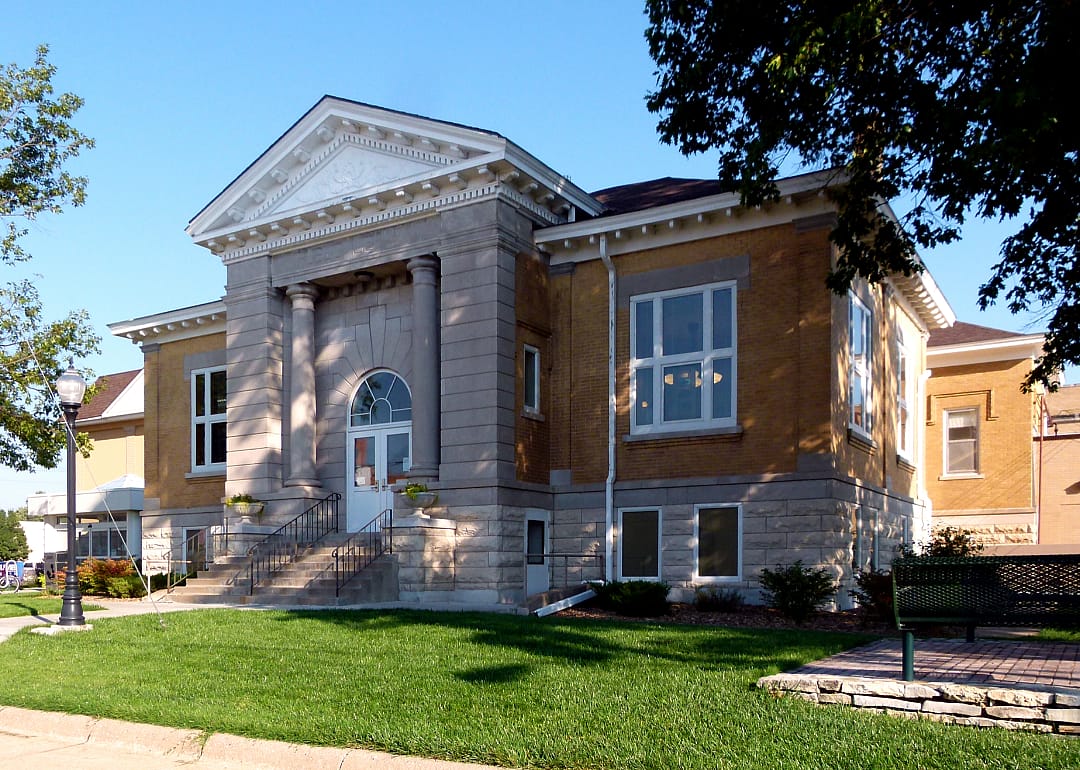
2 / 25- Farmland: 559,068 acres (1.2% of state total)
- Farms: 2,147
- Most common crop: Native grass (138,435 acres, 24.8% of county farmland)
TommyBrison // Shutterstock
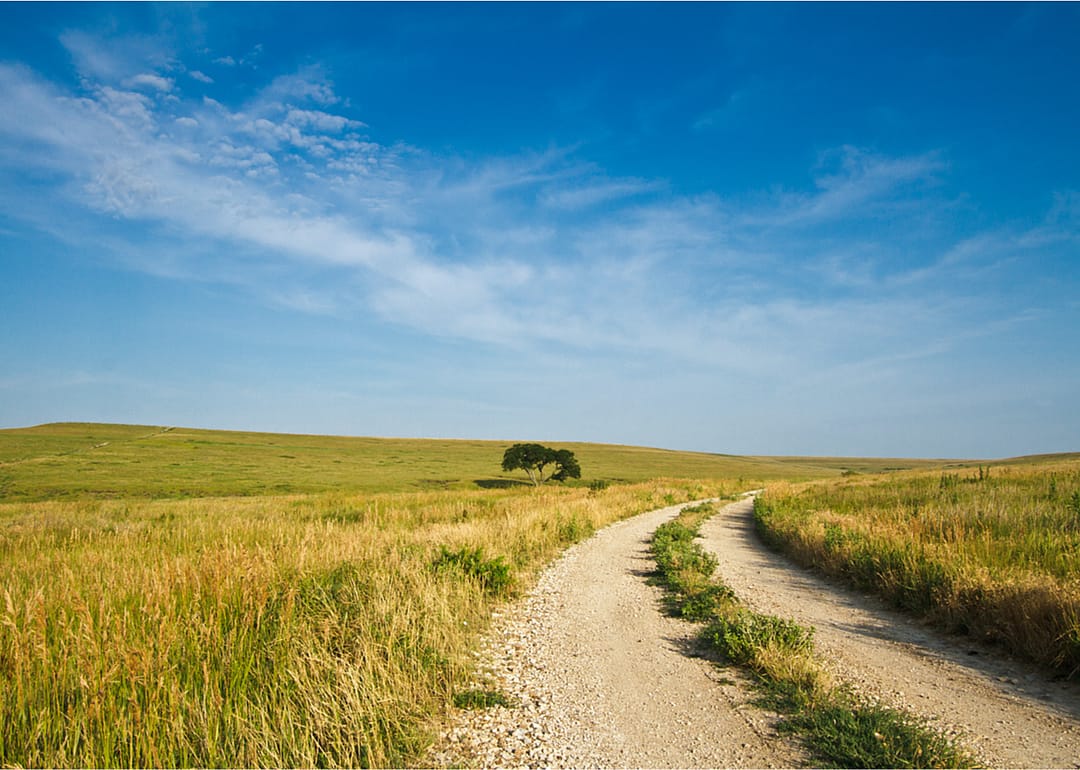
3 / 25- Farmland: 562,574 acres (1.3% of state total)
- Farms: 772
- Most common crop: Native grass (182,176 acres, 32.4% of county farmland)
Canva
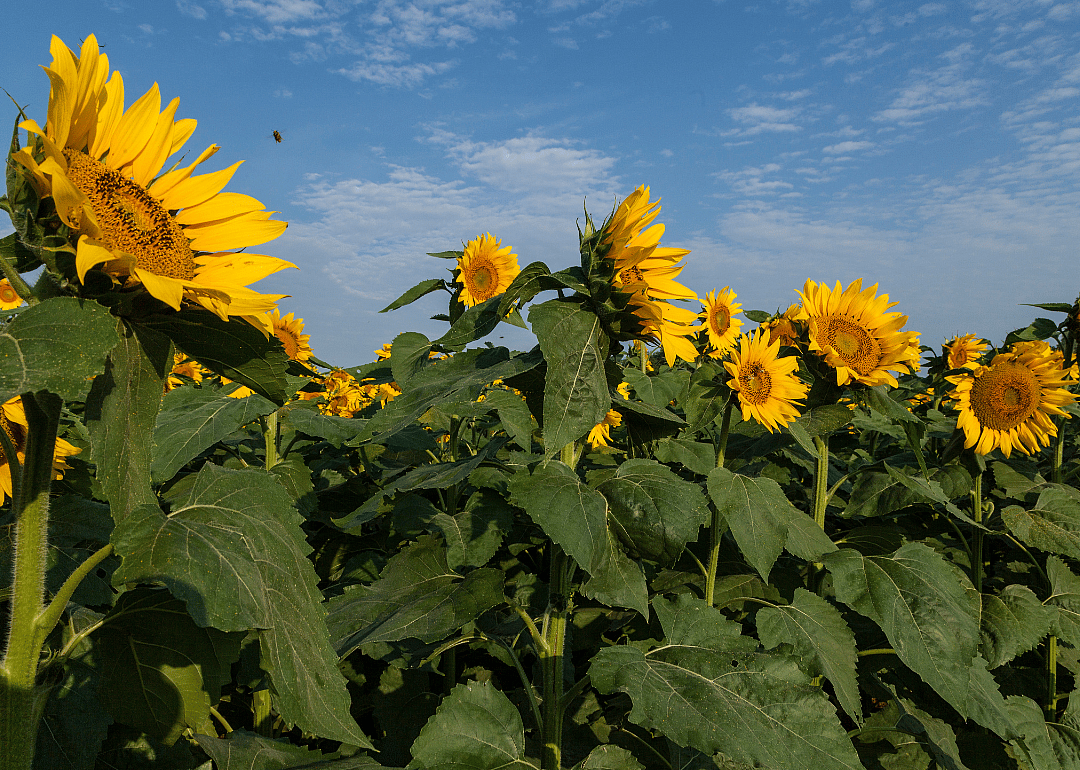
4 / 25- Farmland: 563,961 acres (1.3% of state total)
- Farms: 965
- Most common crop: Fallow (103,749 acres, 18.4% of county farmland)
Canva
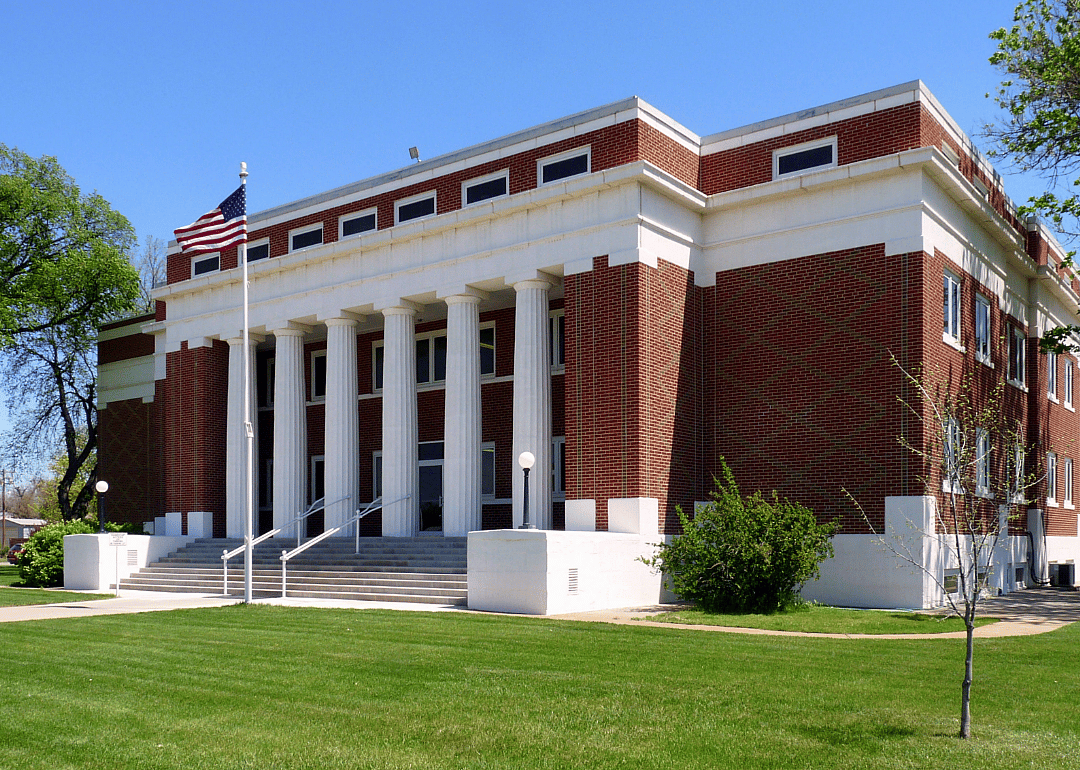
5 / 25- Farmland: 599,099 acres (1.3% of state total)
- Farms: 913
- Most common crop: Native grass (255,958 acres, 42.7% of county farmland)
You may also like: See the most extreme temperatures in Kansas history
Canva
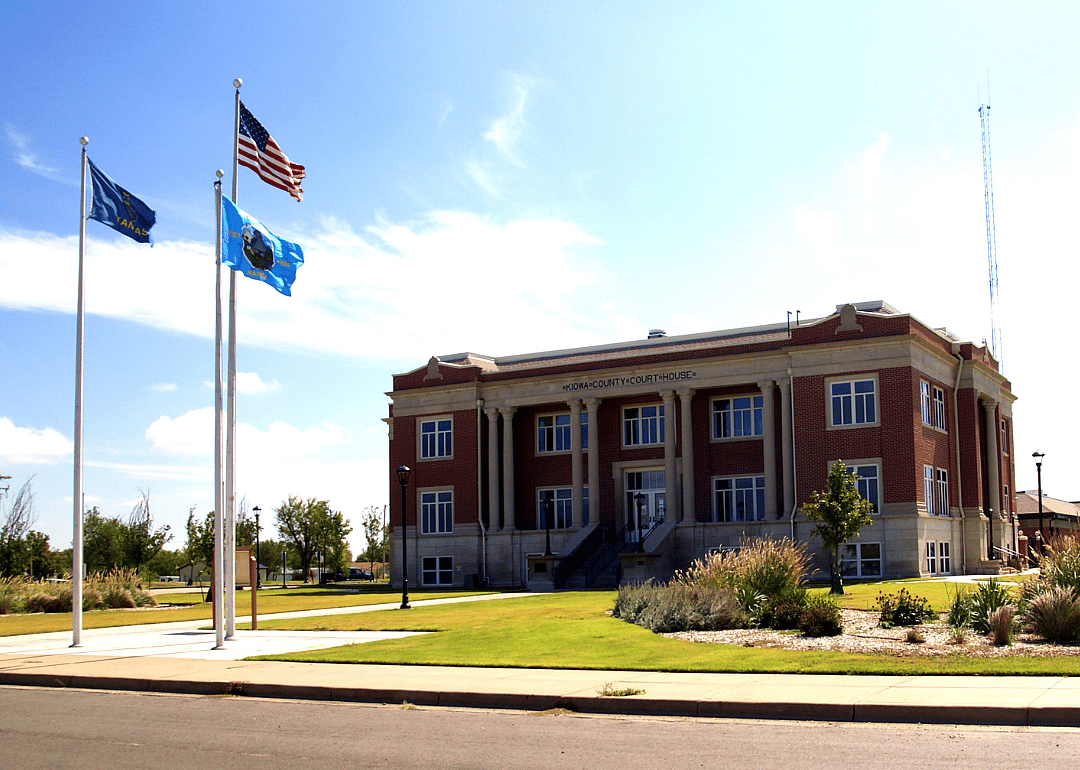
6 / 25- Farmland: 601,785 acres (1.3% of state total)
- Farms: 916
- Most common crop: Native grass (298,232 acres, 49.6% of county farmland)
Canva
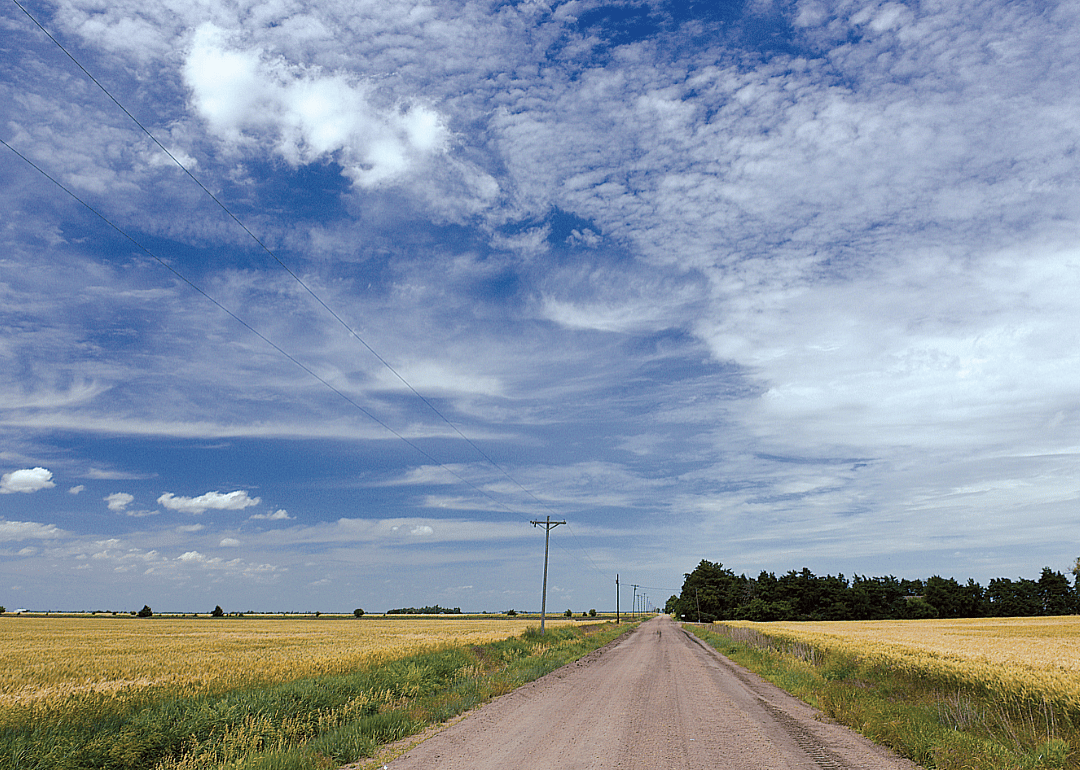
7 / 25- Farmland: 603,863 acres (1.4% of state total)
- Farms: 1,118
- Most common crop: Native grass (232,687 acres, 38.5% of county farmland)
Roberto Galan // Shutterstock
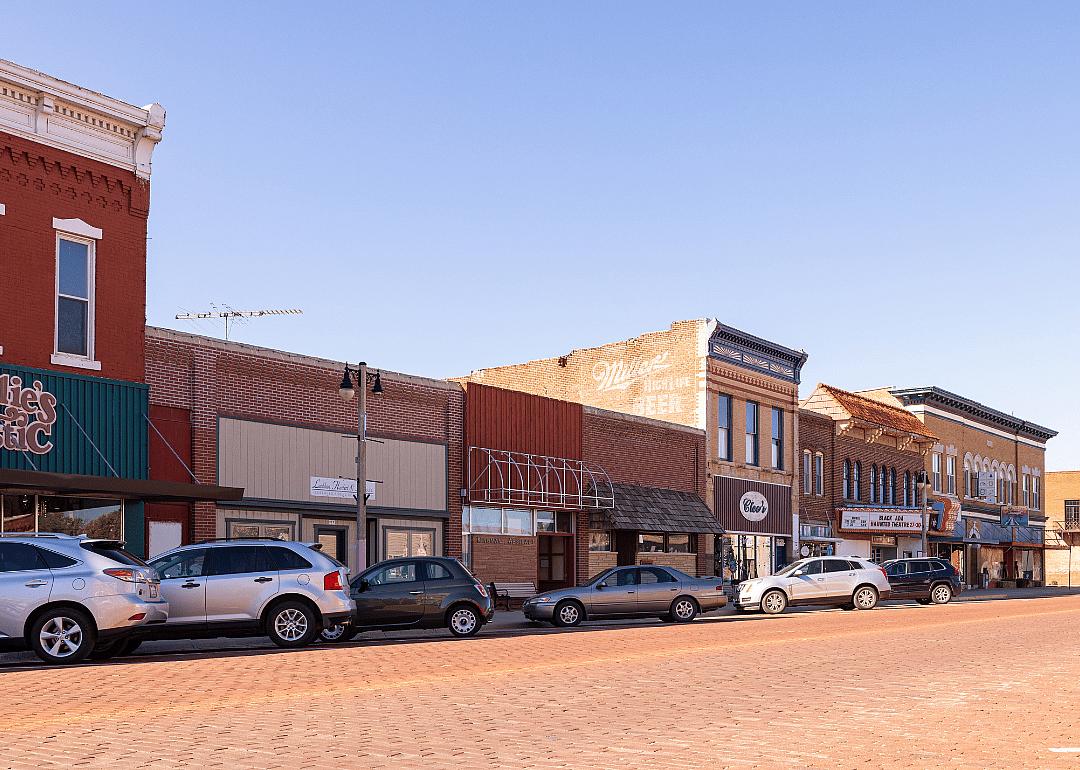
8 / 25- Farmland: 604,343 acres (1.4% of state total)
- Farms: 1,909
- Most common crop: Native grass (217,717 acres, 36.0% of county farmland)
Canva
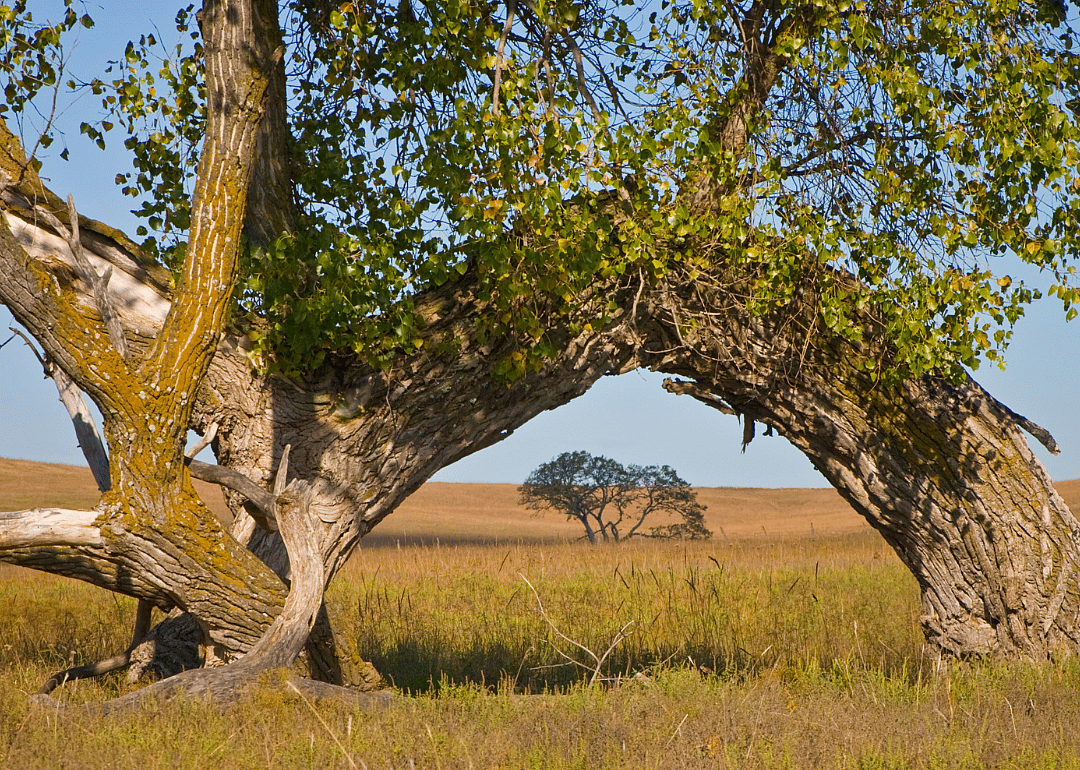
9 / 25- Farmland: 607,899 acres (1.4% of state total)
- Farms: 954
- Most common crop: Native grass (126,535 acres, 20.8% of county farmland)
Melisa A Skinner // Shutterstock
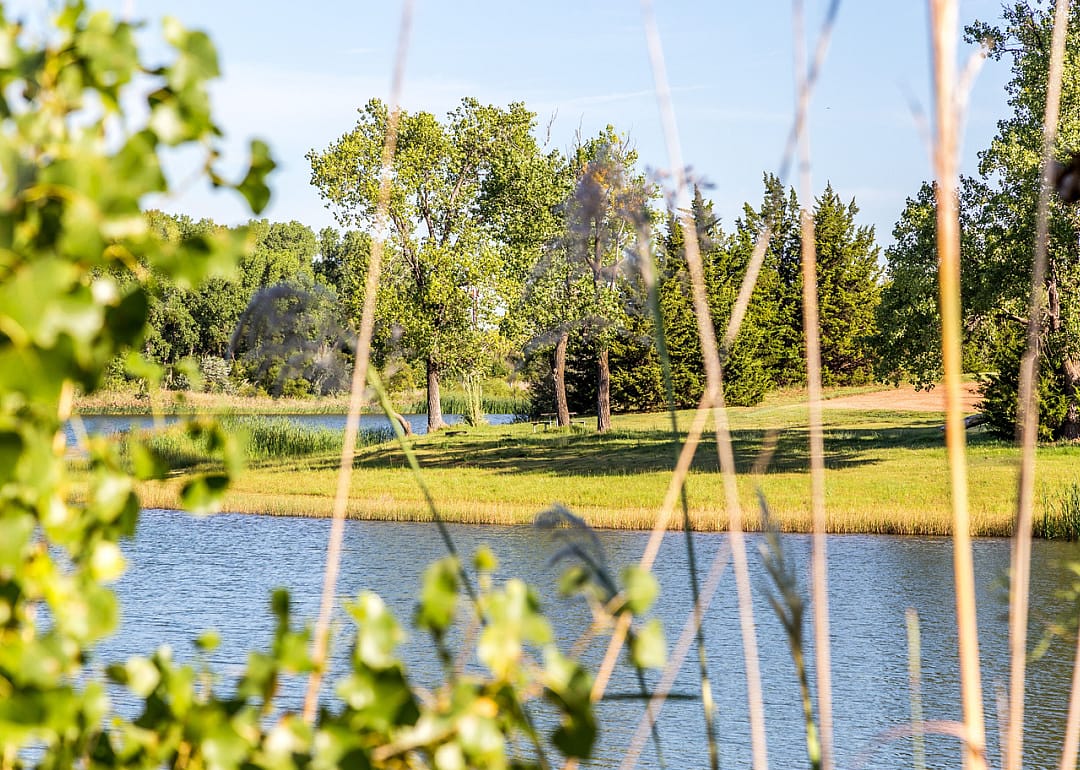
10 / 25- Farmland: 615,844 acres (1.4% of state total)
- Farms: 860
- Most common crop: Native grass (389,075 acres, 63.2% of county farmland)
You may also like: Kansas' Halloween sweet tooth: 2025 candy and decor trends from Instacart data
Roberto Galan // Shutterstock
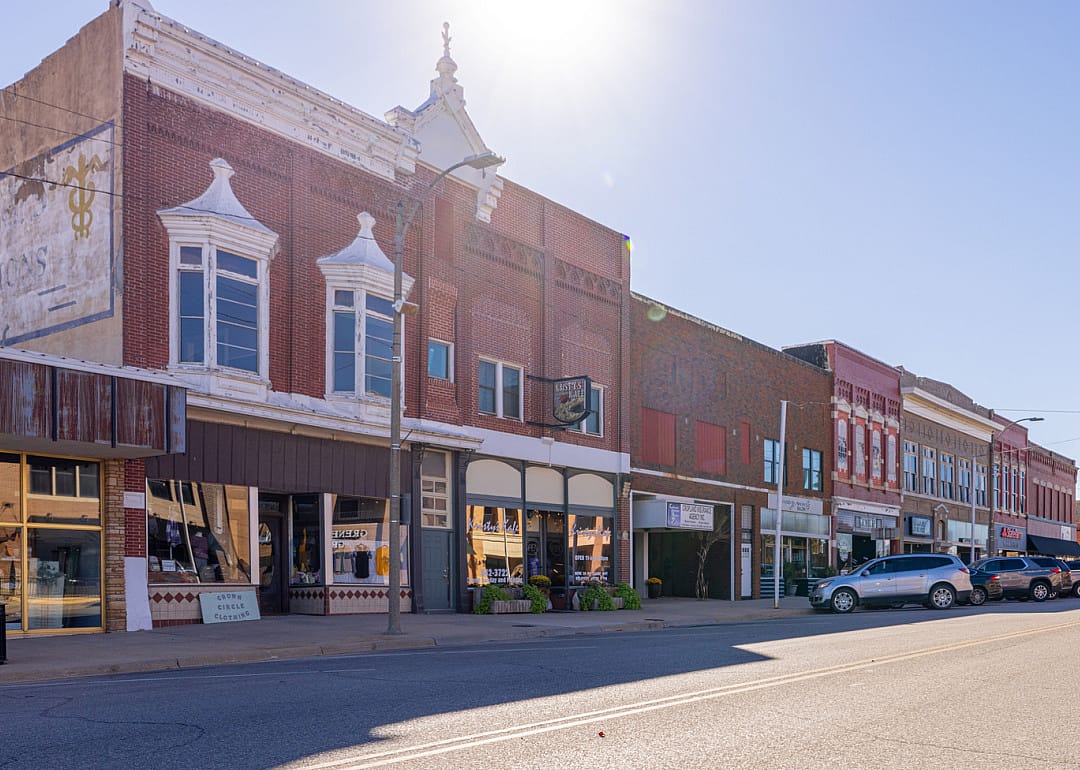
11 / 25- Farmland: 620,788 acres (1.4% of state total)
- Farms: 1,403
- Most common crop: Hard red winter wheat (200,576 acres, 32.3% of county farmland)
Lost_in_the_Midwest // Shutterstock
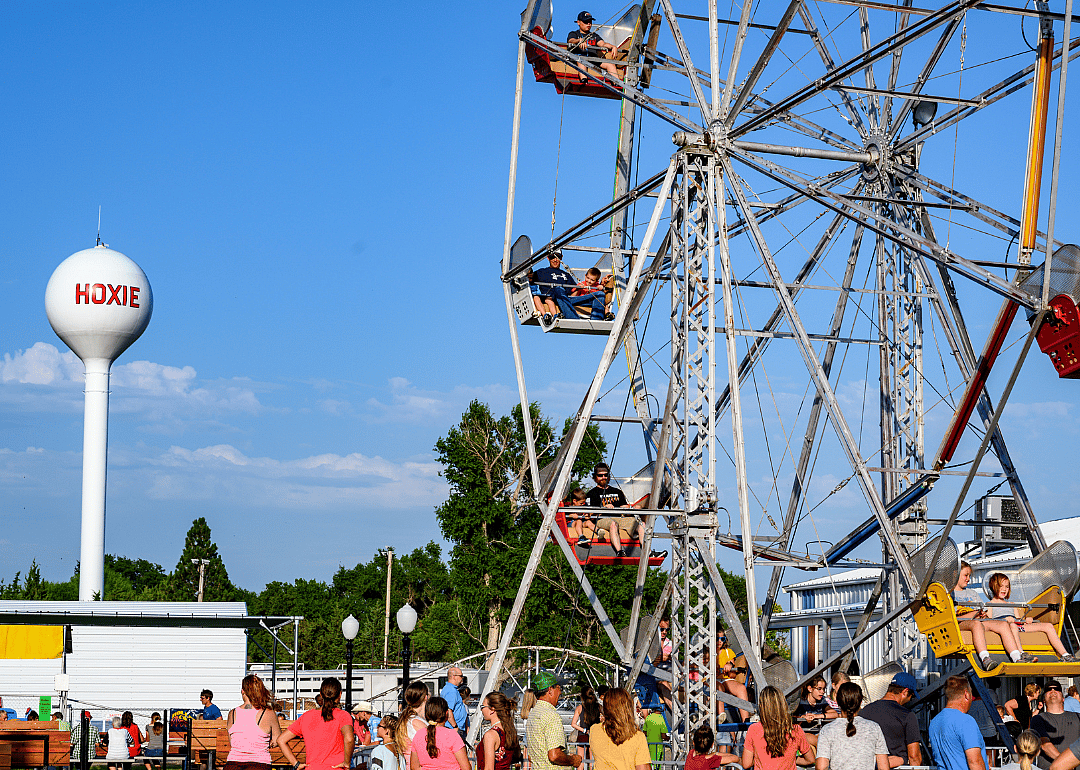
12 / 25- Farmland: 626,793 acres (1.4% of state total)
- Farms: 1,229
- Most common crop: Native grass (199,616 acres, 31.8% of county farmland)
Canva
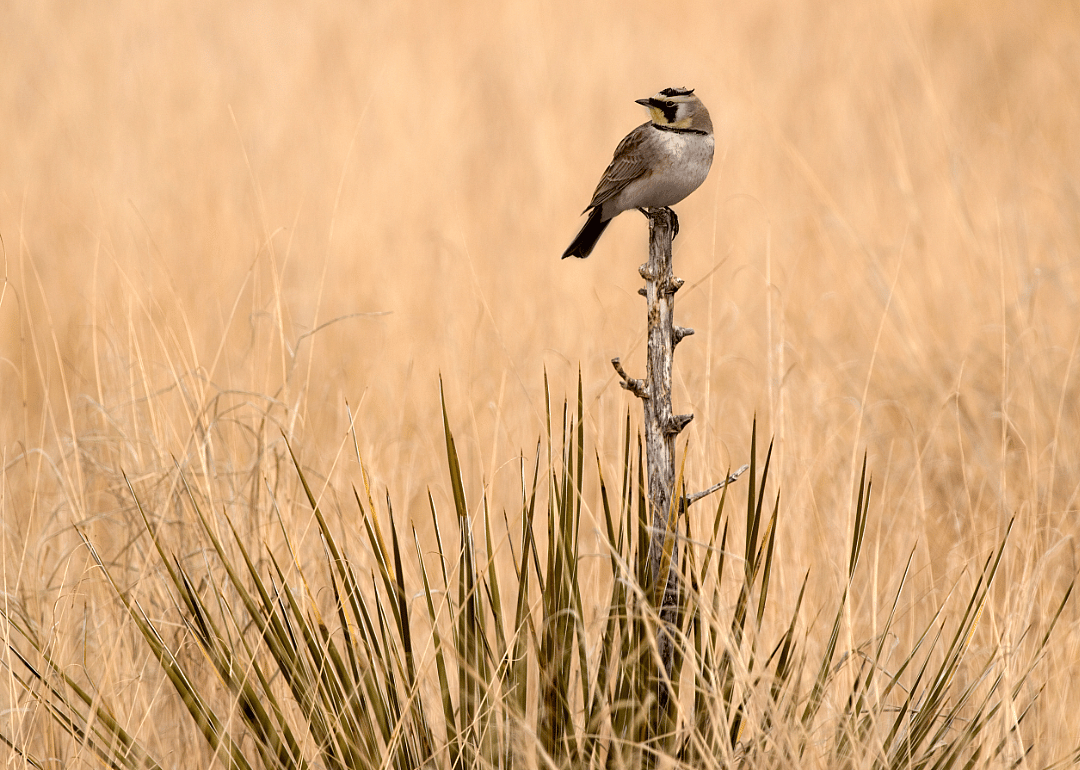
13 / 25- Farmland: 631,732 acres (1.4% of state total)
- Farms: 1,256
- Most common crop: Fallow (104,560 acres, 16.6% of county farmland)

Canva
14 / 25- Farmland: 637,020 acres (1.4% of state total)
- Farms: 1,107
- Most common crop: Yellow corn (114,871 acres, 18.0% of county farmland)
Michael Rosebrock // Shutterstock
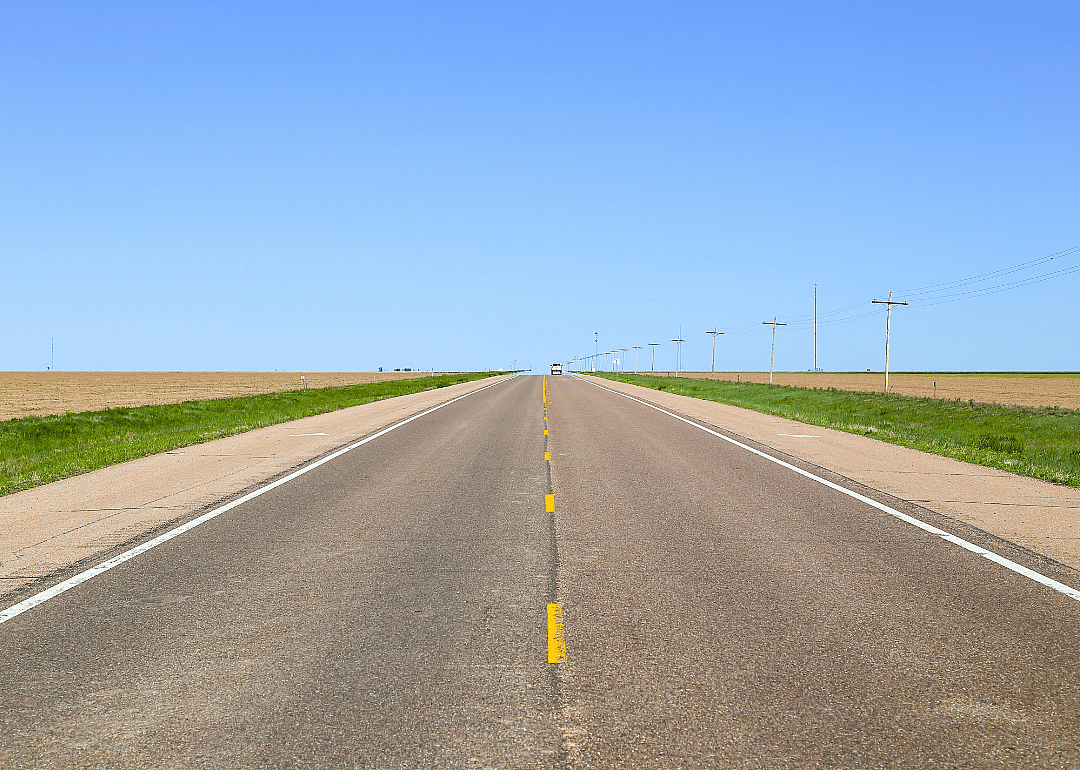
15 / 25- Farmland: 638,693 acres (1.4% of state total)
- Farms: 827
- Most common crop: Native grass (160,125 acres, 25.1% of county farmland)
You may also like: Counties with the most motor vehicle accident fatalities in Kansas
Canva
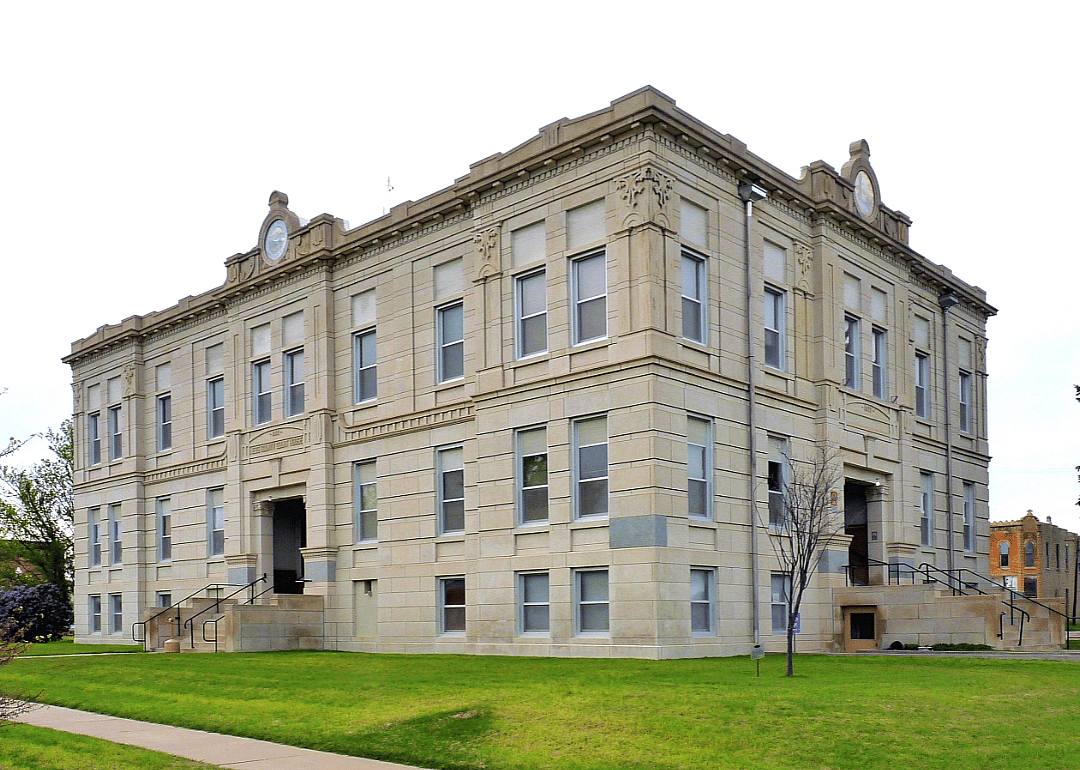
16 / 25- Farmland: 652,557 acres (1.5% of state total)
- Farms: 1,365
- Most common crop: Native grass (239,183 acres, 36.7% of county farmland)
Canva
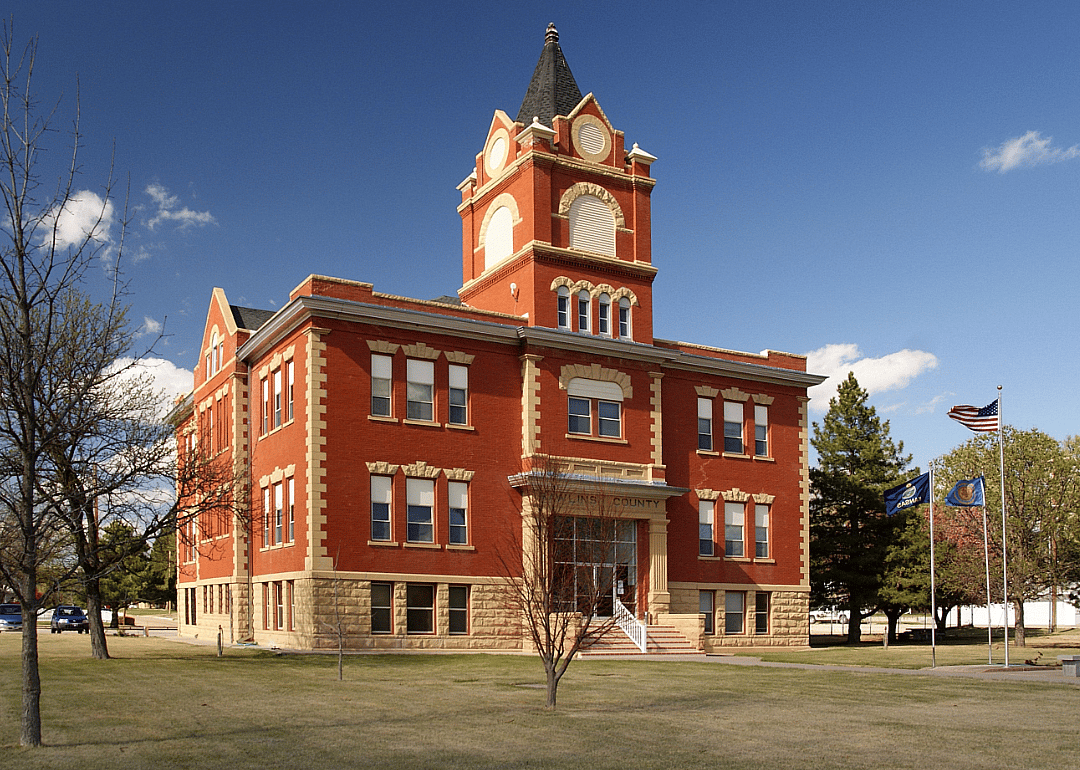
17 / 25- Farmland: 653,974 acres (1.5% of state total)
- Farms: 1,016
- Most common crop: Native grass (262,552 acres, 40.1% of county farmland)
Jacob Boomsma // Shutterstock
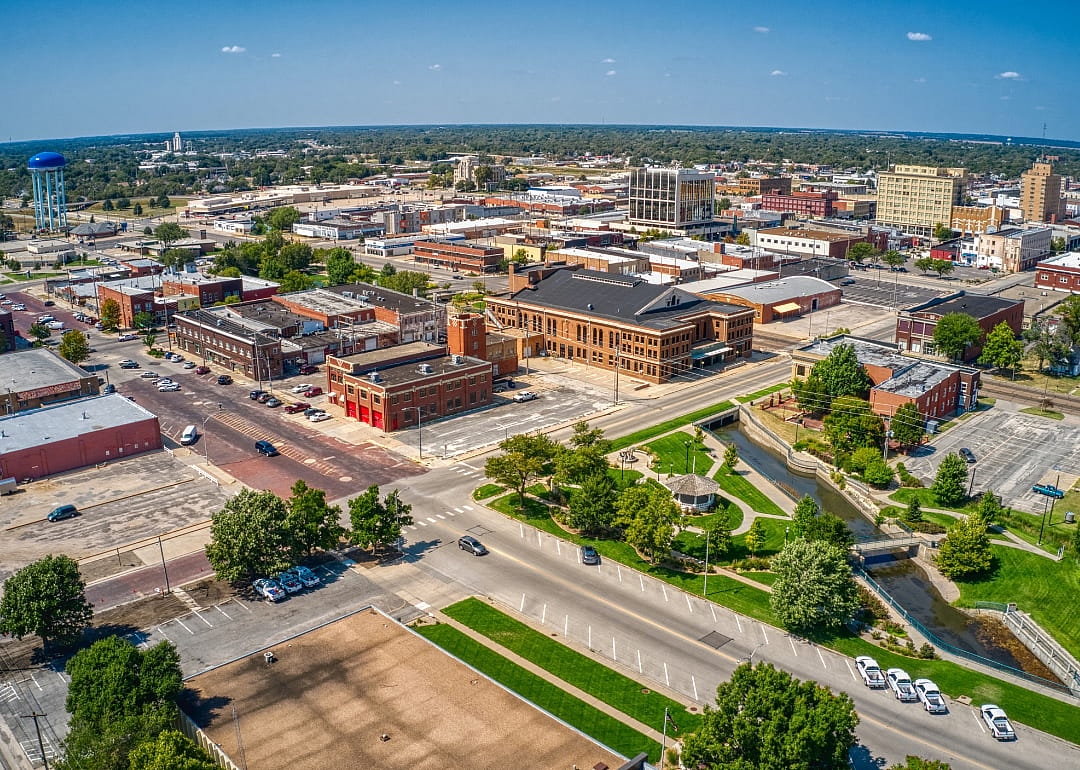
18 / 25- Farmland: 668,309 acres (1.5% of state total)
- Farms: 3,044
- Most common crop: Hard red winter wheat (170,789 acres, 25.6% of county farmland)
Michael Rosebrock // Shutterstock
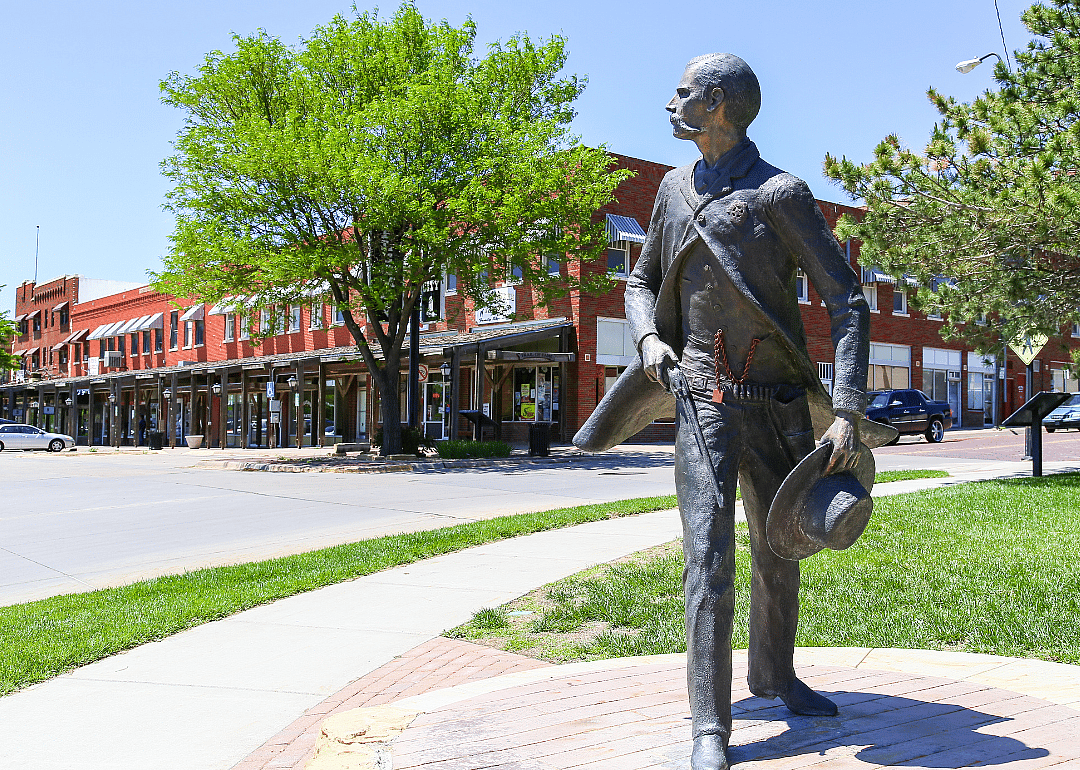
19 / 25- Farmland: 673,367 acres (1.5% of state total)
- Farms: 1,290
- Most common crop: Hard red winter wheat (133,932 acres, 19.9% of county farmland)
Kristi Blokhin // Shutterstock
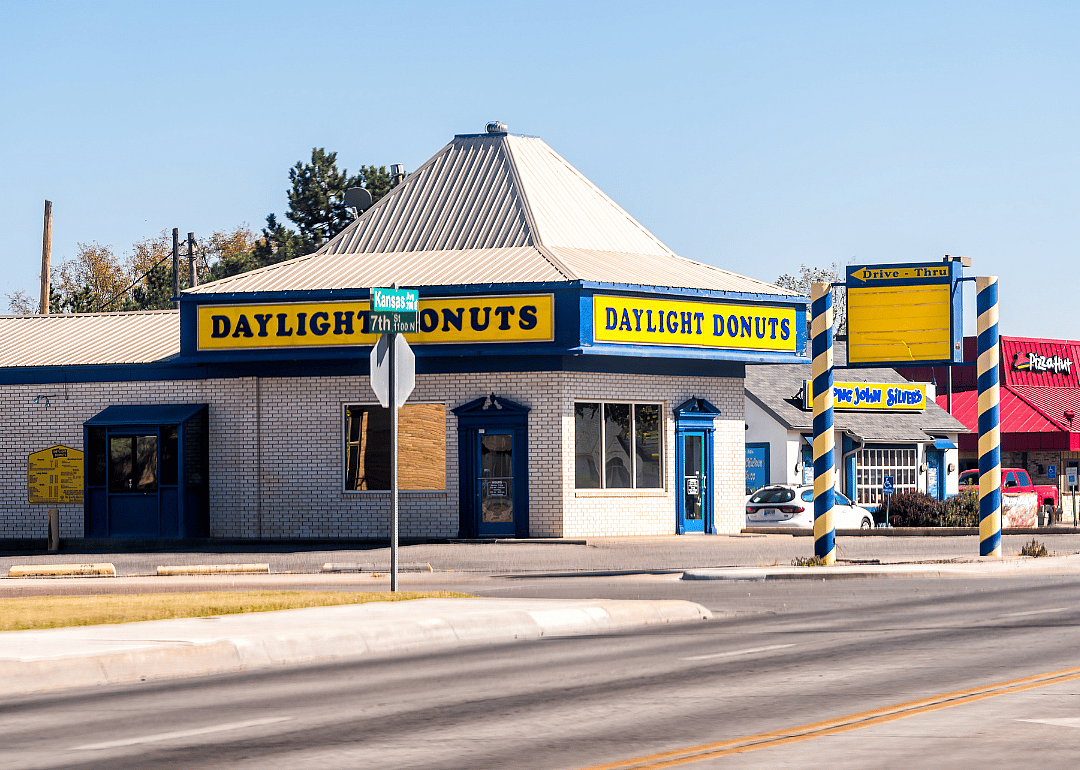
20 / 25- Farmland: 675,675 acres (1.5% of state total)
- Farms: 1,062
- Most common crop: Native grass (119,420 acres, 17.7% of county farmland)
You may also like: Highest-rated Class of 2026 men's basketball recruits from Kansas
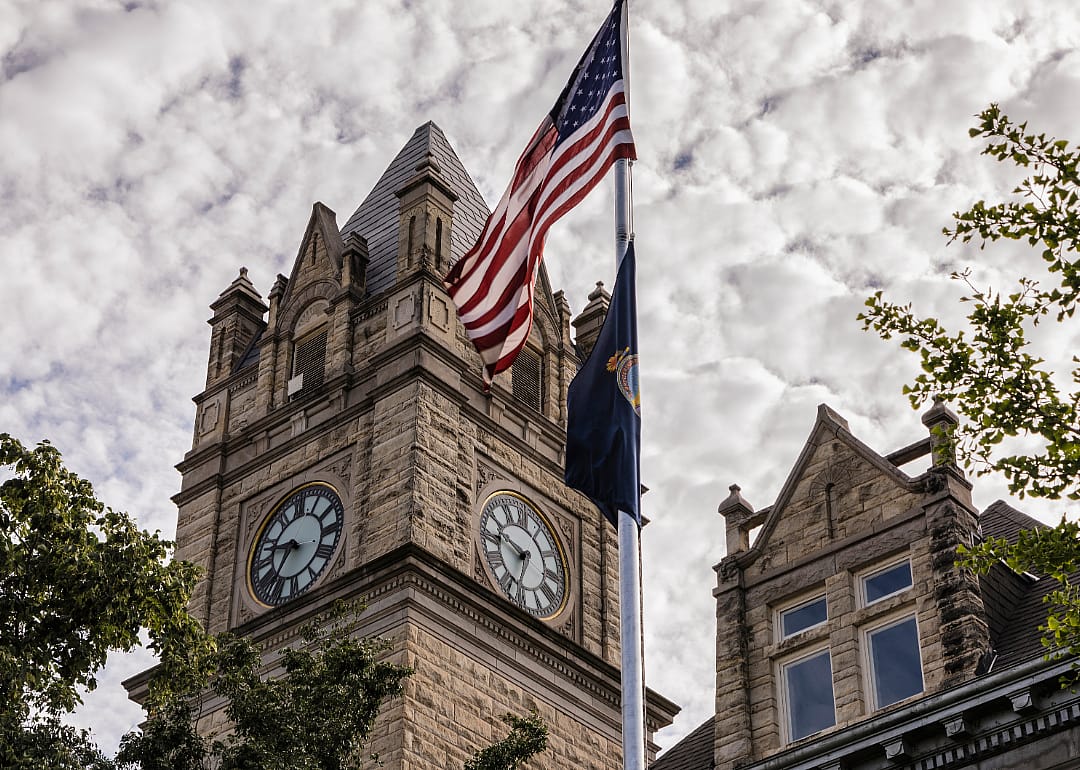
Canva
21 / 25- Farmland: 681,823 acres (1.5% of state total)
- Farms: 2,581
- Most common crop: Native grass (244,557 acres, 35.9% of county farmland)
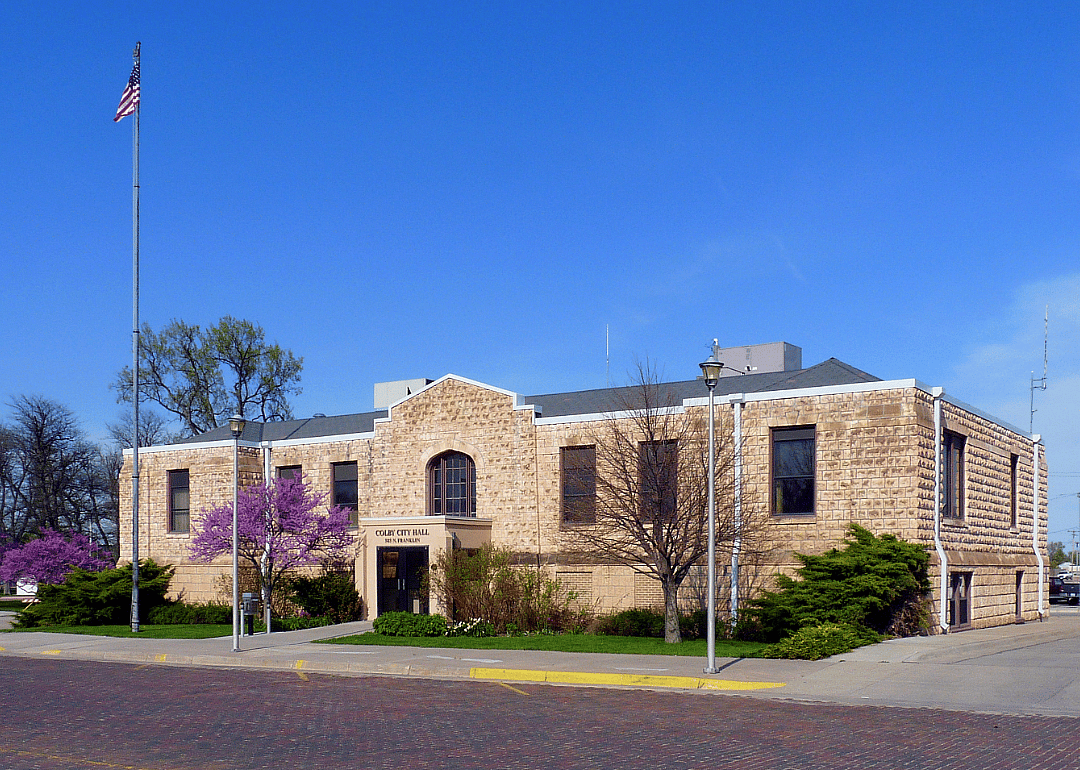
Canva
22 / 25- Farmland: 685,775 acres (1.5% of state total)
- Farms: 1,257
- Most common crop: Yellow corn (190,221 acres, 27.7% of county farmland)
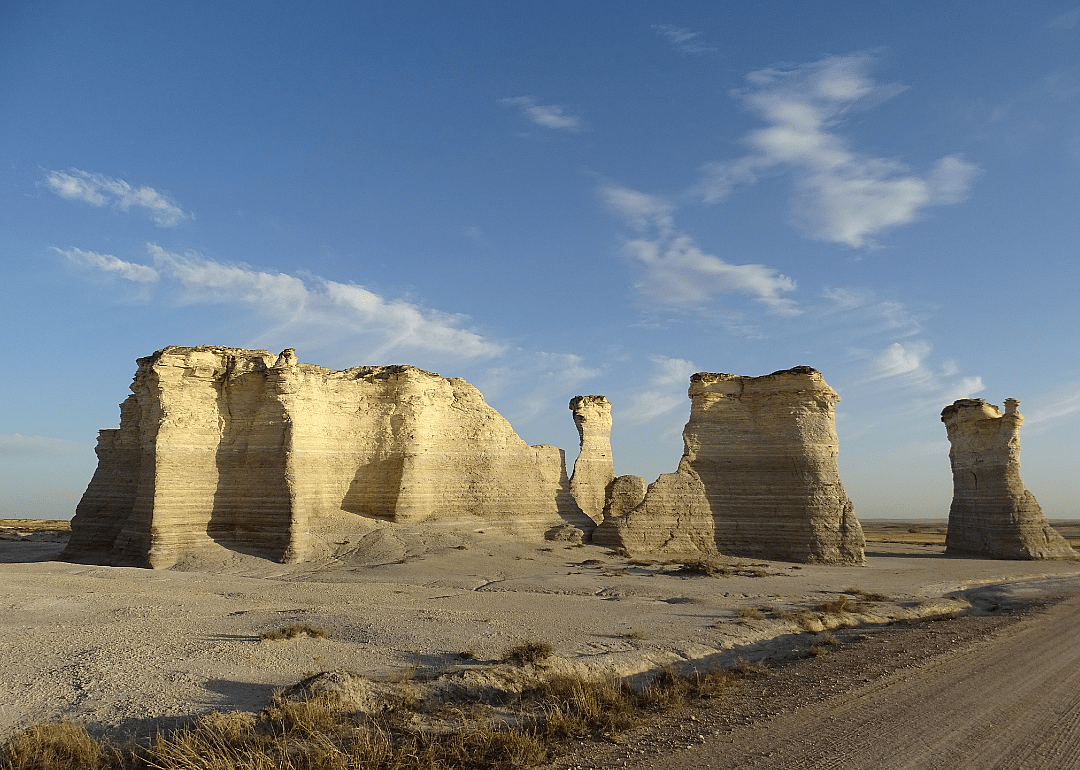
BeautifulEarth // Shutterstock
23 / 25- Farmland: 712,194 acres (1.6% of state total)
- Farms: 1,011
- Most common crop: Native grass (300,493 acres, 42.2% of county farmland)
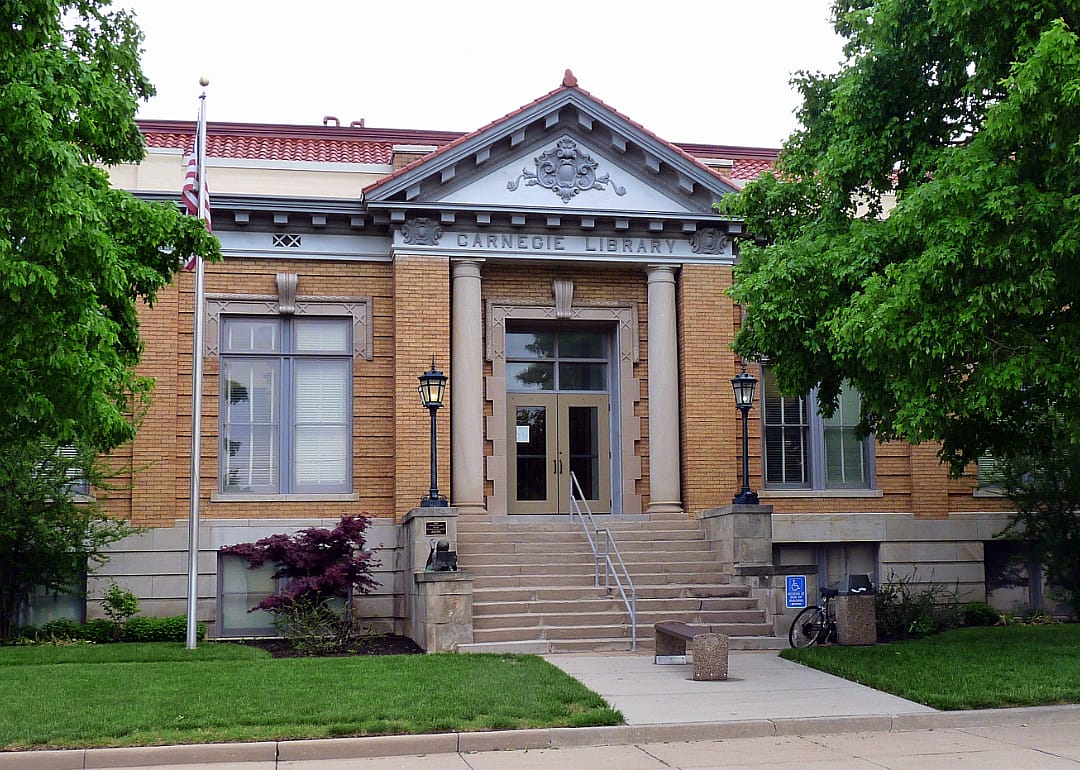
Canva
24 / 25- Farmland: 766,768 acres (1.7% of state total)
- Farms: 2,702
- Most common crop: Hard red winter wheat (281,291 acres, 36.7% of county farmland)

Canva
25 / 25- Farmland: 857,657 acres (1.9% of state total)
- Farms: 876
- Most common crop: Native grass (532,414 acres, 62.1% of county farmland)
You may also like: As more states adopt traffic enforcement cameras, here's where Kansas stands