Paul Hennessy/SOPA Images/LightRocket // Getty Images
1 / 6Starlink
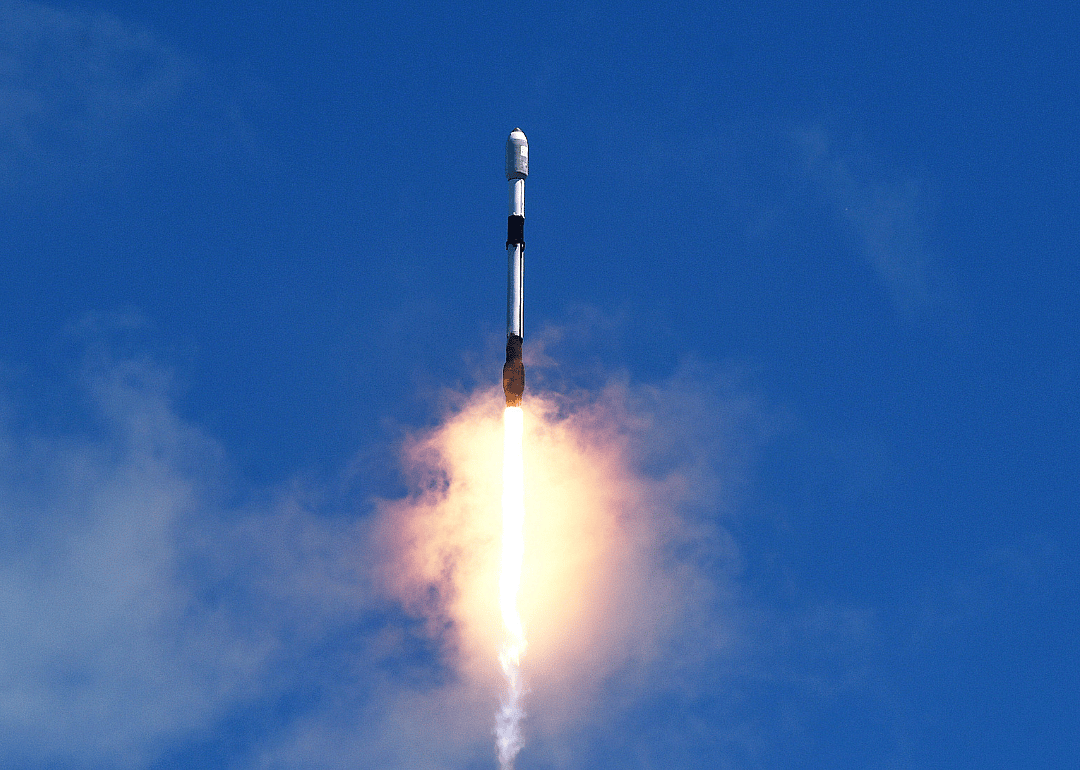
Until now, high-speed internet has been less of a given and more of a luxury in many parts of the world. Because access requires laying infrastructure networks of fiber-optic cable in the ground, remote and rural areas (particularly in underdeveloped regions) often only have unreliable internet or none at all. But this may no longer be the reality in the future thanks to SpaceX's development of Starlink, a network of over 4,200 satellites launched into space in waves since 2018 after receiving permission from the FCC.
This vast blanket of satellites orbiting the planet can deliver internet service to previously underserved areas across the globe. Consumers can mount a small satellite dish to their roofs, yards, or even cars to receive a signal. More than 2.3 million people are already using the service in over 70 countries, and it has raised over $9.4 billion and counting in private funding to encourage further expansion.
The potential impacts of Starlink are far-reaching beyond simply allowing more people to call and text each other: Reliable, globally accessible internet access can be pivotal in establishing education, health, and other crucial infrastructure in underserved regions. The satellite network has already demonstrated its ability to facilitate rapid emergency first response deployment in disasters, as the Ukrainian government has used it heavily to improve emergency communications throughout the ongoing Russian invasion.