Bettmann // Getty Images
1 / 16How cellphones have changed over time
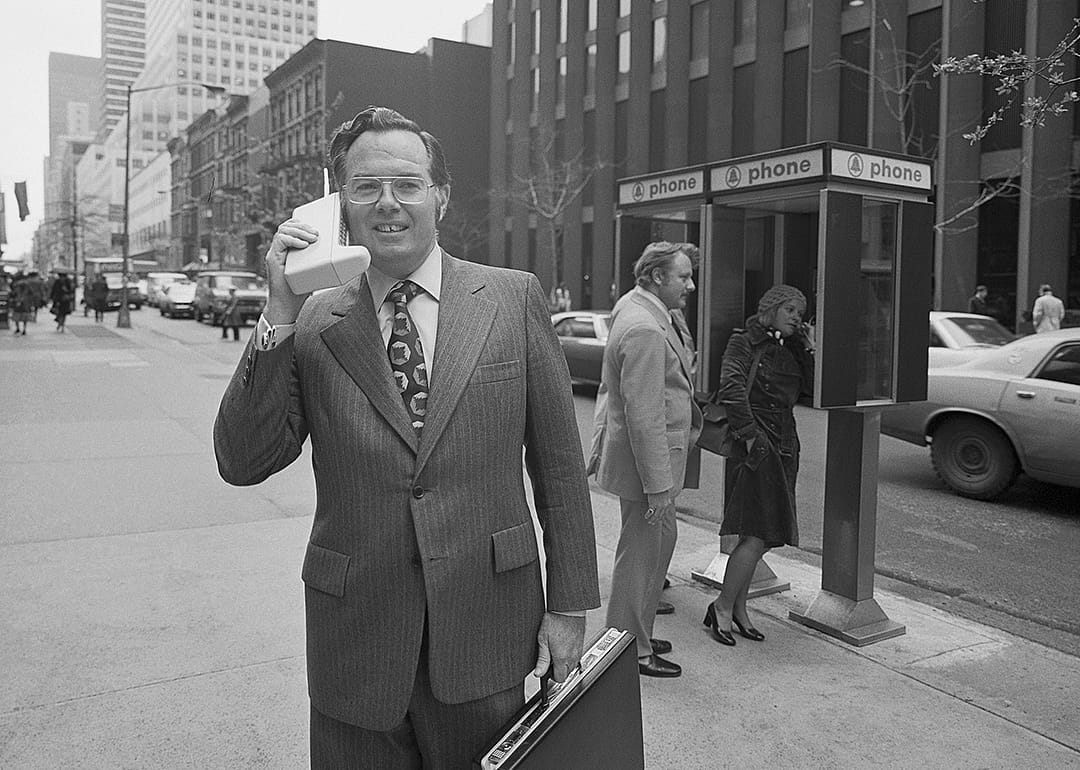
When the first cellphone prototype debuted in 1973, it was a large, bulky block that could hardly be called convenient. The Motorola DynaTAC—or "the brick," as it was dotingly called by its inventors—weighed about 2.5 pounds and took 10 hours to charge for only 35 minutes of usage.
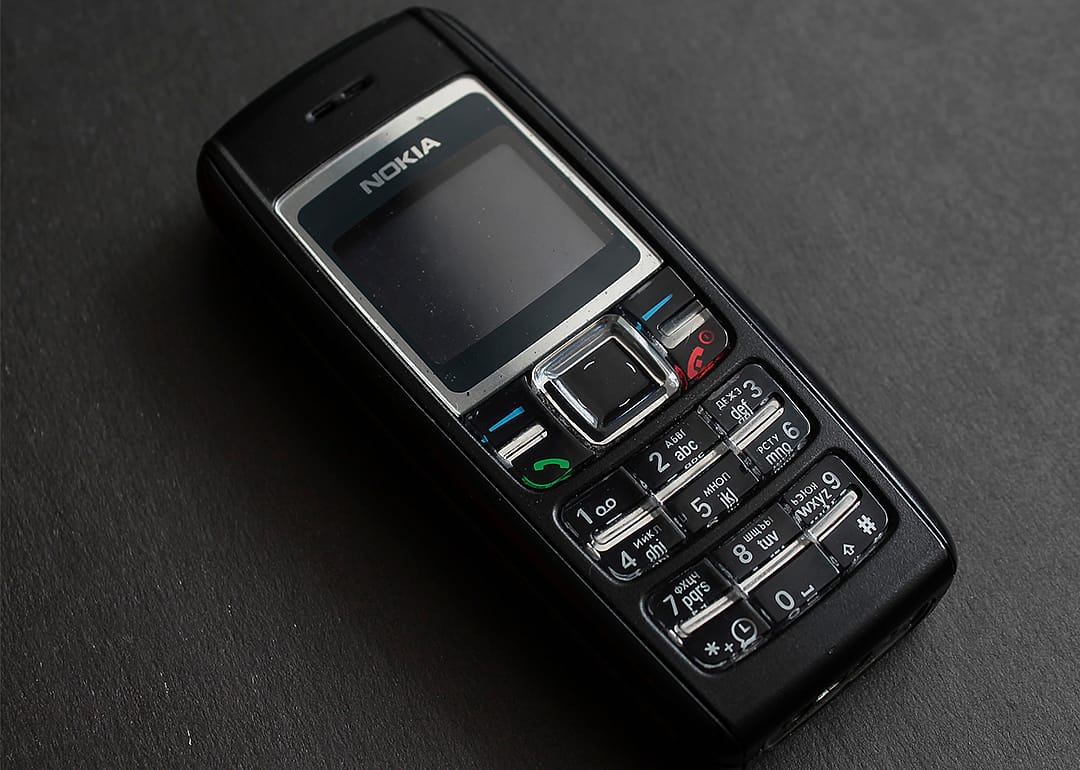
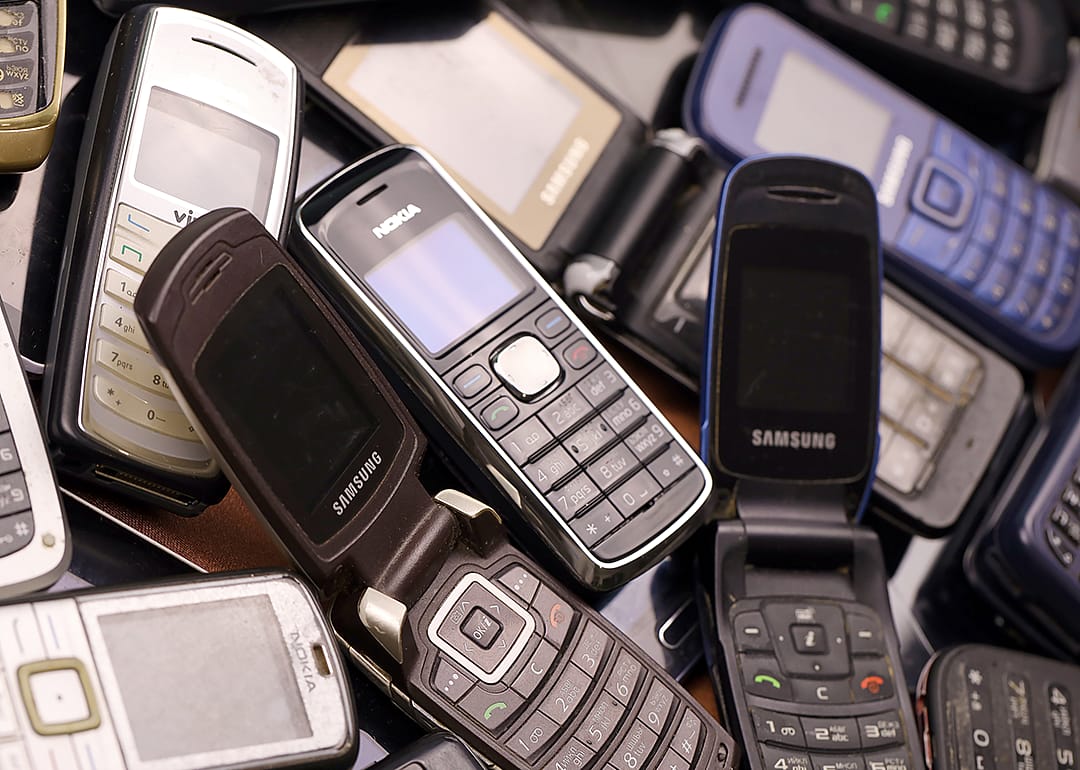
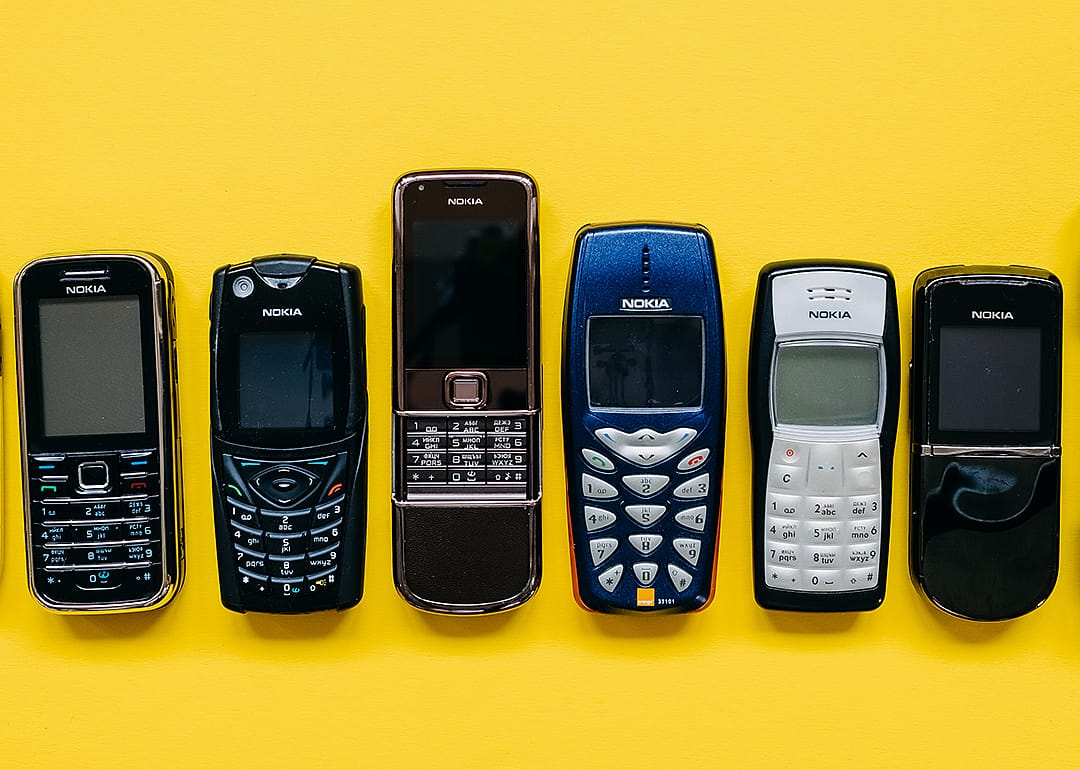
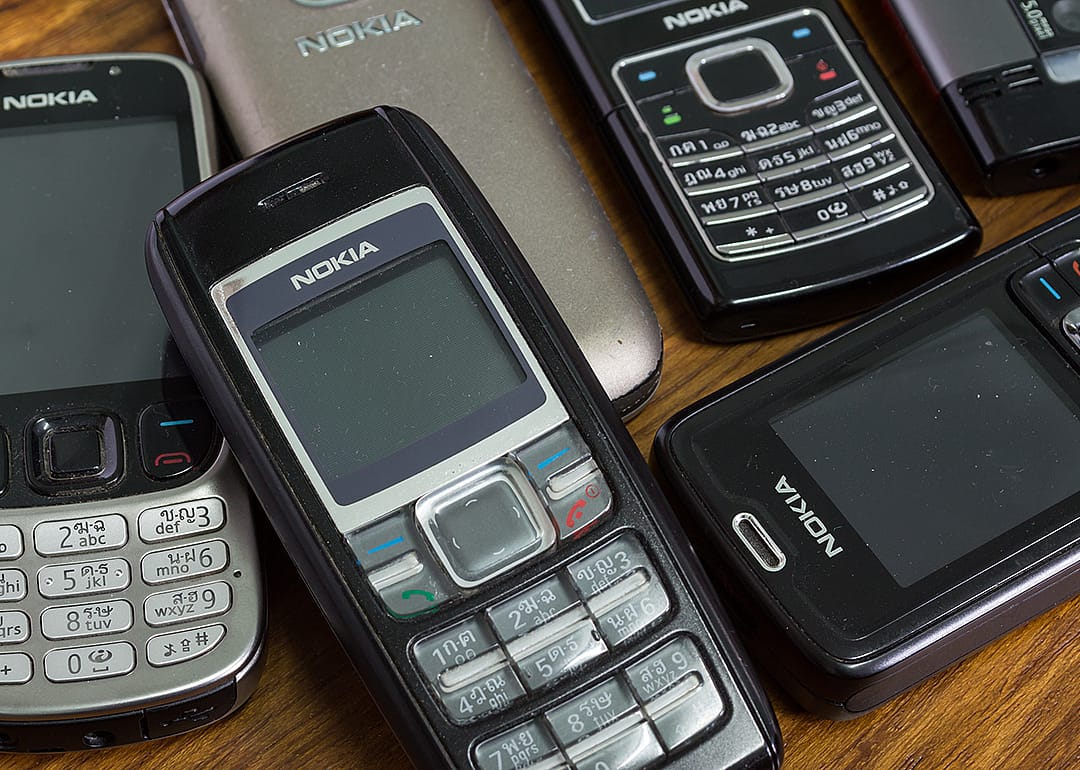
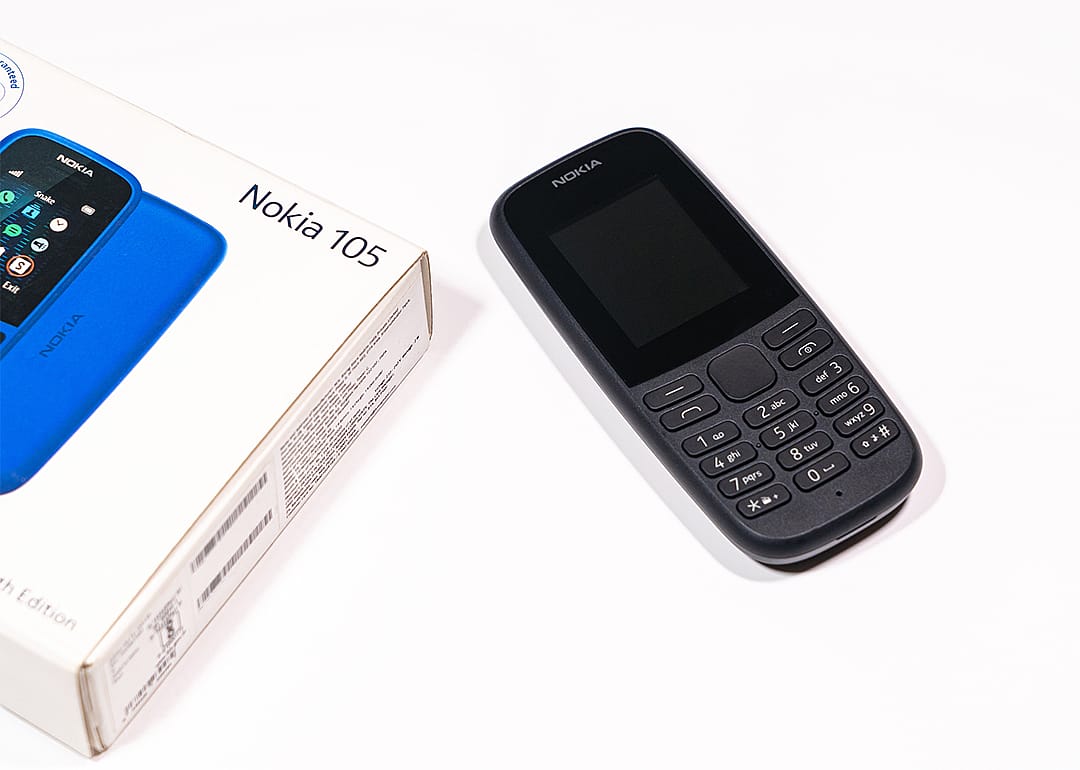
However, it took decades for cellphones to be accessible to everyday consumers. By the early 2000s, cellphones evolved into pocket-sized portables with more features and personalization options than their predecessors. The iconic Nokia 1110, unveiled in 2003, targeted populations in emerging markets like Russia and China at the time. Despite its discontinuation in 2009, it remains the bestselling cellphone of all time.
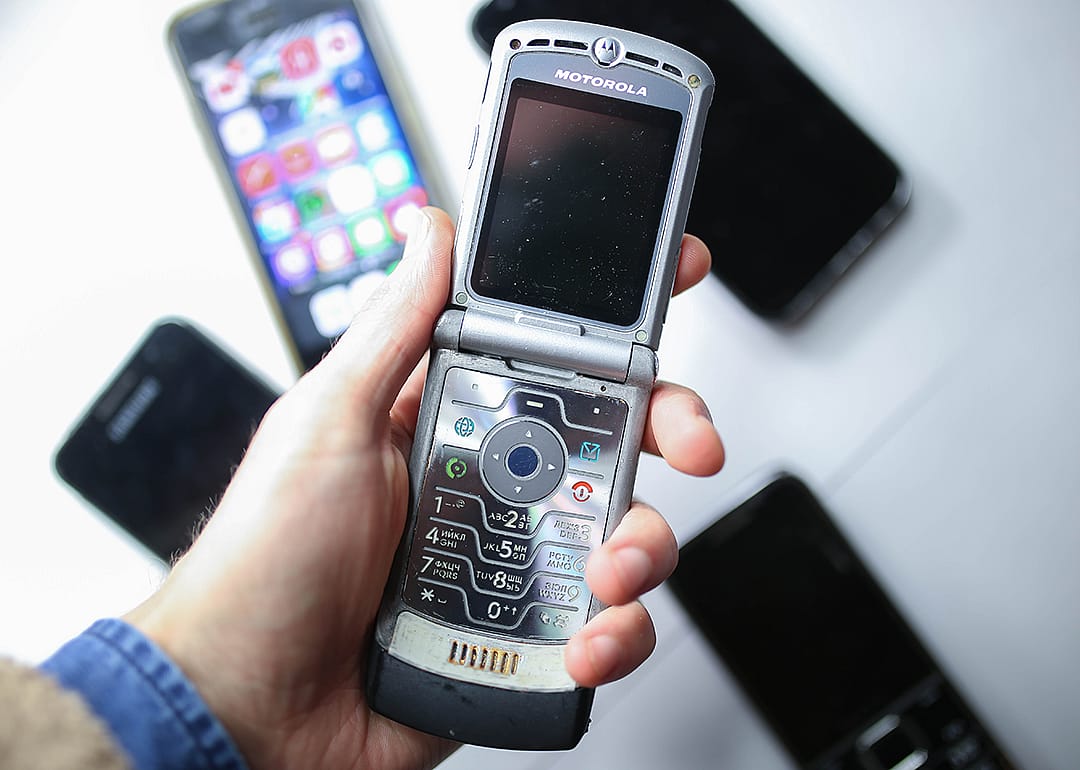
Other phones that gained popularity early on include the Motorola Razr, which had a distinctly sleek design in vibrant colors like bright blue and candy pink. In 2002, with the launch of the game-changing BlackBerry 5810, cellphones made a leap in functionality. With a calendar, full keyboard, and internet access, the double-thumbed typing popularized the BlackBerry first among the business class, and then among the wider population.
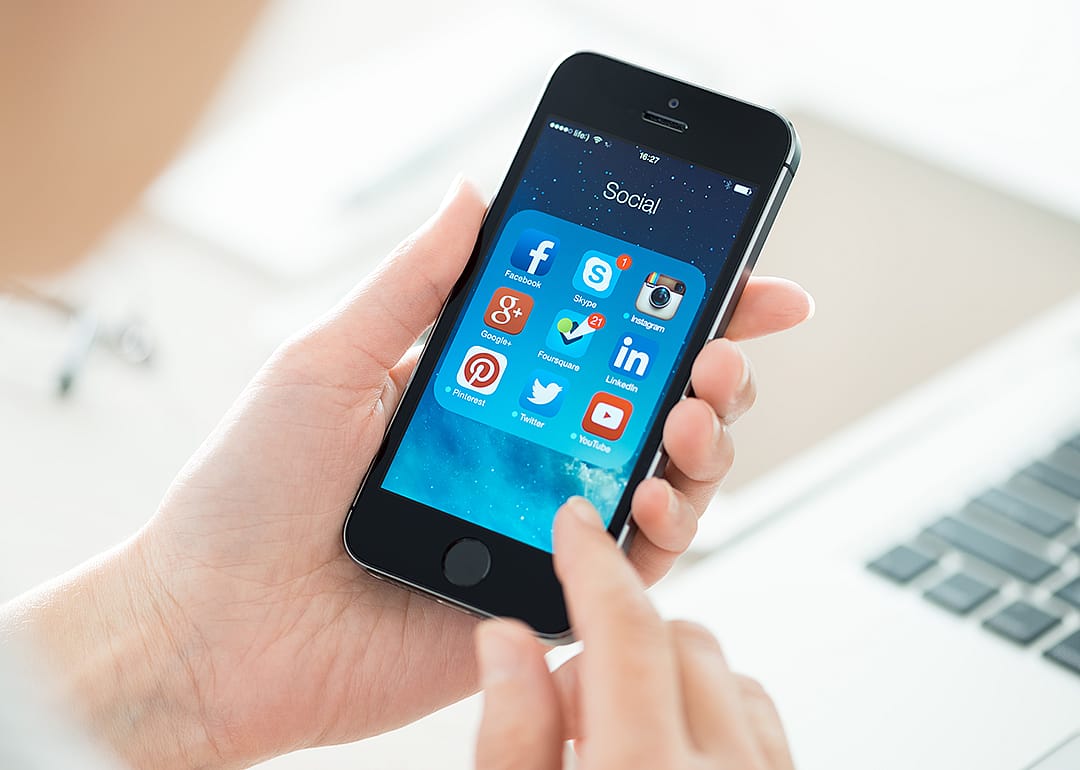
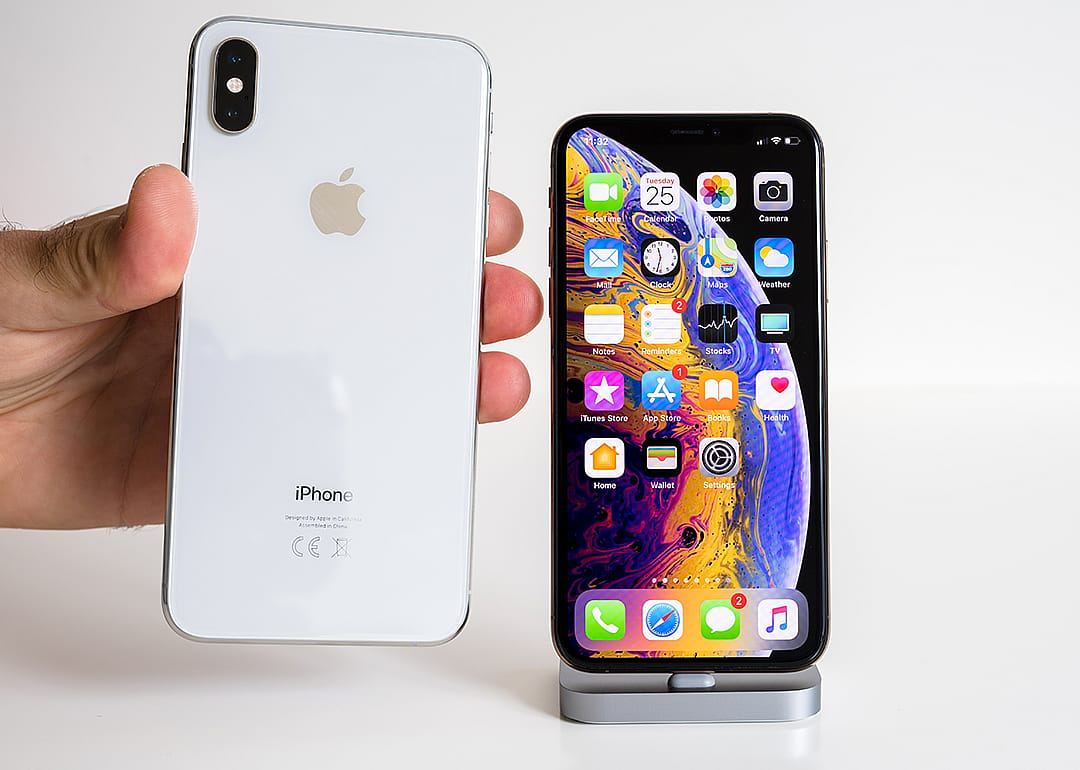
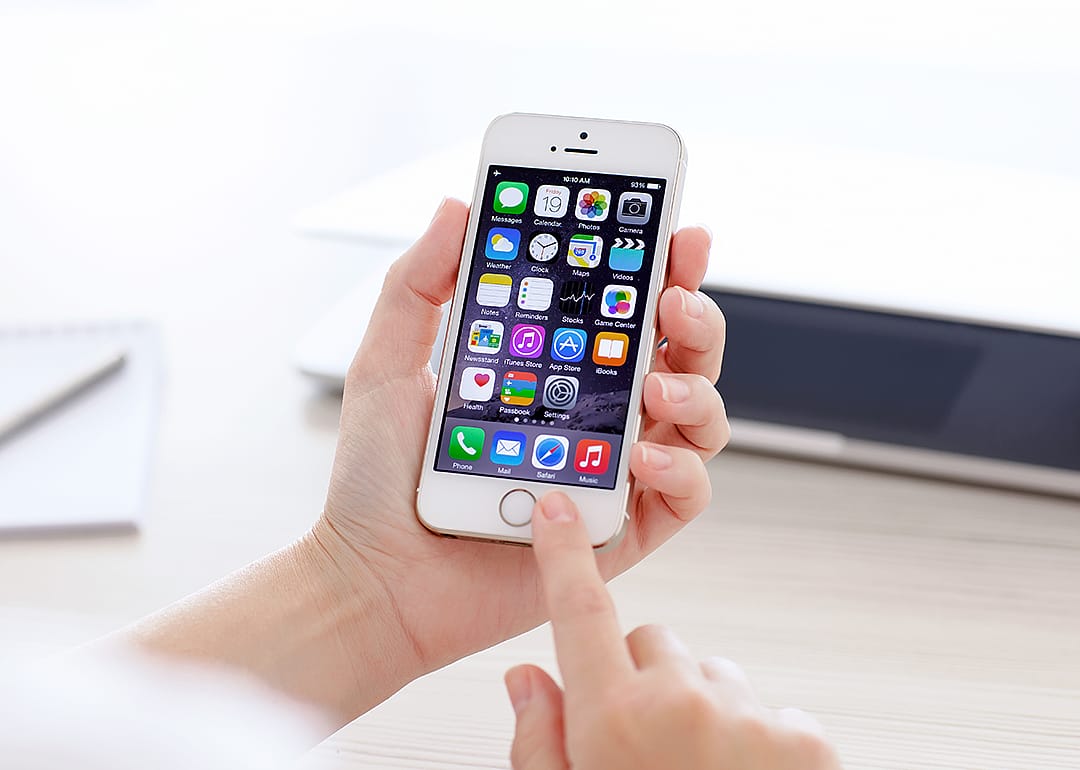
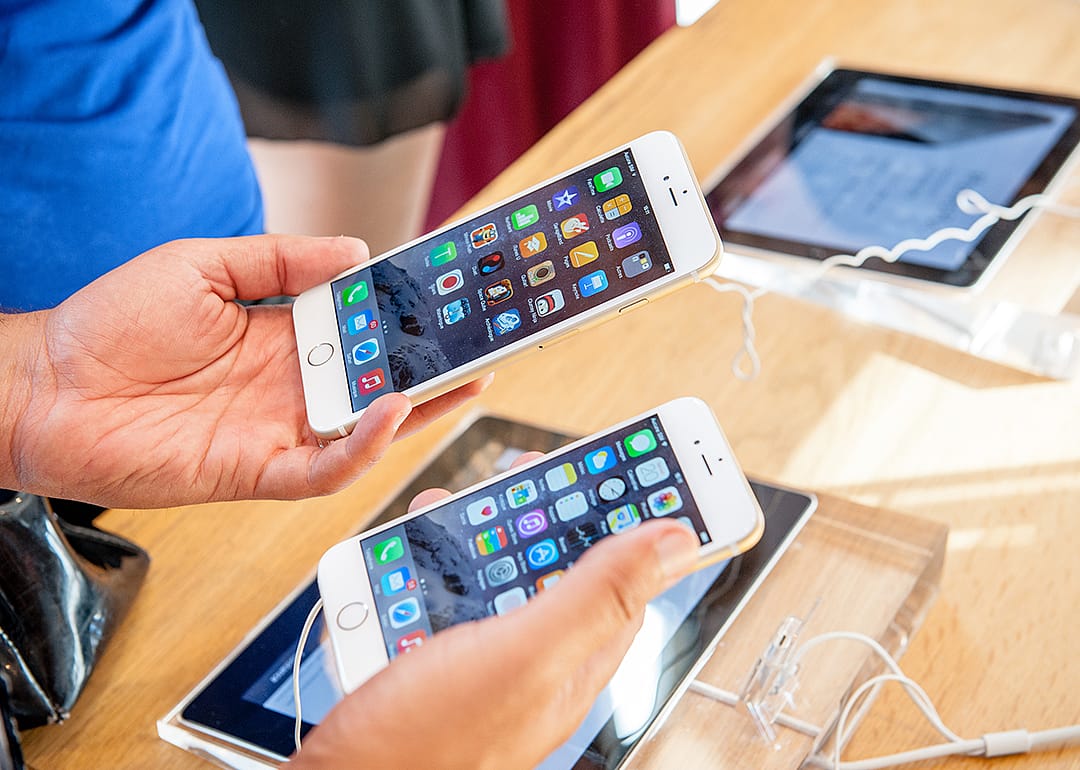
Over time, cellphones got slimmer and smarter, and features expanded to include web browsing, music, and games. However, when the first iPhone was released in 2007, it shifted the cellphone market—and the culture surrounding it. Today, out of the 15 bestselling phones, nearly half of them are iPhones.
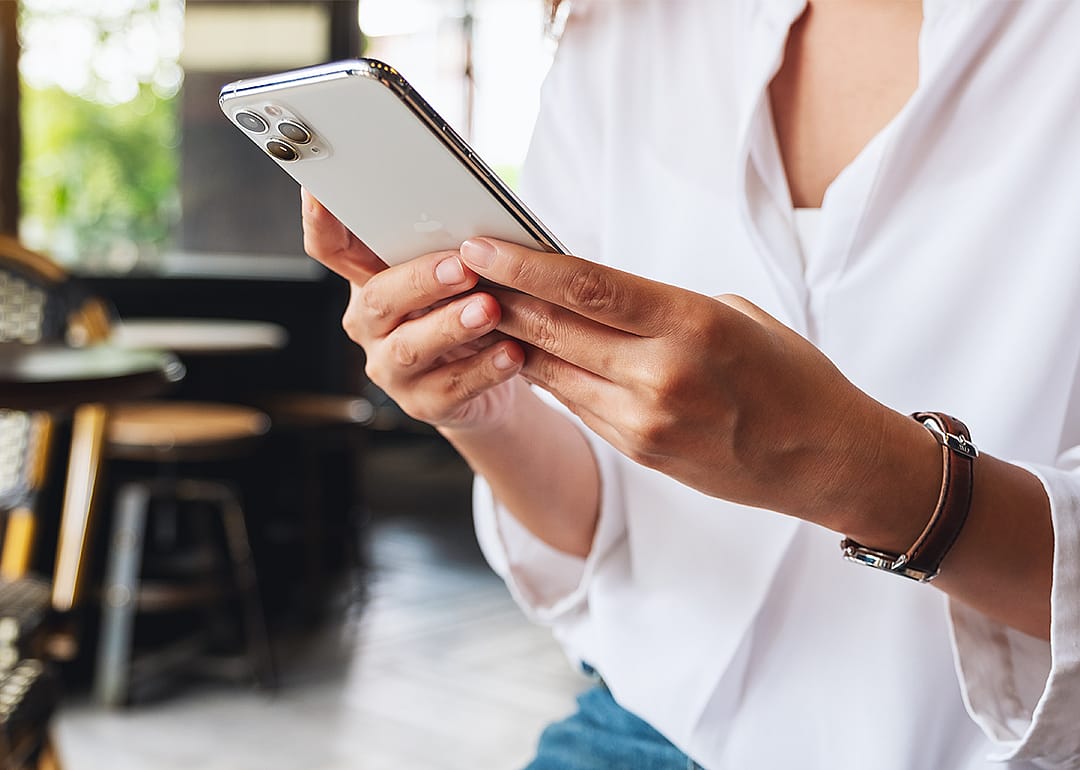
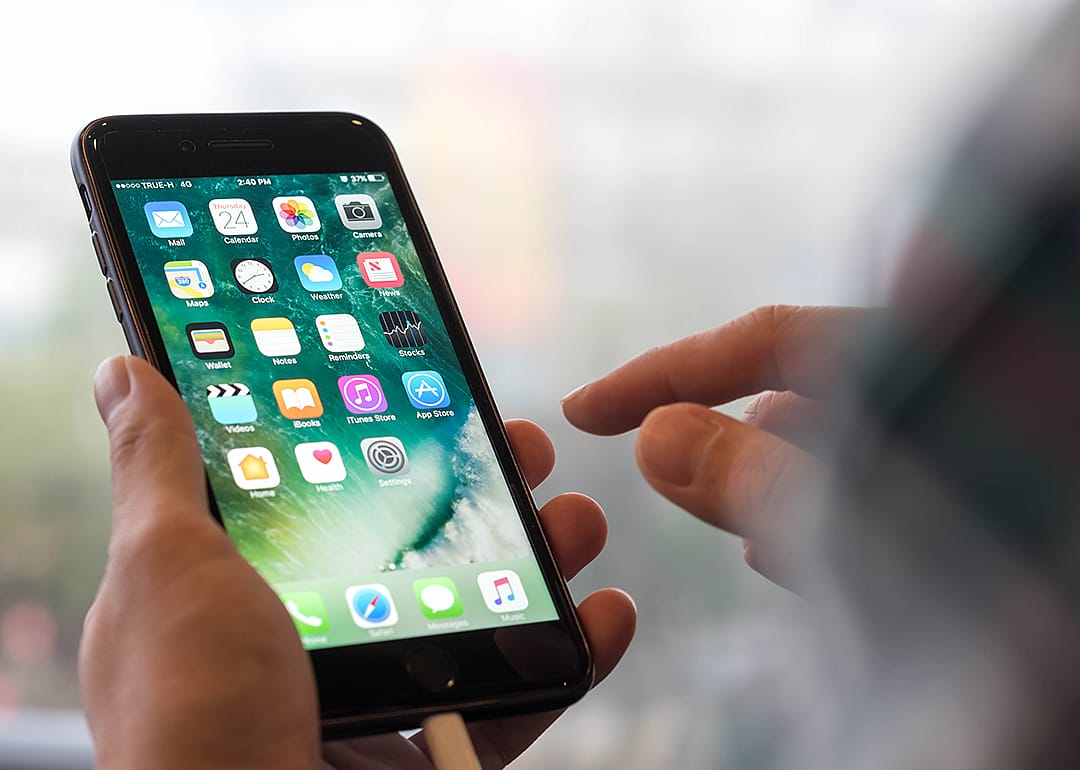
Apple is credited with popularizing touchscreen phones and digital storefronts like the App Store. The iPhone 6 and iPhone 6 Plus are the second-bestselling phones of all time, just behind the Nokia 1110. The newest iPhones on the list are the iPhone 11, iPhone 11 Pro, and iPhone 11 Pro Max.
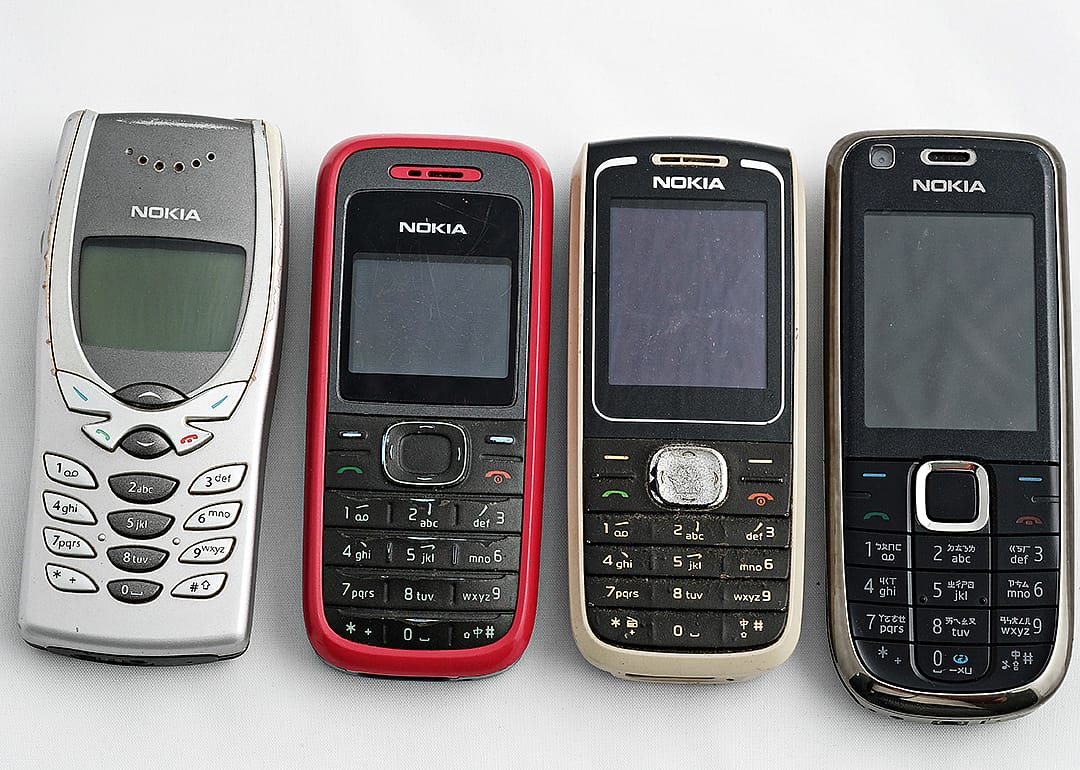
Since 2004, Nokia, Samsung, and Apple have dominated the mobile phone market. Though Samsung only has one phone on the bestseller list, it holds the second-largest global market share. The Samsung E1100 stands out for its durability and battery life, similar to Nokia phones, which still maintain a reputation of affordability and durability.
Read on to see which mobile phones were the most popular over the past two decades.