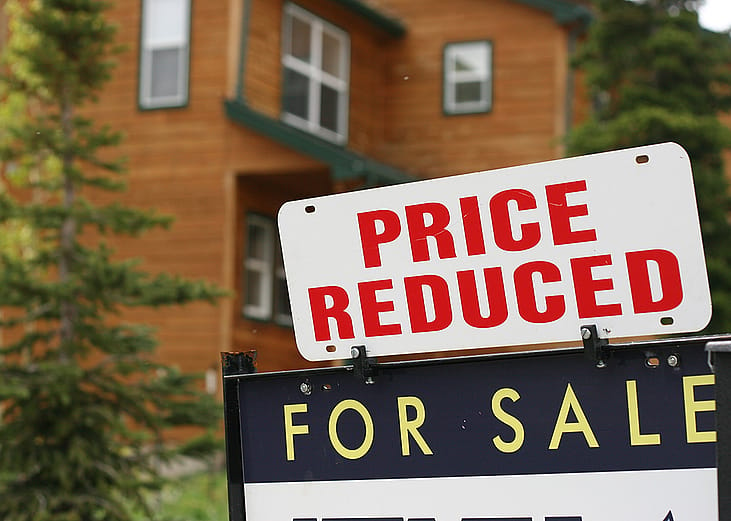
Although some among the youngest consumer generation have bought a home of their own in the past couple years, mortgage payments are as high for them as they are for older recent homebuyers who likely have more discretionary income.
More likely, they rent. Some 70% of all rental households are millennials or Gen Z, according to Experian's State of the U.S. Rental market report. Rental prices—where most young people first begin their financial journeys—are still increasing faster than the rate of overall inflation in most markets. One consequence: More young adults live with their parents or others (roommates) than they did 30 years ago, according to data collected by the Urban Institute.
As for Gen Z homeowners, many are facing additional challenges relative to other homeowners: higher borrowing costs. Nearly half are paying more than 5% annually in interest. Besides the larger monthly mortgage payments this implies, it also means that equity accumulates more slowly for these homeowners than others.
There is an upside, though. If mortgage rates fall far enough, there will be a ready-made market of Gen Zers willing to refinance their mortgages, activity that's barely occurring today.
While mortgage rates and few homes to choose from are placing homeownership out of reach for many, regardless of age, reporting rental payments to credit bureaus could help a renter's credit score in the meantime. As Generation Z are the generation most likely to rent, as well as most likely in need to thicken their credit file and potentially improve their credit score, having rents reported to credit bureaus is perhaps more important for those just starting on their financial journeys. Alas, adoption among property owners has been slow, and smaller landlords may not be as likely to report on time payments to credit bureaus.
If there's one myth to bust about young people, it's that they're forever optimistic. According to a survey recently published by consultancy Deloitte, more than half of Gen Z report living paycheck to paycheck, and only 1 in 3 say the overall economic and social situation will improve in the coming year—a polite way of saying most don't think things are getting better anytime soon.
Methodology: The analysis results provided are based on an Experian-created statistically relevant aggregate sampling of our consumer credit database that may include use of the FICO Score 8 version. Different sampling parameters may generate different findings compared with other similar analysis. Analyzed credit data did not contain personal identification information. Metro areas group counties and cities into specific geographic areas for population censuses and compilations of related statistical data.