From ‘Scream’ to ‘Obsession’: What your favorite horror movie may say about you

What’s your favorite scary movie? Maybe it’s one you’ve seen a hundred times. You know the rules, you know the killer. Or maybe it’s one with no rules: a ghost, a curse, a wish gone wrong.
This year's box office shows how different horror taste can be. “Scream 7” is the highest-grossing "Scream" movie. It’s a slasher, and fans know Ghostface by heart. “Obsession” is the highest-grossing original horror movie of the century. It’s a brand-new story that centers on a supernatural wish.
Why do such different movies both work? Because people seem to have different appetites for fear. LifeStance Health explains how your favorite horror movie fits your own “sweet spot,” and what it may say about you.
Why everyone has a different sweet spot for horror movies
Your brain is like a prediction machine. It's always guessing what happens next, then adjusting when it's wrong. Researchers have proposed that horror works by playing with that guessing. It seems to feel best in a sweet spot of uncertainty: not so predictable that it's boring, and not so unpredictable that it stops being fun. A field study at a haunted house had visitors rate how scared they were and how much fun they were having. Enjoyment peaked when fear was in the middle: not too low, not too high.
But that horror sweet spot isn't the same for everyone. A 2018 survey of more than 1,000 people found that personality traits and beliefs shape both how much people enjoy horror and which kind they choose. Your sweet spot can shift with your mood, too. Some nights may call for comfort. Others may call for suspense. Still, the movie you come back to most may point to where yours usually falls.
What your favorite horror movie may say about you
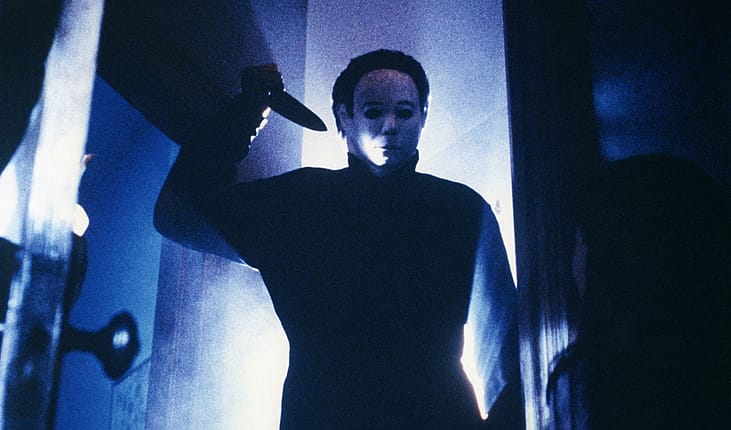
1. “Scream,” “Halloween,” “Friday the 13th”: Familiarity over surprise.
The plots change, but the formula doesn’t. Knowing what’s coming may make it more enjoyable. In a study published in Psychological Science, people reported liking stories more when they knew the ending. The researchers suggested it may be because the story is easier for the brain to process. That comfort of knowing can also open the door to nostalgia. Rewatching these franchise classics may bring you back to the first time you saw one: who you were with, what year it was, how it felt. That can be a psychological benefit, offering comfort and a connection to your past.
2. “Obsession,” “The Conjuring,” “The Exorcist”: Possibility over proof.
These movies lean on things science can't explain: demons, possession, a supernatural wish. That same 2018 survey found that people who believe in the paranormal are drawn to supernatural horror. Those who believe less tend to prefer more realistic threats, like a slasher or a home invasion. In other words, people seek out the threats they find believable. If a ghost story scares you more than a masked killer, that may say something about what you believe is possible.
3. “Backrooms,” “Smile,” “The Blair Witch Project”: Curiosity over certainty.
These movies hold back the full picture. A basement leads to endless rooms. A psychiatrist sees smiling faces no one else can see. Three student filmmakers go looking for a local legend and get lost in the woods. A 2024 study in the Journal of Neuroscience found that curiosity peaks when confidence is low. The less certain a situation feels, the more the brain wants to understand it. That pull to find answers may be exactly what hooks you on this kind of horror.
4. “Terrifier,” “Evil Dead,” “Saw”: Intensity over restraint.
Researchers behind the 2018 survey found that sensation seeking predicts how much a person enjoys horror and how often they watch it. People high in sensation seeking also tend to expect good feelings from horror, not just fear. If the gore in these movies feels fun instead of hard to sit through, you may simply enjoy a higher level of intensity.
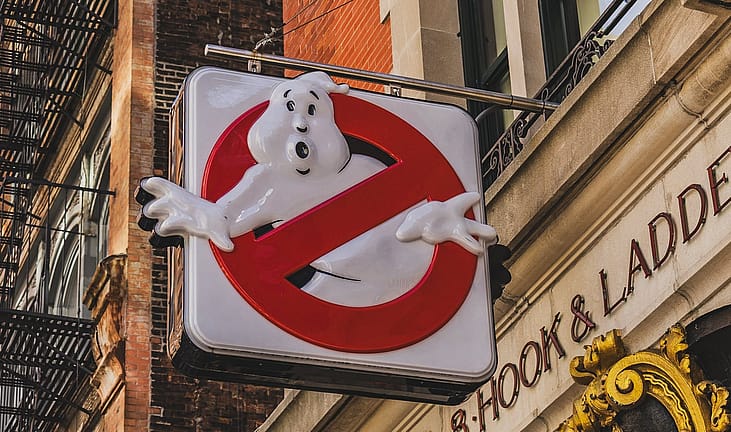
5. “Ghostbusters,” “Hocus Pocus,” “Beetlejuice”: Fun over fear.
Some favorites keep the scares light. They can still spook some viewers, but for many people they feel fun and safe. If your favorite "horror" movie is really a comedy in a costume, you may be drawn to the mood and ritual of Halloween more than to fear itself.
Fear from a horror movie is the kind you choose. That’s a big part of why people enjoy being scared. You can pause it, look away or turn on the lights.
This story was published by LifeStance Health and reviewed and distributed by Stacker.