FPG/Archive Photos // Getty Images
1 / 10Detroit
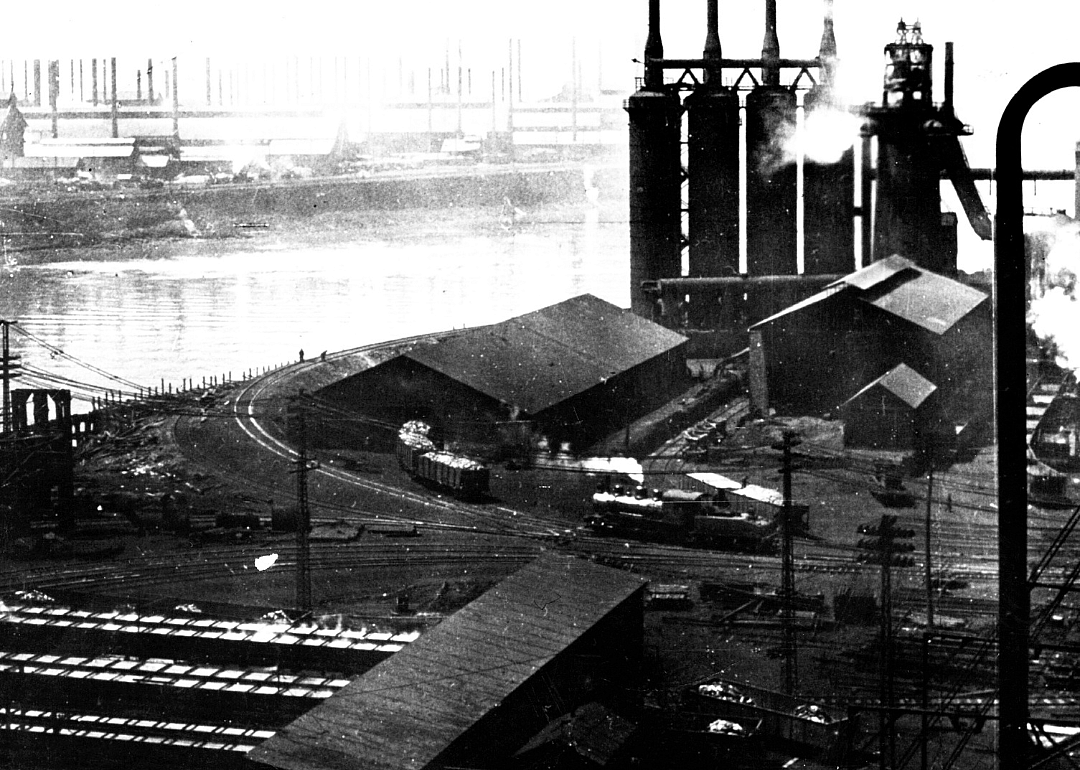
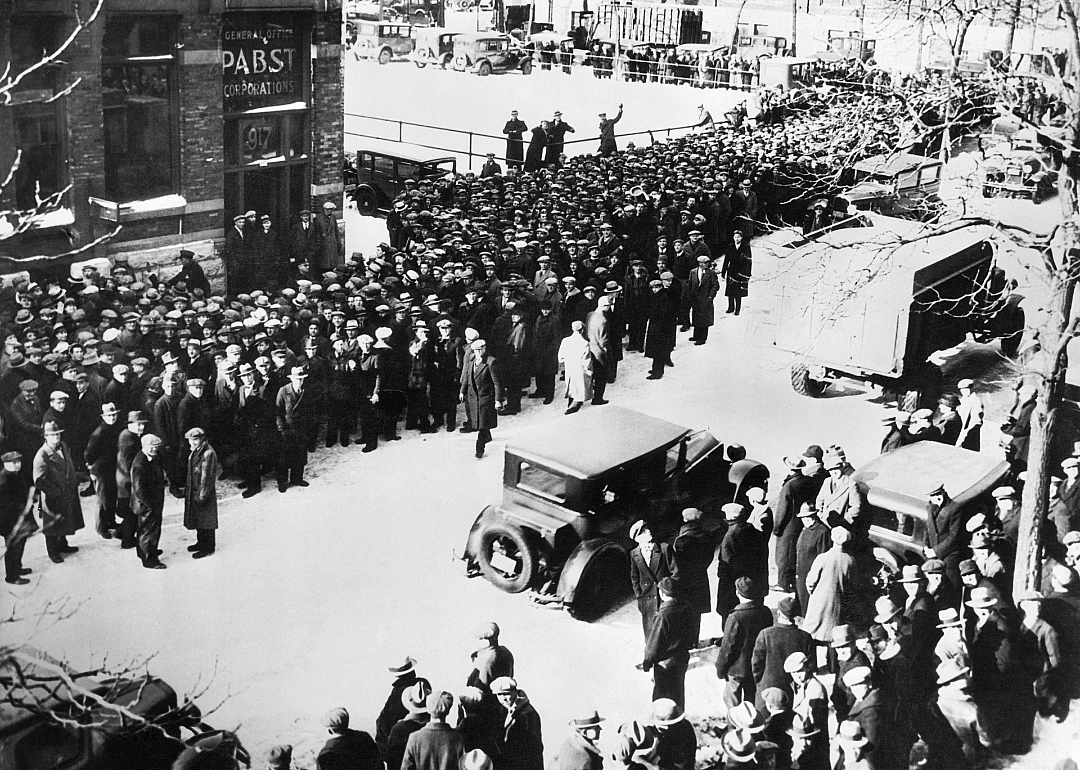
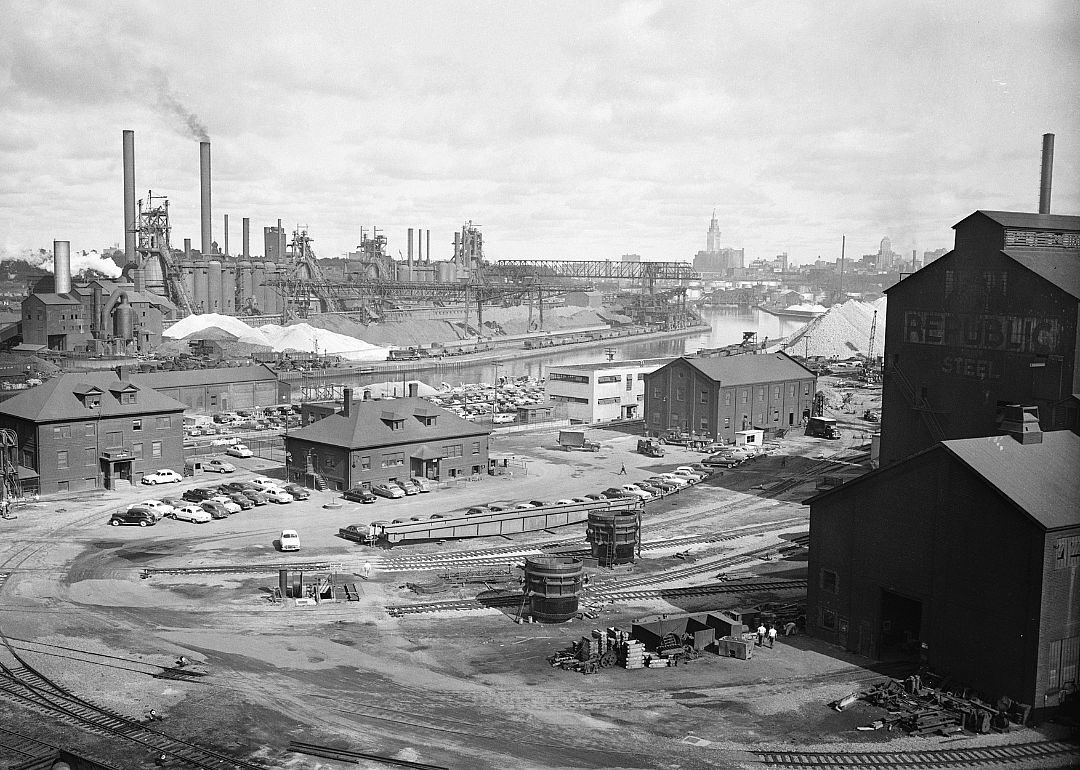
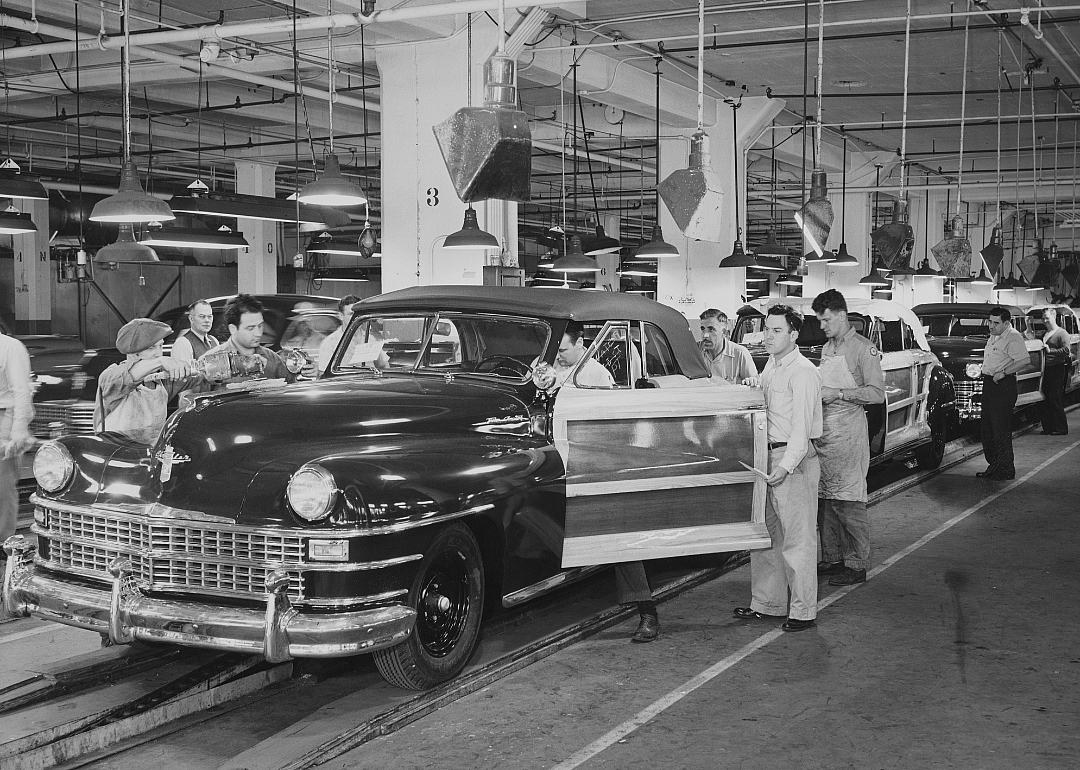
Detroit's rise and fall as the auto manufacturing epicenter of the country has defined the city's culture, legacy, demographics, and very identity—so much so that the earliest phase of its industrial history gets eclipsed. In fact, by the time the auto industry arrived in Detroit in the early 20th century, the city was already a small industrial center.
From 1870 to 1900, Detroit's population increased from 79,577 to 285,704, reflecting the rapid growth of businesses, including train car manufacturer American Car & Foundry and Detroit Copper and Brass, which would eventually supply parts for the auto industry. However, the founding of the big three automakers in Detroit—Ford Motor Company in 1903, General Motors in 1908, and Chrysler in 1925—would spark explosive change.
By 1930, the city's population had increased to 1.5 million, making it the fourth-largest city in the nation. By 1950, Detroit's auto manufacturing industry employed 296,000 people, and the city produced a significant share of the world's automobiles.
This prosperity declined gradually during the 1970s and '80s with automation and international competition, and then dramatically when the Great Recession bankrupted Chrysler and GM in 2009. Detroit followed suit when it declared bankruptcy in 2013.
In more recent years, Detroit has initiated an urban revival, using some of the same geographic and urban industrial advantages that initially transformed it into the Motor City.