Bettmann // Getty Images
1 / 4The surprisingly long history of manufactured diamonds
Though the technology sounds new and cutting-edge, lab-produced gemstones have existed for over a century. Geneva rubies, manufactured gems, appeared in the market during the 1880s and were sold as natural gems.
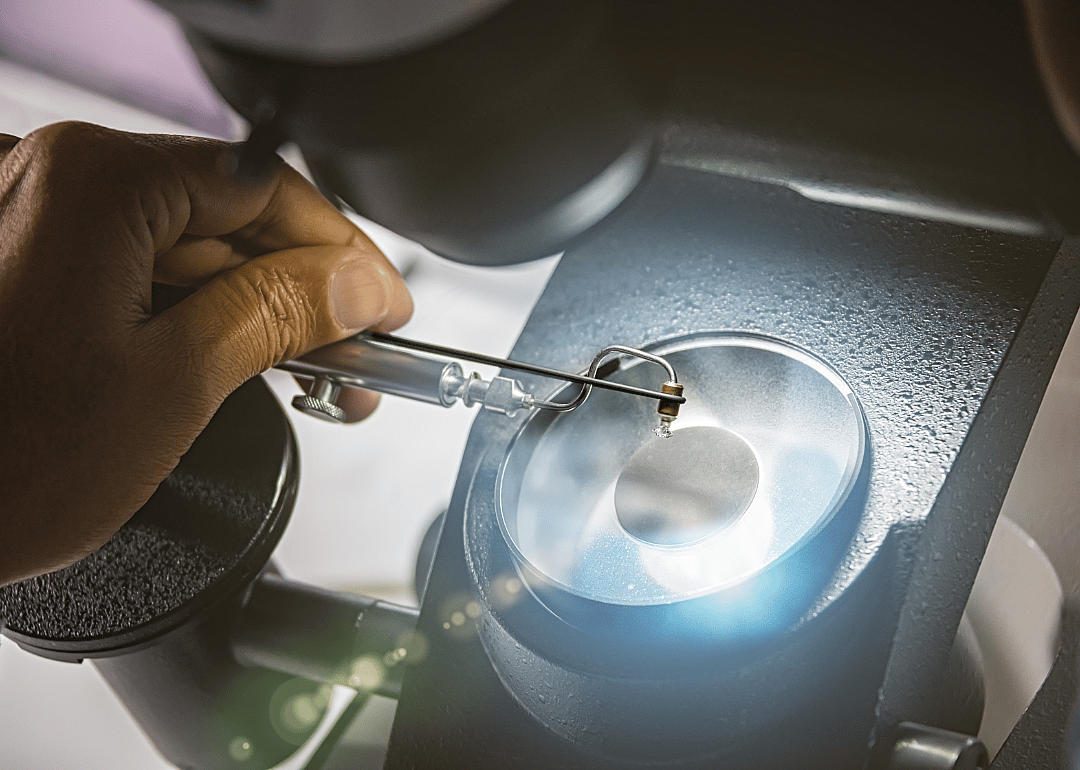
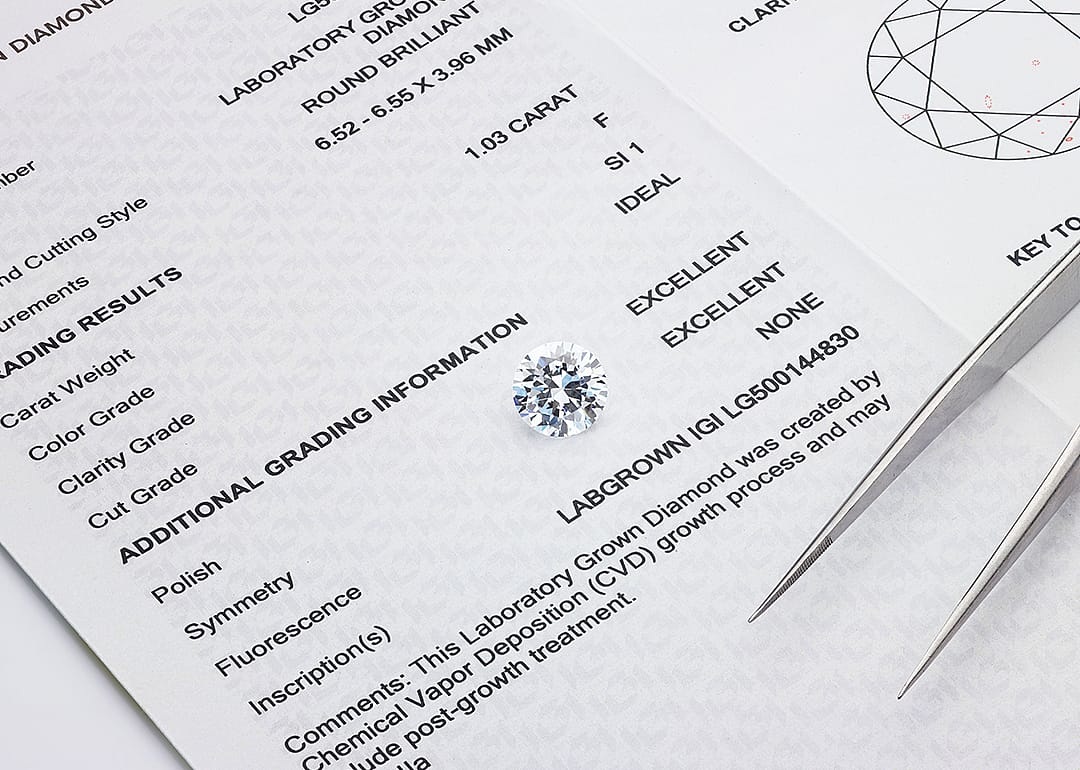
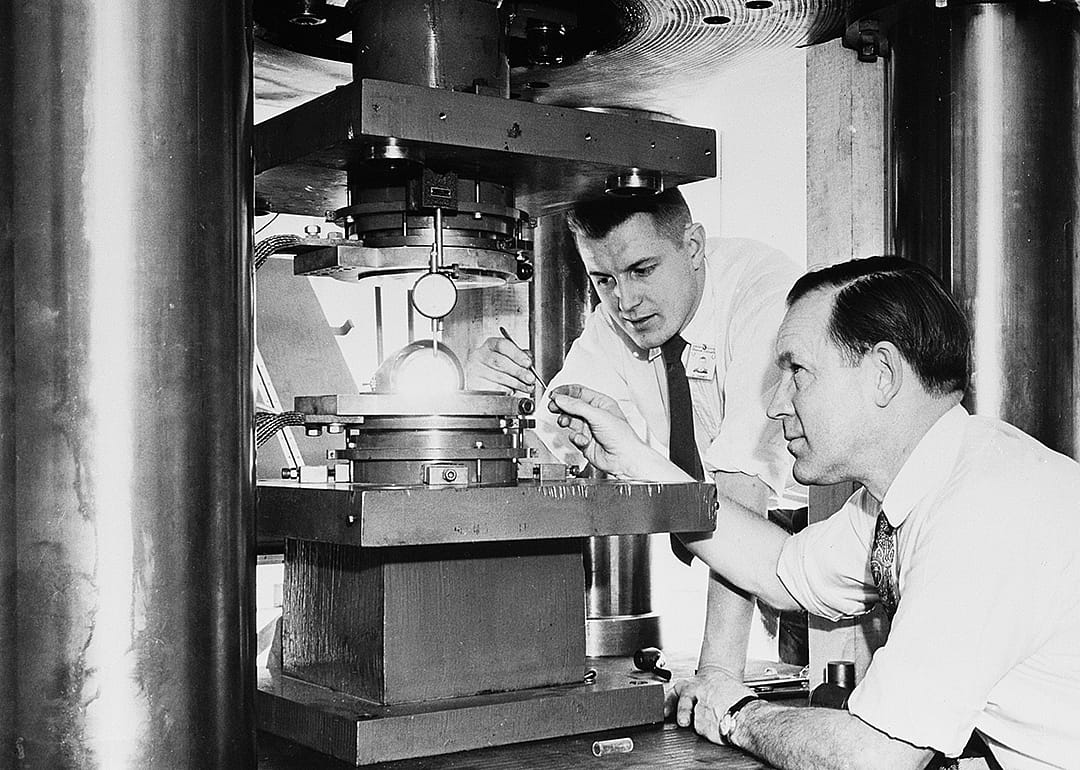
Lab-grown diamonds emerged in 1954 when GE scientists used high-pressure, high-heat technology to produce the first. It wasn't until the 1980s that they were more commercially available. Unlike imitation gems such as cubic zirconia, lab-grown diamonds are identical, chemically speaking, to natural diamonds. Continued investment in technology has helped them reach their status today.
Major jewelry brands in the U.S. have embraced the trend. Pandora sells an entire lab-grown collection starting at $290 for a 0.15-carat ring. Swarovski has also introduced a line of lab diamonds in addition to their popular crystal products.
In the U.S., consumers will know what kind of diamond they buy. Federal Trade Commission regulations require that lab-grown diamonds be advertised as such, which impacts the price of these diamonds and, ultimately, retailer profits.
Seven years ago, the average lab-grown diamond sold for 10% less than a traditional diamond, according to Zimnisky's data. The price gap has widened since then, with a 1-carat lab-grown jewel selling for 80% less than natural stones today.
"The global production capacity of lab-diamonds has exploded in recent years, and it is expected that the trend will likely continue for at least the next few years," Zimnisky explained in a post. "This dynamic has boosted the supply and pressured prices of lab-diamonds."
That price variation, fueled by differences in availability, may keep some legacy, high-end jewelry brands from adopting lab-grown technology.
Former Tiffany's executive Andy Hart told the jewelry publication JCK in 2019, "Our position is lab-grown diamonds are not a luxury material. We don't see a role for them in a luxury brand."
Though Tiffany's has held steadfast in that position so far, it may have to change its tune. Its parent company LVMH, which includes Louis Vuitton and Givenchy, is investing in lab-grown diamonds. It has since put these diamonds on the TAG Heuer Carrera Plasma watch in 2022. Jean Dousset, founded by the great-great-grandson of Louis Cartier, exclusively sells lab-grown diamonds.