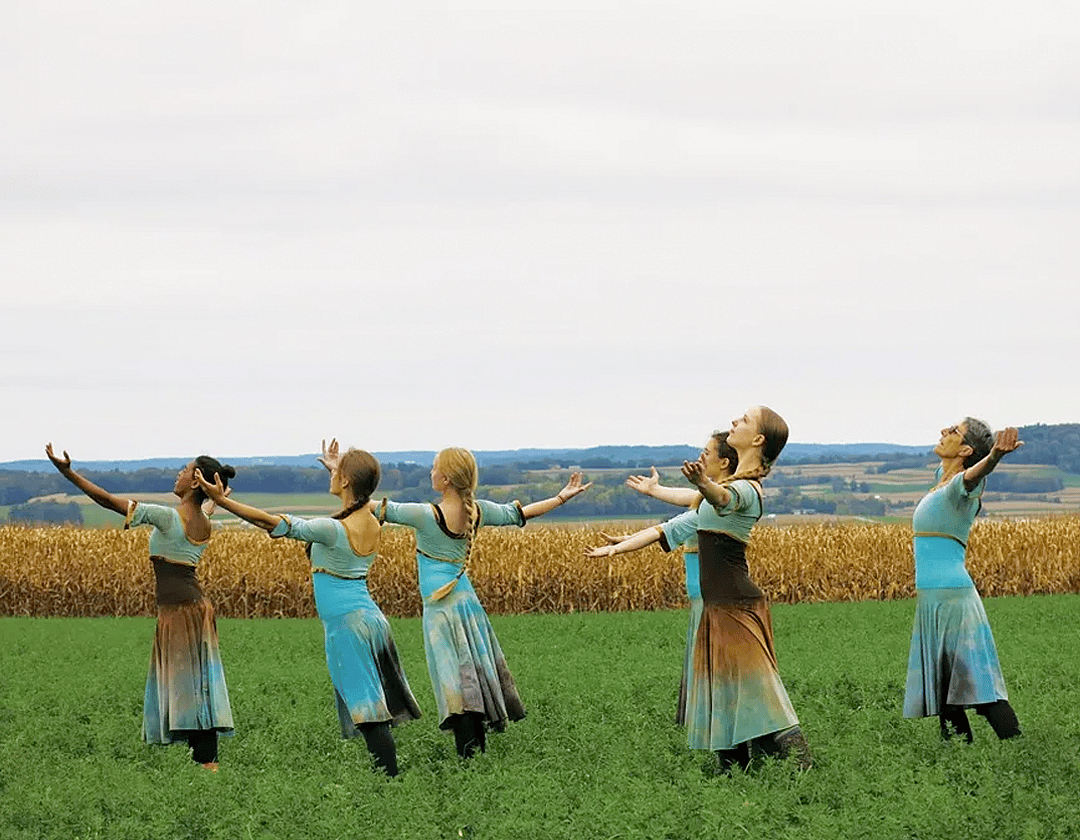
Courtesy of Wormfarm Institute via The Daily Yonder
1 / 3Envisioning national and local exhibits
Photo: "Spark!" shares about Wormfarm Institute's biennial Farm/Art DTour in Sauk County, Wisconsin. The event brings artists and farmers together in a celebration of the connection between land and people.
Thanks to their small size and low cost, the MoMS exhibits make a Smithsonian experience available to small communities. The size needed to host a display is only 750 square feet, and they have been housed in museums, libraries, city halls, nature centers, and community colleges. Since its inception in 1994, MoMS exhibits have focused on food, labor, democracy, music, change, water, sports, and immigration. New topics are decided in consultation with state and local partners to determine what stories they are excited about sharing.
Each exhibit is produced by a team of scholars, designers, writers, multimedia editors, and fabricators pulled together by the Smithsonian. They take two to three years to complete. Four copies of each exhibition are on the road at the same time, and state-level partners reserve them for a year. Humanities councils select the six or seven host sites for the state tour. After a couple of years, exhibits are retired and new ones introduced.
Host communities are selected at least a year in advance so they have time to create accompanying exhibits and programming that focuses on how the larger theme connects to the local story. State humanities councils provide support for this work, offering planning meetings, identifying state and local scholars, granting funds, and assisting with publicity. These efforts, usually at low cost or free for hosting sites, make the program accessible for even the smallest cultural institutions.
"It's definitely gone beyond just providing an exhibition," said Cheng. "We're providing tools and resources for an experience and really enabling the local communities to do their own storytelling and to celebrate that."
Chestertown, Maryland, population 5,532, lifted up local stories around the The Way We Worked exhibition, which was displayed in one of two surviving African American Grand Army of the Republic buildings in the U.S. As organizers explored the intersection of the history of work and race, one outgrowth was the creation and production of a new musical about African American labor experiences in the county.
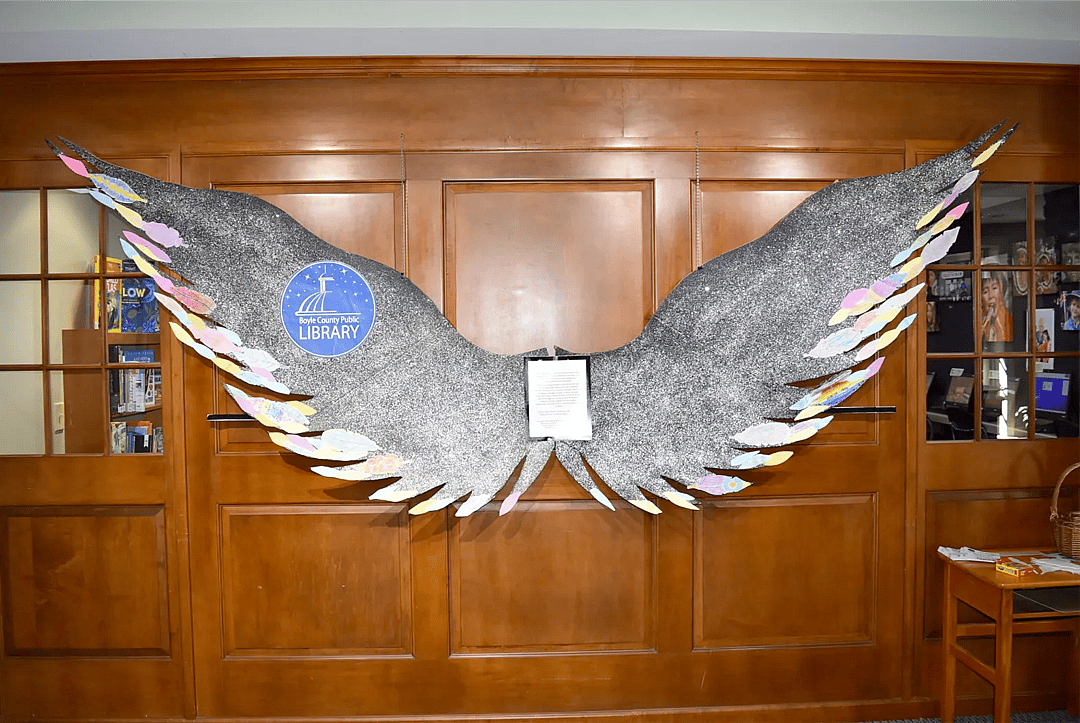
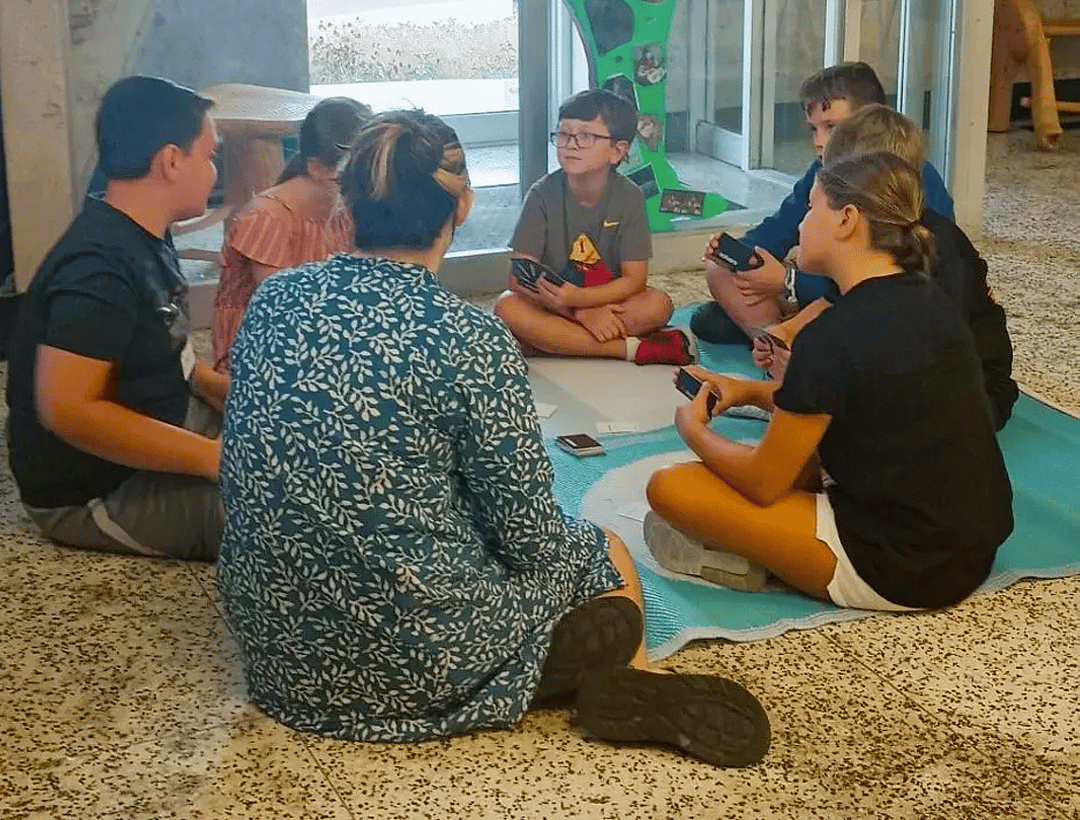
I went to see Spark! at Boyle County Library in Danville, Kentucky, (population 17,240). This "city of firsts" is proud of its own history of innovation in government, education, and medicine. To complement the Smithsonian displays, the library gallery featured an innovative local artist who creates intricate sculptures out of high density foam. The exhibit also sparked an inventor/invention expo for students in grades K-12, a temporary maker space, and a series of wing murals introducing people to innovative businesses and community organizations.
The underlying premise for these local additions is that each place has a unique history and culture worth celebrating. "I 100% recommend this program to other small towns," said Christina Farrell, Adult Service Manager at the library. "It has been a wonderful experience."