Canva
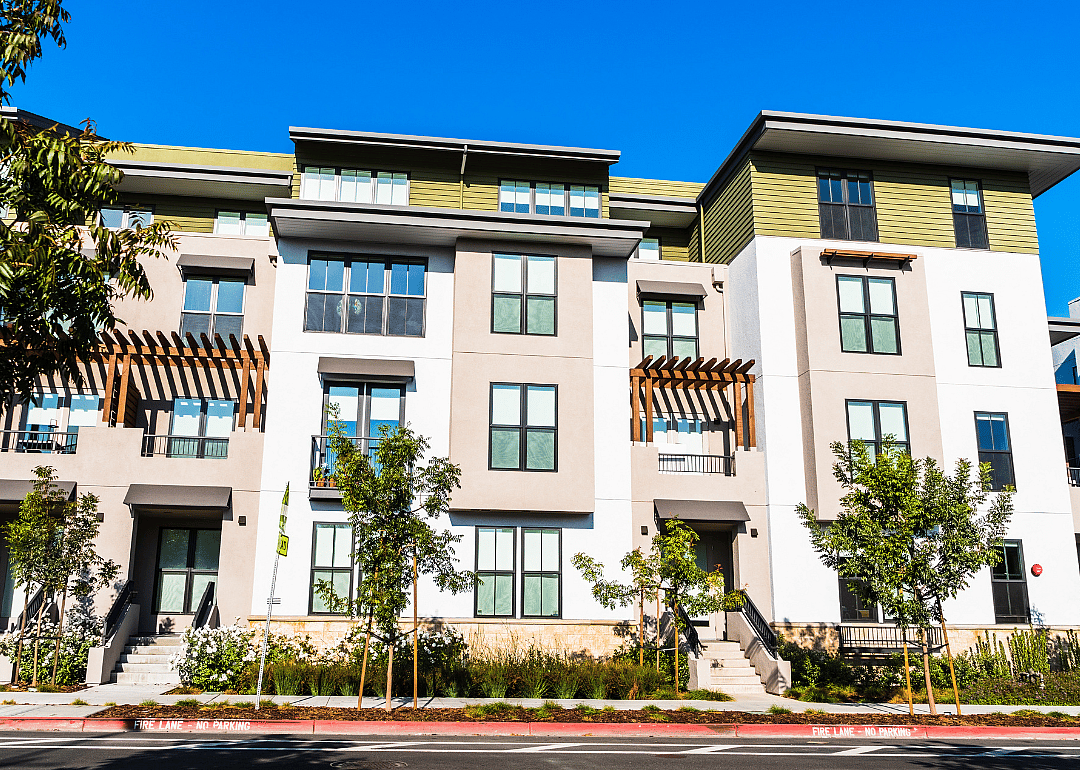
1 / 5Traditional zoning practices prevent the development of 'missing middle housing'
Zoning covers a range of building specifications but generally describes what gets built where and how land is used. Exclusionary zoning laws dictate the types of buildings allowed in a neighborhood and commonly prohibit multifamily homes. These laws started being adopted in the early 1900s with stated goals such as preventing fire hazards and preserving air quality but were often used to restrict minority groups' access to certain neighborhoods.
After years of blatant discrimination via zoning laws, in 1917, the Supreme Court abolished race-based zoning. Still, certain cities continued to use these laws to stifle growing numbers of Black families or price minority groups out of areas altogether. Due to exclusionary zoning, 1 in 4 Black Americans and 1 in 6 Hispanic Americans living in poverty are in a high-poverty neighborhood, according to The Century Foundation.
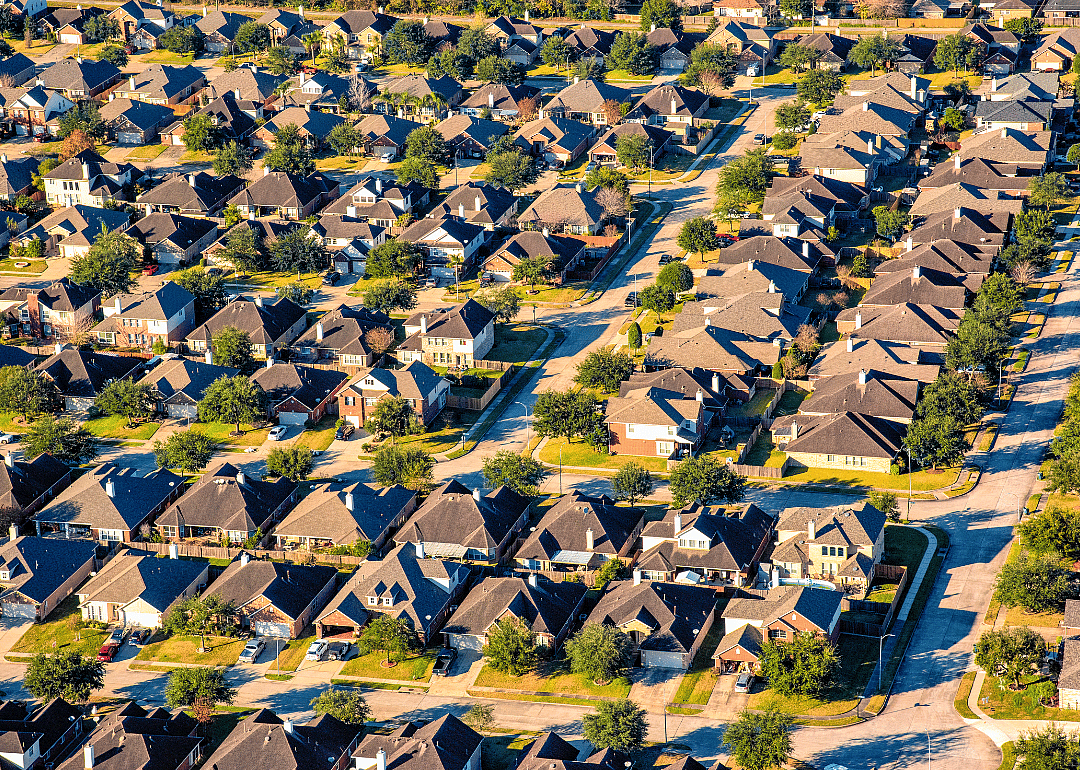
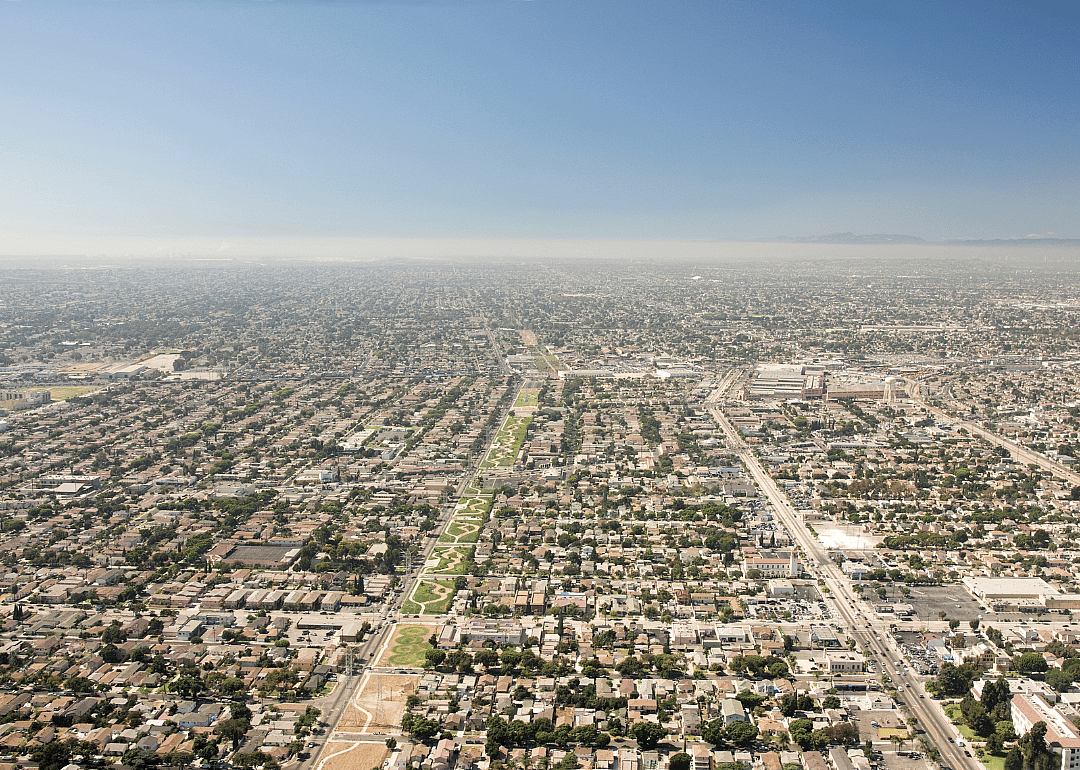
A trend toward zoning mandates during the 20th century that favored building types less likely to be afforded by people of color and low-income families led to most areas in many American cities being zoned for single-family homes with expensive building requirements and prohibiting other forms of construction regarded, en masse, as middle housing. Currently, as much as three-quarters of the residential land in many American cities is zoned solely for single-family homes.
Ordinances still vary from city to city, but supporters of such measures argue they're preventing adverse impacts of unbridled development on nearby neighborhoods. Opposition to new development through zoning regulations is characterized as NIMBYism, short for "not in my backyard." Concern over changes to communities and skepticism around market forces prevents updates to single-family zoning, which maintains housing scarcity and high prices.
While zoning can be a helpful tool for residents to advocate for their well-being, some new housing and social justice proponents suggest zoning regulations are about protecting property values and are holding back tangible progress on housing affordability.