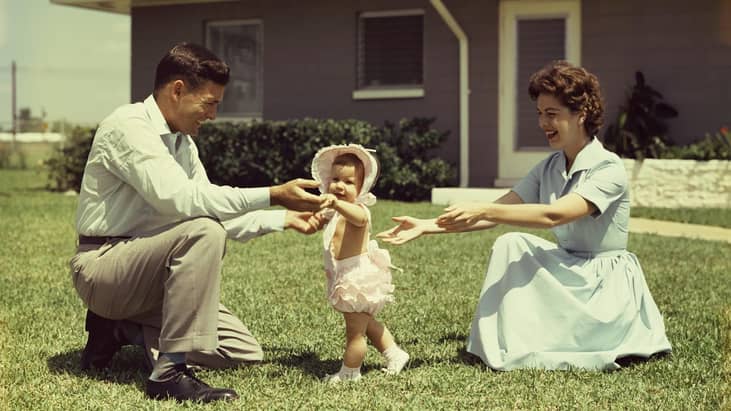
America’s caregiver crisis is also a mental health crisis

Across the country, relatives and friends are filling medication boxes, providing transportation to medical appointments and helping loved ones get through the day. AARP and the National Alliance for Caregiving’s 2025 report estimated that 63 million Americans provided care, which amounts to nearly one in four adults. That’s about 20 million more caregivers than in 2015. The number includes care for adults and children with complex medical conditions or disabilities.
Supporting these caregivers means paying attention to how they are doing, too. Alongside professional support available through services such as BetterHelp, an online therapy platform, caregivers need practical help that makes their responsibilities manageable.
The scale makes caregiving more than a private family matter. It is a healthcare, workforce, financial and mental-health issue. Understanding the pressure means looking beyond what caregivers do for others to what it takes to keep doing it.
Key takeaways
- The role takes an emotional and physical toll, resulting in worry, anticipatory grief and isolation. Nearly one in four caregivers struggles with their own health.
- Work and money add to the strain, since most caregivers also hold jobs and spend about $7,200 a year out of pocket on caregiving responsibilities.
- Better support for caregivers looks like practical help such as respite care, flexible workplaces and clear care plans, so caregivers are not left to manage alone.
Caregiving is becoming more complex
Caregiving often involves much more than checking in. The CDC describes a range of responsibilities including bathing, dressing, and transportation, alongside help managing chronic illness. AARP’s 2025 research also documents that caregiver often perform complex medical tasks, such as injections and managing medical equipment.
An ordinary Tuesday for a caregiver might include organizing medicines, arranging a ride, attending an appointment and calling another provider to clarify instructions. Coordinating services adds another layer of work to hands-on care.
AARP’s July 2026 analysis found that caregivers of adults 50 and older averaged 26 hours of care weekly and had been caregiving for five years. Those averages apply specifically to people caring for this older population.
As responsibilities grow, there may be less time for caregivers to recover between demands. Loving someone does not make the work simple.
Caregiving can affect the caregiver's own health
When someone else needs immediate help, a caregiver’s own appointment or rest can slip down on their priority list. The 2025 national report found nearly one in four caregivers struggled with their own health because of caregiving responsibilities.
The CDC notes that caregiving can be hard on caregivers’ health and often continues for years. Help during the first difficult weeks matters, but so does support after the initial crisis has passed.
A 2024 CDC analysis found more frequent mental distress among caregivers than noncaregivers in the survey periods studied. Caregivers also more often reported being unable to see a doctor because of cost. These findings came from self-reported surveys, not tracking the same people over time, so they cannot establish that caregiving caused the differences.
The financial and workplace pressures make the mental load worse
Paid work does not necessarily stop when caregiving begins. The 2025 national report found six in 10 caregivers worked, and half of employed caregivers reported disruptions such as arriving late or leaving early due to their caregiver responsibilities.
Some had to reduce hours at work or leave their jobs altogether. A missed shift or interrupted career can mean less income just as care expenses need to be covered.
AARP reports caregivers spend roughly $7,200 a year on average on out of pocket expeses related to caregiving. These extra expenses likely mean added financial strain on top of reduced work hours as a result of caregiving.
Meanwhile, AARP’s 2026 analysis valued care provided by family caregivers of adults in 2024 at an estimated $1.01 trillion — an estimate of the economic value of their work, not money they received. The contribution is enormous, even when the people providing it are struggling to pay their own bills.
What would better caregiver support look like?
Useful support starts with making daily life more manageable. Programs like the federal National Family Caregiver Support Program funds respite care and support groups, along with training and help accessing services. Respite offers temporary relief from care duties, making room for rest, appointments or time with others.
Workplaces and policymakers have a role, too. Federal recommendations include stronger paid family leave, while AARP advocates for financial help for caregivers. Flexible workplace schedules also deserve consideration. These approaches address pressures that encouragement alone cannot resolve.
Healthcare teams can help make responsibilities clearer as well. The CDC recommends keeping care information together, including medications, treatment needs and provider contacts. A plan should also prompt a practical question: who will carry out the necessary care, and what help will they need?
For community resources, the federal Eldercare Locator connects caregivers with local services. Social support and reliable help deserve a place alongside medical instructions.
For a family, social support might look like knowing who can cover an evening, where to ask about financial assistance and whom to call when care needs change. Support should ease the workload rather than become another task for an already stretched caregiver to organize.
Takeaway
Behind a care plan is someone trying to make it work while keeping their own life going. Recognizing caregivers as essential to the care system means taking their limits, health and emotional needs seriously.
Their ability to keep helping should not depend on how long they can manage alone. Addressing the mental health component of the caregiving crisis means building support around both the person who needs care and the person providing it.
This story was produced by BetterHelp and reviewed and distributed by Stacker.