7 tips to boost your budgeting skills and your savings account

Budgeting is a key element of financial success at almost any income level. When it comes to budgeting—and ultimately saving—how much you earn doesn’t matter as much as how you manage your money. The thing is, people are not born knowing how to build a workable budget or save enough money for financial security. Both are learned skills.
Achieve shares seven tips that can polish your budgeting skills and make it easier to meet your savings goals.
Key takeaways:
- Budgets are all about helping you flourish financially.
- Track your expenses. You need to know where your money goes if you want the opportunity to make different choices.
- Find a budgeting buddy. Having a partner can make it easier and more fun to work toward your goals.
- Automating your savings takes the decision out of your hands each month, so the transfer happens whether or not you remember to make it.
What is a budget?
A budget is a plan for how you’ll spend and save your income each month. It lays your income against your expenses side by side, so you can see where your money goes and make changes before you run short. Building a budget is a skill you develop over time, not a one-time task you finish and forget.
How to start budgeting and saving
These four steps give you a clear starting point for a budget that fits your income.
- Calculate your net income: Add up how much money lands in your bank account each month after taxes, not your total salary before deductions.
- Track your spending: Look back at three months of bank and credit card statements to see where your money goes.
- List your fixed and variable expenses: Fixed expenses, like rent and insurance, stay the same each month. Variable expenses, like groceries and dining out, change from month to month.
- Automate your savings: Set up an automatic transfer from your checking account to a savings account for the day you get paid, so the money moves before you spend it.
Here are seven tips for launching and growing your savings.
1. Make sure you’re on the right track
If someone asked you right now how much you spend each month, could you tell them? Most people could estimate, but their estimates might land far off the mark unless they carefully track spending. And that’s the first step—carefully tracking your expenses for a month.
Most people buy things that don’t seem like a big deal. They duck into a convenience store for a cold drink on a hot day or throw $10 into the office football pool. Neither of those examples is enough to catch the spender’s attention, but they add up.
By tracking every dollar you spend over a month, you could gain a clearer picture of where your money goes. Only when you know how much you spend, and on what, can you build a budget that fits your reality.
2. Be realistic
Your budget should be realistic, or it won’t work. As you list your fixed monthly expenses, such as housing, transportation, groceries, and utilities, don’t forget to add in enough to cover some extras, like stopping on your way to work for a soft drink or eating out with friends.
If your budget routinely falls short, it could be because you didn’t include how much you spend on everyday life, or you didn’t factor in variable income. Once you’ve tracked all of your expenses and included dependable income, you’ll find that a realistic budget is much easier to stick to.
Here is one more consideration about being realistic: Since your goal is to master budgeting and save money, be honest with yourself about how much you can save, and don't feel ashamed if it's not as much as you would like. So what if the most you can put away right now is $10 a week? You have something to celebrate if you’ve formed a new savings habit.
3. Be flexible
The budget you come up with today may not work six months from now. Rising prices and inflation are real. Adjust when necessary. Don’t be afraid to alter your budget to reflect changes. The more consistently you update your budget when you need to, the easier it'll be to stick with your current budget each month. And the closer you stick to your budget, the faster you could hit your savings goals.
4. Figure out which tools work best for you
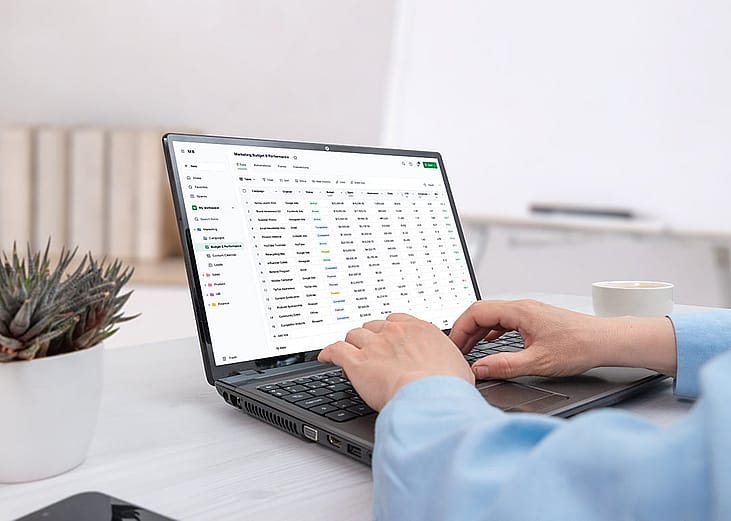
Some folks prefer writing their budget out using a spreadsheet, old-school. Something about the ritual of writing it all down helps them keep everything straight. Others use a specific budgeting strategy, like the 50/30/20 budgeting rule.
Still others find it useful to plug the facts and figures into a budgeting app that links to their bank account. Most budgeting apps offer a free trial period, giving you the opportunity to discover whether you like it before you commit.
5. Enlist a friend
Many of life’s challenges are easier to tackle with support. Buddy up with another human. If you have a friend or family member who's also trying to reach their financial goals through budgeting, make a vow to meet once or twice a month, and to call each other before making a large purchase. If you agree not to criticize or put each other down for the choices you make, it could be easier to talk through setbacks and life’s inevitable financial ups and downs. Sometimes just knowing that you’ll have to tell someone when you stray is enough to keep you on the right track. And sometimes it really helps to know that other people experience the exact same struggles as you do.
6. Set goals
Goals are a powerful motivator. If your goal is to have enough savings by the end of the year to make a down payment on a car, take time at the end of each month to remind yourself how much closer you are to meeting that goal. When you budget, you do something kind for yourself and your finances. The more you remind yourself of that, the less budgeting will feel like a chore.
7. Factor in found money
One way to quickly build an emergency savings fund and protect your monthly budget is to commit to putting any extra money that comes along into savings. If you receive a tax refund, earn bonuses at work, or use cash back apps to earn cash rewards for the everyday items you buy, plan to immediately add those funds to your growing savings account when you receive them. It's something you're sure to feel good about later.
The money you earn is yours, and how that money is spent is your decision. The best thing about a solid budget is the way it helps you make choices with your money that align with what you want.
Bonus: Try the 50/30/20 budgeting rule
The 50/30/20 rule is one popular way to divide your budget into three categories: needs, wants, and savings. About 50% of your income goes toward needs, like rent, utilities, and groceries. About 30% goes toward wants, like streaming subscriptions or dining out. The remaining 20% goes toward savings and any extra payments on your debt, beyond the minimum due each month.
Say your monthly take-home pay is $4,000. Under the 50/30/20 rule, you’d put about $2,000 toward needs, $1,200 toward wants, and $800 toward savings. This rule is a flexible starting point you can adjust to fit your own priorities and cost of living.
This story was produced by Achieve and reviewed and distributed by Stacker.