SasaStock // Shutterstock
1 / 10Hip dysplasia
A little anatomy lesson is needed to understand hip dysplasia. The hip is a ball-and-socket joint, and as dogs grow, they naturally grow at the same rate. For dogs with hip dysplasia, there’s an irregularity in the rate of growth, which causes the ball and socket to improperly fit.
If your furry friend begins to show decreased activity and range of motion; loss of thigh muscle; pain, limping, or stiffness; struggle with or reluctance getting up, jumping, or climbing stairs; and lameness in the hind limb—or there is a visible increase in the shoulder muscle as they compensate for the hind limb—the culprit might be hip dysplasia.
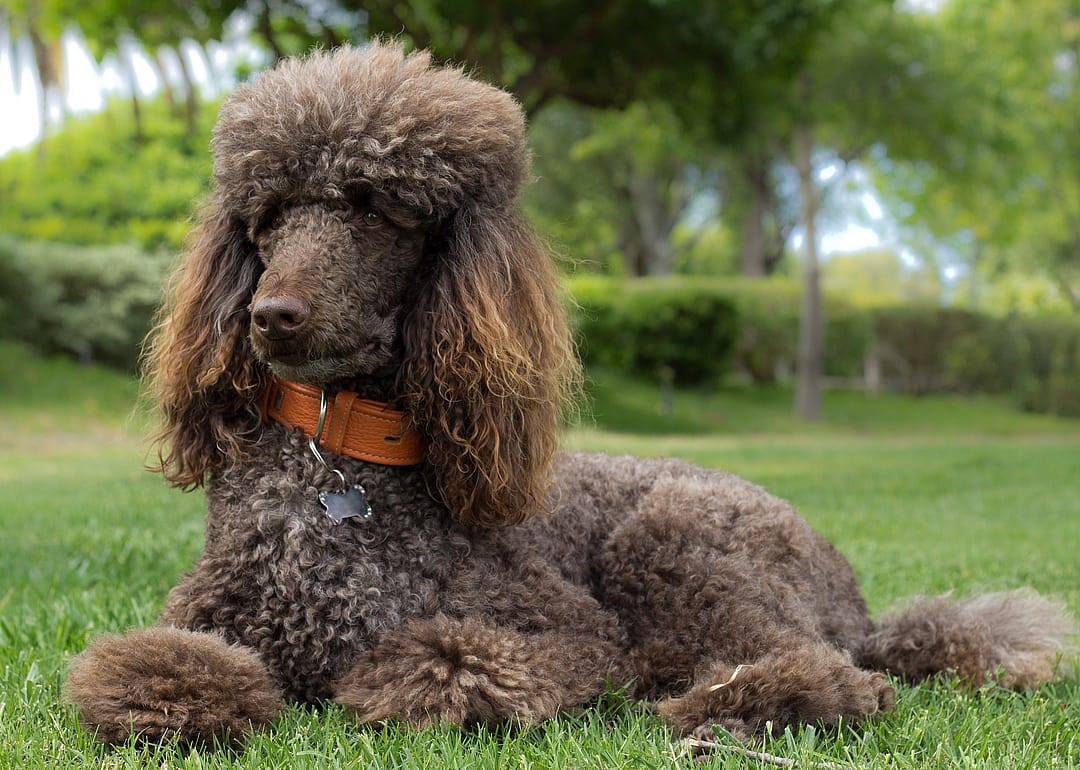
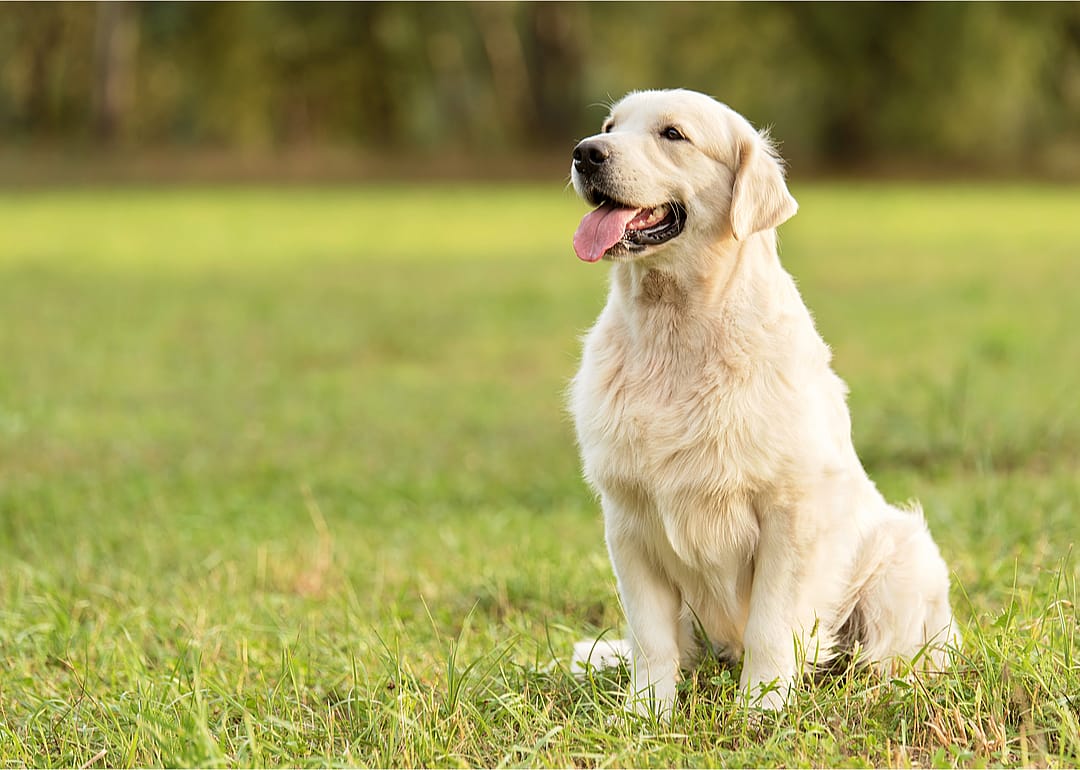
Any breed of dog can develop hip dysplasia, but it’s commonly found in Labrador retrievers, golden retrievers, German shepherds, poodles, beagles, Rottweilers, German shorthaired pointers, and Pembroke Welsh corgis.