Stacker
1 / 5The polls are tightening
The U.S. is at an inflection point, having emerged from a difficult economic period after weathering a pandemic and coping with the highest levels of inflation in years. In addition to helping the nation recover from economic turbulence, the next president will inherit multiple wars and possibly pick a new Supreme Court justice. Whether founded or not, dire headlines about the end of democracy make the stakes of this election impossibly high—intensifying the desire for clarity among the electorate.
Amid this heightened tension, the election itself has taken an unusual course. Neither party held competitive primaries, and the candidates from both major parties were well known.
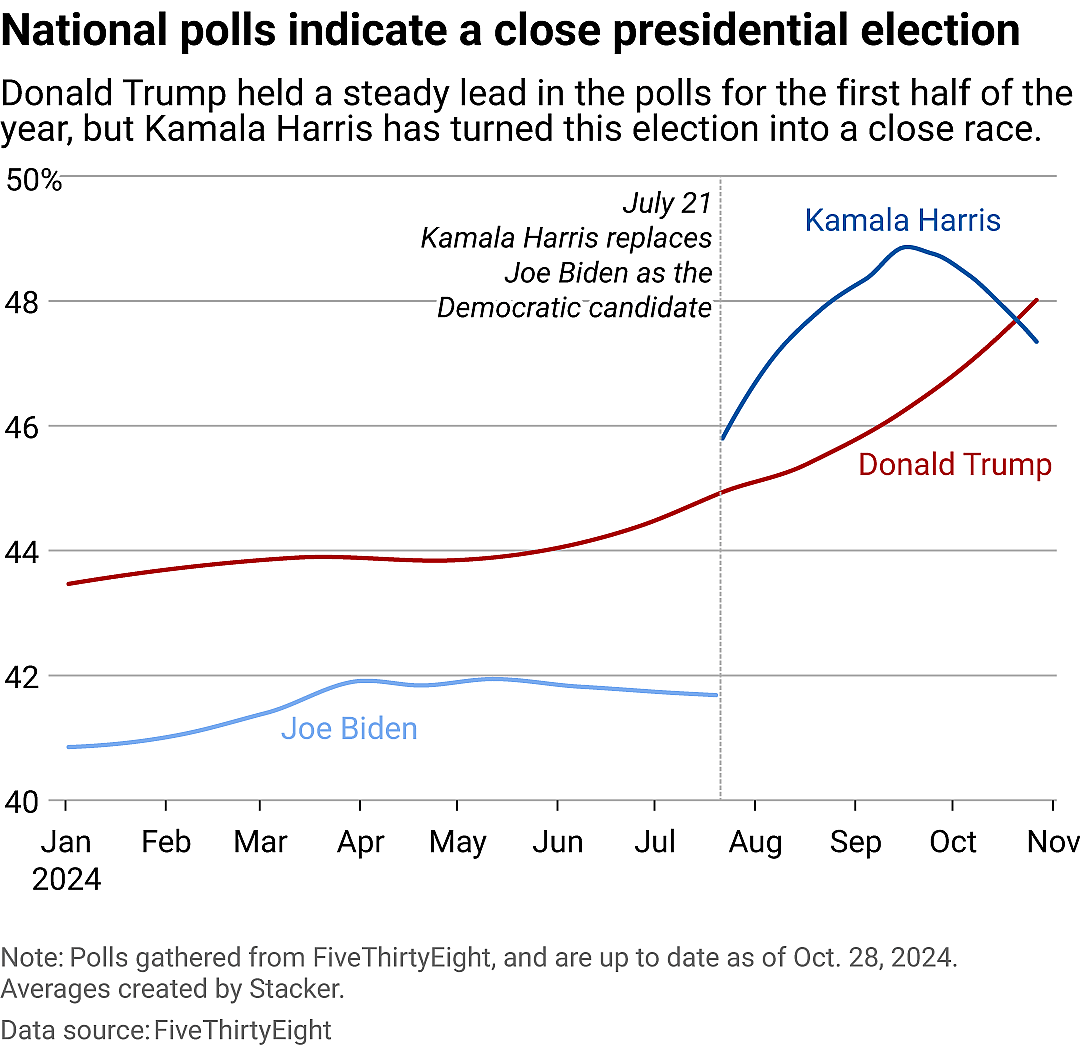
For the entirety of this year, Donald Trump led Joe Biden in the polls. The two candidates on June 27 held their only debate of the year. Biden performed poorly throughout the debate, leading many prominent Democrats to call for him to withdraw his candidacy over age-related concerns. Weeks later, Trump narrowly survived an assassination attempt at a rally in Pennsylvania.
These unusual events might have caused a shift in the polls—but they didn't.
The polls only budged on July 21 when Biden announced he would not seek reelection. The move paved the way for sitting Vice President Kamala Harris to become the nominee. This candidate switch revitalized Democrats: Harris performed far better in the polls than Biden did.
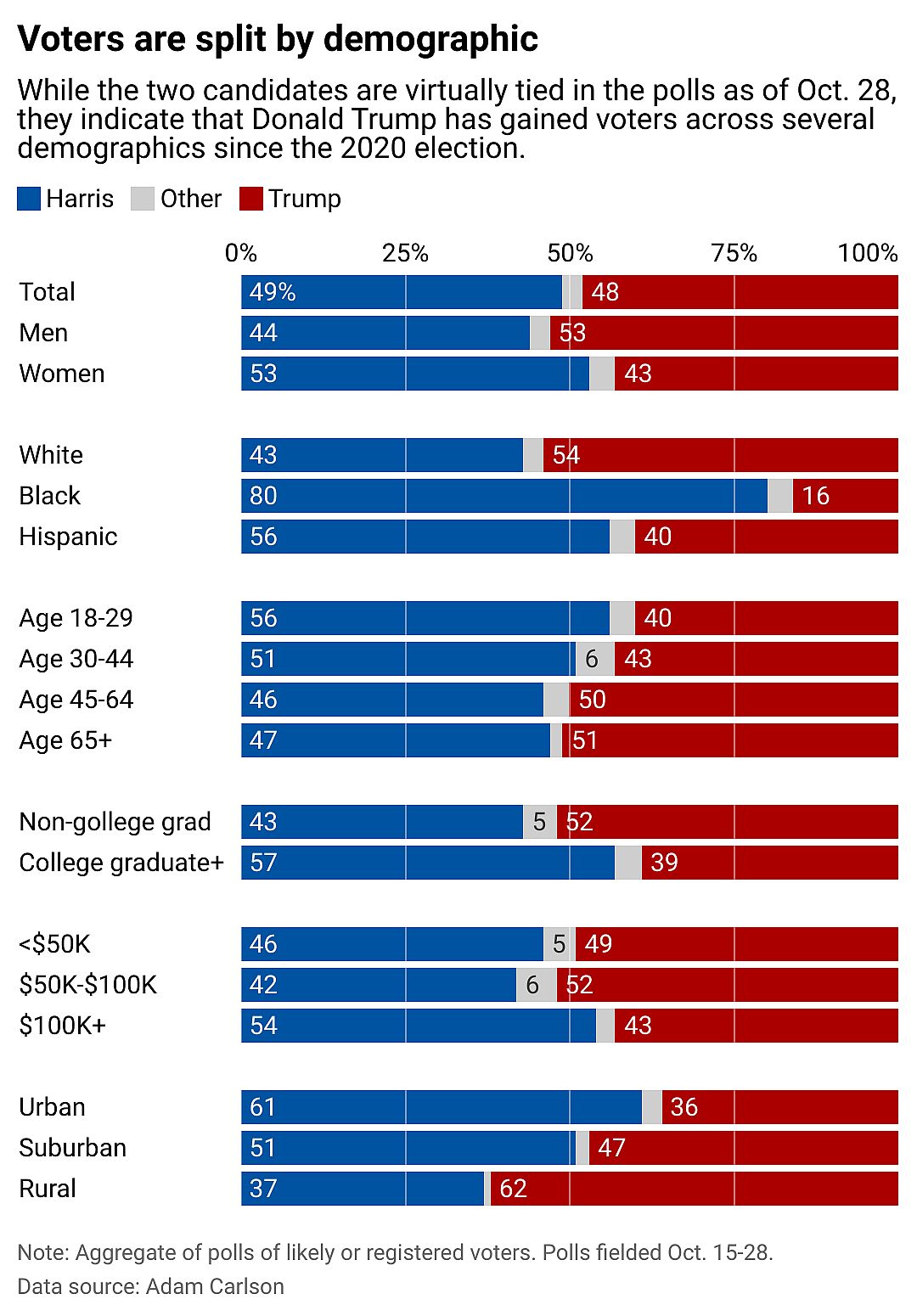
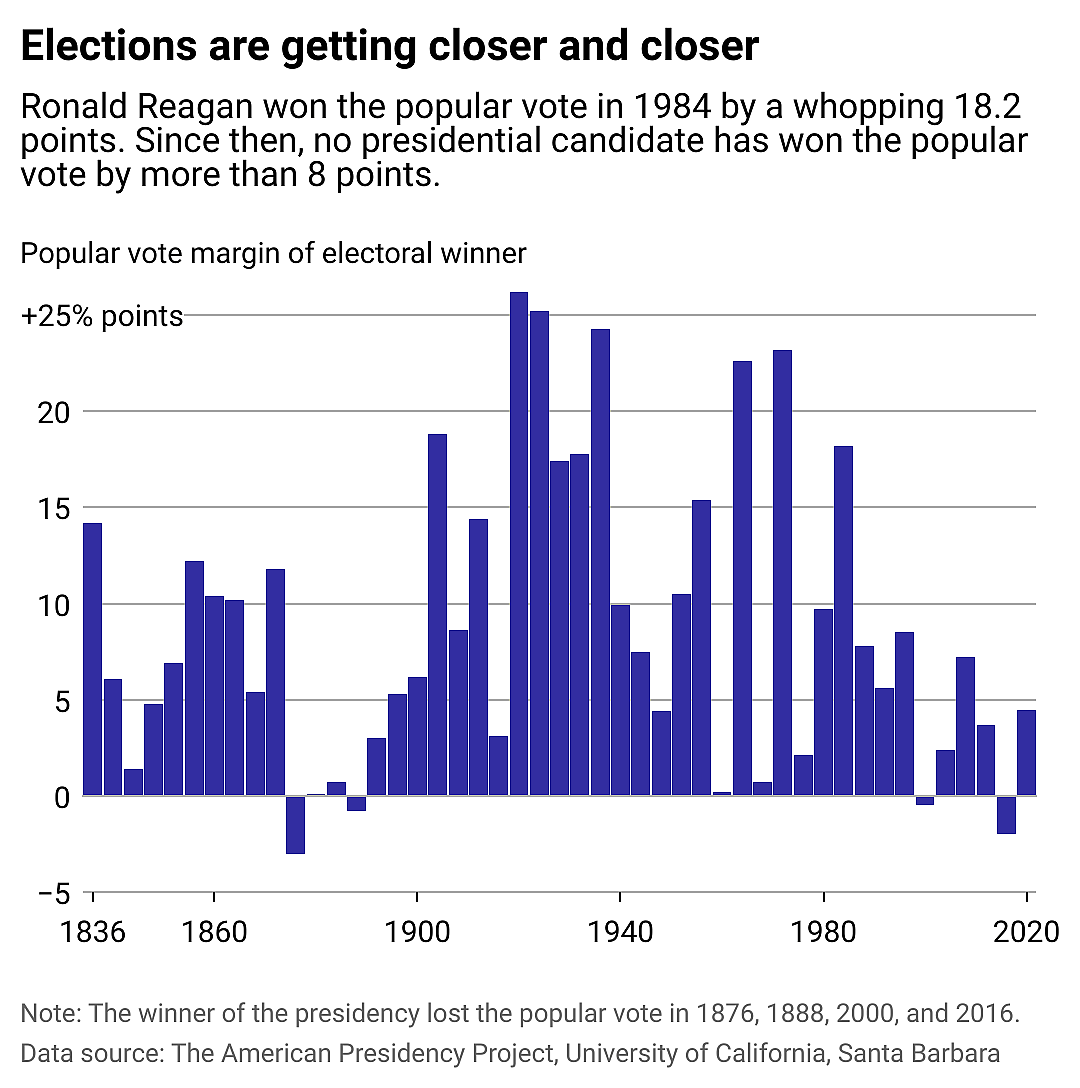
As of Oct. 28, national polls show Harris and Trump in a dead heat to win the popular vote. This is not comforting to either political party. Headlines declaring the candidates are in a "deadlocked race" and in "the closest race in 60 years" do little to quell voters' anxiety.
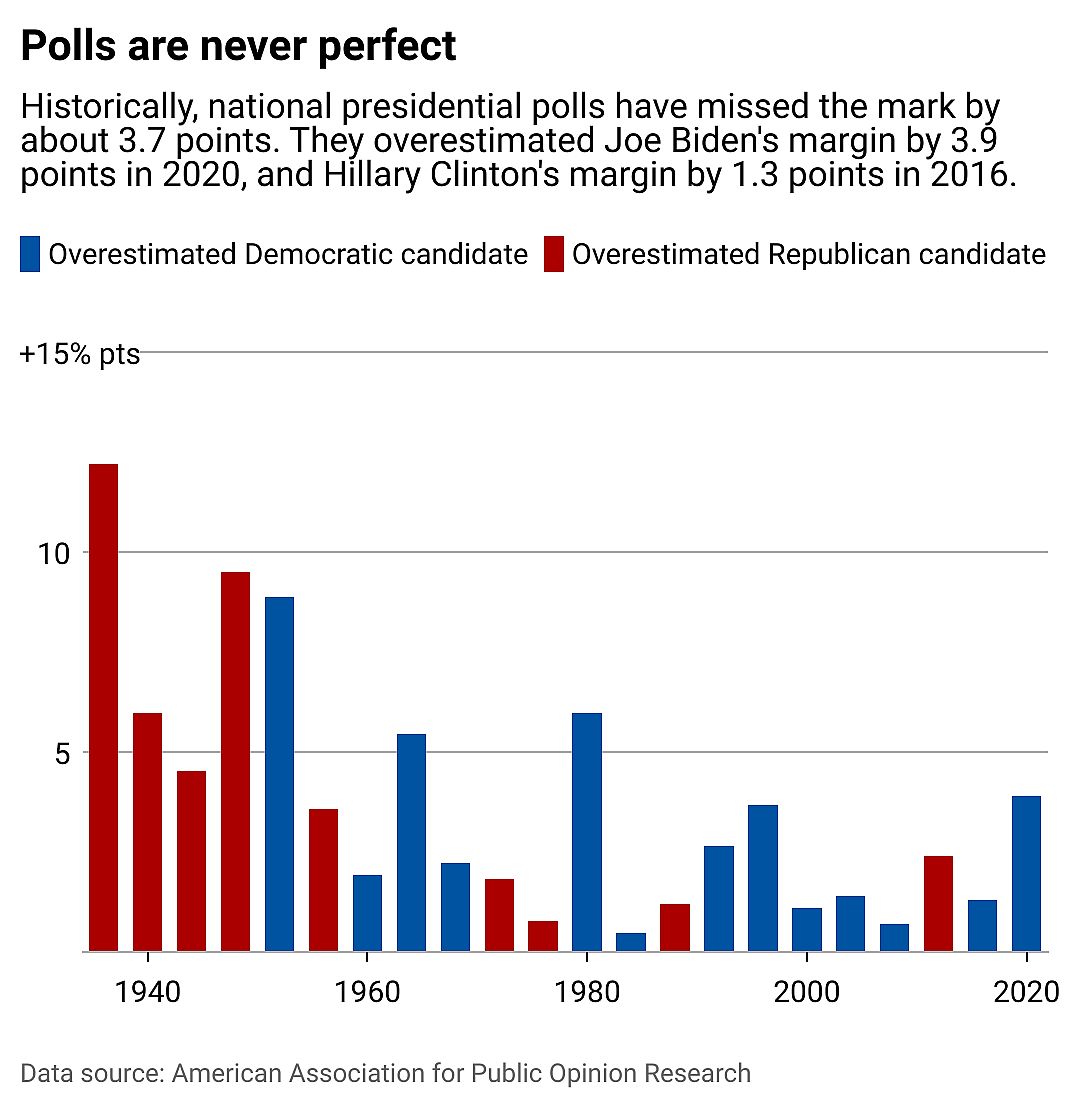
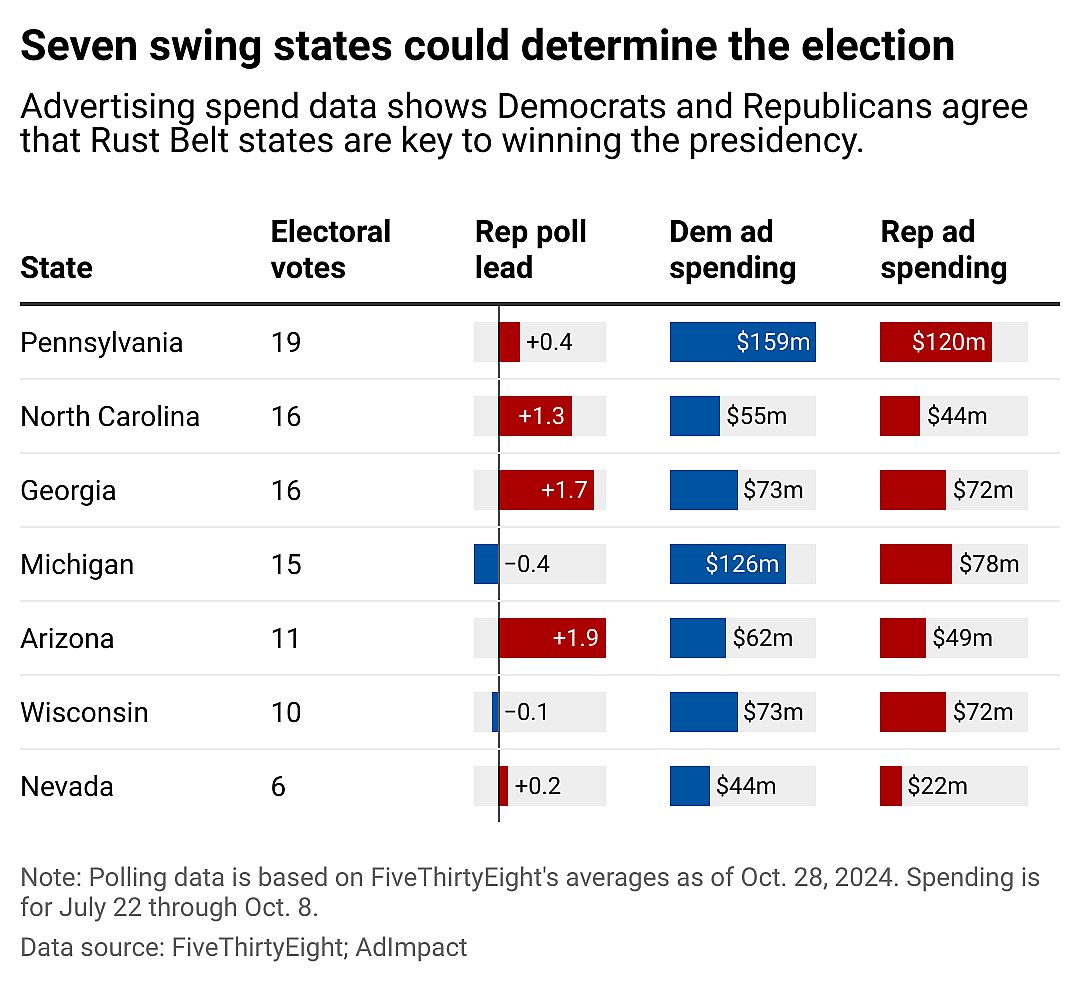
The electoral college ultimately decides the presidency, making forecasting the race especially challenging. National polling can show one candidate winning, but whoever wins enough swing ultimately becomes president. The race could even be decided by a handful of small communities in swing states, making this nail-biter of an election even more tense. In layman's terms, no one knows what will happen.
In the last two elections, the Republicans held roughly a 3-point "electoral advantage," meaning they could lose the popular vote by 3 points and still win the presidency. A New York Times analysis published Sept. 25 suggests, based on current polling, the Republican electoral advantage could be down to just 0.7 points this year. This means any poll that shows a tie on the national level implies an electoral loss for the Democrats.