Jackie Mader/The Hechinger Report
1 / 8Educating unlicensed caregivers
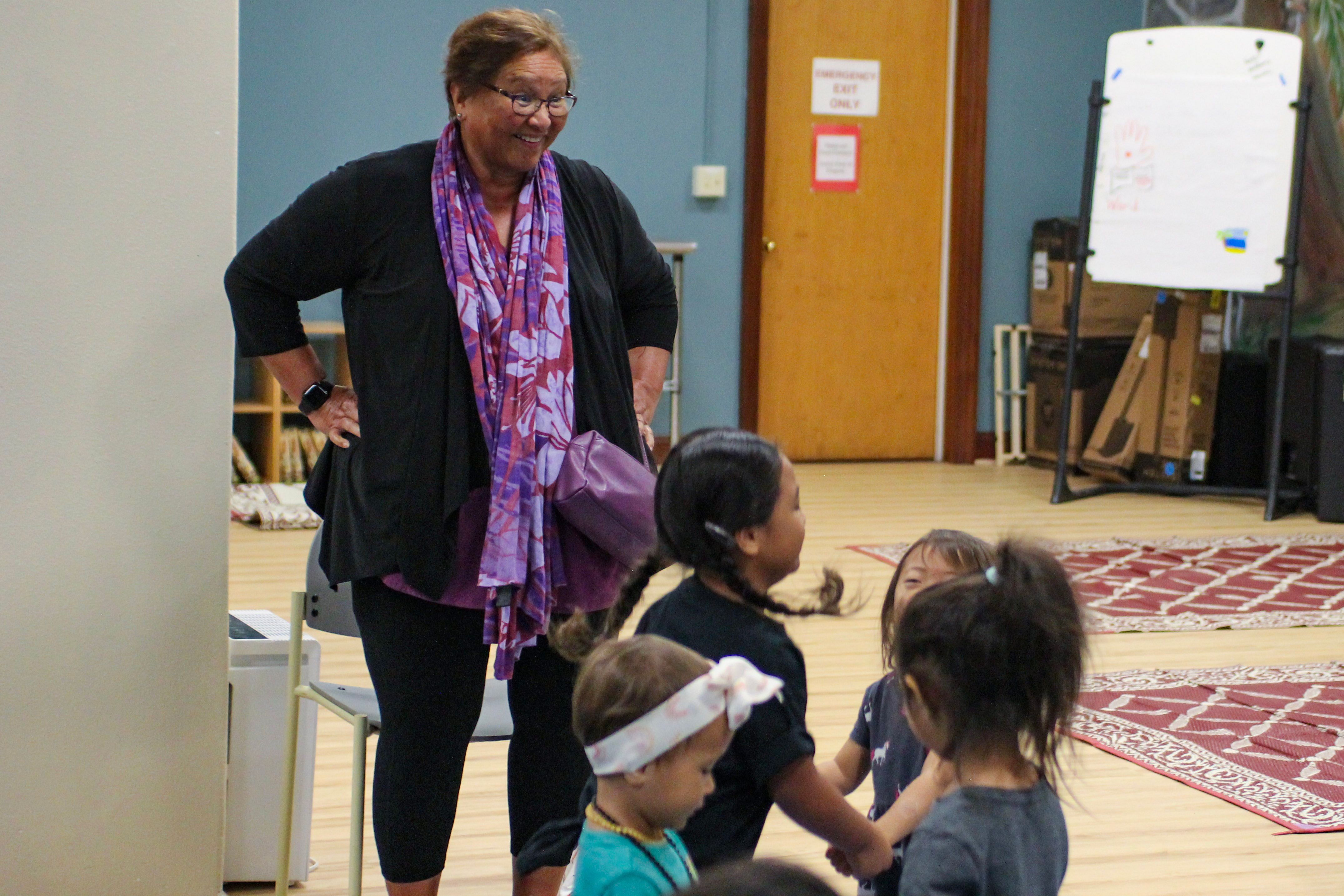
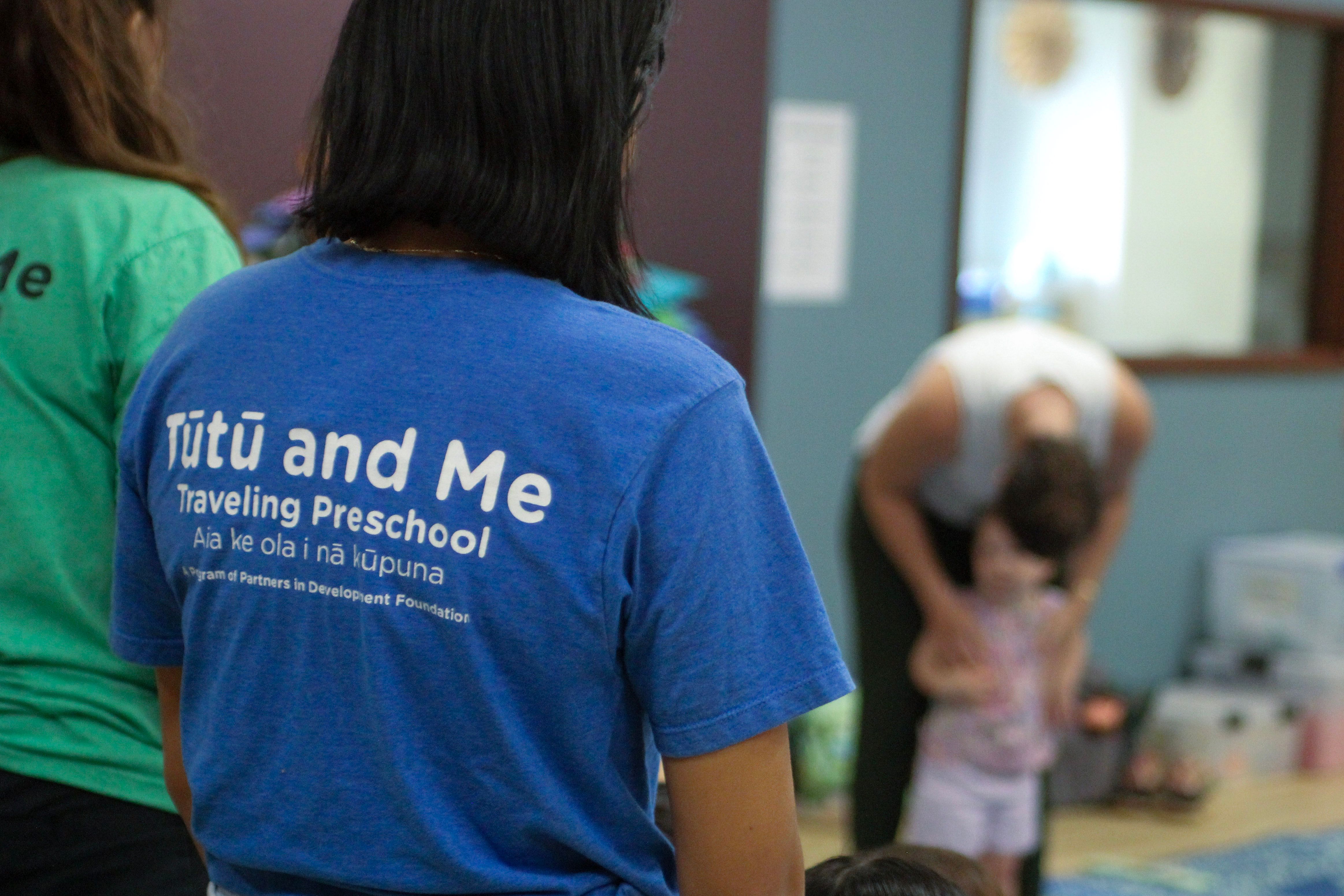
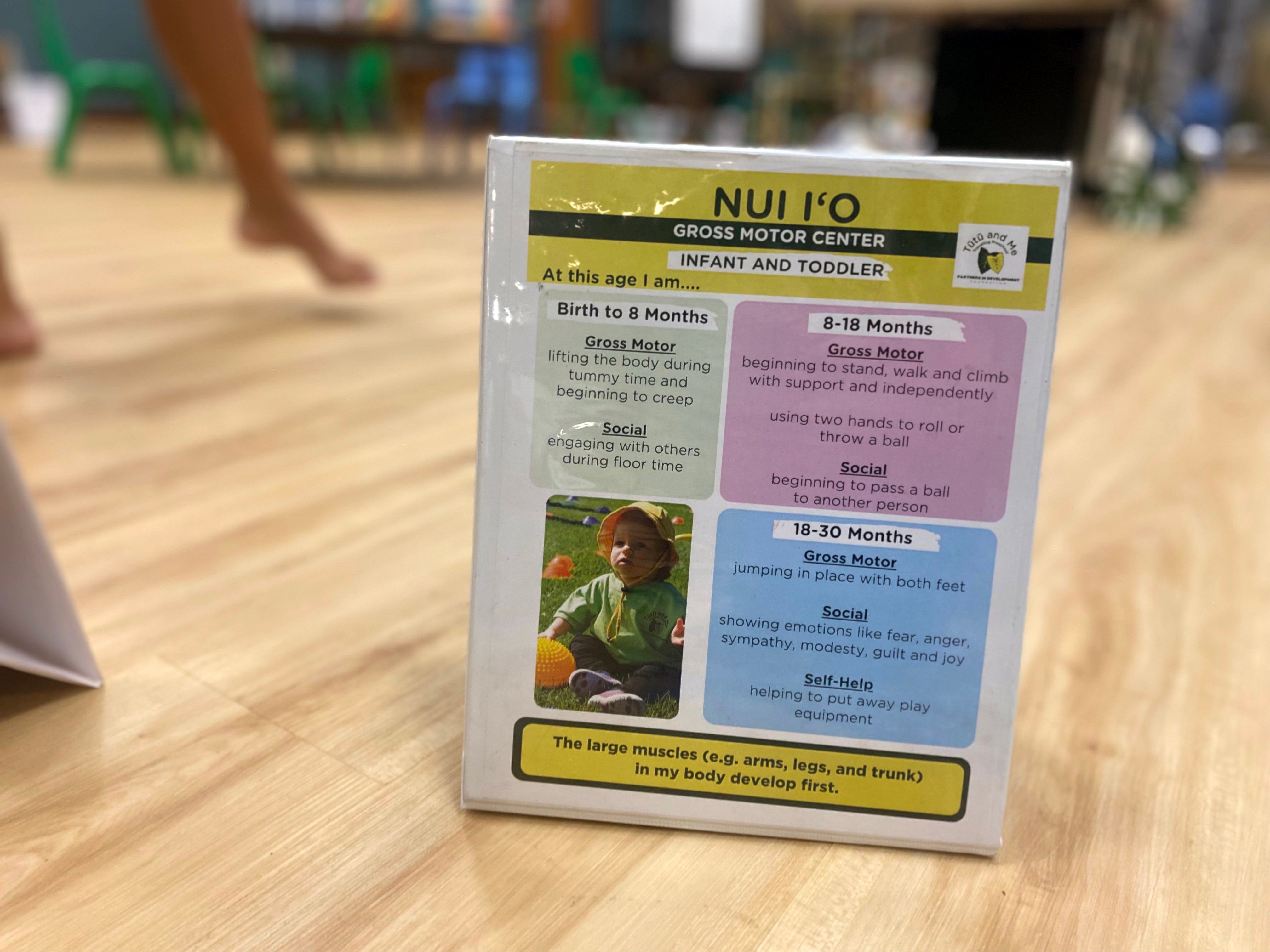
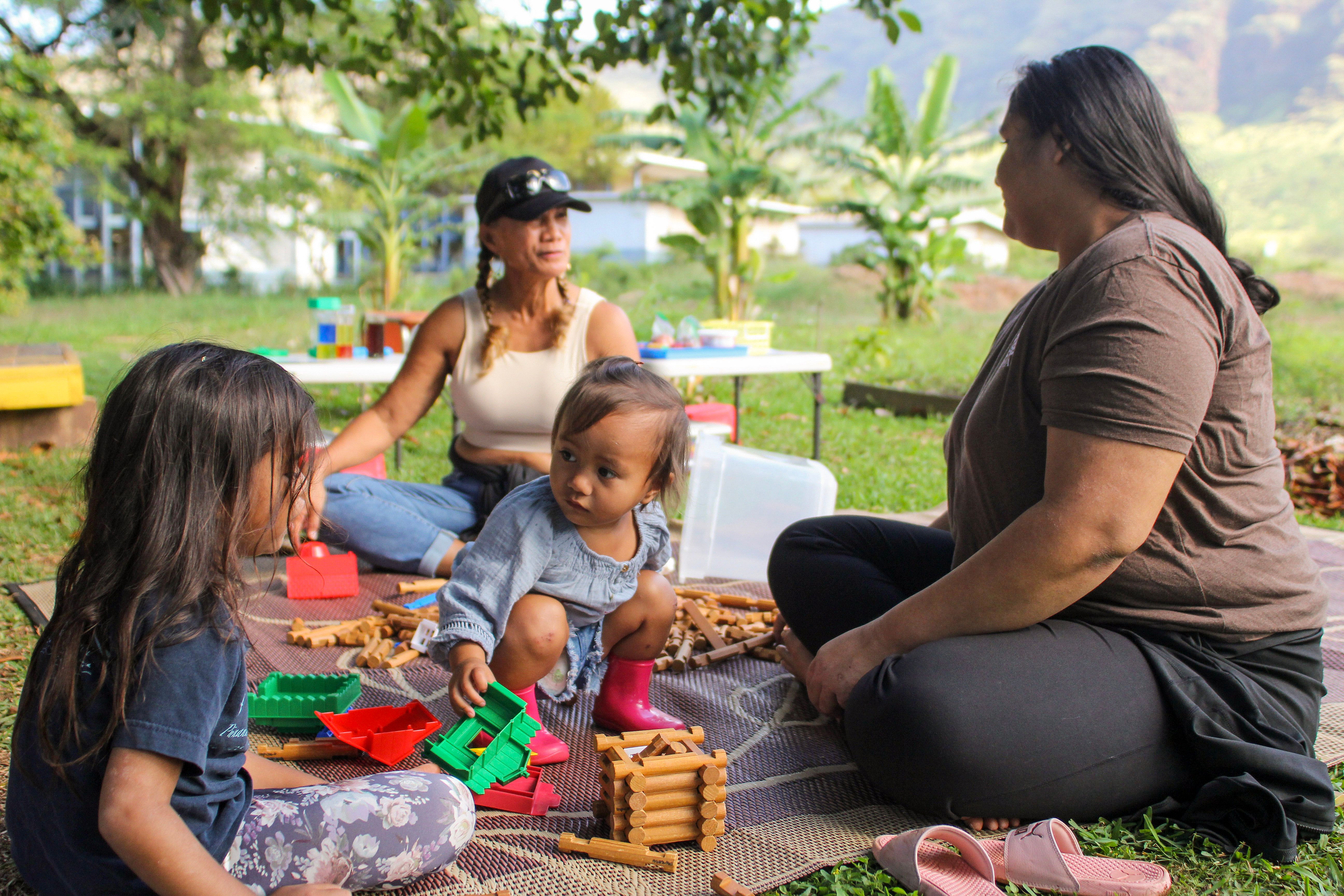
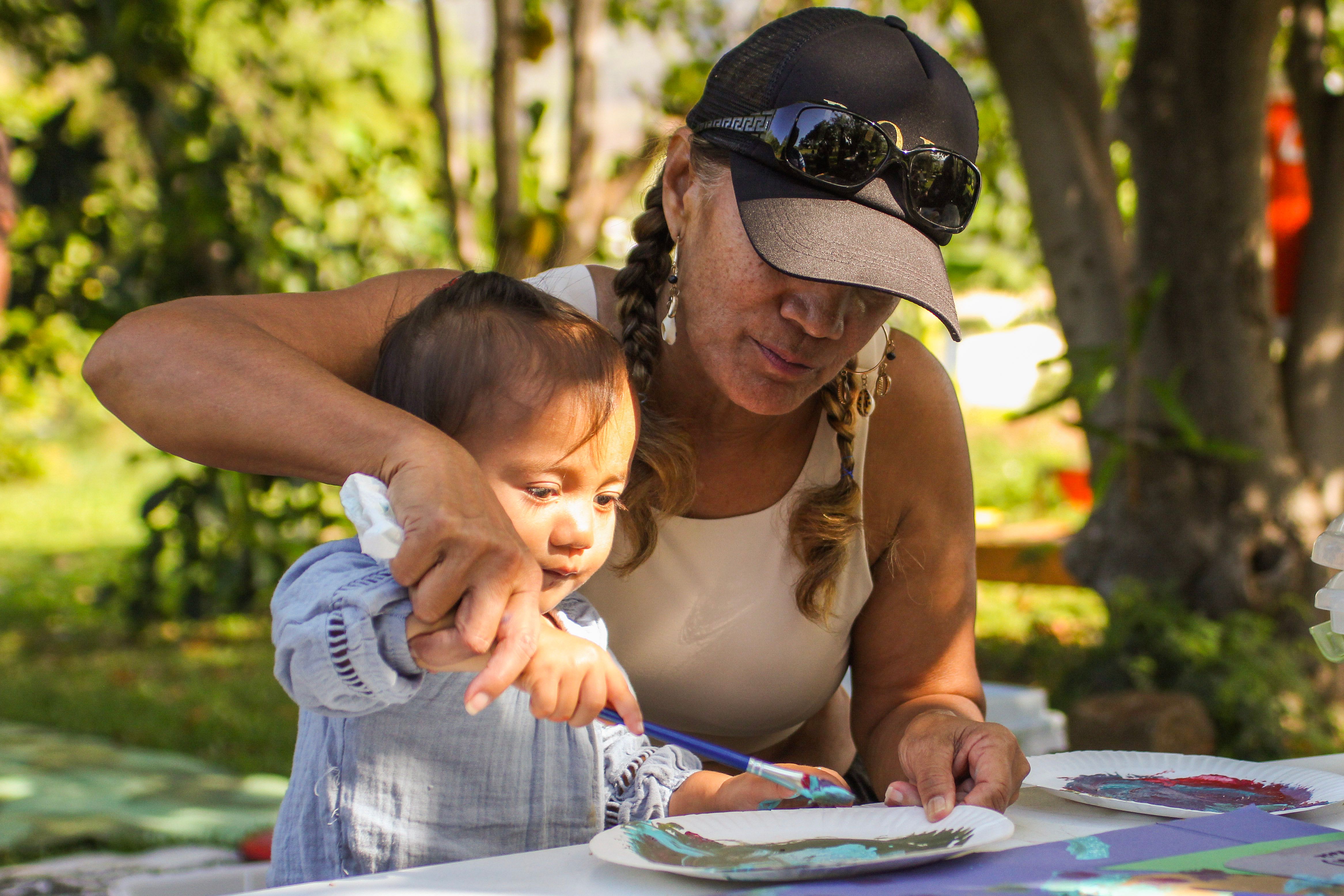
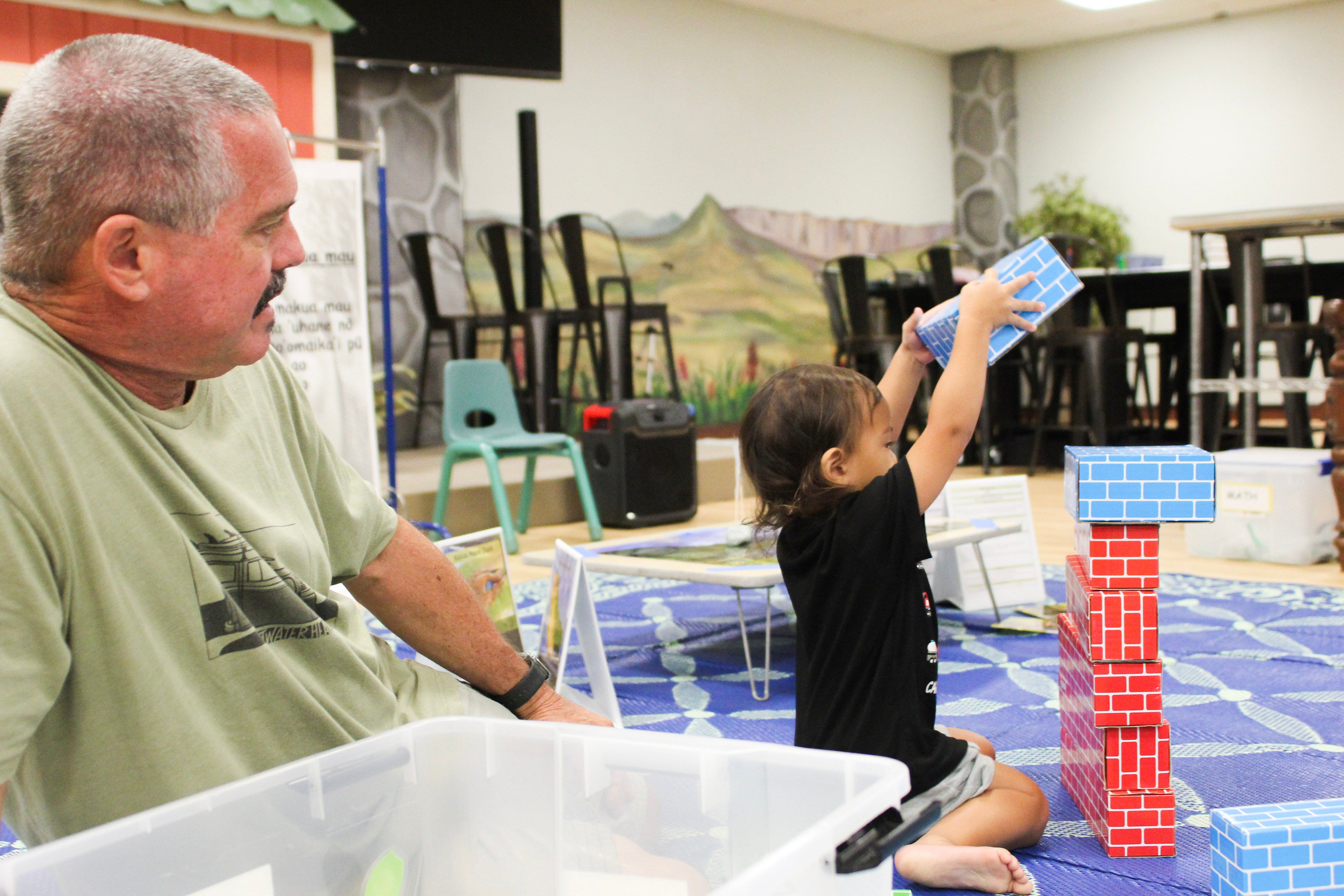
Tūtū and Me is one of several family-child interaction learning programs in Hawaii that offers support to the state's large number of non-parental caregivers who provide child care each day. At least 43 percent of young children in Hawaii were watched by friends or relatives in 2019. The state has the highest percentage of families — 72 percent — that use federal funds to pay for unlicensed care, such as that provided by grandparents and friends.
The Hechinger Report finds that these caregivers — mostly women and largely invisible within the broader child care ecosystem — are often isolated in their homes and can't always access the funding and training critical to offering the best care possible during a pivotal time of children's brain development.
"What they learn in our program, what we're trying to teach them, is that they are that child's most important educator," said Shawn Kanaʻiaupuni, president and CEO of the Hawaii-based Partners in Development Foundation, which runs Tūtū and Me. "Nobody is born knowing how to be a parent or caregiver, we all have to learn it."
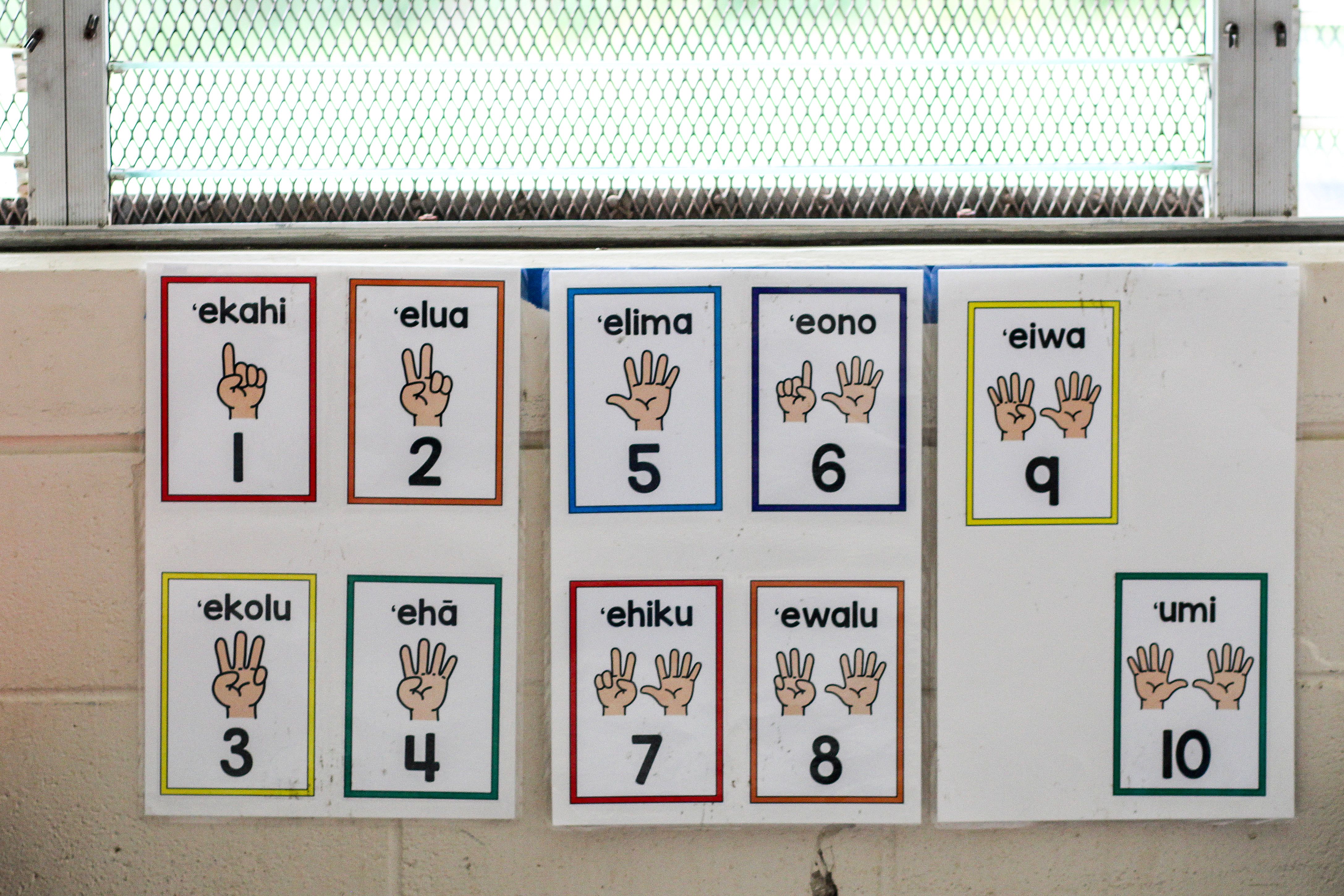
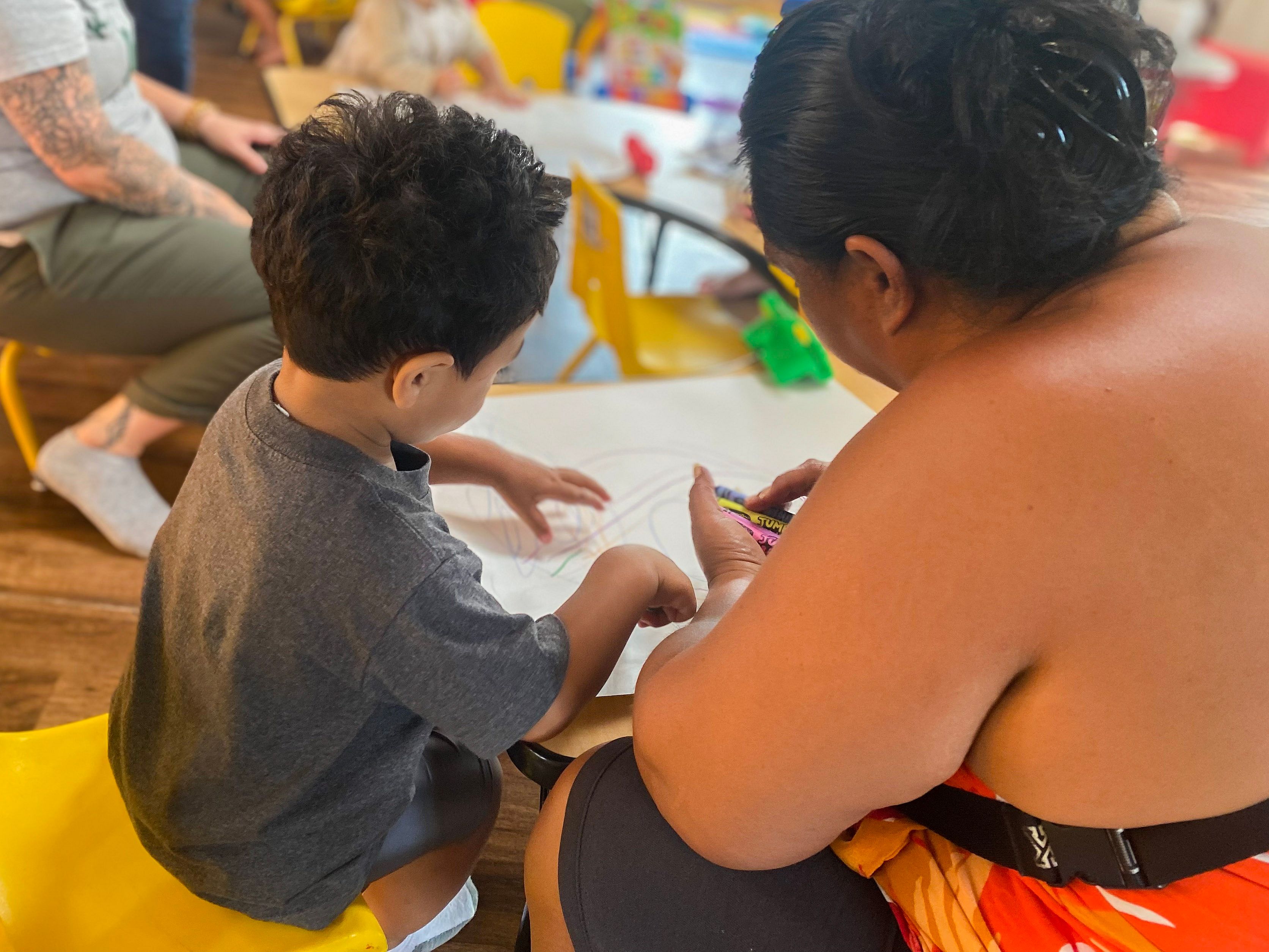
Ferreira, who brought another grandchild to a different Tūtū and Me location more than 15 years ago, has seen immense benefits for Talia. The preschooler is now more prepared for kindergarten, Ferreira said, and has learned aspects of Native Hawaiian culture that are meaningful to their family. Through the program, Ferreira has learned how to teach Talia how to form letters. "She won't do that here," Ferreira whispered, as Talia eyed some handwriting practice sheets before opening a drawing journal and coloring in a picture with a thick pink crayon. "But I'm doing it at home, just to reinforce it," she added.