Canva
1 / 4Privacy in America
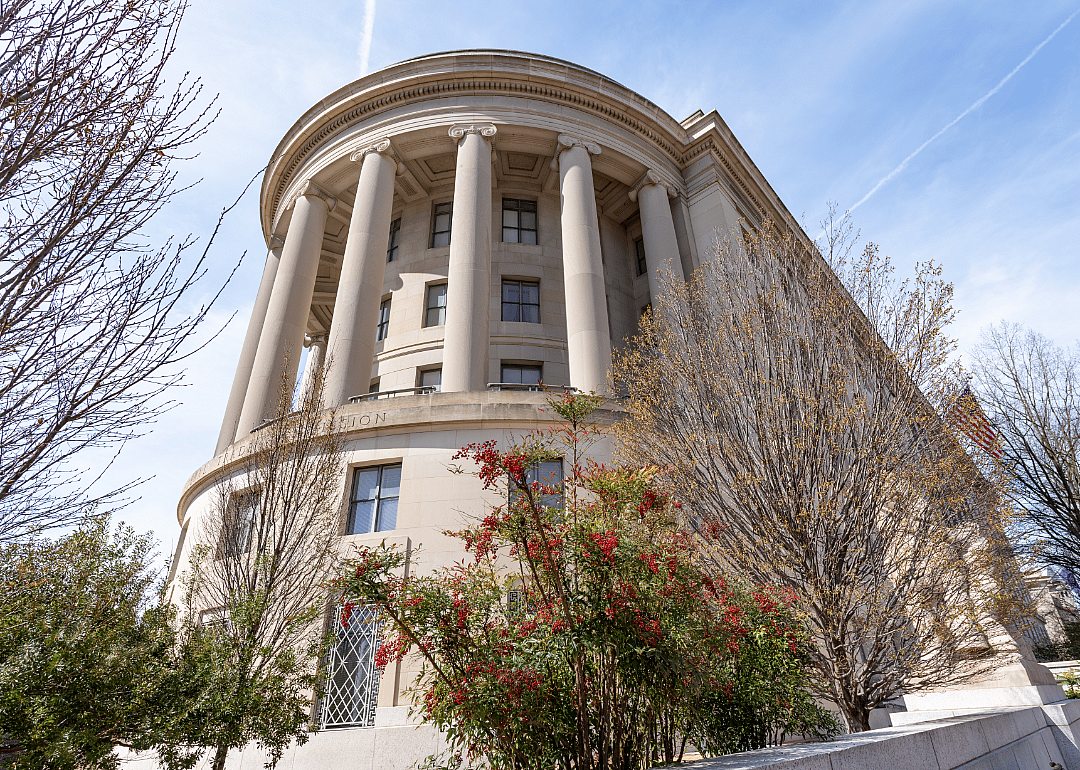
The U.S. currently has a sectoral approach to privacy. Some areas of life, such as health and credit, are heavily regulated. The Fair Credit Reporting Act largely determines how businesses dealing with credit information can handle that data. The act, which states that consumer information "cannot be provided to anyone who does not have a purpose specified in the Act," is enforced by the Federal Trade Commission. However, the Consumer Financial Protection Bureau has rule-making authority. The Health Insurance Portability and Accountability Act limits how health information can be shared. Its Privacy Rule affects "covered entities," such as health care providers, health insurance companies and clearinghouses, and business associates (e.g., companies involved in billing, claims processing, and data analysis).
"I think a lot of people would agree these are pretty sensitive categories of information," Hayley Tsukayama, a senior legislative activist at nonprofit digital rights group Electric Frontier Foundation, told Stacker. "But the laws also have their limits." The limits are that these regulations only affect certain sectors, and it may not always be clear to the average person where that limit lies. "If my doctor and I are talking, that information is protected," Tsukayama said. "[However,] if I've given [similar] information to Google through Fitbit, that information is not protected anymore."
Such conditional protections are relative to industries that, by and large, have traditionally handled a significant amount of personal information. What's missing from the U.S. legislative privacy landscape is broad protection. "Privacy is not a right in the U.S.," Tsukayama said. "It's implicit in the Fourth Amendment, and certainly I would argue that it is a right, but it's not enumerated in the U.S. in the same way as, for example, the right to freedom of expression or the right to trial by jury."
Greg Szewczyk, practice co-leader of the Privacy and Data Security Group at the law firm of Ballard Spahr, puts it a little more bluntly: "Until a few years ago, [privacy] was kind of the Wild West outside of specifically regulated industries."