Antoine Serra/Sygma/Sygma // Getty Images
1 / 3Email in the wild: Beyond government and academia
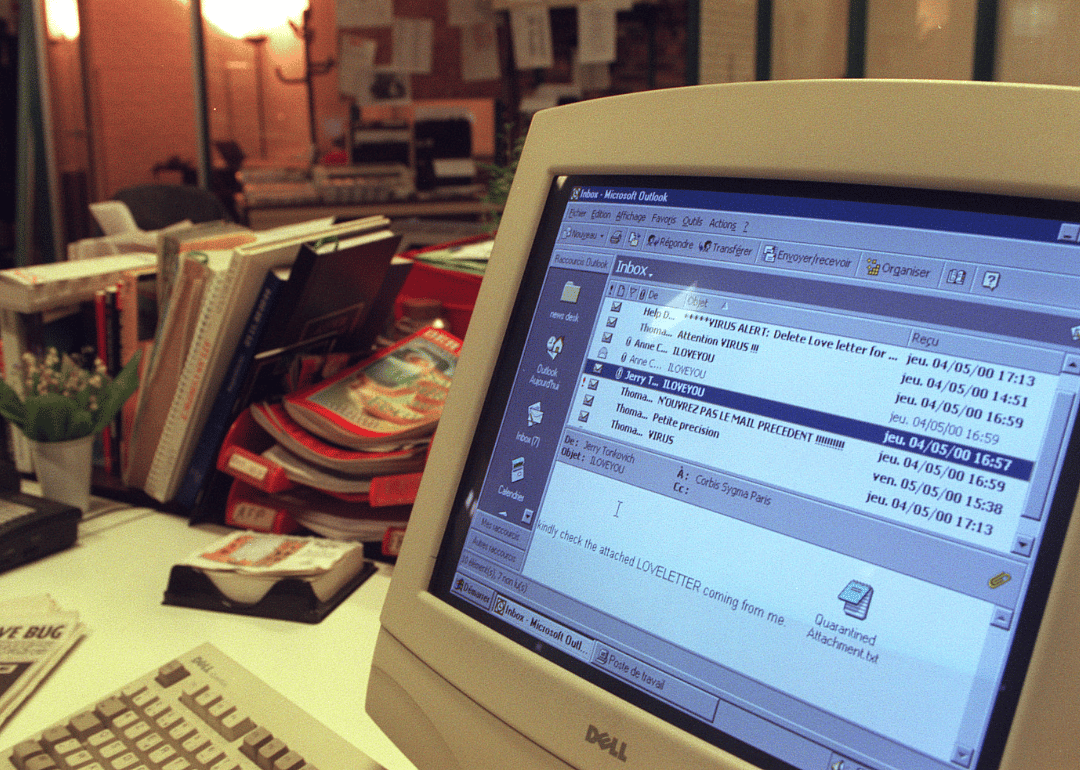
In the 1990s, email use grew beyond universities and government agencies and into the public as the internet became widely available, and an increasing number of email clients (like Hotmail, Yahoo, and AOL mentioned above) emerged. By 1997, there were already 10 million users worldwide that had a free email account. Internet service providers gave households access to the World Wide Web through dial-up connections, requiring phone lines to work. Who of a certain age could ever forget the high-pitched, off-putting, chaotic melody that signaled the start of a successful connection?
The internet became addicting, with family members regularly checking their emails, shopping, or talking in chat rooms, which could lead to household disputes over online usage and connection speeds. With these new types of personal online interactions, users became a lot more creative with how they identified themselves online, crafting pseudonyms and screen names instead of using their legal names as you would for a business email address.
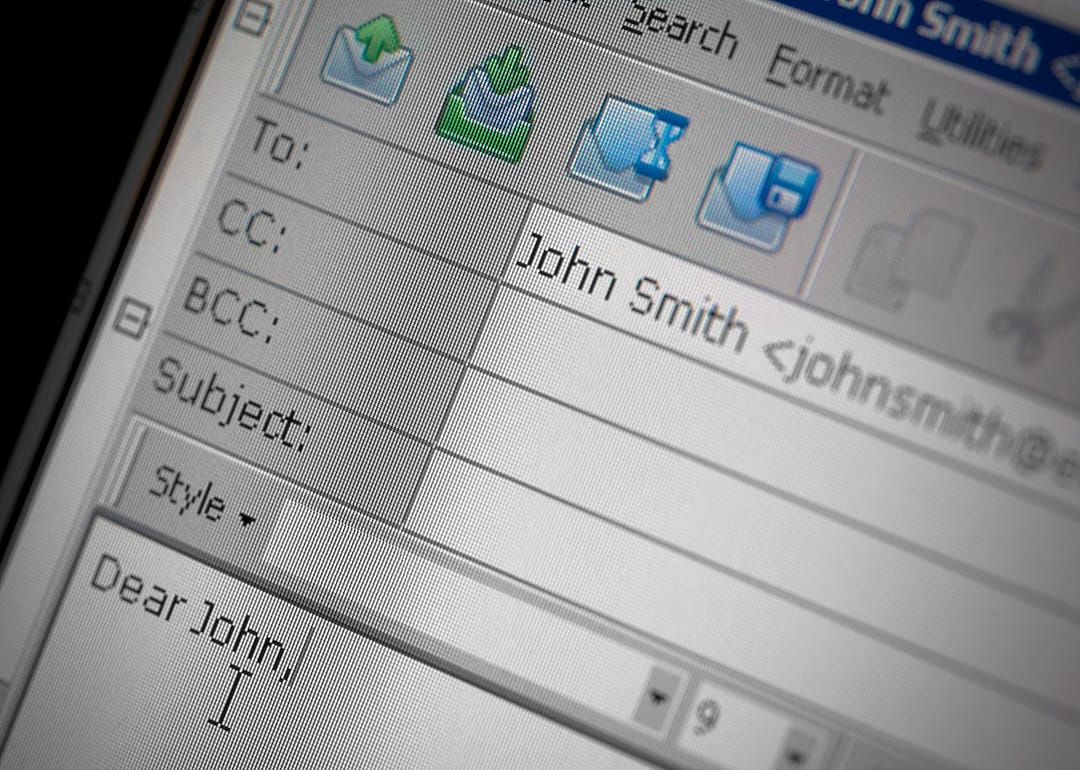
As internet use became widespread, email caught on as a tool for communication, not just for personal use but also for business purposes. Email quickly became a cost-effective method for business functions like scheduling and validating shipments and transactions. Checking inboxes and composing and sending emails became a major component of the workday, and businesses soon developed practices for professional communication—from how to structure messages to when to divide time between work and personal messages.