Max Guther // The Marshall Project
1 / 8Ricardo Ferrell, 64
JOB: Prisoner observation aide, helping to monitor incarcerated men under suicide watch. Also a reading and writing tutor.
LOCATION: Gus Harrison Correctional Facility, Adrian, Michigan
MONTHLY INCOME: $250-$350
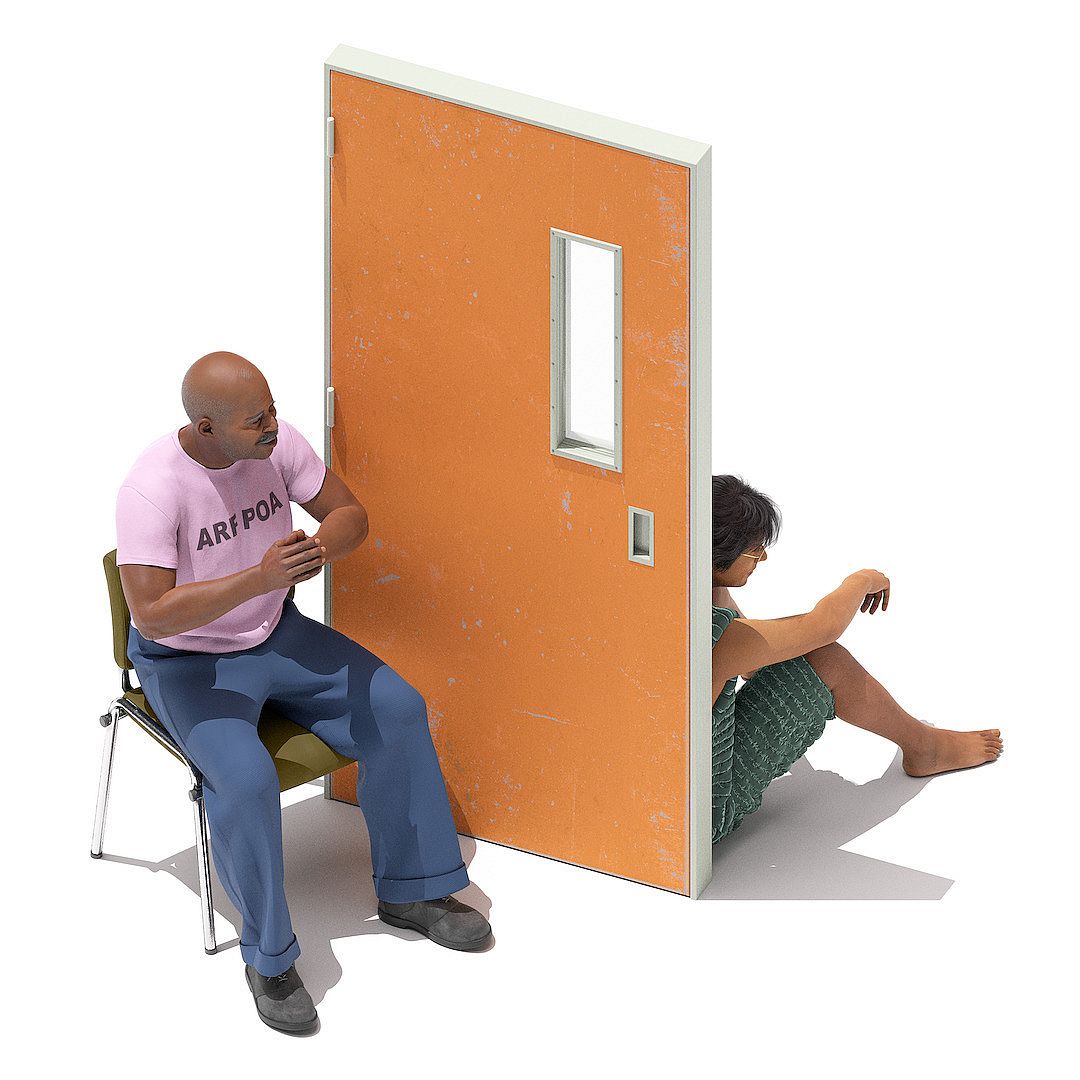
I was carefully selected to be a POA, which means prisoner observation aide, after applying for it. There was rigorous screening and training. Prior to the prisoners doing this job, correctional officers had to do it. We're getting paid $3.34 per four-hour session. So we're saving them money. Also, a prisoner on suicide watch would be more apt to speak with a fellow prisoner than a CO or a mental health professional. As soon as we're at the door, they're revealing what's going on.
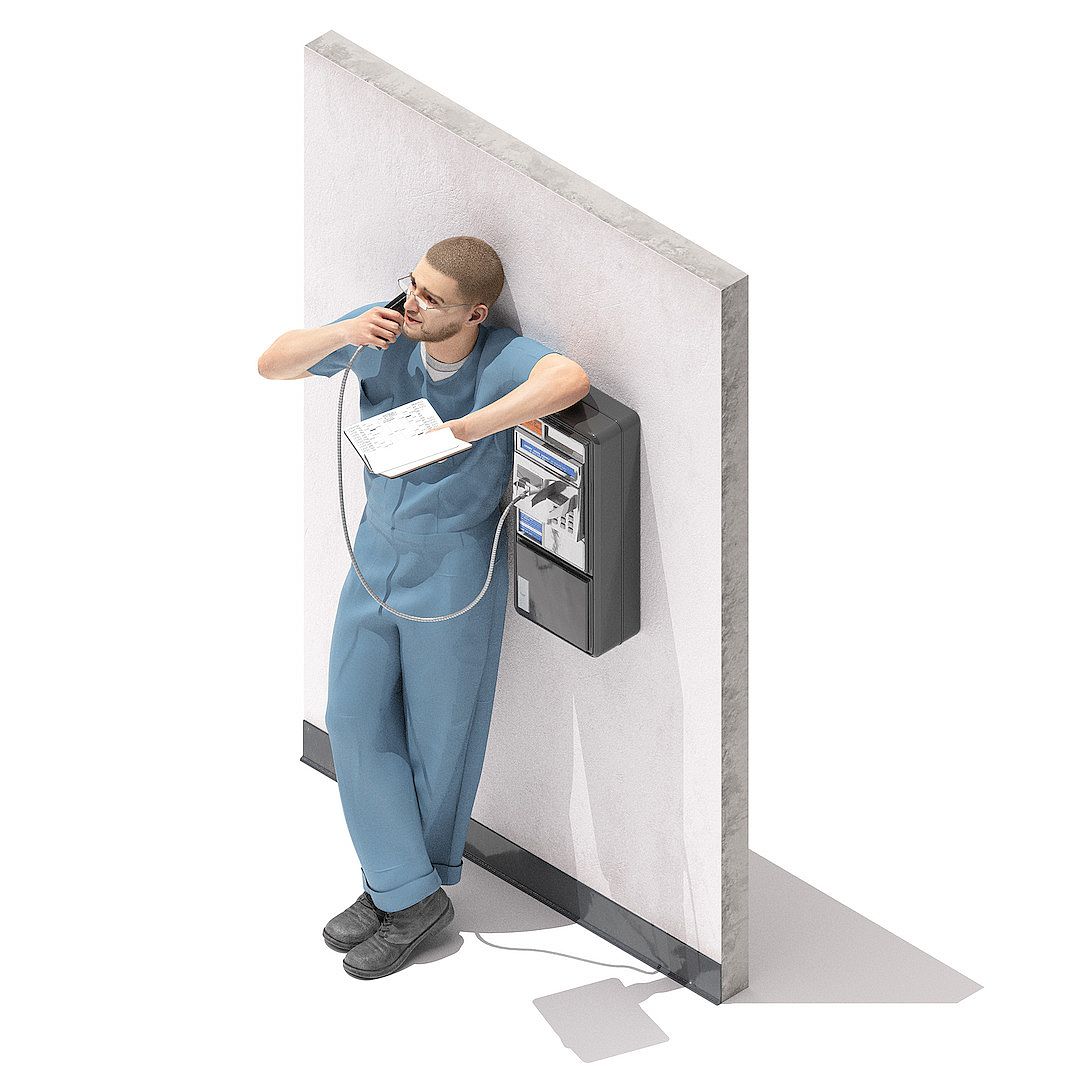
If I work two sessions, that's $6.68 per day. Almost nothing else in the Department of Corrections pays like this. Plus, during Covid, they gave us hazard pay — $2 extra per day. Last July, I made $334. The two primary things I spend on are: my phone credit account and commissary store purchases. The food at the chow hall is terrible and of poor quality — it's not fit for a dog, seriously.
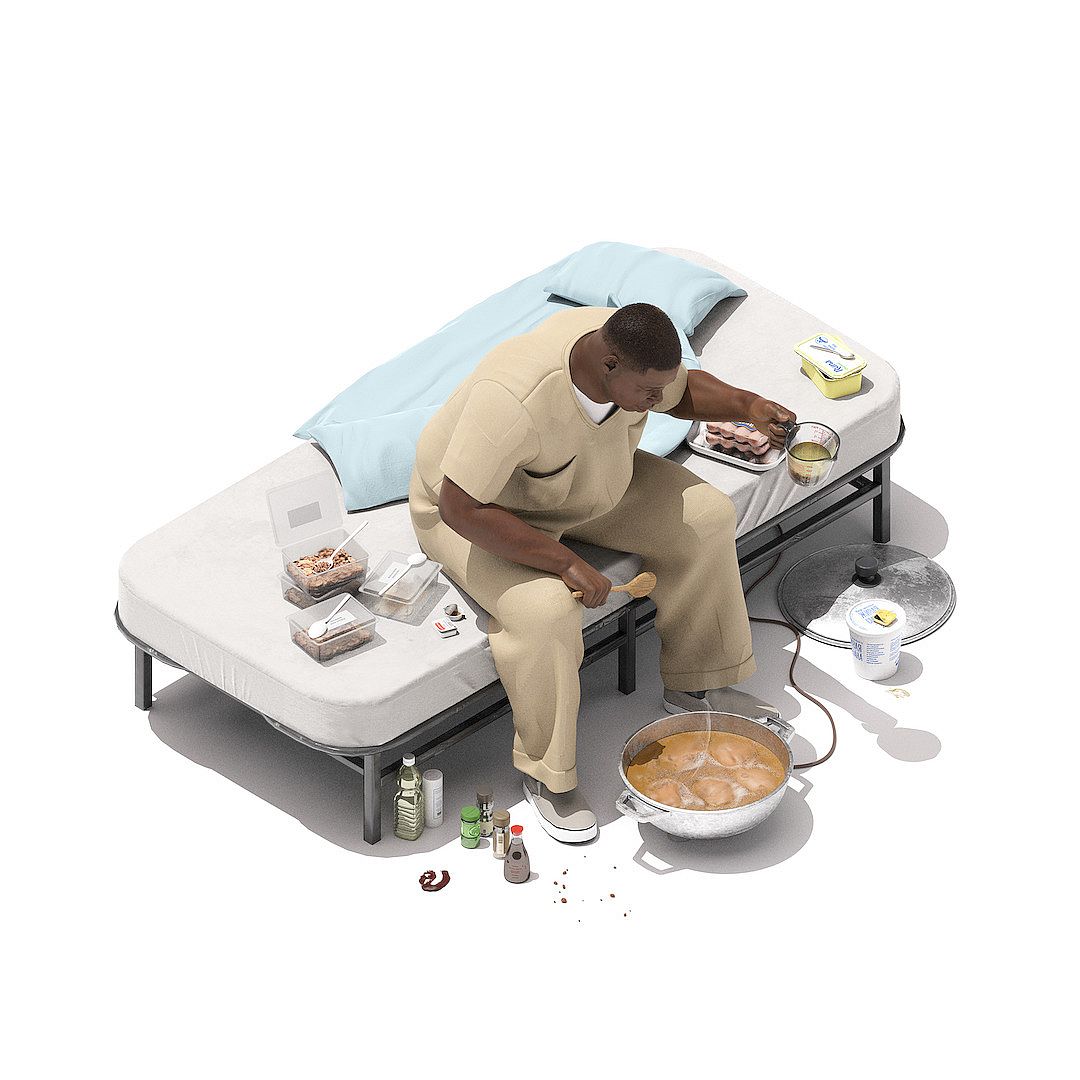
Recently, the commissary prices have been significantly raised. For example, an 8-ounce bag of Maxwell House coffee increased from $8.45 to $10.01. A jar of mayonnaise almost doubled in price, from $3.61 to $6.12. The same crunch being felt by ordinary folks in society is magnified for those inside because of the low wages paid for prison labor.
But if you save like I do, then you can have a nice little nest egg when you get out of here. I have $3,100 in my account.
To do my job, I got up at 5:00 yesterday morning. Washed up. Did my other work assignment real quick. When you take this job, it still allows you to have a dual assignment. I also tutor guys on the unit with their reading and writing.
Then, at 6:30, I went over to segregation. They strip-search us before we go over there. They give us these pink shirts with "POA" on them. I'm relieving somebody that's already been there. He'll bring me up to speed, and I pick up where the guy left off.
When I first sit down, I do a silent prayer for the individual in the cell. And every 15 minutes I document what the person is doing. I might say, 'He got up and used the toilet, and then he laid back down.' I try to engage them in conversation if they want to talk. The vast majority of guys on suicide watch like to talk.
I get them to laugh. I try to talk to them about what's going on. Most of these guys are going to get out of here in no time. They've got paroles. They're going home in less than a year. I tell those guys, 'Look, here's my situation. My mother got murdered while I was in here. I've been here 41 years. I got a bunch of buddies that never made it out. They died before they could make it out.' What I'm trying to tell them is, 'You've got everything in the world going for you, man, why harm yourself?'
I find the job to be therapeutic. I had a close friend that came real close to killing themselves. Not only do I help these individuals, by doing this, I'm helping myself. I'm in here for taking someone else's life. Now I'm saving people's lives. That's how I look at it.