Photo illustration by Elizabeth Ciano // Stacker // Getty Images
1 / 3The growth of fast fashion fueled environmental issues
Fast fashion's meteoric rise is apparent in retail giants like Shein and Uniqlo, which both saw more than 20% revenue growth between 2022 and 2023 alone. But, as the industry grows, the human and environmental toll has also increased.
Many fast-fashion companies boost profit margins by shaving labor costs and upholding inhumane standards. A 2024 report from Public Eye, a Swiss consumer awareness group, found that employees in Shein factories averaged 75-hour workweeks.
Furthermore, these grueling labor practices sometimes lead to deadly consequences. In 2012, more than 100 workers died in the Dhaka, Bangladesh, garment factory fire due to a lack of appropriate health and safety measures, including emergency exits.
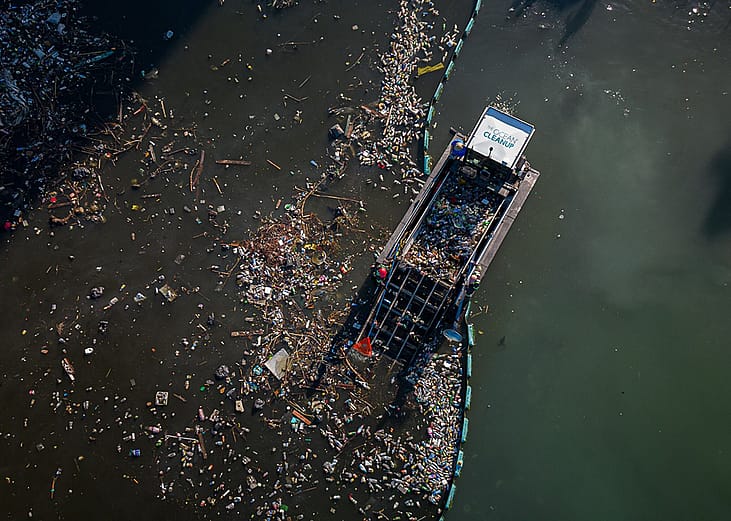
Between carbon emissions and excess waste, the industry also wreaks havoc on the environment. In 2018 alone, more than 11 million tons of textile waste ended up in landfills. The "throwaway culture" around fast-fashion garments means they often end up in the trash after the trend goes out of style. Rampant environmental racism also means clothing waste and other forms of pollution disproportionately impact individuals from Black and Hispanic communities—something advocates have been raising the flag about for decades.
Fast fashion also accounts for a whopping 10% of annual emissions globally, according to a March 2023 report from the United Nations Environment Programme. That's more than the aviation and shipping industries combined.