David Cannon // Getty Images
1 / 2A global issue
While it is well-documented that coastal areas are among the most impacted by climate change, golf courses are feeling the effects regardless of their location.
In Australia, courses store water for later use and for fighting wildfires.
At the "Home of Golf" in Scotland, a coalition of Scottish scientists reported in 2017 that up to one-fifth of the country's coast could be threatened by 2050 because of climate change, and 34 coastal courses are experiencing problems associated with rising sea levels, the BBC reported in April.
In the United States, September's Hurricane Helene flooded and damaged courses, including the famed Augusta National in Georgia.
Hurricane Milton made a similar impact weeks later, and golf clubs in the Southeast were left with costly cleanup bills to replace turf and landscaping on top of lost revenue from not being open, Golf Course Superintendents Association of America chief operating officer Kevin Sunderman said.
"I think it would be extremely difficult for a lot of our members in golf facilities to not notice some of the changes they're experiencing, especially those along the coastline," Sunderman told Stacker.
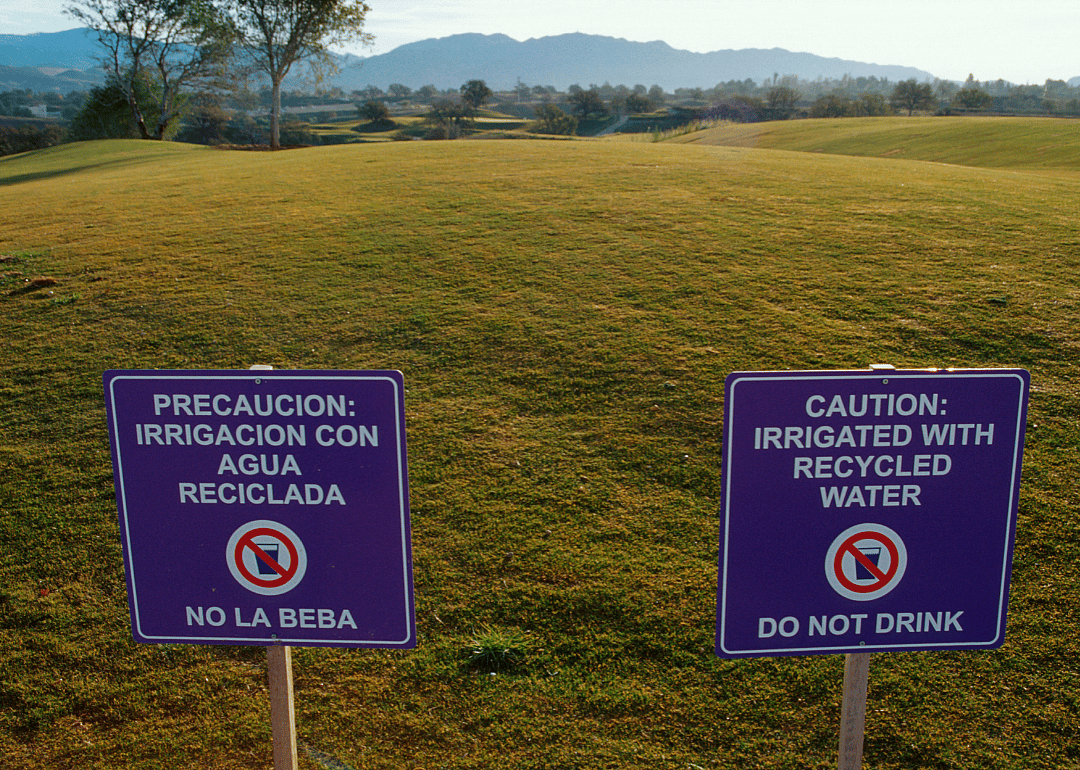
In areas such as Salt Lake County, Utah, where golf courses require millions of gallons of water every day to stay green, Sunderman said removing turfgrass can help reduce water usage.
"There have even been rebate programs offered by some of the water districts to golf courses to remove turfgrass, simply so there's less to irrigate," Sunderman said. "So, that seems like a no-brainer: Don't have grass where you don't necessarily need to have grass."
Beyond reducing the footprint of turfgrass, the future of golf course maintenance could include several technological and product advancements so courses can be cared for more efficiently.
That could be autonomous mowers, in-ground water sensors, and wetting agents that increase water absorption, Audubon International director of Signature Sanctuary Certification and longtime golf course superintendent Mark O'Mell said.
"Superintendents are stewards of their environment," O'Mell told Stacker.