Caitlin O'Hara for The 19th
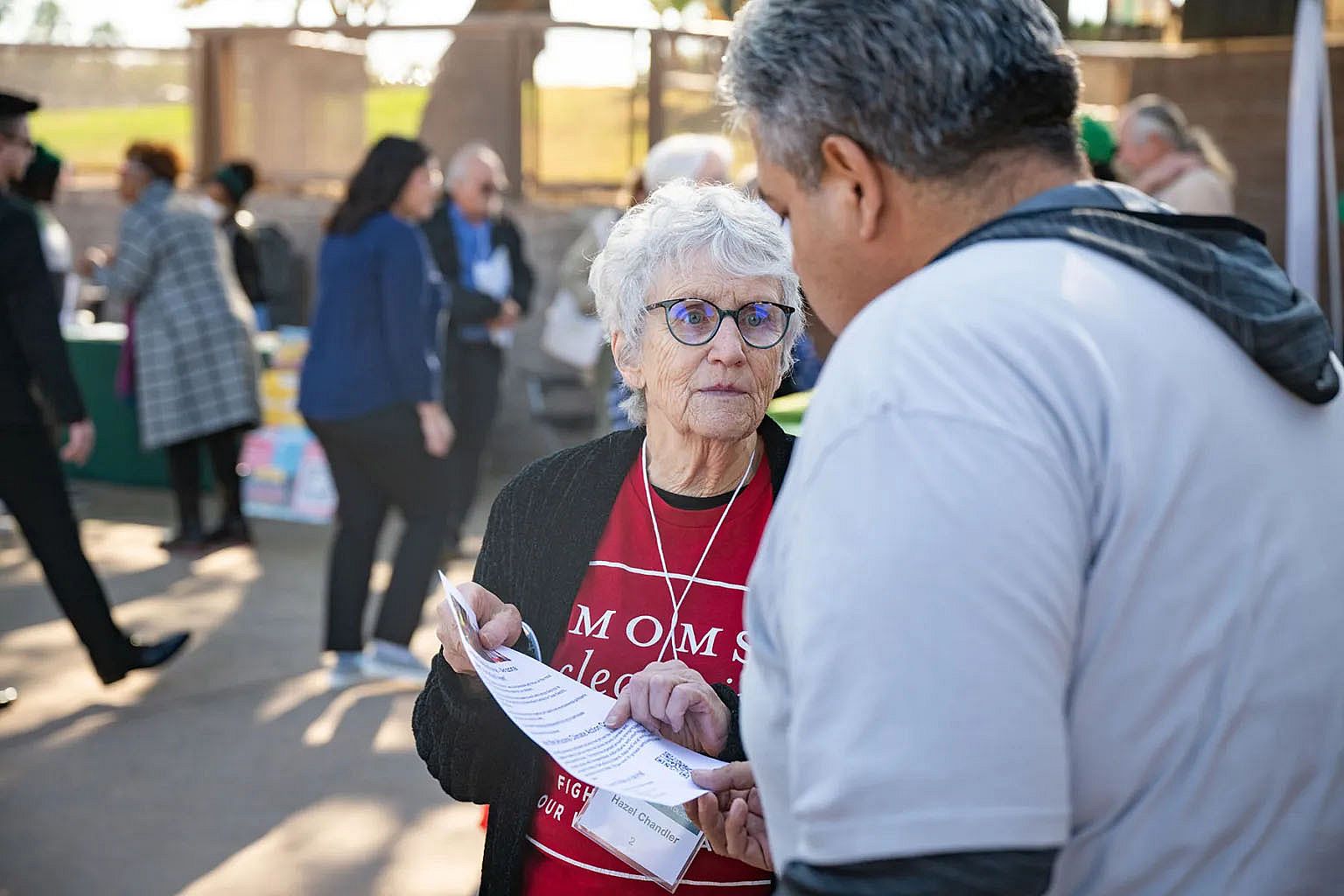
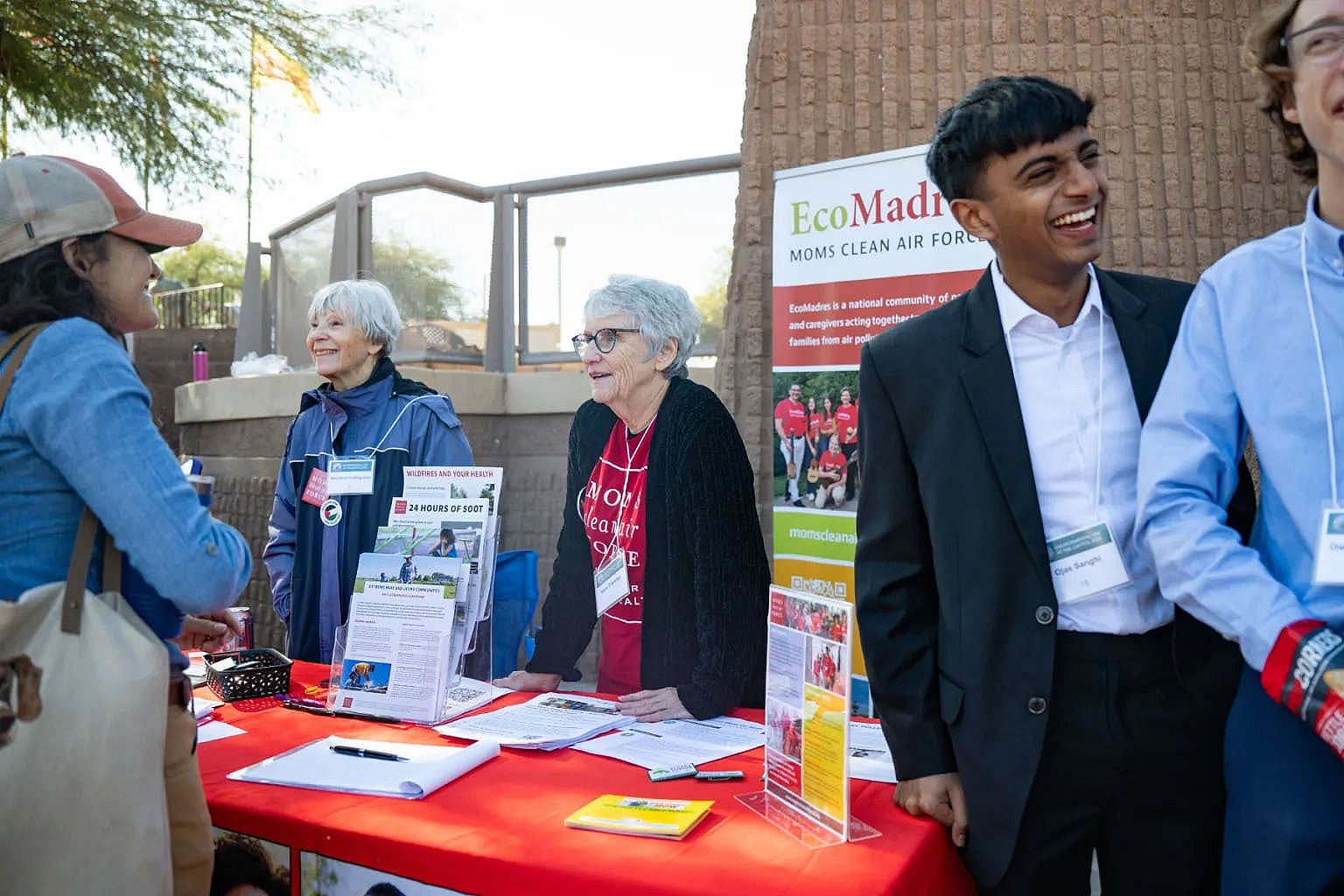
1 / 3Chandler's motivation now is the same as it was decades ago
"When I look my grandchildren and my great-grandchildren, my children, in the eye, I have to be able to say, 'I did everything I could to protect you,'" Chandler said. "I have to be able to tell them that I've done everything possible within my ability to help move us forward."
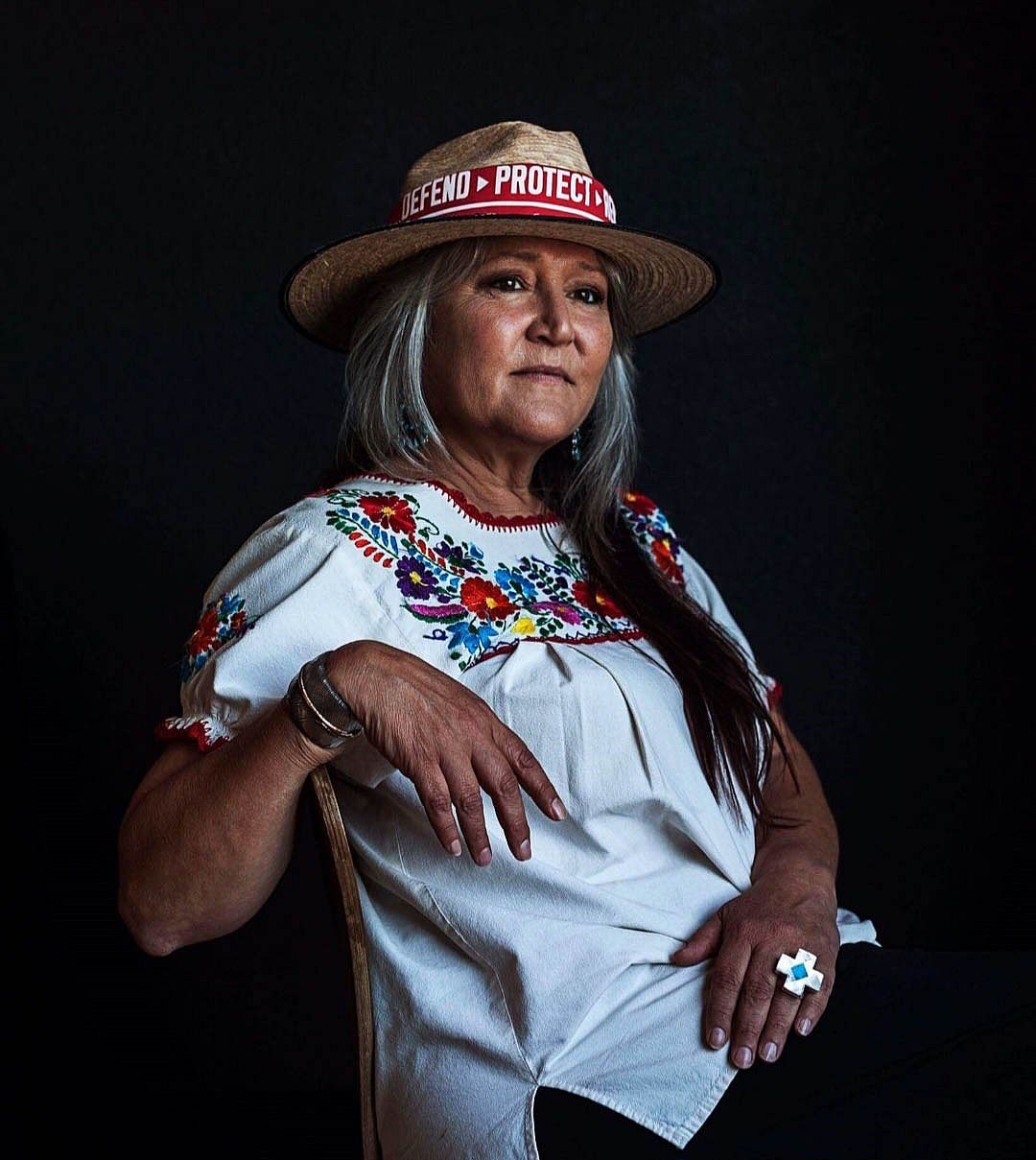
Chandler is part of a largely unrecognized contingent of the climate movement in the United States: the climate grannies.
The most prominent example perhaps, is the actor Jane Fonda. The octogenarian grandmother has been arrested during climate protests a number of times and has her own PAC that funds the campaigns of "climate champions" in local and state elections.
Climate grannies come equipped with decades of activism experience and aim to pressure the government and corporations to curb fossil fuel emissions. As a result they, alongside women of every age group, are turning out in bigger numbers, both at protests and the polls. All of the climate grandmothers The 19th interviewed for this piece noted one unifying theme: concern for their grandchildren's futures.
According to research conducted by Dana R. Fisher, director for the Center of Environment, Community and Equity at American University, while the mainstream environmental movement has typically been dominated by men, women make up 61 percent of climate activists today. The average age of climate activists was 52 with 24 percent being 69 and older.
Part of the gender shift, she says, can be traced back to the mass demonstrations and protests that flourished in response to former President Donald Trump.
"Starting with the Women's March and the day after the inauguration of Donald Trump … women are more engaged and women are more likely to be leaders," Fisher said.
"Which is nice, because especially in the environmental arena it has historically been quite the dude fest."
A similar trend holds true at the ballot box, according to data collected by the Environmental Voter Project, a nonpartisan organization focused on turning out climate voters in elections.
A report released by the Environmental Voter Project in December that looked at the patterns of registered voters in 18 different states found that after the Gen Z vote, people 65 and older represent the next largest climate voter group, with older women far exceeding older men in their propensity to list climate as their No. 1 reason for voting. The organization defines climate voters as those who are most likely to list climate change, the environment, or clean air and water as their top political priority.
"Grandmothers are now at the vanguard of today's climate movement," said Nathaniel Stinnett, founder of the Environmental Voter Project.
"Older people are three times as likely to list climate as a top priority than middle-aged people. On top of that, women in all age groups are more likely to care about climate than men," he said. "So you put those two things together … and you can safely say that grandma is much more likely to be a climate voter than your middle-aged man."
In Arizona, where Chandler lives, older climate voters make up 231,000 registered voters in the state. The presidential election in the crucial swing state was decided by just 11,000 votes, Stinnett noted.
"Older climate voters can really throw their weight around in Arizona if they organize and if they make sure that everybody goes to the polls," he said.