Peter Yeung for Reasons to be Cheerful
1 / 3Tree-filled spaces and heat-trapping infrastructure keep residents cool
These plant and tree-filled spaces — which connect all sorts of green areas such as the curb strips, squares, parks, vertical gardens, sidewalks, and even some of the seven hills that surround the city — produce fresh, cooling air in the face of urban heat. The corridors are also designed to mimic a natural forest with levels of low, medium and high plants, including native and tropical plants, bamboo grasses and palm trees.
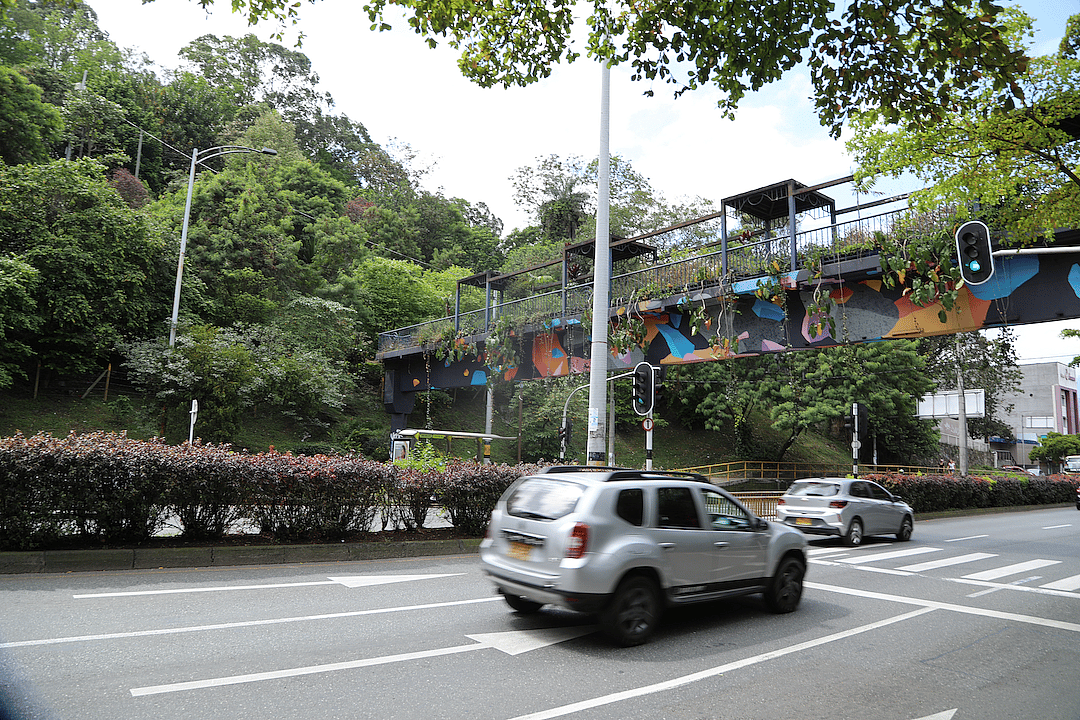
Heat-trapping infrastructure like metro stations and bridges has also been greened as part of the project and government buildings have been adorned with green roofs and vertical gardens to beat the heat. The first of those was installed at Medellín's City Hall, where nearly 100,000 plants and 12 species span the 1,810 square meter surface.
"It's like urban acupuncture," says Paula Zapata, advisor for Medellín at C40 Cities, a global network of about 100 of the world's leading mayors. "The city is making these small interventions that together act to make a big impact."
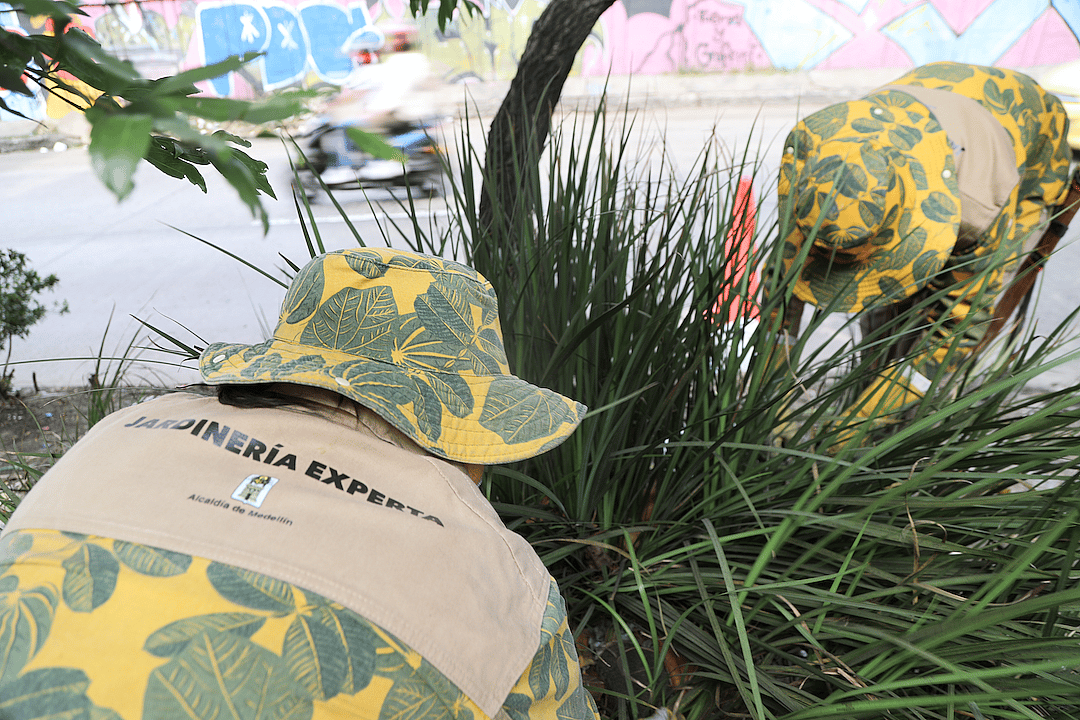
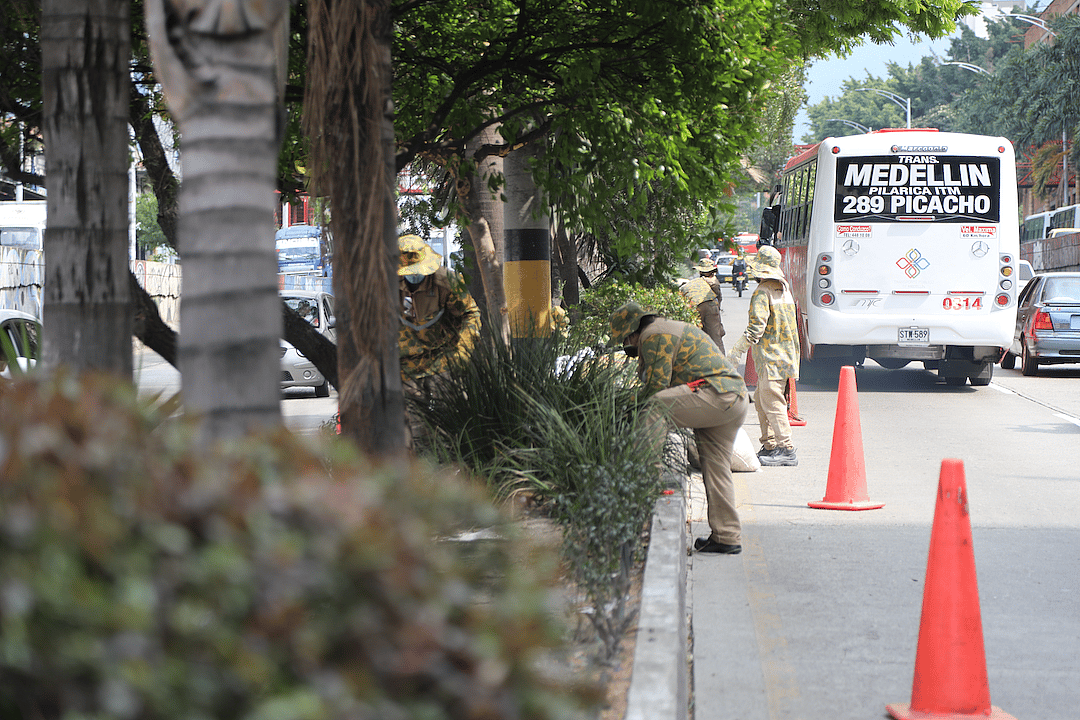
At the launch of the project, 120,000 individual plants and 12,500 trees were added to roads and parks across the city. By 2021, the figure had reached 2.5 million plants and 880,000 trees. Each has been carefully chosen to maximize their impact.
"The technical team thought a lot about the species used. They selected endemic ones that have a functional use," explains Zapata.
The 72 species of plants and trees selected provide food for wildlife, help biodiversity to spread, and fight air pollution. A study, for example, identified Mangifera indica as the best among six plant species found in Medellín at absorbing PM2.5 pollution — particulate matter that can cause asthma, bronchitis and heart disease — and surviving in polluted areas due to its "biochemical and biological mechanisms."